
In the landscape of business finance, few metrics are as critical—or as frequently misunderstood—as labour cost. For entrepreneurs, financial analysts, and corporate leaders, labour cost represents the total expenditure required to maintain a workforce. It is far more than the sum of monthly paychecks; it is a complex tapestry of direct wages, indirect benefits, statutory obligations, and overhead expenses. Understanding this metric is essential for pricing products correctly, maintaining healthy profit margins, and ensuring the long-term financial viability of any enterprise.
The Essential Components of Labour Cost
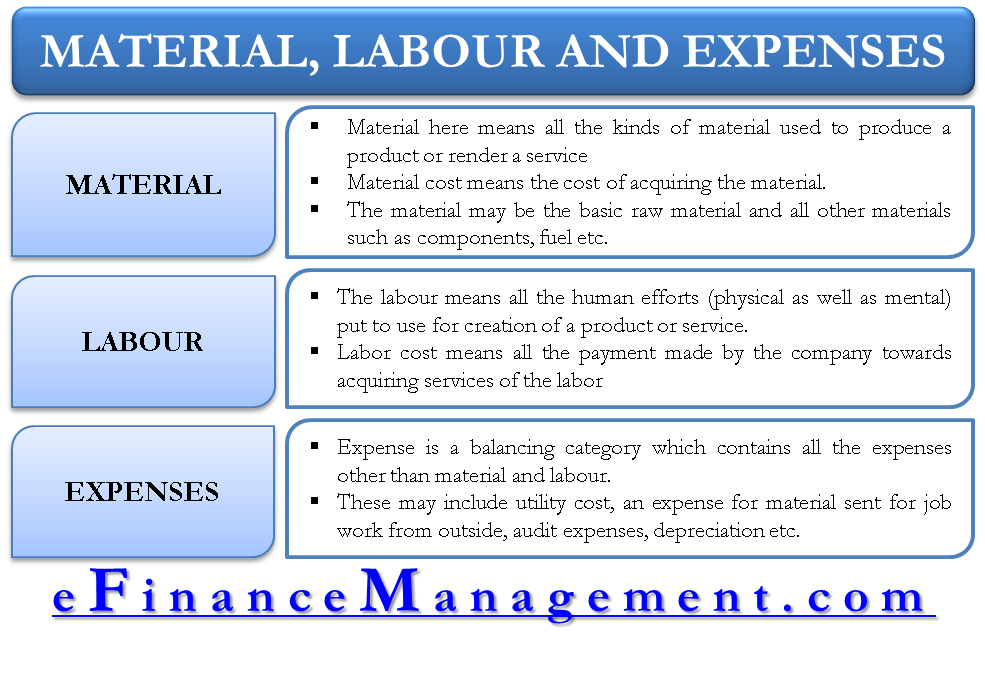
To manage labour costs effectively, one must first deconstruct them into their core elements. Businesses often fall into the trap of looking only at the “sticker price” of an employee—their hourly rate or annual salary. However, the true cost of labour, often referred to as the “fully burdened” cost, includes several layers of financial commitment.

Direct Labour Costs
Direct labour costs are the expenses specifically associated with the production of goods or the delivery of services. In a manufacturing setting, this includes the wages of the assembly line workers. In a service-oriented business, such as a law firm or a consultancy, it includes the billable hours of the professional staff. Because these costs vary directly with production volume, they are typically categorized as variable costs in a financial statement.
Indirect Labour Costs
Indirect labour costs are the expenses for personnel who support the production process but are not directly involved in creating the end product. This category includes administrative staff, security personnel, maintenance workers, and management. While these individuals are vital to the operation, their costs are often fixed or semi-fixed, meaning they do not fluctuate as significantly with minor changes in output. Identifying the split between direct and indirect labour is crucial for calculating the “cost of goods sold” (COGS) versus operating expenses.
The Labour Burden: Taxes and Statutory Benefits
The “labour burden” refers to the additional costs a company pays over and above the gross salary of an employee. This includes mandatory contributions such as Social Security, Medicare, unemployment insurance, and workers’ compensation. Depending on the jurisdiction and the industry, these statutory costs can add anywhere from 15% to 30% to the base salary. For business owners, failing to account for these taxes when hiring can lead to significant cash flow shortages.
Discretionary Benefits and Overhead
Beyond what is required by law, many businesses offer discretionary benefits to remain competitive in the talent market. These include health insurance premiums, 400(k) or pension matching, paid time off (PTO), bonuses, and professional development stipends. Additionally, there are “soft” labour costs, such as the expense of office space, equipment, and utility consumption allocated to each employee. When these are aggregated, the total cost of an employee can often be 1.5 to 2 times their base salary.
Calculating the True Labour Cost and the Burden Rate
Accurate financial forecasting requires a standardized method for calculating labour costs. Without a clear formula, a business cannot determine its true break-even point or set competitive prices that still allow for a profit margin.
The Basic Calculation Formula
The simplest way to view labour cost is through the total cost per hour of actual work. The formula is:
(Gross Wages + Total Taxes + Total Benefits + Total Overhead Related to Payroll) / Total Annual Hours Worked = Hourly Labour Cost.
However, it is important to distinguish between “hours paid” and “hours worked.” A full-time employee may be paid for 2,080 hours a year (40 hours per week), but after accounting for holidays, sick leave, and training, they may only contribute 1,800 hours of productive work. Calculating the cost based on productive hours provides a more accurate picture of the expense incurred to generate revenue.
Understanding the Labour Burden Rate
The labour burden rate is expressed as a percentage or a dollar amount that represents the “extra” cost of an employee beyond their wages. For example, if an employee earns $25 per hour and their total benefits and taxes cost the company an additional $10 per hour, the labour burden is $10, and the burden rate is 40% ($10/$25). Knowing this rate is vital for project-based businesses. If a contractor bids for a project based solely on wages, they will likely lose money because they haven’t accounted for the 40% burden.
Labour Cost as a Percentage of Revenue
In business finance, it is common to track labour cost as a percentage of total revenue. This varies significantly by industry. In capital-intensive industries like manufacturing, labour costs might account for 15% to 20% of revenue. In service-based industries, such as hospitality or professional services, labour can often consume 30% to 50% of revenue. Monitoring this ratio over time helps management identify if they are becoming less efficient or if their wage growth is outstripping their revenue growth.
The Strategic Importance of Labour Cost Management
Managing labour costs is not simply about cutting wages; it is about optimizing the return on investment (ROI) for every dollar spent on human capital. In the modern economy, labour is often a company’s largest expense and its most significant asset.
Impact on Pricing and Profitability
If labour costs rise—whether due to inflation, minimum wage increases, or a shortage of skilled workers—a business must decide whether to absorb the cost, reduce other expenses, or raise prices. Without a granular understanding of labour costs, a business might raise prices too little and erode its margins, or raise them too much and lose market share. Accurate labour data allows for “cost-plus” pricing strategies that guarantee a specific profit margin for every unit sold.
Resource Allocation and Scaling
When a business looks to scale, it must project how its labour costs will evolve. Does the business have “economies of scale,” where it can double its revenue without doubling its indirect labour costs? Or is it a “linear” business where every new client requires a proportional increase in headcount? Financial modeling that incorporates detailed labour cost projections allows executives to make informed decisions about when to hire, when to outsource, and when to invest in technology to improve productivity.
Identifying Inefficiencies
High labour costs are not always a result of high wages; they are often a result of inefficiency. By analyzing labour costs alongside output data, managers can identify “idle time” or “bottlenecks.” For example, if a department has high overtime costs, it might be more cost-effective to hire an additional part-time employee than to continue paying a premium rate for overtime. Conversely, high turnover rates significantly increase labour costs due to the recurring expenses of recruitment, background checks, and the “learning curve” period where new employees are not yet fully productive.
Strategies for Optimizing Labour Costs
Optimization does not mean minimizing costs at all costs; it means finding the most efficient way to achieve business goals. High-performing organizations use several financial strategies to keep their labour costs sustainable.
Investing in Productivity and Automation
In many cases, the most effective way to lower the labour cost per unit is to invest in tools that make workers more productive. This might involve software that automates administrative tasks or machinery that speeds up production. While these require an initial capital expenditure (CapEx), the long-term reduction in operating expenses (OpEx) can be substantial. The goal is to increase the “output per man-hour,” effectively lowering the percentage of revenue that must be dedicated to labour.
Enhancing Employee Retention
The cost of replacing an employee is one of the most significant “hidden” labour costs. Estimates suggest that losing an employee can cost a company 33% to 50% of that employee’s annual salary in lost productivity, recruitment fees, and training time. By offering competitive benefits and a positive work environment, businesses can lower their “churn rate.” While this may increase the “benefits” portion of the labour cost, it drastically reduces the “recruitment and training” portion, leading to a lower total cost over time.
Utilizing Flexible Staffing Models
Many businesses experience seasonal fluctuations in demand. Maintaining a full staff year-round can lead to bloated labour costs during slow periods. To combat this, savvy financial managers use a mix of full-time employees, part-time staff, and independent contractors. This “variable labour” model allows the business to scale its costs up or down in real-time based on actual revenue, protecting the bottom line during lean months.
Rigorous Payroll Auditing and Compliance
Finally, maintaining tight control over payroll processes is essential. This includes monitoring overtime, ensuring accurate time-tracking, and staying compliant with ever-changing tax laws. Errors in payroll or non-compliance with labour regulations can lead to heavy fines and legal fees, which are effectively “dead” labour costs that provide no value to the organization. Regular financial audits of the payroll system ensure that every dollar spent is accounted for and necessary.
In conclusion, labour cost is a multidimensional financial metric that serves as a pulse check for a company’s operational health. By moving beyond the surface-level view of salaries and deep-diving into the burden rates, indirect expenses, and productivity metrics, businesses can make the strategic shifts necessary for sustained growth. In a world where the cost of talent continues to rise, the ability to measure, analyze, and optimize labour cost remains a fundamental pillar of sound business finance.
aViewFromTheCave is a participant in the Amazon Services LLC Associates Program, an affiliate advertising program designed to provide a means for sites to earn advertising fees by advertising and linking to Amazon.com. Amazon, the Amazon logo, AmazonSupply, and the AmazonSupply logo are trademarks of Amazon.com, Inc. or its affiliates. As an Amazon Associate we earn affiliate commissions from qualifying purchases.