
In the complex ecosystem of global economics, few indicators are as telling or as frequently scrutinized by financial analysts, policymakers, and business leaders as the labor force participation rate (LFPR). While the unemployment rate often captures the headlines, the participation rate provides a much deeper look into the health of an economy, the availability of human capital, and the potential for long-term growth. For investors and business owners, understanding this metric is essential for making informed decisions regarding talent acquisition, market expansion, and capital allocation.
At its core, the labor force participation rate measures the active portion of an economy’s labor force. It is defined as the percentage of the civilian non-institutional population—typically aged 16 and older—that is either employed or actively seeking employment. Unlike the unemployment rate, which only tracks those who are currently without a job but looking for one, the participation rate accounts for the total supply of labor available to fuel economic activity.
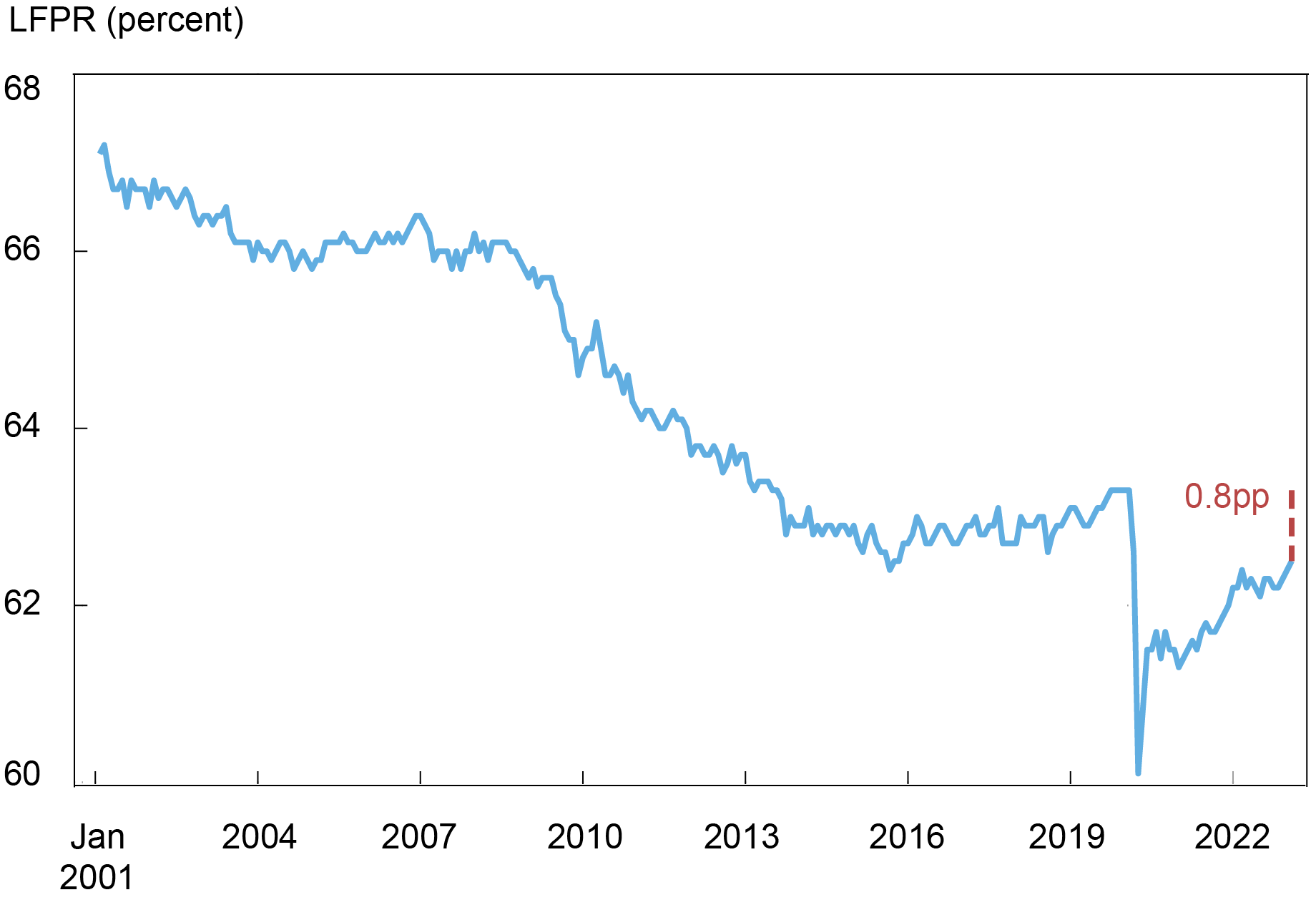
The Mechanics of the Participation Rate
To grasp the financial implications of this metric, one must first understand how it is calculated and why it differs from other labor statistics. The formula is straightforward: (Labor Force ÷ Civilian Non-institutional Population) x 100. The “Labor Force” includes everyone who is working or actively searching for work. The “Civilian Non-institutional Population” excludes active-duty military personnel and individuals in institutions such as nursing homes or correctional facilities.
Beyond the Unemployment Rate
Many people mistakenly equate a low unemployment rate with a robust economy. However, the unemployment rate can be deceptive. If a significant number of people stop looking for work because they are discouraged or have chosen to retire early, the unemployment rate will drop, even though the total number of people working hasn’t increased.
The labor participation rate fills this gap. It reveals “hidden” slack in the economy. When the participation rate falls, it suggests that the economy is not utilizing its full potential. For a business finance professional, a declining participation rate can signal a tightening labor market where finding qualified candidates becomes increasingly difficult and expensive.
Prime-Age Participation
Economists often pay special attention to “prime-age” labor force participation, which tracks individuals between the ages of 25 and 54. This demographic is considered the backbone of the economy because they are past their education years and generally decades away from retirement. High participation in this group indicates a stable, productive workforce, whereas a dip can signal structural issues in the economy, such as a skills gap or lack of accessible childcare.
Why the Participation Rate Matters for Investors
For the individual investor and the institutional fund manager alike, the labor participation rate is a leading indicator of macroeconomic trends that directly impact asset prices. From the movements of the Federal Reserve to the quarterly earnings of S&P 500 companies, the ripples of labor trends are felt everywhere.
Inflation and Monetary Policy
The Federal Reserve monitors the participation rate to gauge “maximum employment.” If the participation rate is high and rising, the economy can grow without immediately triggering inflation because there is a steady supply of workers to meet demand. However, if the participation rate is low or stagnant while demand for labor is high, wages tend to rise rapidly as companies compete for a limited pool of workers.
This wage-push inflation often forces the Federal Reserve to raise interest rates to cool the economy. For investors in bonds and equities, this is a critical signal. Rising interest rates generally lead to lower bond prices and can compress stock valuation multiples, making the participation rate a vital piece of the puzzle when forecasting market direction.
Productivity and Corporate Profits
Corporate profit margins are heavily influenced by labor costs. In a high-participation environment, businesses have more leverage to keep costs stable. Conversely, a shrinking participation rate creates a “seller’s market” for labor. Businesses may be forced to offer higher salaries, better benefits, and sign-on bonuses, all of which eat into the bottom line.

For the savvy investor, analyzing the labor participation trends within specific sectors can reveal which industries are at risk. For example, if participation in the manufacturing sector is declining due to an aging workforce, companies that have not invested in automation may see their margins shrink compared to more tech-forward competitors.
Factors Driving Modern Participation Trends
The labor participation rate is not a static number; it is influenced by a myriad of cultural, demographic, and technological factors. Understanding these drivers allows business leaders to anticipate shifts in the labor market before they manifest in financial reports.
The Silver Tsunami: Demographic Shifts
One of the most significant downward pressures on the participation rate in developed economies is the aging population. As the “Baby Boomer” generation reaches retirement age, millions of experienced workers are exiting the labor force. This “Silver Tsunami” creates a structural decline in the participation rate that is difficult to reverse through policy alone. For wealth managers and financial planners, this trend highlights the growing importance of retirement services and the healthcare economy.
The Impact of Technology and Automation
Technology acts as a double-edged sword for labor participation. On one hand, automation and Artificial Intelligence (AI) can displace workers whose skills are no longer in demand, potentially leading to a lower participation rate as those individuals struggle to transition. On the other hand, technology has enabled the “Gig Economy” and remote work, allowing people who might otherwise have exited the workforce—such as parents or those with disabilities—to remain active.
Social Safety Nets and Economic Incentives
The relationship between social benefits and labor participation is a frequent topic of debate in business finance. While safety nets provide essential stability during downturns, some argue that overly generous benefits can disincentivize work, particularly in lower-wage sectors. Conversely, a lack of affordable childcare or healthcare can force individuals out of the labor force to care for family members. From a branding and corporate strategy perspective, companies that offer these benefits internally often see higher retention and easier recruitment in a low-participation environment.
Navigating a Low-Participation Economy: Strategies for Businesses
When the labor participation rate remains stubbornly low, businesses cannot afford to stick to traditional hiring and operational models. Success in a tight labor market requires a strategic shift in how human capital is managed and how capital is deployed.
Investing in Human Capital and Automation
In a scenario where labor is scarce, the value of each existing employee increases. Forward-thinking companies are shifting their financial focus toward upskilling and reskilling programs. By training existing staff to handle more complex tasks, companies can mitigate the need for external hiring.
Furthermore, capital expenditure (CapEx) is increasingly being diverted toward automation. If the labor participation rate suggests that the pool of available workers will continue to shrink, the return on investment (ROI) for robotics and AI-driven software becomes much more attractive. Financing these technological upgrades is becoming a cornerstone of modern business finance strategy.
Reimagining the Employee Value Proposition
In a competitive labor market, “Brand” and “Money” converge. A company’s employer brand is just as important as its consumer brand. To attract participants from a shrinking pool, businesses must offer more than just a paycheck. This includes flexible work arrangements, mental health support, and a clear path for career progression. From a financial standpoint, these investments in culture often result in lower turnover costs, which can significantly improve a company’s EBITDA over the long term.

The Macro-Financial Outlook
The labor participation rate is more than just a statistic found in a Bureau of Labor Statistics report; it is a barometer for the vitality of the global economy. For the individual focused on personal finance, it provides context for job security and wage growth potential. For the investor, it is a guide for asset allocation in an inflationary or deflationary environment. For the business owner, it is a blueprint for future-proofing operations against a changing demographic landscape.
As we look toward the future, the participation rate will likely be influenced by the ongoing integration of AI, shifts in global trade, and the evolving expectations of the workforce. Staying attuned to this metric allows participants in the financial system to navigate volatility with greater confidence, ensuring that they are not just reacting to economic changes, but actively preparing for them. Understanding that the economy’s greatest asset is its people—and knowing exactly how many of those people are ready and willing to work—is the ultimate competitive advantage in the world of finance.
aViewFromTheCave is a participant in the Amazon Services LLC Associates Program, an affiliate advertising program designed to provide a means for sites to earn advertising fees by advertising and linking to Amazon.com. Amazon, the Amazon logo, AmazonSupply, and the AmazonSupply logo are trademarks of Amazon.com, Inc. or its affiliates. As an Amazon Associate we earn affiliate commissions from qualifying purchases.