
In the high-stakes world of brand strategy, the difference between a forgettable advertisement and a cult-classic campaign often lies not in the quality of the product, but in the psychological manipulation of visual context. This phenomenon, known as the Kuleshov Effect, originated in the early 20th century within the realm of Soviet cinema. However, its principles have transcended the silver screen to become a cornerstone of modern branding, marketing, and corporate identity. By understanding how the human brain derives meaning from the juxtaposition of images, brand strategists can craft narratives that evoke specific emotions, build deep-seated loyalty, and influence consumer behavior without saying a single word.
Understanding the Kuleshov Effect: From Soviet Cinema to Modern Marketing
To master the art of branding, one must first understand the cinematic experiment that changed visual communication forever. Lev Kuleshov, a Russian filmmaker, demonstrated that the sequence of images is more powerful than the individual images themselves.
The Experiment: How Context Creates Meaning
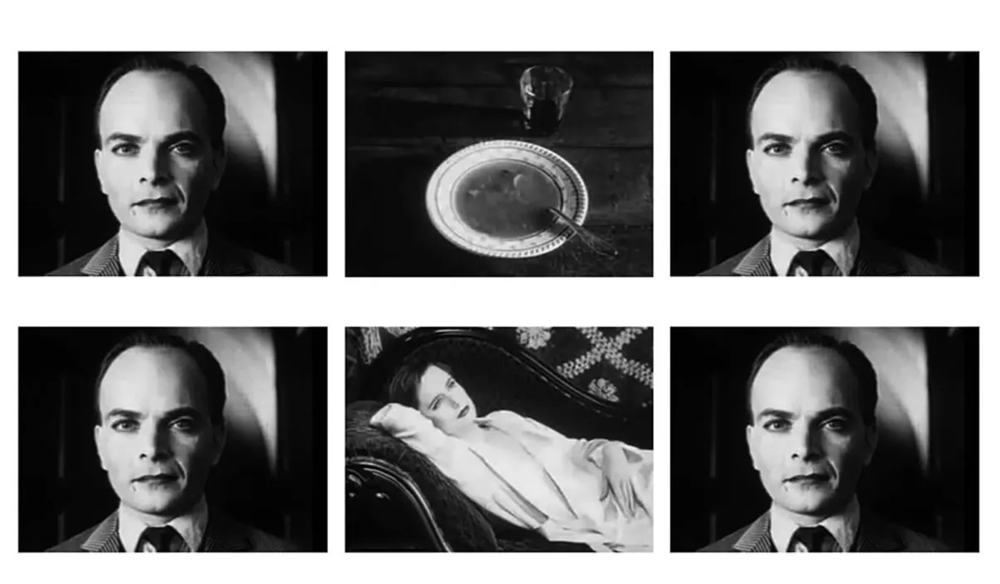
In his famous experiment, Kuleshov showed an audience a short film consisting of a shot of a man’s expressionless face, followed by three different images: a bowl of soup, a child in a coffin, and a woman reclining on a sofa. Even though the shot of the actor’s face was exactly the same every time, the audience perceived his expression differently based on what followed. When paired with the soup, they saw hunger; with the coffin, grief; and with the woman, desire. This revealed a fundamental truth about human psychology: we are hardwired to find relationships between sequential stimuli.
The Psychological Foundation of Sequential Imaging
In the context of branding, this means that a logo or a product never exists in a vacuum. The images, sounds, and emotions that surround a brand name act as the “second shot” in the Kuleshov sequence. Consumers do not just see a brand; they see a brand relative to the lifestyle, values, and environments presented alongside it. This cognitive process—where the brain fills in the gaps between two distinct ideas—is where brand equity is born.
Why Branding is Inherently “Kuleshovian”
The most successful brands in the world do not sell features; they sell associations. The Kuleshov Effect is the technical explanation for how these associations are formed in the consumer’s mind.
Building Brand Value Through Association
Consider a luxury watch brand. If you see a photograph of a watch alone on a white background, it is merely a tool for telling time. However, if the brand sequences that image with a shot of a private jet or a professional athlete achieving a milestone, the Kuleshov Effect takes hold. The viewer projects the “success” and “exclusivity” of the second image onto the product in the first. The brand itself becomes a symbol of those traits. This is why brands spend millions on celebrity endorsements and high-end lifestyle photography; they are providing the “contextual shot” that defines the brand’s identity.
The Power of Juxtaposition in Brand Identity
The Kuleshov Effect also explains why “vibes” and “aesthetic” are so critical in modern design. A minimalist, sleek logo (Shot A) followed by images of clean, sustainable architecture (Shot B) creates a brand identity of “modern responsibility” (The Kuleshov Result). If that same logo were followed by images of high-speed racing and neon lights, the resulting brand identity would be “innovation and adrenaline.” The logo remains static, but the meaning shifts entirely based on the visual juxtaposition.
Strategic Applications in Modern Brand Campaigns
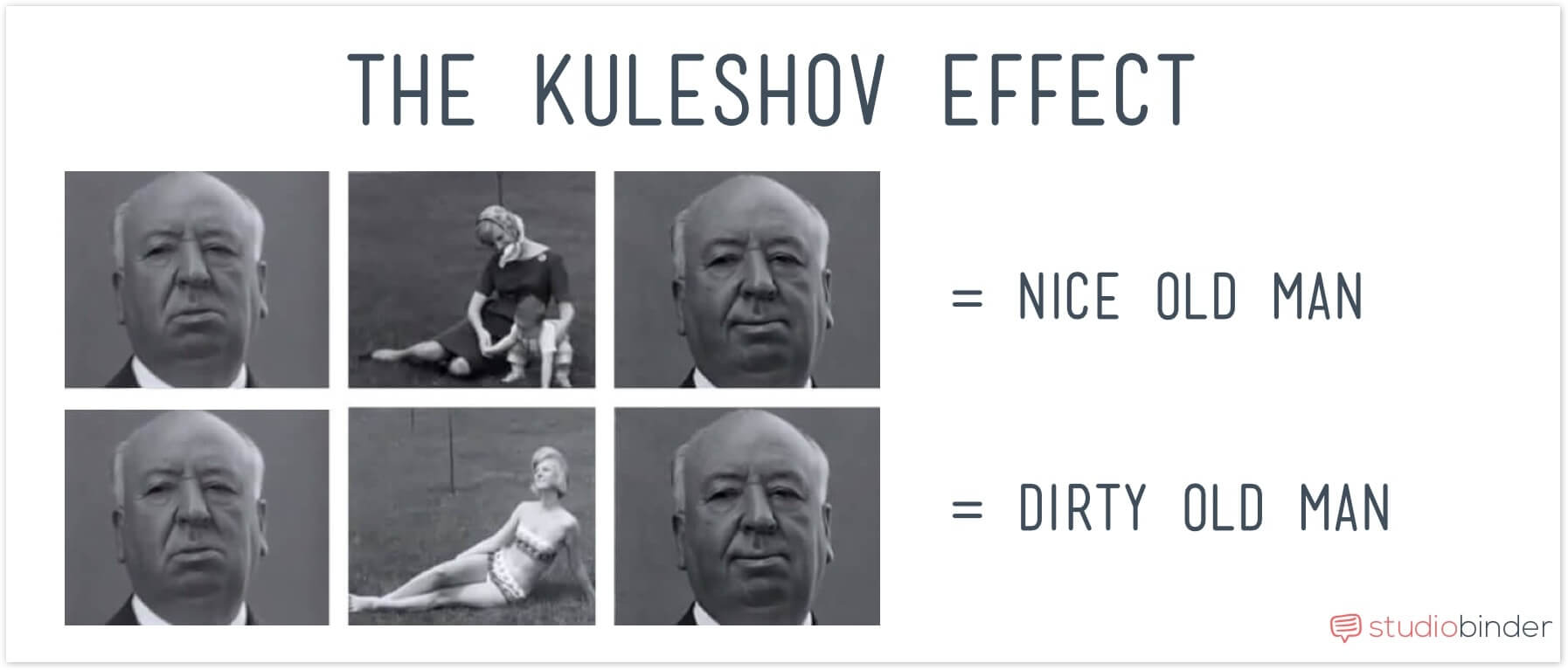
With the rise of short-form video content and social media, the Kuleshov Effect is more relevant than ever. Brands must now curate rapid-fire visual sequences that tell a cohesive story in mere seconds.
Social Media Sequencing and Consumer Sentiment
On platforms like Instagram or TikTok, the order in which a brand presents its content determines its perceived personality. A brand that posts a serious corporate update followed immediately by a lighthearted “behind-the-scenes” meme is utilizing the Kuleshov Effect to humanize its corporate identity. The juxtaposition of professionalism and relatability creates a composite image of a “trustworthy but approachable” brand. Strategists must be meticulous about this sequencing; a mismatched pair of images can lead to cognitive dissonance, confusing the consumer and damaging brand trust.
Video Marketing: Creating Emotional Resonances
In commercial production, the Kuleshov Effect is used to manipulate the viewer’s emotional state. By cutting between a product and a smiling family, a brand is not logically proving that their product makes families happy; rather, they are exploiting the brain’s tendency to link sequential images. The “meaning” of the product becomes “family joy.” This is particularly effective in industries like insurance or healthcare, where the product is intangible. The visual sequence provides the emotional substance that the product itself lacks.
Designing Brand Narratives: The Role of Visual Context
Branding is not just about the big campaigns; it is also about the subtle visual cues in design, UI/UX, and packaging. Every touchpoint is an opportunity to leverage the Kuleshov Effect.
Color Theory and Symbolism in Sequence
The colors used in brand design act as psychological primers. When a consumer sees a brand’s primary color followed by a specific image, the brain creates a mental link. For example, a brand that consistently pairs its signature green with images of lush forests and fresh dew is using the Kuleshov Effect to claim the “natural” space in the consumer’s mind. The green color eventually triggers the feeling of “freshness” even when the images of the forest are absent.
Managing User Perception through Interface Design
In digital branding, the Kuleshov Effect manifests in the flow of a website or app. When a user clicks a button and is met with a specific animation or transition, the “meaning” of that interaction is defined by the sequence. If a financial app uses a slow, graceful transition from a transaction screen to a confirmation screen, it conveys a sense of security and deliberation. If the transition is instant and jarring, it might convey efficiency, but it could also trigger anxiety about the safety of the money. The designer is using sequential timing to “edit” the user’s emotional experience of the brand.
Leveraging Visual Psychology for Long-Term Brand Loyalty
Ultimately, the Kuleshov Effect is a tool for building a narrative that sticks. By consistently providing the right context, brands can ensure that their identity is interpreted exactly as intended.
Avoiding Misinterpretation in Cross-Cultural Branding
One of the risks of the Kuleshov Effect is that different audiences may interpret the “second shot” differently. A visual sequence that implies “freedom” in one culture might imply “isolation” in another. Brand strategists must be globally conscious, ensuring that the contextual images used to define their brand are culturally resonant. Researching the psychological triggers of a target demographic is essential to ensure the Kuleshov Effect works in the brand’s favor rather than against it.

Conclusion: The Future of Brand Perception
In an era of information overload, consumers rarely have the time to read through a brand’s mission statement or list of values. Instead, they form lightning-fast judgments based on visual sequences. The Kuleshov Effect serves as a reminder that the power of a brand is not contained within its logo, but in the relationship between its various visual elements.
By mastering the art of juxtaposition, brand leaders can move beyond simple marketing and enter the realm of true storytelling. Whether through a 15-second social media ad, a carefully curated physical storefront, or the user interface of a mobile app, the Kuleshov Effect allows brands to whisper directly to the consumer’s subconscious. In the end, the most powerful brands are those that understand that they are not just showing a product—they are creating an experience, one frame at a time.
aViewFromTheCave is a participant in the Amazon Services LLC Associates Program, an affiliate advertising program designed to provide a means for sites to earn advertising fees by advertising and linking to Amazon.com. Amazon, the Amazon logo, AmazonSupply, and the AmazonSupply logo are trademarks of Amazon.com, Inc. or its affiliates. As an Amazon Associate we earn affiliate commissions from qualifying purchases.