
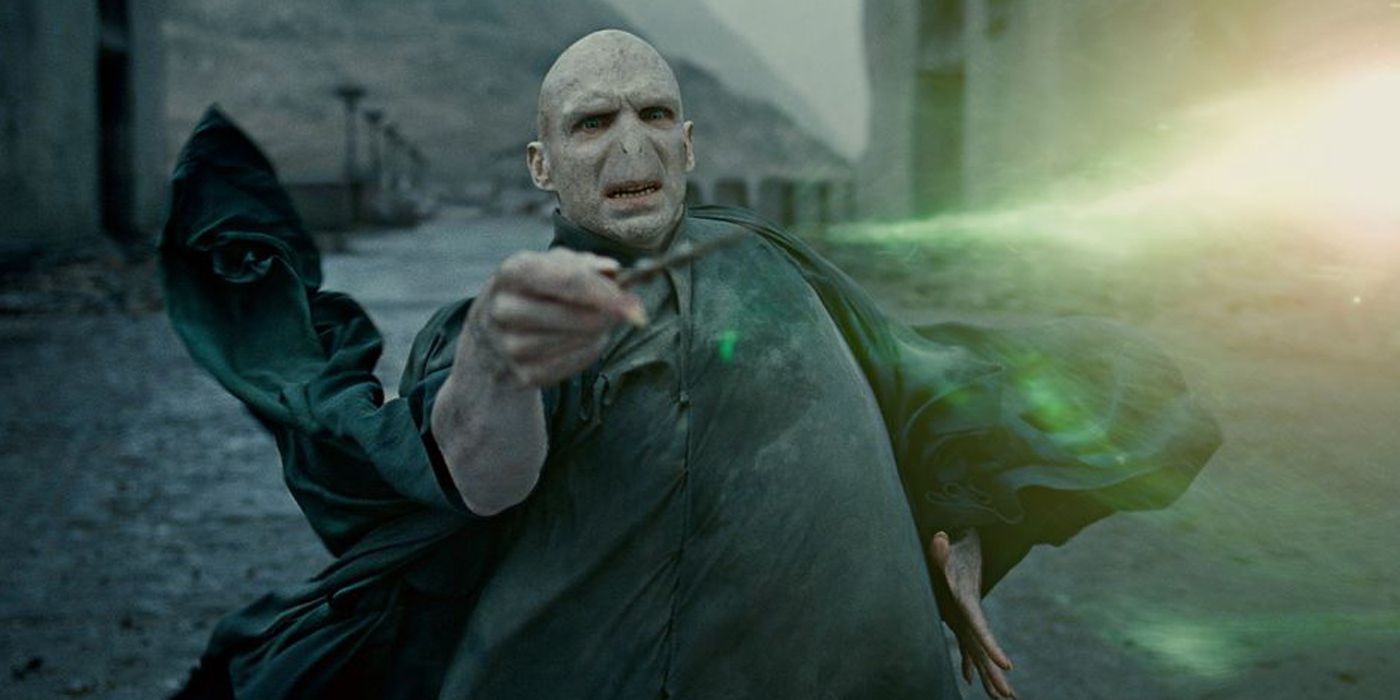
The Killing Spell, known by its incantation Avada Kedavra, stands as one of the most potent and feared magical curses within the wizarding world of Harry Potter. Its singular purpose is the instantaneous and painless death of its target. Unlike other curses that might incapacitate, inflict pain, or cause injury, the Killing Spell delivers a swift, absolute end. This stark finality imbues it with a profound moral and ethical weight, making its very existence a cornerstone of the magical society’s legal and ethical framework. Understanding the nature and implications of the Killing Spell is crucial to grasping the core conflicts and thematic underpinnings of the entire Harry Potter series.
The Nature and Mechanics of the Killing Curse
The Killing Curse, Avada Kedavra, is not merely a powerful piece of dark magic; it represents a profound transgression against the natural order. Its effectiveness is absolute, leaving no visible mark or trace of its passage other than the cessation of life. This inherent lethality distinguishes it from all other offensive spells, elevating it to a status of ultimate forbiddenness.
The Unforgivable Curses: A Classification of Malevolence
The Killing Spell is one of three curses classified as “Unforgivable” by the Ministry of Magic. This designation signifies that their use carries the gravest of penalties: a life sentence in Azkaban, the wizarding prison. The other two Unforgivable Curses are:
- Cruciatus Curse (Crucio): Inflicts unbearable pain upon the victim, without causing physical injury.
- Imperius Curse (Imperio): Places the victim under the complete control of the caster, robbing them of their free will.
The classification as “Unforgivable” stems from the malicious intent required to cast these spells. They are not accidental or defensive in nature; they are designed to inflict profound suffering, subjugation, or death, demonstrating a complete disregard for the well-being and autonomy of others. The Ministry’s strict prohibition reflects a societal consensus on what constitutes truly reprehensible magical behavior, a boundary that once crossed, signifies a descent into dark wizardry.
The Incantation: Avada Kedavra and its Origins
The incantation Avada Kedavra is believed to derive from Aramaic, meaning “I will create as I speak.” This etymology, while intriguing, also hints at the profound creative and destructive power inherent in the spoken word within magic. Unlike many spells with more descriptive incantations, Avada Kedavra is abstract, suggesting a more primal and fundamental force at play. Its lack of a direct correlation to the effect it produces further mystifies it, reinforcing its status as an ancient and potent curse. The very sound of the incantation, sharp and guttural, contributes to its sinister reputation.
The Absence of a Counter-Curse
A critical aspect of the Killing Curse’s terror lies in its lack of a known counter-curse. While many spells can be shielded against, deflected, or even reversed with specific countermeasures, Avada Kedavra offers no such reprieve. The only known instances of survival are attributed to external protective factors, most notably Lily Potter’s sacrificial love, which created an ancient and potent magical shield around Harry. This unique form of protection, rooted in love and sacrifice, underscores that survival against the Killing Curse is not about magical counter-offense, but about a deeper, more profound form of magical defense.
The Lore and Legacy of the Killing Spell
The history of the Killing Curse is deeply intertwined with the rise and fall of dark wizards, particularly Lord Voldemort. Its pervasive use in Voldemort’s reign of terror has cemented its place as a symbol of absolute evil and the ultimate threat to the wizarding world.
Lord Voldemort: The Master of the Killing Curse
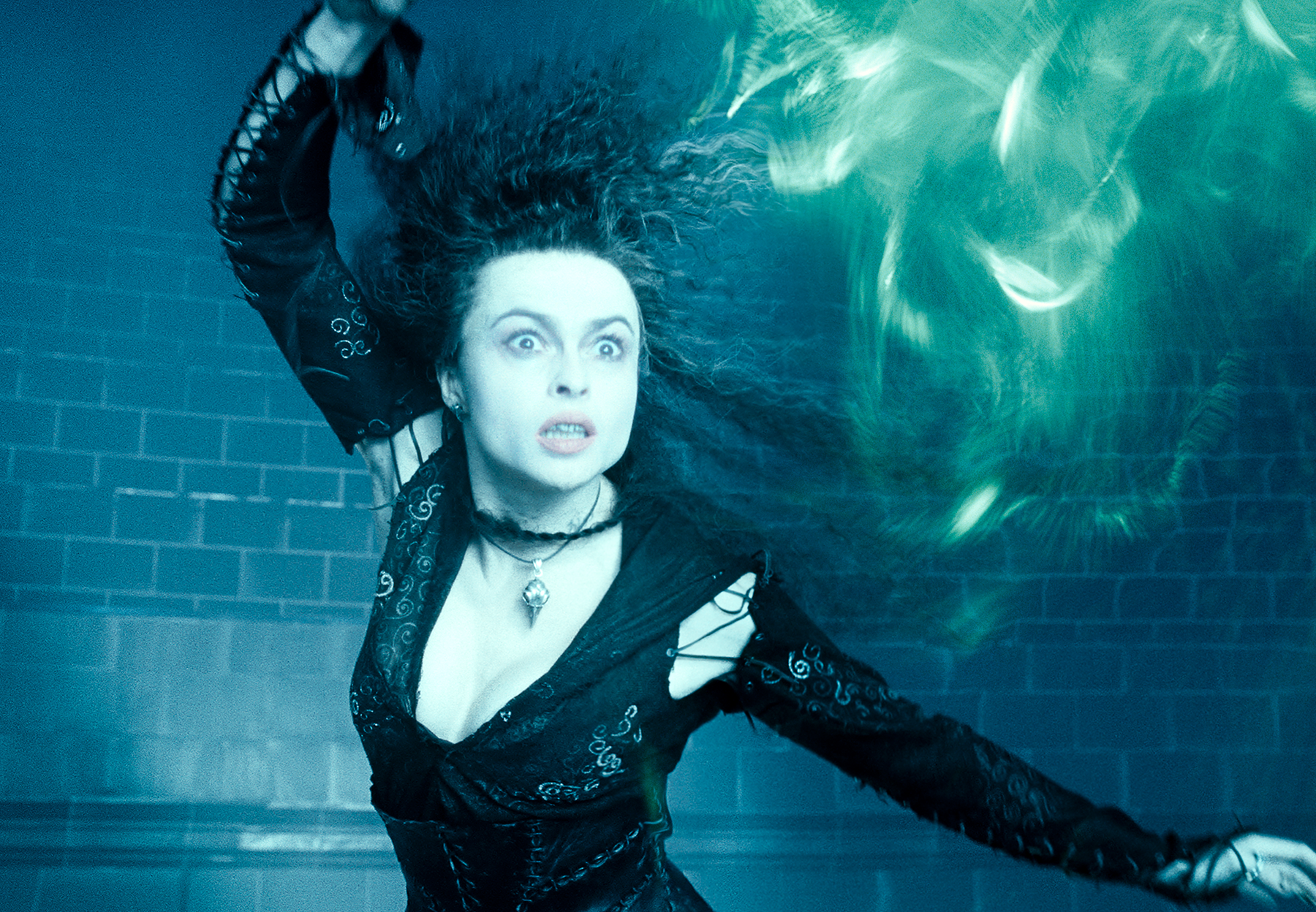
Lord Voldemort’s obsession with immortality and his insatiable thirst for power are directly linked to his mastery and frequent deployment of the Killing Curse. He famously used it to murder countless individuals, including the Potters, and to eliminate any perceived threat to his dominion. His proficiency with Avada Kedavra is a testament to his deep understanding of dark magic and his utter lack of empathy, allowing him to wield such a devastating curse with chilling efficiency. The very act of casting the Killing Curse, for Voldemort and other dark wizards, becomes a declaration of their dominance and their willingness to extinguish life without remorse.
The Unseen Scar: The Price of Survival
The most significant historical instance of survival from the Killing Curse is that of Harry Potter. When Voldemort attempted to murder the infant Harry, Lily Potter’s sacrifice created a powerful protective enchantment. While Voldemort’s curse rebounded, destroying his physical form, Harry was left with a lightning-bolt shaped scar. This scar is not merely a physical memento; it is a constant reminder of the curse’s power, Harry’s survival, and the dark magic that continues to connect him to Voldemort. The scar has, at times, acted as a conduit for Voldemort’s emotions and thoughts, further illustrating the profound and lingering effects of surviving such a potent curse.
Historical Prohibitions and the Statute of Secrecy
The Ministry of Magic’s strict prohibition of the Killing Curse, alongside the other Unforgivable Curses, is a critical element in maintaining order and preventing widespread chaos within the wizarding community. Their classification and severe penalties serve as a deterrent, reinforcing the societal values that prioritize life and free will. The Statute of Secrecy, which mandates the concealment of magic from the non-magical world, also indirectly contributes to the mystique and fear surrounding these forbidden curses, as their existence and power remain largely unknown to Muggles.
The Moral and Ethical Dimensions of Avada Kedavra
The Killing Curse is not just a plot device; it serves as a powerful catalyst for exploring complex moral and ethical dilemmas throughout the Harry Potter series. Its very existence forces characters and readers alike to confront the nature of life, death, and the choices that define good and evil.
Intent versus Outcome: The Caster’s Mindset
A crucial distinction regarding the Killing Curse is the intent of the caster. The Ministry of Magic’s laws and the understanding within the wizarding community emphasize that the intention to kill is what makes the curse Unforgivable. This is illustrated by the fact that accidental deaths caused by spells are not treated with the same severity. However, the line between accidental and intentional can be blurred, particularly in moments of extreme duress or passion. For instance, when characters like Harry are faced with life-or-death situations, the temptation to employ such a powerful, albeit forbidden, spell is ever-present. The series often questions whether the outcome of a spell dictates its morality, or if the underlying motive is the ultimate determinant.
The Cost of Using Dark Magic: Corruption and Degradation
The act of casting the Killing Curse, and indeed any dark magic, is depicted as having a corrupting influence on the wizard. Lord Voldemort’s fragmented soul, split through the creation of Horcruxes, is a prime example of the ultimate degradation that can result from embracing dark magic. While the Killing Curse itself doesn’t physically disfigure the caster, the mindset required to wield it – one devoid of empathy and respect for life – inevitably leads to spiritual and moral decay. Wizards who regularly employ such curses become desensitized to suffering and increasingly isolated, their humanity eroding with each act of violence.
The Defense Against the Dark Arts: A Moral Imperative
The curriculum dedicated to Defense Against the Dark Arts is not merely about learning offensive and defensive spells. It is also a critical component in teaching young witches and wizards about the ethical boundaries of magic and the importance of using their abilities responsibly. The study of curses like Avada Kedavra, even from a defensive perspective, serves as a stark reminder of the dark paths that can be taken and the devastating consequences of succumbing to malevolence. The lessons learned in this subject are as much about character development and moral fortitude as they are about magical prowess.
The Cultural Impact of the Killing Spell
The Killing Spell, Avada Kedavra, has transcended its fictional origins to become a globally recognized symbol of lethal magic. Its influence can be seen in popular culture, discussions about ethics, and even in the way we perceive power and consequence.
A Lexicon of Evil: Avada Kedavra in Pop Culture
The incantation Avada Kedavra has become synonymous with deadly magic in the broader cultural landscape. It’s a phrase that instantly evokes the world of Harry Potter and the concept of an inescapable death curse. This has led to its adoption in various forms of media, parodies, and even as a shorthand for something powerfully destructive. The sheer memorability and dramatic impact of the spell have ensured its lasting presence in popular consciousness, making it one of the most iconic magical incantations ever conceived.
Symbolism of Finality and Forbidden Knowledge
Beyond its direct application within the Harry Potter narrative, the Killing Spell symbolizes the ultimate forbidden knowledge and the terrifying finality of death. It represents the boundaries that societies, both magical and non-magical, establish to protect life and maintain order. The allure and terror associated with such a powerful, destructive force speak to universal human anxieties about mortality and the potential for destruction. The very act of contemplating its power forces a reflection on the value of life and the responsibilities that come with wielding influence.

The Enduring Debate: Magic, Morality, and Responsibility
The existence and implications of the Killing Spell continue to fuel discussions about the nature of magic, morality, and responsibility. In fictional contexts, it serves as a benchmark for evil, prompting ethical considerations about the use of power. In real-world discussions, it can be used as a metaphorical tool to explore the potential dangers of unchecked technological advancement or the consequences of actions that inflict irreparable harm. The Harry Potter universe, through the lens of Avada Kedavra, provides a rich tapestry for exploring these timeless questions.
aViewFromTheCave is a participant in the Amazon Services LLC Associates Program, an affiliate advertising program designed to provide a means for sites to earn advertising fees by advertising and linking to Amazon.com. Amazon, the Amazon logo, AmazonSupply, and the AmazonSupply logo are trademarks of Amazon.com, Inc. or its affiliates. As an Amazon Associate we earn affiliate commissions from qualifying purchases.