
Navigating the labyrinthine world of taxes can often feel like a formidable challenge for individuals and businesses alike. From deciphering complex forms to understanding audit notices or simply inquiring about a refund, there comes a point when direct communication with the Internal Revenue Service (IRS) becomes essential. While the digital age offers a plethora of online resources, there are situations that necessitate a human touch—a direct conversation with an IRS representative. Understanding how and when to contact the IRS, particularly knowing the correct customer service numbers, is a critical piece of financial literacy that can save taxpayers significant time, stress, and potential penalties.
The IRS, as the federal agency responsible for tax collection and tax law enforcement, manages an immense volume of inquiries annually. Consequently, they operate a structured system of communication channels, with various phone numbers dedicated to different types of questions and taxpayer categories. This guide aims to demystify the process, providing a comprehensive overview of how to effectively reach the IRS, what information you’ll need, and how to prepare for a productive interaction, all within the context of managing your personal and business finances.
The Primary Channels for IRS Assistance
When seeking direct assistance from the IRS, identifying the correct phone number for your specific situation is the first crucial step. The IRS provides several dedicated lines to streamline inquiries and ensure callers reach the appropriate department.
General Tax Inquiries and Individual Taxpayers
For most individual taxpayers with questions related to their personal income tax returns, refunds, payments, or general account information, the primary IRS customer service number is the starting point. This line handles a broad spectrum of issues, from understanding notices to discussing payment options.
The main number for individual taxpayers is typically 1-800-829-1040. This line is operational during specific hours, usually Monday through Friday, 7 a.m. to 7 p.m. local time (with slight variations for Alaska and Hawaii). Call volumes can be extremely high, especially during peak tax season (January to April) and around major tax deadlines. Therefore, it’s advisable to call during off-peak hours, such as early morning or late afternoon, and potentially mid-week, to minimize wait times. When you call, be prepared to navigate an automated system that will attempt to route your call to the correct department or provide self-service options before connecting you to a live agent. Patience is a virtue here, as financial matters often require detailed discussion.
Business and Specialty Tax Questions
Businesses, regardless of their size or structure, often have more complex tax obligations than individual taxpayers. These can range from employment taxes and excise taxes to specific questions about Employer Identification Numbers (EINs) or corporate tax filings. To cater to these specialized needs, the IRS maintains separate contact lines.
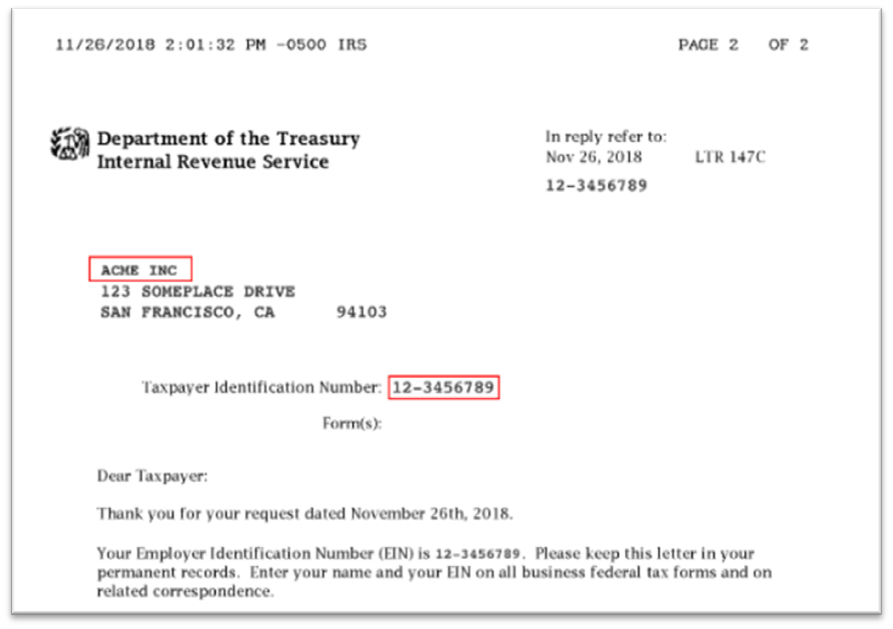
For businesses with questions related to their EIN, employment taxes, or other business-specific tax matters, the dedicated line is 1-800-829-4933. This service is designed to assist small businesses, corporations, partnerships, and other entities in understanding and complying with their unique tax responsibilities. Similarly, certain specialty taxes, such as excise taxes, may have their own distinct contact information, which can usually be found on the relevant IRS forms or publications. For example, questions about excise taxes might be directed to 1-866-699-4096. Utilizing these specific lines ensures that businesses receive guidance from agents who are well-versed in the intricacies of business finance and tax law, helping them maintain financial compliance and avoid costly errors.
Tax Professionals
Tax professionals, including accountants, enrolled agents, and tax attorneys, often need to communicate with the IRS on behalf of their clients. Recognizing the unique role these professionals play in the tax system, the IRS provides a dedicated support line for them.
The Tax Practitioner Priority Service (TPPS) line, typically 1-800-829-0922, is reserved for authorized tax professionals who are assisting clients with tax matters. To use this service, professionals usually need to have a valid power of attorney (Form 2848, Power of Attorney and Declaration of Representative) or a tax information authorization (Form 8821, Tax Information Authorization) on file with the IRS, granting them permission to discuss their client’s confidential financial information. This dedicated line aims to expedite the resolution of complex issues, allowing professionals to efficiently advocate for their clients and navigate intricate financial scenarios. It underscores the IRS’s understanding that professional guidance is often critical for sound financial management.
Beyond the Main Phone Line: Specialized IRS Contact Options
While direct phone contact is often necessary, the IRS offers a robust ecosystem of resources and alternative channels designed to address various taxpayer needs, many of which can resolve issues more quickly than a phone call.
Automated Self-Service Options
The IRS has significantly invested in digital platforms to empower taxpayers to find information and manage their tax accounts independently. The official IRS website, IRS.gov, is a comprehensive portal for a vast array of automated self-service tools that can help with financial planning and compliance.
Key tools include:
- “Where’s My Refund?” tool: This popular online tool allows individuals to track the status of their federal tax refund within 24 hours of e-filing (or 4 weeks after mailing a paper return). It provides insights into the processing stage of their financial reimbursement.
- “Get Transcript” tool: Taxpayers can securely access various tax transcripts online or request them by mail. Transcripts provide a summary of a tax return, wage and income information, and account data, often required for loan applications, financial aid, or resolving discrepancies.
- IRS Direct Pay: This service allows individuals and businesses to pay their federal taxes directly from their checking or savings account without any fees.
- Online Payment Agreement application: For those unable to pay their tax bill in full, this tool allows eligible taxpayers to set up short-term payment plans or long-term installment agreements, directly impacting their financial outflow.
- FAQs, Forms, and Publications: The website hosts an extensive library of frequently asked questions, downloadable tax forms, and detailed publications that explain tax laws and procedures, offering invaluable financial guidance. Utilizing these resources can often provide immediate answers and prevent the need for a phone call.
Taxpayer Advocate Service (TAS)
For taxpayers facing significant financial hardship or systemic issues that cannot be resolved through normal IRS channels, the Taxpayer Advocate Service (TAS) serves as an independent advocate within the IRS.
TAS is designed to protect taxpayer rights and help resolve complex problems that are causing financial difficulties. You should consider contacting TAS if:
- You are experiencing financial hardship due to an IRS action.
- You have tried to resolve your tax issue through the normal IRS processes and have been unsuccessful.
- You believe an IRS procedure or system is not working as it should.
TAS has local offices in every state, and their services are free. They can act as a liaison between the taxpayer and the IRS, helping to cut through bureaucratic red tape. The national TAS hotline is 1-877-777-4778. This service is crucial for individuals and businesses whose financial stability is threatened by unresolved tax issues, offering a vital safety net.
International Taxpayers and Tax Exempt Organizations
The IRS also provides specific avenues for taxpayers with unique circumstances, such as those residing outside the United States or organizations operating under tax-exempt status.
- International Taxpayers: Non-U.S. residents and U.S. citizens living abroad often have distinct tax obligations and questions. The IRS has a dedicated international services line, usually +1-267-941-1000 (not toll-free), to address these specialized financial situations.
- Tax Exempt Organizations and Government Entities (TE/GE): Organizations that hold tax-exempt status (e.g., charities, religious organizations) or government entities have specific compliance requirements. The TE/GE customer service number, often 1-877-829-5500, provides guidance on maintaining tax-exempt status, reporting requirements, and other related financial matters. Using these specialized lines ensures that complex, niche financial queries are handled by knowledgeable agents.
Preparing for Your Call: Maximizing Efficiency
Engaging with the IRS, especially over the phone, requires preparation to ensure a productive conversation. Having all necessary documentation and information at hand can significantly shorten call times and lead to a quicker resolution of your financial issue.
Essential Information to Have Ready
Before dialing any IRS number, gather the following critical information:
- Social Security Number (SSN) or Employer Identification Number (EIN): This is paramount for the IRS to identify your account.
- Date of Birth: For individual taxpayers.
- Full Name and Address: As it appears on your most recent tax return.
- Previous Tax Returns: Copies of the relevant tax returns (e.g., the year in question, prior year for comparison).
- IRS Notices or Letters: Any correspondence you’ve received from the IRS, as these often contain critical reference numbers.
- Payment Records: If your inquiry relates to payments made or owed.
- Clear Description of Your Question/Issue: Be specific. For instance, instead of “My refund is late,” state “I filed my 2023 Form 1040 on April 10th, and the ‘Where’s My Refund?’ tool shows it’s still being processed.”
This financial data allows the IRS representative to quickly access your account and understand the context of your inquiry, leading to more efficient assistance.
Understanding IRS Communication Protocols
When you connect with an IRS representative, they will follow strict protocols to verify your identity before discussing any confidential financial information. This is a crucial security measure designed to protect taxpayer data from fraud.
- Verification Process: Be prepared to answer several security questions based on your tax history or personal information. These might include your filing status from a previous year, the amount of a specific line item from a recent return, or your date of birth.
- Note-Taking: It is highly advisable to take detailed notes during your call. Record the date and time of the call, the name and badge number of the representative you spoke with, the advice they provided, and any actions you agreed to take or that the IRS will initiate. This record can be invaluable for future reference, especially if there are discrepancies or if you need to follow up on the issue.
- Follow-Up Actions: Confirm any next steps, such as sending additional documentation, expecting further communication, or deadlines for action. Understanding these ensures you remain financially compliant and proactive.
Common Reasons for Contacting the IRS
While the reasons for contacting the IRS are diverse, several common scenarios frequently prompt taxpayers to seek direct assistance, each requiring specific financial understanding and resolution strategies.
Resolving Notices and Letters
Receiving a letter from the IRS can be unsettling for many. Common notices include requests for additional information, notification of changes to a tax return, or proposed adjustments to tax liability.
- CP2000 (Underreporter Inquiry): This notice indicates a discrepancy between income reported on your tax return and income reported by third parties (e.g., employers, banks). It’s crucial to compare the IRS’s information with your own records and respond accordingly, potentially involving adjustments to your financial statements.
- CP14 (Balance Due): This notice informs you that you owe additional taxes. It outlines the amount due and the payment deadline.
- Audit Notices: While less common for most individuals, these letters inform taxpayers that their return has been selected for examination.
Understanding the specific notice and its financial implications is key. If you don’t understand the notice or disagree with it, calling the number provided on the letter or the general inquiry line is essential for clarification and to prevent further financial complications.
Payment Issues and Payment Plans
Many taxpayers find themselves in situations where they are unable to pay their full tax liability by the deadline. The IRS offers several programs to help individuals and businesses manage their tax debt, mitigating potential financial distress.
- Installment Agreements: This allows taxpayers to make monthly payments for up to 72 months. Setting up an installment agreement helps avoid further penalties for failure to pay.
- Offer in Compromise (OIC): An OIC allows certain taxpayers to resolve their tax liability with the IRS for a lower amount than what they originally owe. This is typically an option when taxpayers are experiencing severe financial difficulty and paying the full amount would cause significant hardship.
- Currently Not Collectible (CNC) Status: In extreme cases of financial hardship, the IRS may determine that a taxpayer is currently unable to pay their tax debt. While interest and penalties may still accrue, the IRS will temporarily stop collection efforts.
Discussing these options with an IRS representative can provide a pathway to financial relief and prevent liens, levies, or other enforcement actions that could severely impact one’s financial standing.
Refund Status Inquiries
While the “Where’s My Refund?” tool is highly effective, there are instances when a phone call is necessary, particularly if the tool indicates a delay or a complex issue.
- If your refund is delayed beyond the typical processing timeframe (usually 21 days for e-filed returns), or if the online tool suggests contacting the IRS, a call to 1-800-829-1954 (the Refund Hotline) can provide more specific information.
- Delays can be caused by various factors, including errors on the return, identity theft concerns, or manual review processes, all of which have direct financial consequences for the taxpayer.
Tips for a Smoother IRS Experience (and Avoiding Scams)
Effectively dealing with the IRS involves not just knowing who to call but also adopting best practices and remaining vigilant against common financial scams.
Best Practices for Contacting the IRS
- Be Patient and Persistent: High call volumes mean wait times can be extensive. Schedule your call when you have ample time, and be prepared to hold.
- Be Clear and Concise: Clearly articulate your question or problem. The more precise you are, the faster the representative can assist you.
- Be Respectful: While frustrating, maintaining a polite and professional demeanor can lead to a more cooperative interaction.
- Document Everything: As mentioned, keep meticulous records of all communications, including dates, times, representative names, and advice given. This provides a crucial financial paper trail.
- Utilize the Correct Channel: Don’t hesitate to use the various IRS resources (website, publications, specific phone lines) to ensure your inquiry is routed efficiently.

Protecting Yourself from IRS Scams
Unfortunately, the IRS is a frequent target for scammers attempting to defraud taxpayers. Protecting your financial information is paramount.
- Initial Contact is Usually by Mail: The IRS typically initiates contact with taxpayers via postal mail, not by phone, email, or social media.
- No Demands for Immediate Payment: The IRS will never demand immediate payment through specific methods like gift cards, wire transfers, or cryptocurrency. They will also not threaten immediate arrest or deportation for unpaid taxes.
- Verify Identity: If you receive a suspicious call claiming to be from the IRS, hang up and call the official IRS numbers (or the Taxpayer Advocate Service) to verify the legitimacy of the contact.
- Report Scams: Report any suspicious IRS-related calls or emails to the Treasury Inspector General for Tax Administration (TIGTA) at 1-800-366-4484 or through their website. This helps protect not only your finances but also those of other unsuspecting individuals.
Navigating the complexities of federal taxation requires diligence, accurate information, and the ability to effectively communicate with the IRS when necessary. By understanding the various customer service numbers, leveraging online resources, and preparing thoroughly for any interaction, taxpayers can manage their financial obligations with greater confidence and efficiency. Remember that the IRS offers a multitude of channels and services designed to help you, and knowing how to access them is a key component of sound financial management.
aViewFromTheCave is a participant in the Amazon Services LLC Associates Program, an affiliate advertising program designed to provide a means for sites to earn advertising fees by advertising and linking to Amazon.com. Amazon, the Amazon logo, AmazonSupply, and the AmazonSupply logo are trademarks of Amazon.com, Inc. or its affiliates. As an Amazon Associate we earn affiliate commissions from qualifying purchases.