
The financial landscape is a constantly shifting panorama, and perhaps no single factor influences its contours more profoundly than interest rates. For individuals, families, businesses, and even governments, the prevailing interest rates dictate the cost of borrowing, the return on savings, and the overall rhythm of economic activity. Understanding “what are the interest rates today” is not merely an academic exercise; it’s a critical component of prudent financial planning, strategic investing, and even day-to-day spending decisions. This article delves into the multifaceted world of interest rates, exploring their fundamentals, their current state across various financial products, and their far-reaching implications for your financial well-being.
Understanding the Fundamentals of Interest Rates
Before examining the specifics of today’s rates, it’s essential to grasp the core concepts that define them. Interest rates are more than just numbers; they are powerful economic levers reflecting the supply and demand for money, the perceived risk of lending, and the overarching goals of monetary policy.
What Exactly is an Interest Rate?
At its simplest, an interest rate is the cost of borrowing money or the return on lending it. When you borrow from a bank, the interest rate is the percentage of the principal loan amount that you pay back to the lender over a specified period, in addition to the principal itself. Conversely, when you deposit money into a savings account or a Certificate of Deposit (CD), the interest rate represents the percentage return the bank pays you for using your money. This rate is typically expressed as an annual percentage. It reflects a combination of factors: the time value of money (a dollar today is worth more than a dollar tomorrow), the risk of default by the borrower, and inflation (the erosion of purchasing power over time).
The Role of Central Banks and Monetary Policy
The most significant driver of general interest rate trends in an economy is the central bank. In the United States, this is the Federal Reserve (the “Fed”). The Fed uses monetary policy tools, primarily adjusting the federal funds rate target, to influence short-term interest rates throughout the economy. When the Fed raises its target rate, commercial banks typically follow suit, leading to higher borrowing costs for consumers and businesses. Conversely, a cut in the target rate tends to lower borrowing costs, stimulating economic activity. The Fed’s decisions are based on its dual mandate: to achieve maximum employment and maintain stable prices (control inflation). Other central banks around the world, such as the European Central Bank (ECB) or the Bank of England (BOE), play similar roles in their respective economies.
Key Economic Indicators that Drive Rates
While central bank policy is paramount, it is itself a reaction to broader economic forces. Several key indicators constantly influence central bank decisions and market expectations for future interest rates:
- Inflation: If inflation is rising, central banks are more likely to raise rates to cool down the economy and prevent prices from spiraling out of control. Lenders also demand higher rates to compensate for the diminishing purchasing power of future repayments.
- Economic Growth: A strong economy, characterized by robust Gross Domestic Product (GDP) growth and low unemployment, often leads to higher demand for credit and, consequently, higher interest rates. Conversely, a weakening economy might prompt central banks to lower rates to stimulate borrowing and investment.
- Unemployment Rate: A low unemployment rate signals a strong labor market, which can contribute to wage growth and inflation, potentially leading to higher rates.
- Consumer Spending and Business Investment: Healthy consumer spending and business investment indicate economic confidence and demand for credit, often associated with higher rate environments.
- Geopolitical Events and Market Sentiment: Global events, political stability, and overall market sentiment can create uncertainty, influencing investor behavior and the perception of risk, which can, in turn, affect interest rates.
A Snapshot of Today’s Key Interest Rates
Interest rates are not monolithic; they vary significantly across different financial products and for different borrowers. While the federal funds rate sets a baseline, individual rates are tailored to the specific risk, term, and market conditions of each loan or deposit.
Mortgage Rates: Navigating Home Ownership
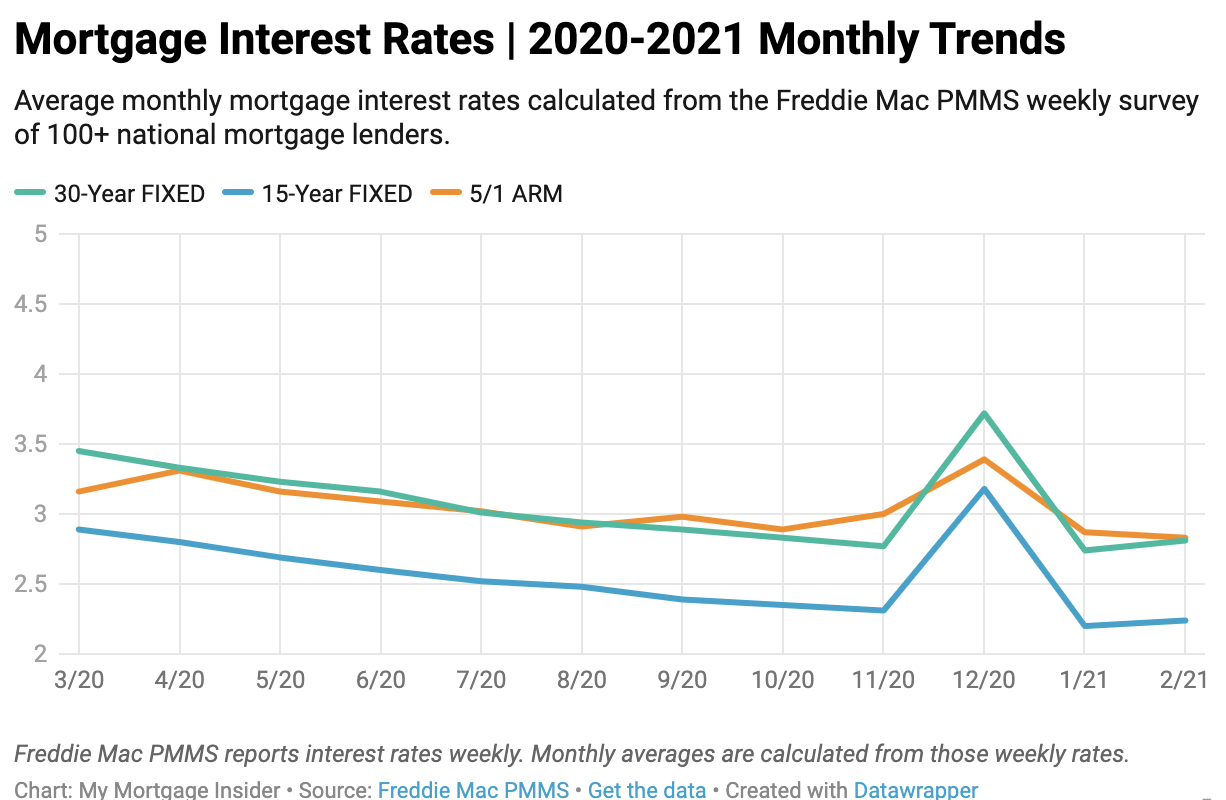
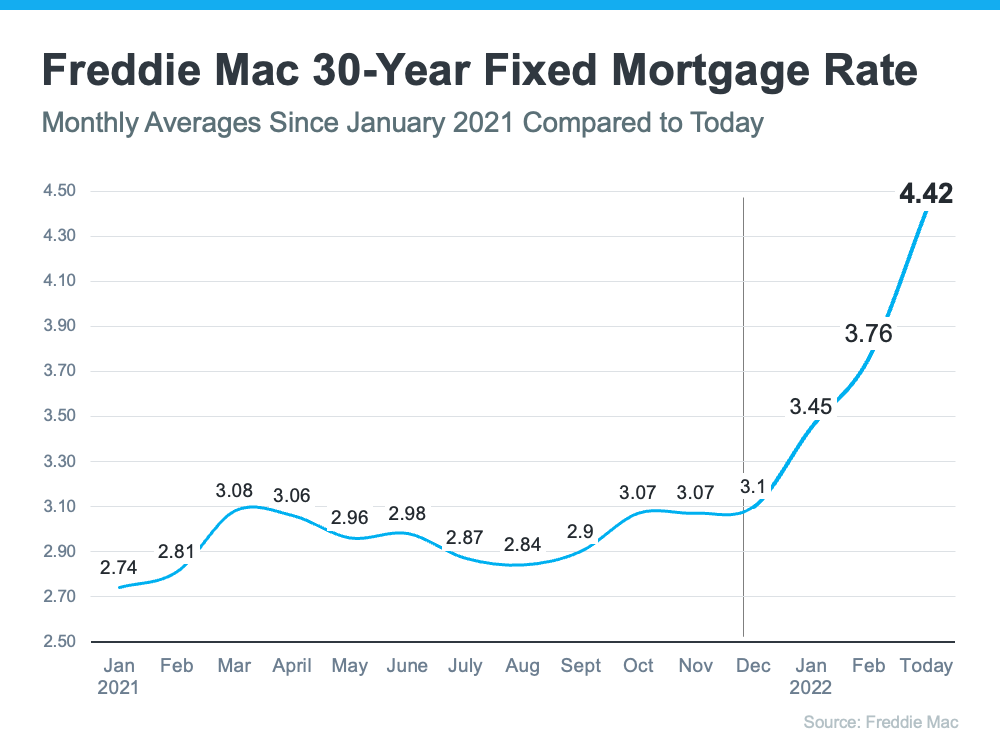
For most individuals, mortgage rates represent one of the largest and most impactful interest rate considerations. These rates determine the monthly payments and the total cost of buying a home. Mortgage rates are influenced by the federal funds rate, but also by long-term bond yields (particularly the 10-year Treasury yield), inflation expectations, and the overall housing market conditions. Today’s mortgage rates can fluctuate daily, and borrowers often choose between fixed-rate mortgages (where the interest rate remains constant for the life of the loan) and adjustable-rate mortgages (ARMs, where the rate can change periodically). High mortgage rates can significantly impact housing affordability, reducing demand and potentially cooling the real estate market.
Savings & CD Rates: Growing Your Deposits
On the other side of the coin, interest rates dictate the return you earn on your savings. Savings accounts, money market accounts, and Certificates of Deposit (CDs) offer varying interest rates. When central banks raise rates, savings rates generally increase, making it more attractive to hold cash. CDs typically offer higher rates than standard savings accounts because they require you to lock up your money for a specified term (e.g., 6 months, 1 year, 5 years). The longer the term, generally the higher the rate, as you’re committing your funds for a longer period. Today’s environment often sees competitive rates from online banks, which typically have lower overhead costs than traditional brick-and-mortar institutions.
Credit Card & Personal Loan Rates: The Cost of Borrowing
Credit card interest rates are notoriously higher than most other forms of borrowing, reflecting the unsecured nature of the debt (no collateral) and the convenience they offer. These rates are often variable and tied to a benchmark like the Prime Rate, which itself is closely linked to the federal funds rate. Personal loans, whether secured or unsecured, also carry interest rates that vary based on the borrower’s creditworthiness, the loan amount, and the repayment term. A strong credit score is crucial for securing the most favorable rates on both credit cards and personal loans, significantly reducing the cost of borrowing for everyday expenses or larger purchases.
Auto Loan Rates: Financing Your Vehicle
Financing a car often involves an auto loan, where the interest rate can significantly affect the total price you pay for the vehicle. Auto loan rates are influenced by the federal funds rate, the borrower’s credit score, the loan term, and whether the car is new or used. Shorter loan terms typically come with lower interest rates but higher monthly payments, while longer terms spread out payments but generally accrue more interest over time. A robust understanding of current auto loan rates is essential when negotiating a car purchase, as even a slight difference in the interest rate can save or cost thousands over the life of the loan.

The Far-Reaching Impact of Interest Rate Movements
Changes in interest rates ripple through every corner of the economy, affecting financial decisions, market valuations, and the broader economic outlook. Understanding these impacts is key to adapting your financial strategy.
Impact on Borrowers: Mortgages, Loans, and Debt
For borrowers, rising interest rates mean higher costs. Homebuyers face larger mortgage payments, making homeownership less affordable. Existing homeowners with adjustable-rate mortgages will see their payments increase. Businesses looking to expand or manage operations will find the cost of capital higher, potentially slowing investment. Conversely, falling rates reduce borrowing costs, encouraging consumers to take out loans for homes, cars, and personal needs, and incentivaging businesses to invest and grow. For those with existing variable-rate debt, lower rates can provide significant relief in monthly payments.
Impact on Savers: Returns on Deposits
Savers generally benefit from rising interest rates. As banks can earn more on their lending activities, they offer higher interest rates on savings accounts, money market accounts, and CDs. This makes saving more attractive and provides a greater return on idle cash. However, if inflation is also high, the real return on savings (after accounting for inflation) might still be low or even negative. When rates fall, savers earn less on their deposits, potentially encouraging them to seek higher returns in riskier investments or to spend more.
Impact on Investors: Stocks, Bonds, and Real Estate
The investment world is highly sensitive to interest rate changes.
- Bonds: Bond prices typically move inversely to interest rates. When rates rise, newly issued bonds offer higher yields, making existing bonds with lower yields less attractive, thus pushing their prices down. For bond investors, rising rates mean potential capital losses on existing holdings, but higher yields on new investments.
- Stocks: Higher interest rates can be a mixed bag for stocks. While they can signal a strong economy, they also increase borrowing costs for companies, which can reduce profits. Higher rates also make bonds more attractive relative to stocks, as a “risk-free” alternative, potentially drawing money out of the stock market.
- Real Estate: Beyond direct mortgage costs, higher interest rates can cool the real estate market by reducing affordability and demand. This can lead to slower price appreciation or even price declines.
- Currencies: Higher interest rates can attract foreign investment, strengthening a country’s currency as investors seek higher returns.
Impact on the Broader Economy
Interest rates are a primary tool for managing the overall health of an economy.
- Stimulation: Lower interest rates stimulate economic growth by making it cheaper for businesses to borrow and invest, and for consumers to spend.
- Contraction: Higher interest rates aim to cool an overheating economy, curb inflation, and prevent asset bubbles by making borrowing more expensive and encouraging saving.
- Inflation Control: This is a crucial function. By raising rates, central banks make money more expensive, reducing aggregate demand and thereby putting downward pressure on prices.
Strategies for Navigating a Dynamic Interest Rate Environment
Given the constant flux of interest rates, adopting proactive financial strategies is crucial. Tailoring your approach to current and anticipated rate movements can optimize your borrowing costs, maximize your savings, and strengthen your investment portfolio.
For Borrowers: Refinancing and Debt Management
In a falling rate environment, borrowers with existing high-interest loans (especially mortgages or personal loans) should consider refinancing to secure a lower rate, thereby reducing monthly payments and total interest paid over the life of the loan. If rates are rising or expected to rise, consider locking in fixed rates on new loans to avoid future payment increases. Prioritizing high-interest debt, such as credit card balances, becomes even more critical in a rising rate environment, as the cost of carrying that debt escalates quickly. Exploring debt consolidation options with lower fixed rates can also be beneficial.
For Savers: Maximizing Returns
When interest rates are on an upward trend, it’s an excellent time for savers. Seek out high-yield savings accounts, money market accounts, and Certificates of Deposit (CDs). Online banks often offer more competitive rates. While locking in a CD for a longer term can offer a higher rate, consider a “CD ladder” strategy in a rising rate environment: invest in CDs with staggered maturity dates to take advantage of potentially higher rates as older CDs mature. If rates are falling, consider locking in a longer-term CD before rates drop further, or explore diversifying into other investment vehicles if appropriate for your risk tolerance.
For Investors: Portfolio Adjustments and Diversification
Investors need to be particularly nimble. In a rising rate environment, re-evaluate your bond holdings, as existing bonds may lose value. Consider shorter-duration bonds or inflation-protected securities. Growth stocks, which often rely on future earnings potential, can be more sensitive to higher interest rates (as future earnings are discounted more heavily), while value stocks or dividend-paying stocks might fare relatively better. Diversification across various asset classes (stocks, bonds, real estate, commodities) remains a cornerstone of prudent investing, helping to mitigate risks associated with specific rate movements. Consulting a financial advisor can help tailor an investment strategy that aligns with your financial goals and risk tolerance in any rate environment.
Staying Informed and Planning Ahead
The most fundamental strategy for navigating interest rate fluctuations is continuous education and proactive planning. Regularly monitor economic news, central bank announcements, and forecasts from reputable financial institutions. Understand how these developments could impact the various aspects of your personal finances. Develop a comprehensive financial plan that accounts for different interest rate scenarios, whether you’re saving for retirement, planning a major purchase, or managing existing debt. Building an emergency fund, maintaining a good credit score, and living within your means provide a strong foundation to weather any economic shifts, including changes in interest rates.
Conclusion: Making Informed Financial Decisions
Interest rates are an indispensable compass in the journey of financial management. From the monthly payments on your home to the returns on your retirement savings, their pervasive influence touches nearly every financial decision you make. While “what are the interest rates today” provides a snapshot, the more profound understanding comes from grasping the underlying forces that shape these rates and anticipating their potential movements. By staying informed, adapting your financial strategies, and planning proactively, you can harness the power of interest rates to your advantage, optimizing your financial outcomes and building a more secure economic future.
aViewFromTheCave is a participant in the Amazon Services LLC Associates Program, an affiliate advertising program designed to provide a means for sites to earn advertising fees by advertising and linking to Amazon.com. Amazon, the Amazon logo, AmazonSupply, and the AmazonSupply logo are trademarks of Amazon.com, Inc. or its affiliates. As an Amazon Associate we earn affiliate commissions from qualifying purchases.