
The question of what mortgage interest rates are today is more than a simple inquiry into a percentage; it is a fundamental assessment of the current economic climate and its direct impact on personal wealth. For the modern homebuyer or homeowner looking to refinance, the interest rate is the single most significant factor in determining the long-term cost of a property. In a landscape defined by fluctuating inflation, shifting Federal Reserve policies, and global economic uncertainty, understanding the mechanics of these rates is essential for making informed financial decisions.
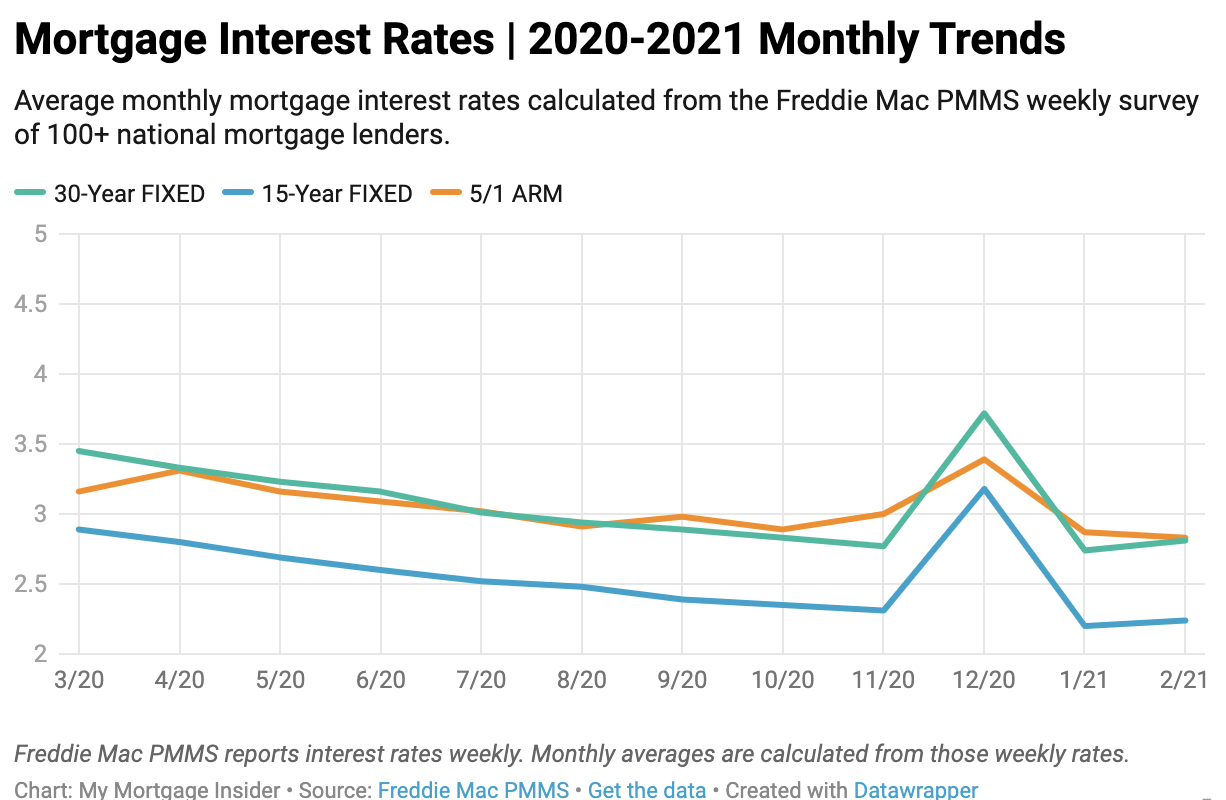
Currently, mortgage rates have exited the historical lows of the early 2020s and have entered a period of relative volatility. While rates fluctuate daily based on bond market activity and economic indicators, the broader trend is one of stabilization following a rapid ascent. Navigating this environment requires a deep dive into the macroeconomic forces at play and the individual financial metrics that lenders use to price risk.
The Macroeconomic Drivers of Today’s Mortgage Rates
To understand why mortgage rates sit where they are today, one must look toward the broader financial markets rather than the local bank branch. Mortgage rates are not set by the government, but they are heavily influenced by government policy and investor sentiment.
The Influence of the Federal Reserve and Inflation
While the Federal Reserve does not directly set mortgage rates, its control over the federal funds rate creates a “ripple effect” throughout the economy. When inflation rises, the Fed typically raises interest rates to cool spending. This increases the cost of borrowing for banks, which is then passed on to consumers in the form of higher mortgage rates. Conversely, when inflation shows signs of cooling, the market anticipates a pause or a cut in Fed rates, often leading to a dip in mortgage yields. Today’s rates are a direct reflection of the ongoing battle against inflation and the market’s expectation of future Federal Reserve movements.
The 10-Year Treasury Yield Correlation
There is a long-standing historical correlation between the 10-year Treasury note yield and the 30-year fixed-rate mortgage. Investors often view mortgage-backed securities (MBS) as a slightly riskier alternative to government bonds. When the yield on the 10-year Treasury rises, mortgage rates almost always follow. Monitoring the “spread”—the difference between the 10-year Treasury yield and mortgage rates—is a key strategy for financial analysts. Currently, this spread is wider than historical averages, reflecting increased market volatility and a higher risk premium demanded by investors.
Global Economic Stability and Investor Demand
Mortgage-backed securities are traded on the global market. In times of international geopolitical instability, investors often flock to the safety of U.S. assets, which can drive bond prices up and yields (and mortgage rates) down. However, in a strong economy where investors are seeking higher returns in the stock market, mortgage rates may face upward pressure as demand for fixed-income assets softens.
Key Factors That Determine Your Personal Interest Rate
While “market rates” provide a baseline, the specific rate offered to an individual is highly personalized. Lenders use a process called risk-based pricing to determine the likelihood of a borrower defaulting on their loan. Several core pillars define this pricing.
The Weight of the Credit Score
Your FICO score is perhaps the most influential factor in the rate you receive. A borrower with a score above 760 is viewed as low-risk and will likely receive the “prime” rate. However, as scores dip into the 600s, lenders add “loan-level price adjustments” (LLPAs). These are essentially surcharges that translate into a higher interest rate. Over the life of a 30-year loan, the difference between a 6.5% rate and a 7.5% rate can amount to over $100,000 in interest on a standard home loan.
Loan-to-Value (LTV) and Down Payments
The amount of equity you put into a home significantly impacts the lender’s risk. A 20% down payment (resulting in an 80% LTV) is the industry standard for securing competitive rates. If a borrower puts down less than 20%, they are often required to pay Private Mortgage Insurance (PMI), and they may be hit with a higher interest rate because the lender has more capital at risk in the event of a foreclosure.
Debt-to-Income (DTI) Ratio
Lenders analyze your DTI to ensure you have the cash flow to support a mortgage payment alongside existing obligations like car loans, student debt, and credit card balances. A high DTI suggests financial strain, which might lead a lender to increase the interest rate to compensate for the perceived risk of default. Generally, a DTI of 36% or lower is preferred, though some programs allow for higher ratios at the cost of less favorable terms.
Comparing Different Mortgage Products and Their Rates

“Today’s rate” varies significantly depending on the type of loan product selected. Choosing the right structure is a balance between short-term affordability and long-term financial security.
30-Year vs. 15-Year Fixed-Rate Mortgages
The 30-year fixed-rate mortgage remains the gold standard for American homeowners because it offers the lowest monthly payment and the stability of a rate that never changes. However, the 15-year fixed-rate mortgage almost always carries a lower interest rate—often 0.50% to 1.00% lower than its 30-year counterpart. While the monthly payments are significantly higher, the total interest paid over the life of the loan is drastically reduced, making it a powerful tool for wealth building.
Adjustable-Rate Mortgages (ARMs)
In a high-rate environment, ARMs often become more popular. These loans typically offer a lower “teaser” rate for an initial period (such as 5, 7, or 10 years). After this period, the rate adjusts annually based on market indices. ARMs can be a savvy financial move for individuals who plan to sell the home or refinance before the initial period ends. However, they carry the inherent risk of future rate hikes, which can lead to payment shock.
Government-Backed Loans (FHA, VA, and USDA)
For those who may not qualify for conventional financing, government-backed loans offer an alternative. FHA loans, for instance, often have lower interest rates than conventional loans for borrowers with lower credit scores. However, they come with mandatory mortgage insurance premiums that can offset the savings from the lower rate. VA loans for veterans often provide the most competitive rates in the market with no down payment requirement, representing a significant financial benefit for those who have served.
Strategies to Secure a Lower Mortgage Rate
Securing the best possible rate requires more than just good timing; it requires a proactive approach to financial management and negotiation.
The Importance of Rate Shopping
Mortgage rates can vary significantly from one lender to another. Research from the Consumer Financial Protection Bureau (CFPB) suggests that borrowers who get at least three quotes can save thousands of dollars over the life of their loan. Online lenders, credit unions, and traditional banks all have different overhead costs and risk appetites, which results in varying rate offers for the same borrower.
Buying Down the Rate with Points
“Discount points” are fees paid directly to the lender at closing in exchange for a lower interest rate. One point typically costs 1% of the total loan amount and reduces the interest rate by approximately 0.25%. This is a “break-even” calculation: if you plan to stay in the home long enough for the monthly savings to exceed the upfront cost of the points, it is a sound investment.
Locking in Your Rate
Because rates change daily, a quote you receive on Monday might be gone by Friday. A rate lock is a guarantee from the lender to honor a specific interest rate for a set period (usually 30 to 60 days) while your loan is being processed. In a volatile market, locking in a rate as soon as you find an acceptable one is a critical step in protecting your budget.
The Long-Term Financial Impact of Interest Rate Fluctuations
The interest rate on a mortgage does more than dictate a monthly payment; it dictates the velocity at which you build equity and your overall financial flexibility.
Amortization and Interest Costs
In the early years of a mortgage, the vast majority of the monthly payment goes toward interest rather than the principal balance. When rates are high, this “interest-heavy” period is extended. Understanding your amortization schedule is vital for personal finance planning. For instance, making even one extra principal payment per year can dramatically reduce the total interest paid and shorten the loan term, effectively countering the impact of a higher initial interest rate.
The Opportunity for Future Refinancing
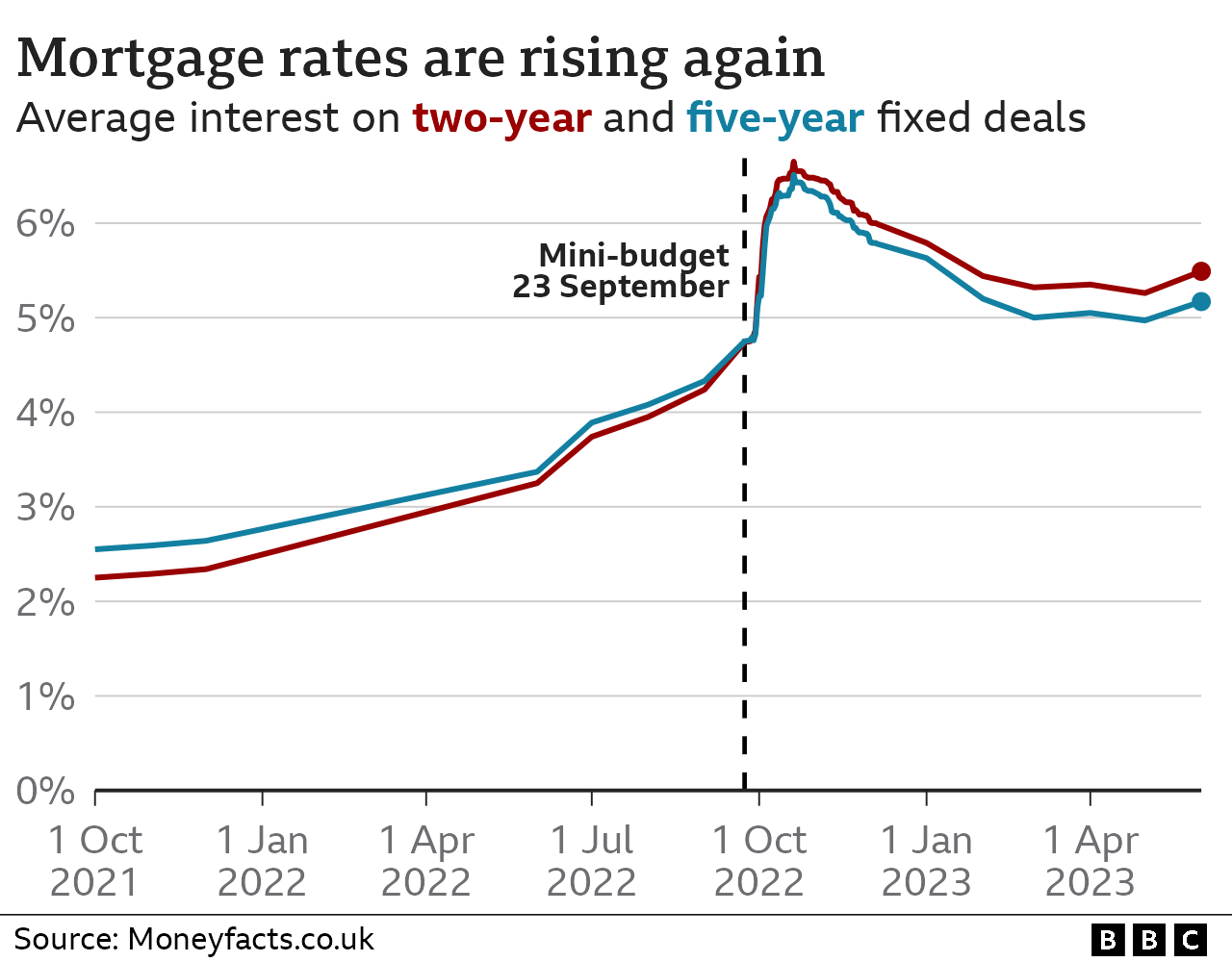
Many financial advisors suggest the “marry the house, date the rate” philosophy. This implies that if you find the right property in a high-rate environment, you should proceed with the purchase and look for opportunities to refinance later. When market rates drop by 1% or more, refinancing can lower monthly payments and free up capital for other investments. However, one must always account for the closing costs associated with a refinance to ensure the move makes financial sense.
Real Estate as a Hedge Against Inflation
Despite the cost of borrowing, real estate remains a premier asset class for long-term wealth. Fixed-rate mortgages allow homeowners to lock in their housing costs while inflation erodes the real value of the debt they owe. As the cost of living increases, the relative burden of a fixed mortgage payment decreases, while the value of the property typically appreciates. This dynamic makes the pursuit of a favorable mortgage rate a cornerstone of a robust personal finance strategy.
In conclusion, “what the interest rates are today” is a snapshot of a complex, moving target. By understanding the macroeconomic forces at play, optimizing personal financial health, and choosing the right loan products, borrowers can navigate the current market with confidence. Whether rates are at historic lows or relative highs, the goal remains the same: securing a financing structure that supports long-term stability and wealth accumulation.
aViewFromTheCave is a participant in the Amazon Services LLC Associates Program, an affiliate advertising program designed to provide a means for sites to earn advertising fees by advertising and linking to Amazon.com. Amazon, the Amazon logo, AmazonSupply, and the AmazonSupply logo are trademarks of Amazon.com, Inc. or its affiliates. As an Amazon Associate we earn affiliate commissions from qualifying purchases.