
In the world of finance, few metrics hold as much gravity as the interest rate. It is the “price of money,” the fundamental lever that central banks pull to control inflation, and the invisible hand that determines the cost of your mortgage, the growth of your savings account, and the health of the global economy. When consumers ask, “What is the interest rate today?” they are rarely looking for a single number. Instead, they are seeking to understand how the current borrowing and lending environment affects their personal wealth, business viability, and long-term financial security.
Today’s interest rate environment is characterized by a transition from the “easy money” era of the 2010s to a more disciplined, high-rate landscape. To navigate this, one must look beyond the daily headlines and understand the mechanics of the market.
Understanding the Drivers Behind Today’s Interest Rates
The interest rates you see on a bank’s website or a news ticker are not arbitrary. They are the result of complex macroeconomic forces and deliberate policy decisions. Understanding these drivers is the first step toward making informed financial decisions.
The Role of the Federal Reserve and Central Banks
The primary architect of interest rates in the United States is the Federal Reserve (the Fed). Through the Federal Open Market Committee (FOMC), the Fed sets the “Federal Funds Rate”—the interest rate at which commercial banks lend to one another overnight. While this isn’t the rate you pay on a car loan, it serves as the benchmark for almost all other interest rates. When the Fed raises the benchmark rate, it becomes more expensive for banks to borrow money, a cost that is invariably passed down to consumers and businesses.
Inflation and the Consumer Price Index (CPI)
The Fed’s primary mandate is to maintain price stability, which usually means keeping inflation around 2%. When inflation spikes—driven by supply chain disruptions, increased consumer demand, or geopolitical instability—the Fed raises interest rates to “cool” the economy. Higher rates make borrowing more expensive, which reduces spending and slows down price increases. Conversely, in a stagnant economy, the Fed may lower rates to encourage spending and investment.
Economic Indicators and Market Sentiment
Beyond official policy, market participants influence rates through the trading of government bonds. The yield on the 10-year Treasury note is a particularly vital indicator, as it reflects the market’s long-term outlook on growth and inflation. If investors believe inflation will remain high, they demand higher yields, which in turn pushes up long-term interest rates for mortgages and corporate debt.
Different Types of Interest Rates and Why They Matter
When discussing today’s rates, it is essential to distinguish between the various types of interest that impact different sectors of your financial life. No single rate tells the whole story.
Mortgage Rates: Navigating the Housing Market
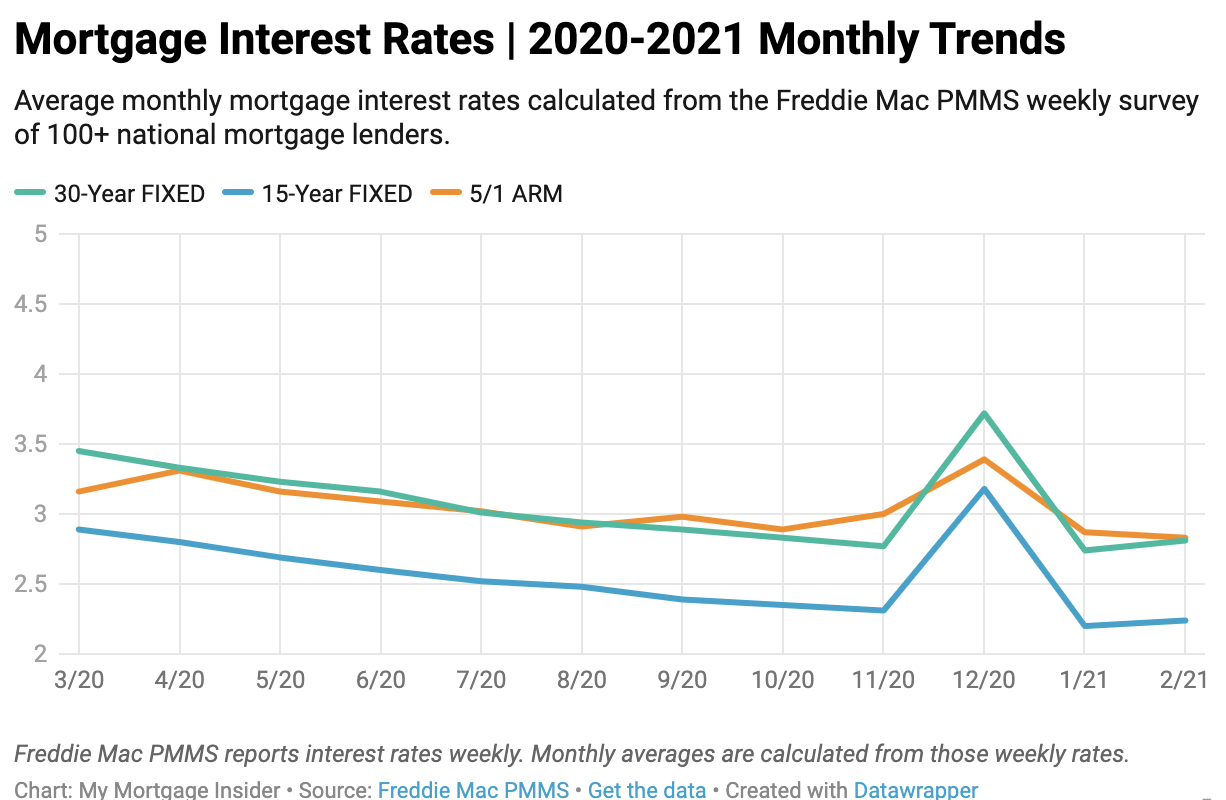
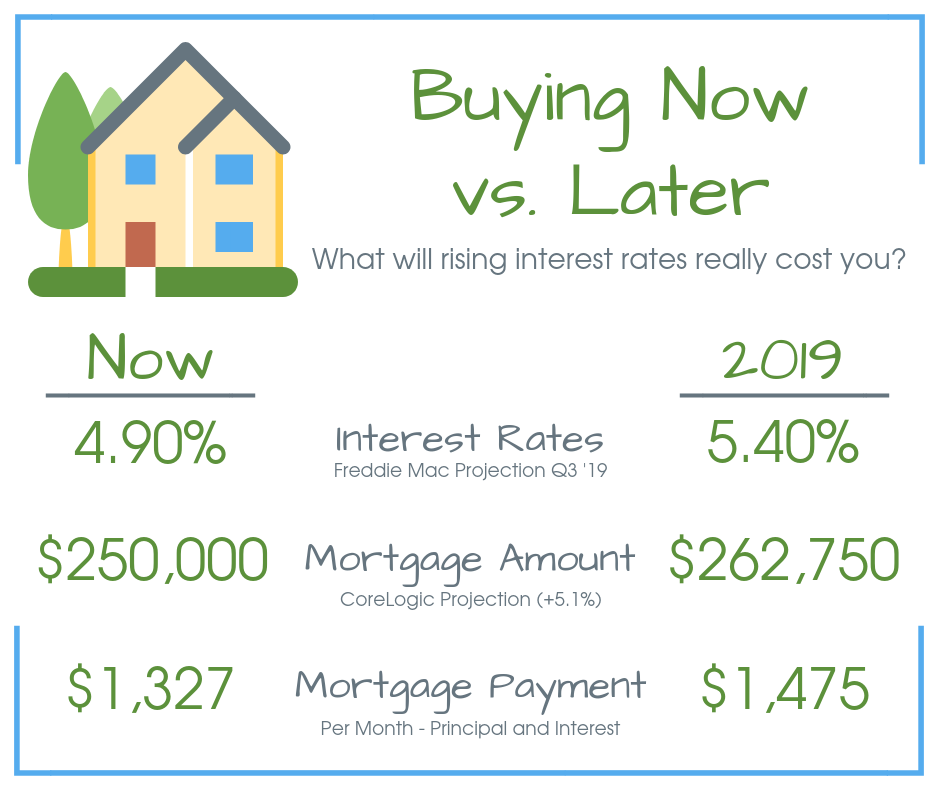
For most individuals, the most significant interest rate is the one attached to their home loan. Mortgage rates are generally tied to the 10-year Treasury yield rather than the Fed Funds Rate directly. In high-rate environments, the monthly cost of a new mortgage can increase by hundreds or even thousands of dollars compared to a low-rate environment. This has a cooling effect on home prices but also creates a “lock-in” effect, where current homeowners are reluctant to sell because they do not want to trade a 3% mortgage for a 7% one.
The Prime Rate and Consumer Credit
The Prime Rate is the base interest rate that commercial banks charge their most creditworthy corporate customers. Most consumer debt—such as credit cards, home equity lines of credit (HELOCs), and certain personal loans—is “Prime plus” a certain percentage. When the Fed raises rates, the Prime Rate moves in lockstep, almost immediately increasing the interest burden on variable-rate debt.
Business and Commercial Lending
For entrepreneurs and corporate treasurers, today’s interest rates determine the “hurdle rate” for new projects. If a business needs to borrow at 8% to fund an expansion, that expansion must generate a return significantly higher than 8% to be viable. In a high-rate environment, businesses tend to be more conservative, focusing on efficiency and cash flow rather than aggressive, debt-funded growth.
Impact on Savings and Investing Strategies

While high interest rates make borrowing more expensive, they offer a silver lining for savers and fixed-income investors. After years of near-zero returns on cash, the current landscape has shifted the calculus of wealth management.
High-Yield Savings Accounts (HYSA) and CDs
One of the most immediate benefits of higher interest rates is the return on liquid cash. High-yield savings accounts and Certificates of Deposit (CDs) now offer rates that can help mitigate the erosive effects of inflation. For the first time in over a decade, “cash” is no longer a dead asset; it is a strategic component of a diversified portfolio, providing both safety and a modest return.
Bond Yields and the Fixed-Income Market
The bond market has undergone a significant repricing. When interest rates rise, the price of existing bonds falls (since new bonds are being issued with higher coupons). However, for new investors, today’s yields are the most attractive they have been in years. From Treasury bills to investment-grade corporate bonds, fixed income now provides a viable alternative to the volatility of the stock market, allowing for “income” to return to “fixed income.”
The Correlation Between Interest Rates and the Stock Market
The equity market has a complex relationship with interest rates. Generally, higher rates are a headwind for stocks, particularly “growth” stocks in the tech sector. This is because the present value of future earnings is discounted more heavily when rates are high. Additionally, when investors can get a 5% return on a risk-free government bond, they are less likely to take risks on volatile stocks unless the potential rewards are significantly higher.
Managing Your Personal Finances in a Fluctuating Rate Environment
Answering the question “What is the interest rate today?” is only useful if you apply that knowledge to your financial planning. Adaptability is key to preserving capital in a shifting environment.
When to Refinance and When to Hold
In a high-rate environment, the traditional advice to refinance debt often takes a backseat. However, it is still crucial to monitor the “spread.” If you have high-interest credit card debt at 24%, taking out a personal loan at 12% is still a winning move, even if 12% feels high compared to historical lows. Conversely, if you have a low-rate mortgage, the goal should be to protect that “cheap debt” at all costs.
Strategic Debt Repayment
In a low-rate world, it often makes sense to carry debt and invest excess cash in the stock market. In today’s high-rate world, the math changes. Paying off a loan with a 7% or 8% interest rate is the equivalent of getting a guaranteed, risk-free 7% or 8% return on your money. For many, prioritizing debt destruction over new investments becomes the most logical path toward increasing net worth.
Adjusting Your Investment Horizon
Investors must move away from the “TINA” (There Is No Alternative) mindset that dominated the last decade. Today, there are alternatives to stocks. Rebalancing your portfolio to include more short-term Treasuries or high-quality corporate bonds can reduce volatility while still meeting long-term growth targets.
Future Outlook: Predicting Rate Shifts
Finance is forward-looking. While we know what interest rates are today, the market is constantly trying to price in what they will be six months or two years from now.
Economic Forecasting and Market Sentiment
Economists closely watch “dot plots”—the projections released by Fed officials—to see where they believe the “terminal rate” (the peak of the rate cycle) will land. If the economy shows signs of a recession, the market begins to price in “rate cuts.” If the labor market remains too hot, the market prepares for “higher for longer” rates.
The “New Normal”
There is a growing consensus among financial experts that we may not return to the zero-interest-rate policy (ZIRP) of the past. A “neutral” interest rate—one that neither stimulates nor restricts the economy—might be higher than it was in the previous decade. This means that both consumers and businesses must adjust their long-term expectations for the cost of capital.
In conclusion, “the interest rate today” is more than just a percentage. It is a reflection of the global economy’s pulse and a vital tool for personal financial management. By understanding why rates are moving, how they affect different financial products, and how to position your savings and debt, you can turn a challenging interest rate environment into an opportunity for financial growth and stability. Whether you are a first-time homebuyer, a seasoned investor, or a small business owner, staying informed on these shifts is the hallmark of financial literacy in the modern age.
aViewFromTheCave is a participant in the Amazon Services LLC Associates Program, an affiliate advertising program designed to provide a means for sites to earn advertising fees by advertising and linking to Amazon.com. Amazon, the Amazon logo, AmazonSupply, and the AmazonSupply logo are trademarks of Amazon.com, Inc. or its affiliates. As an Amazon Associate we earn affiliate commissions from qualifying purchases.