
Navigating the landscape of homeownership is one of the most significant financial journeys an individual will ever undertake. At the heart of this journey lies a single, pivotal number: the mortgage interest rate. For many, the question “what is the interest rate on mortgages?” is the starting point for a complex exploration of personal finance, macroeconomics, and long-term wealth building. An interest rate is far more than just a percentage; it is the price of capital, the primary determinant of monthly affordability, and the factor that dictates the total cost of a home over several decades.
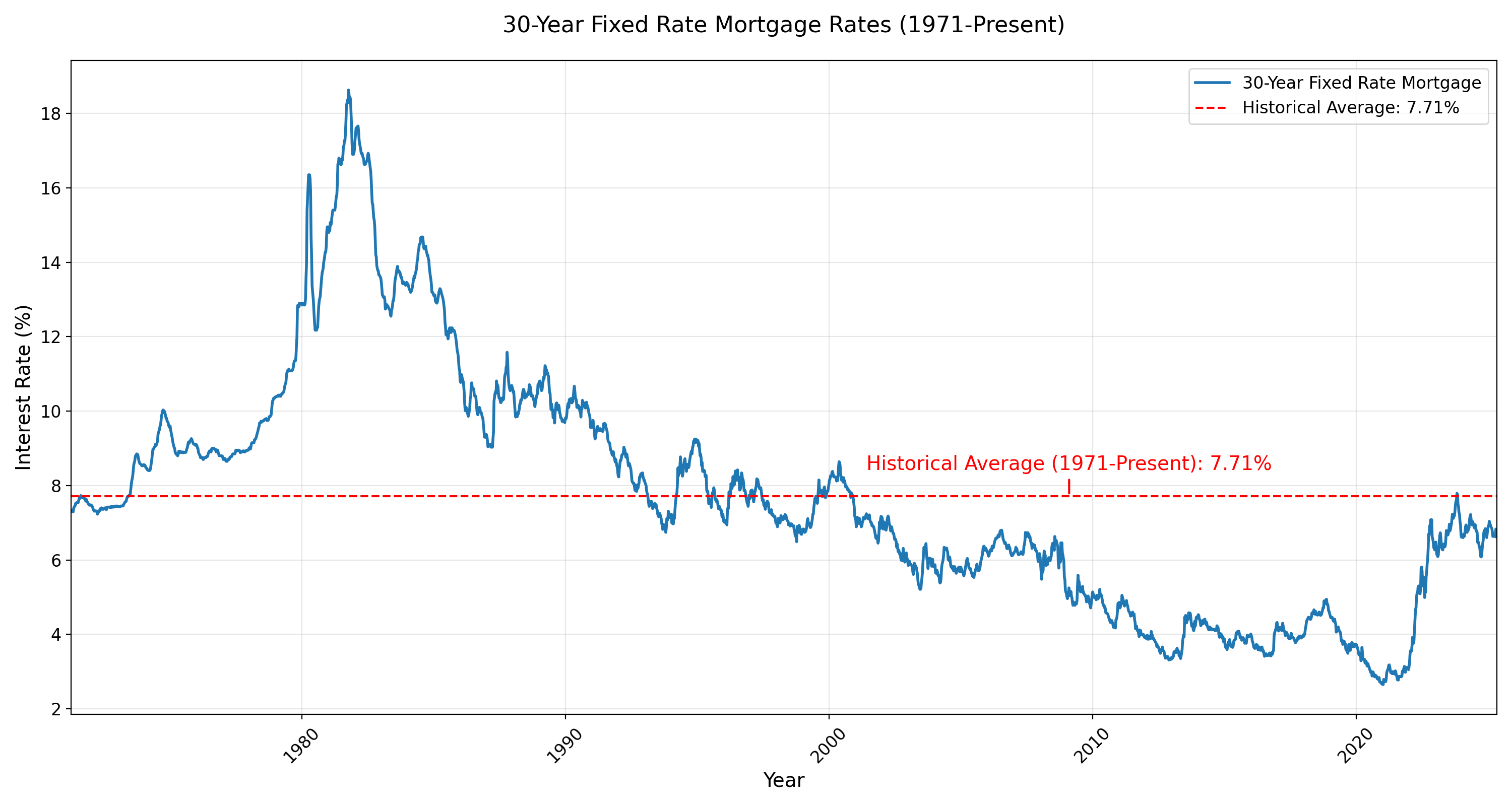
In a fluctuating economic environment, understanding how these rates are determined, how they impact your personal balance sheet, and how you can influence the rate you are offered is essential. This guide provides a deep dive into the mechanics of mortgage interest rates, helping you make informed decisions in the pursuit of financial stability and real estate investment.
The Mechanics of Mortgage Interest Rates
To understand mortgage rates, one must first understand that they are not arbitrary figures set by banks. Instead, they are the result of a complex interplay between government policy, investor demand, and the type of loan product selected.
Fixed-Rate vs. Adjustable-Rate Mortgages (ARMs)
The most fundamental distinction in the world of mortgage interest is the choice between a fixed-rate and an adjustable-rate mortgage. A fixed-rate mortgage offers the security of a consistent interest rate for the entire life of the loan, typically 15 or 30 years. This protects the borrower from market volatility, making it the preferred choice for those planning to stay in their homes long-term.
Conversely, an Adjustable-Rate Mortgage (ARM) usually begins with a lower “teaser” rate for a set period (such as five, seven, or ten years) before adjusting annually based on current market indices. While ARMs can offer lower initial payments, they carry the risk of significant increases in the future. Choosing between these two requires a careful analysis of your financial horizon and your tolerance for risk.
The Role of the Federal Reserve and Market Benchmarks
A common misconception is that the Federal Reserve directly sets mortgage rates. In reality, mortgage rates are more closely tied to the yield on 10-year Treasury bonds. When investors feel the economy is risky, they flock to the safety of government bonds, driving yields down and often pulling mortgage rates lower with them.
However, the Federal Reserve does influence the environment. By raising or lowering the federal funds rate, the Fed signals the cost of overnight borrowing for banks. This creates a ripple effect throughout the economy. When the Fed fights inflation by raising rates, banks increase the cost of consumer loans, including mortgages, to maintain their profit margins. Understanding this relationship helps prospective homeowners time their entry into the market during more favorable economic cycles.
Key Factors That Influence Your Personal Rate
While market trends set the “floor” for interest rates, your personal financial profile determines how far above that floor your specific rate will sit. Lenders view interest rates as a reflection of risk; the more likely you are to repay the loan, the lower the rate you will receive.
Credit Scores and Debt-to-Income Ratios
Your credit score is perhaps the most influential factor in the rate-setting process. Lenders use FICO scores to categorize borrowers into risk tiers. A borrower with a score of 760 or higher is typically offered the most competitive rates, while someone with a score in the low 600s may face rates several percentage points higher—or may be denied a conventional loan altogether.
Beyond the credit score, lenders scrutinize your Debt-to-Income (DTI) ratio. This is the percentage of your gross monthly income that goes toward paying debts. A lower DTI suggests you have the financial “breathing room” to handle a mortgage payment even if your circumstances change, which can lead to better pricing on your interest rate.
Loan-to-Value (LTV) and Down Payment Size
The “skin in the game” you bring to a real estate transaction is measured by the Loan-to-Value (LTV) ratio. If you put down 20% of the home’s purchase price, your LTV is 80%. Generally, the lower the LTV, the lower the risk for the lender. High-LTV loans (where the down payment is small) often come with higher interest rates and the added cost of Private Mortgage Insurance (PMI). By saving for a larger down payment, you not only reduce the principal amount you need to borrow but also unlock lower interest tiers that save you money over the life of the loan.
Current Market Trends and Economic Drivers
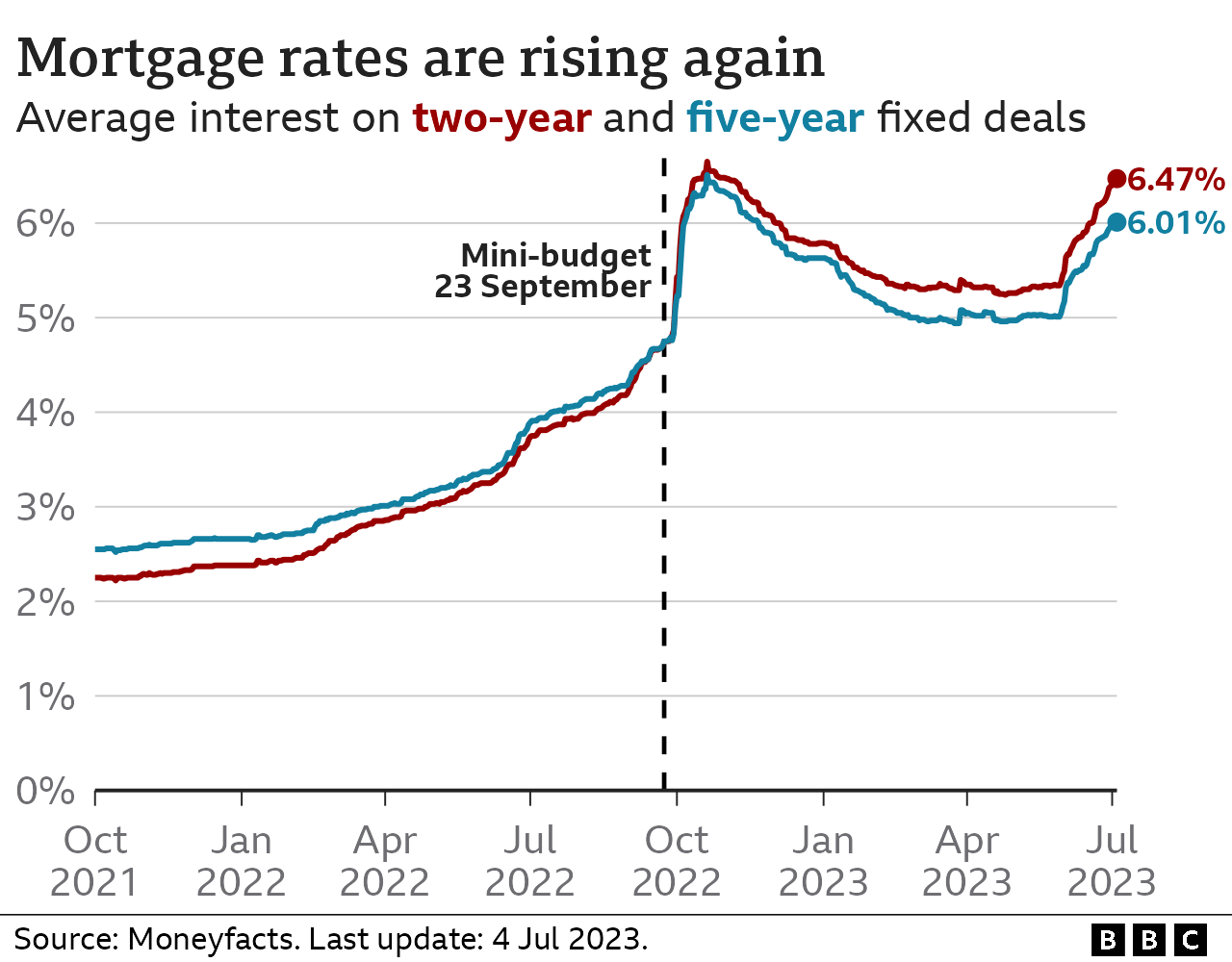
Interest rates do not exist in a vacuum; they are a reflection of the broader health of the global and domestic economy. For the modern borrower, staying informed about these drivers is a key part of financial literacy.
Inflation and Its Impact on Lending
Inflation is the greatest enemy of fixed-income investors, including those who buy mortgage-backed securities. When inflation is high, the purchasing power of the future interest payments a lender receives is eroded. To compensate for this loss of value, lenders demand higher interest rates upfront. This is why mortgage rates often climb rapidly when the Consumer Price Index (CPI) shows rising costs for goods and services. Monitoring inflation data can provide a “early warning system” for where mortgage rates might headed in the coming months.
Global Economic Stability and Investor Sentiment
Mortgage rates are also influenced by “flight to quality” events. During times of global geopolitical instability or stock market volatility, international investors often move their capital into U.S. assets, including mortgage-backed securities. This increased demand for mortgage bonds can lead to a decrease in interest rates, even if the domestic economy is stagnant. Conversely, in a booming global economy, investors may move money out of bonds and into higher-growth equities, causing mortgage rates to rise as demand for those bonds softens.
Strategies for Securing the Best Mortgage Rate
Securing a low interest rate is not just about luck; it is about strategy and preparation. Active participation in the lending process can result in significant long-term savings.
Comparison Shopping and Mortgage Brokers
Many home buyers make the mistake of accepting the first loan offer they receive from their primary bank. However, mortgage rates can vary significantly from one institution to another. Wholesale lenders, credit unions, and online banks all have different overhead costs and risk appetites.
Engaging a mortgage broker can be a wise move for those looking to compare multiple options. Brokers have access to a wide network of lenders and can often find niche products that fit a borrower’s specific financial situation. Even a difference of 0.25% in an interest rate can save a homeowner tens of thousands of dollars over a 30-year period.
Buying Down the Rate with Discount Points
For borrowers who have extra cash on hand at closing, “buying down the rate” is an effective strategy. This involves paying “points” to the lender—where one point typically equals 1% of the loan amount—in exchange for a permanently lower interest rate. This is essentially prepaying interest. This strategy is most effective for homeowners who plan to keep the property for a long time, as it takes several years to reach the “break-even point” where the monthly savings exceed the initial cost of the points.
The Long-Term Financial Impact of Interest Rates
The true weight of an interest rate is best understood through the lens of time and amortization. A mortgage is a long-term commitment, and small fluctuations have outsized consequences.
Amortization and Total Interest Paid
In the early years of a mortgage, the majority of your monthly payment goes toward interest rather than principal. This process, known as amortization, means that a higher interest rate drastically slows down the rate at which you build equity in your home. For example, on a $400,000 loan, the difference between a 4% rate and a 7% rate isn’t just a few hundred dollars a month; it is a difference of over $250,000 in total interest paid over 30 years. Understanding this math encourages borrowers to prioritize rate reduction through any means possible.
When to Consider Refinancing
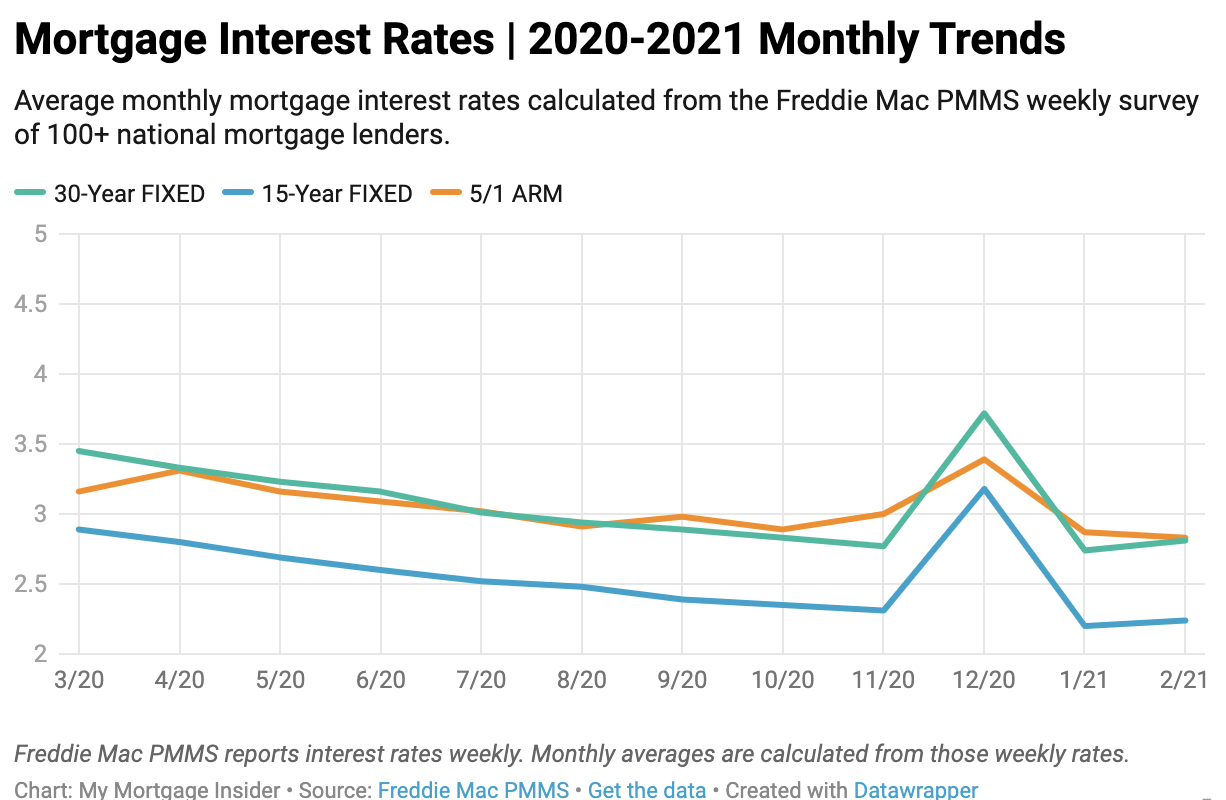
The financial landscape you enter when you first buy a home is not permanent. If market rates drop significantly, or if your credit score improves substantially after you have purchased the home, refinancing becomes a powerful tool. Refinancing allows you to replace your current high-interest loan with a new one at a lower rate.
However, refinancing is not free; it involves closing costs similar to a initial purchase. A common rule of thumb in personal finance is that refinancing makes sense if you can lower your rate by at least 0.75% to 1% and plan to stay in the home long enough to recoup the closing costs. By actively managing your mortgage as a financial asset, you can optimize your debt and accelerate your journey toward true financial independence.
In conclusion, the interest rate on a mortgage is a dynamic figure shaped by both the global economy and your individual financial habits. By understanding the mechanics of these rates, staying aware of market drivers, and employing strategic borrowing techniques, you can secure a mortgage that serves as a foundation for wealth rather than a burden on your future.
aViewFromTheCave is a participant in the Amazon Services LLC Associates Program, an affiliate advertising program designed to provide a means for sites to earn advertising fees by advertising and linking to Amazon.com. Amazon, the Amazon logo, AmazonSupply, and the AmazonSupply logo are trademarks of Amazon.com, Inc. or its affiliates. As an Amazon Associate we earn affiliate commissions from qualifying purchases.