
Navigating the landscape of homeownership requires a keen understanding of the various financing vehicles available to the modern buyer. Among these, the United States Department of Agriculture (USDA) loan stands out as one of the most powerful tools for those looking to purchase property in designated rural and suburban areas. However, for many prospective homeowners, the primary question remains: what is the interest rate on a USDA loan, and how does it compare to more traditional financing options?
Unlike conventional loans, which are governed strictly by private market forces, or FHA loans, which are designed for broad accessibility, USDA loans are unique. They are backed by the federal government to encourage the development of rural communities. This backing allows lenders to offer highly competitive interest rates that are often significantly lower than those found in the conventional market. Understanding how these rates are determined—and what you can do to influence them—is essential for any savvy financial planner.
The Mechanics of USDA Loan Interest Rates
To understand the interest rate on a USDA loan, one must first distinguish between the two primary types of USDA financing: the Single Family Housing Guaranteed Loan Program and the Single Family Housing Direct Home Loan Program.
The Guaranteed Loan Program
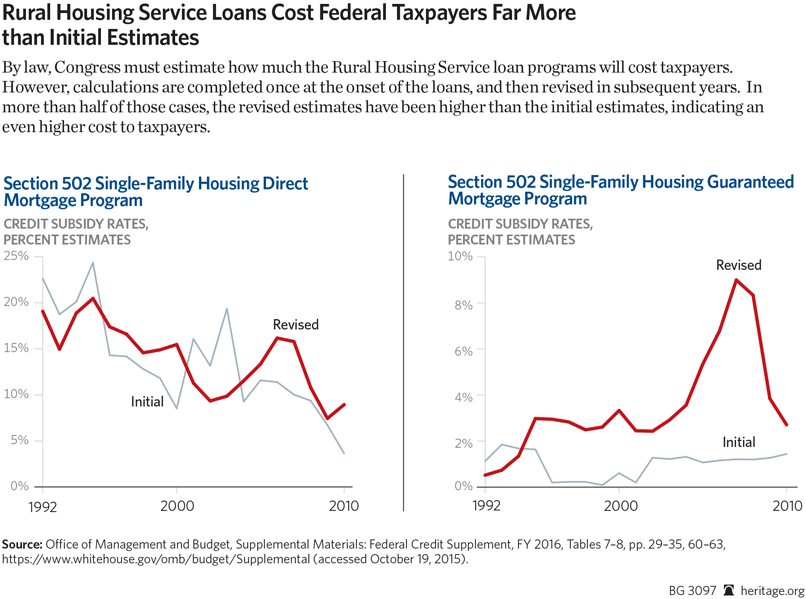
The vast majority of USDA borrowers utilize the Guaranteed Loan Program. In this arrangement, a private lender (such as a bank or credit union) provides the funds, while the USDA guarantees a portion of the loan against default. Because the government absorbs much of the risk, lenders are willing to offer lower interest rates to borrowers who might not otherwise qualify for a low-rate conventional mortgage.
The interest rates for Guaranteed USDA loans are not set by the government; they are set by the lenders themselves. These rates fluctuate daily based on the broader secondary mortgage market, specifically the performance of Mortgage-Backed Securities (MBS) and the 10-year Treasury note. Typically, USDA guaranteed rates track closely with—or slightly below—FHA and conventional rates.
The Direct Loan Program
The Direct Loan Program is a different animal entirely. These loans are funded directly by the government and are reserved for low-income and very-low-income applicants who cannot obtain financing from other sources. The interest rate for a USDA Direct Loan is a fixed rate set by the government.
What makes the Direct Loan particularly compelling from a personal finance perspective is the availability of “payment assistance.” For qualifying borrowers, the interest rate can be subsidized down to as low as 1%. This is a transformative financial tool for wealth building, as it dramatically reduces the lifetime cost of the loan and increases the borrower’s monthly cash flow.
Factors That Influence Your Specific Rate
While the broader market sets the baseline, your individual financial profile determines where your specific rate lands within the lender’s range. In the realm of personal finance, your “borrower profile” is your greatest asset or your biggest liability.
Credit Score and Risk Tiering
The USDA does not technically have a minimum credit score requirement, but most lenders look for a score of at least 640 to utilize the USDA’s Guaranteed Underwriting System (GUS). A score above this threshold usually results in an automated approval and a more competitive interest rate. If your score is lower, you may be subject to manual underwriting, which often comes with a slightly higher interest rate to compensate for the perceived increase in risk.
Debt-to-Income (DTI) Ratios
Lenders examine your DTI ratio to ensure you can comfortably manage your mortgage payments alongside your existing obligations. While the USDA is often more flexible than conventional lenders regarding DTI, a lower ratio signals financial stability. Borrowers with ample “residual income”—the money left over after all bills are paid—are frequently rewarded with the most favorable rate pricing.
Market Volatility and Economic Indicators
Interest rates are sensitive to inflation data, employment reports, and Federal Reserve policy. When inflation is high, interest rates tend to rise to compensate for the eroding value of future payments. Conversely, in a cooling economy, rates may drop. For a USDA loan applicant, timing the market is less important than being “mortgage-ready” when a favorable window opens.
Comparing USDA Rates to Conventional and FHA Loans
To appreciate the value of a USDA interest rate, one must view it through a comparative lens. For many middle-income families, the choice often comes down to a Conventional, FHA, or USDA loan.
The Advantage Over Conventional Loans
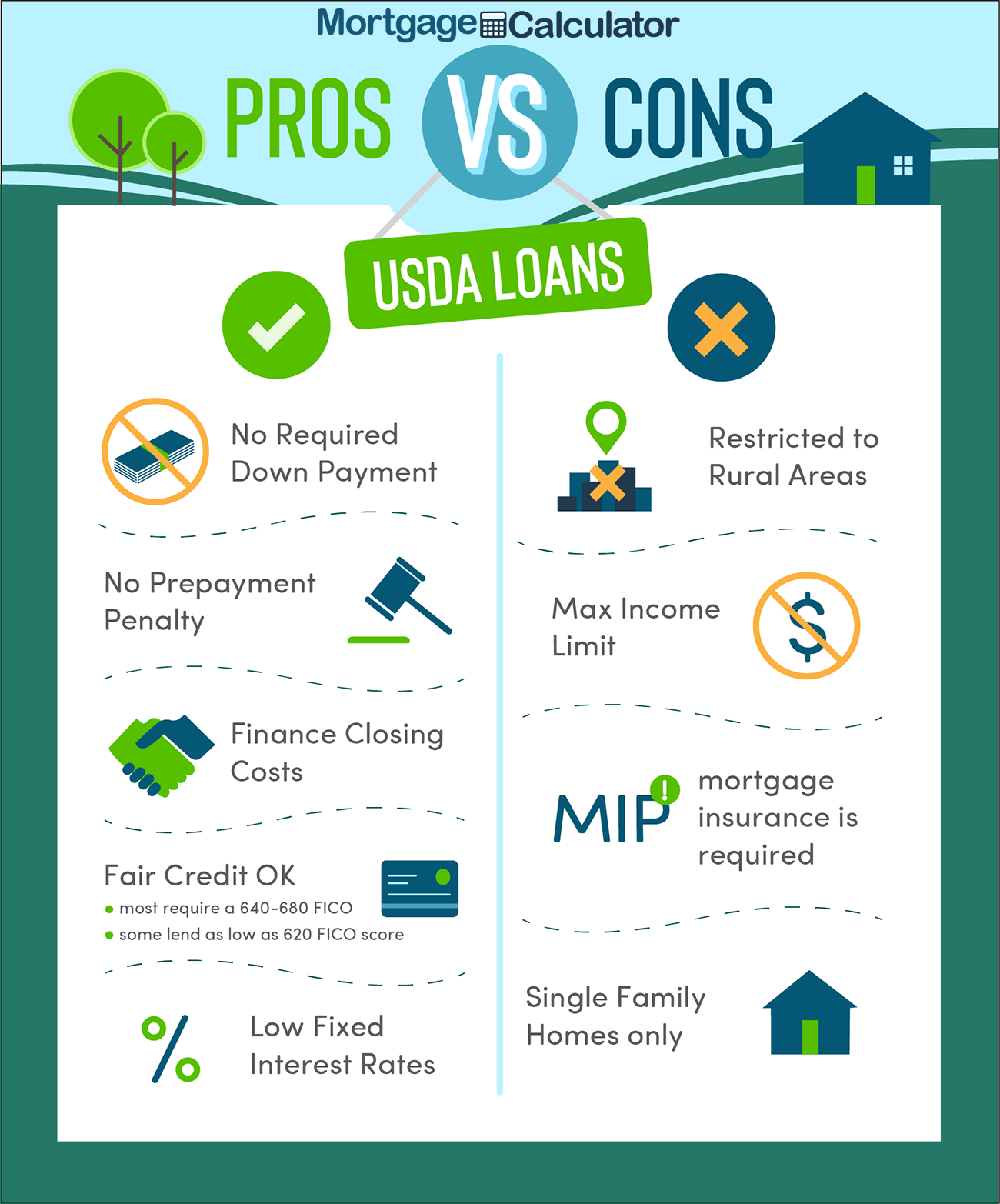
Conventional loans typically require a higher credit score (720+) to secure the lowest rates. If a borrower has a credit score in the 640-680 range, a USDA loan will almost certainly offer a lower interest rate than a conventional loan. Furthermore, conventional loans require Private Mortgage Insurance (PMI) if the down payment is less than 20%. While USDA loans have their own fees, the underlying interest rate combined with the lack of a traditional down payment often makes the USDA option the superior financial move for long-term savings.
The USDA vs. FHA Comparison
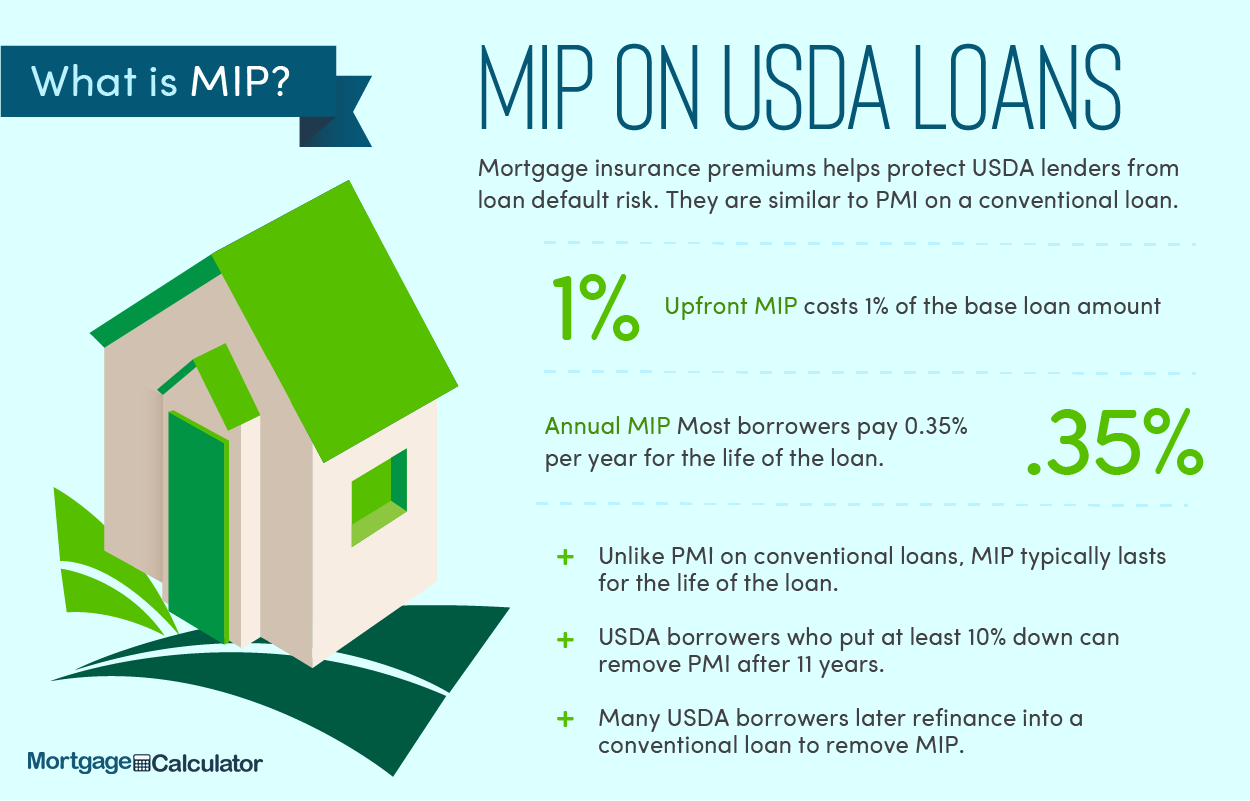
FHA loans are the USDA’s closest competitor in terms of accessibility. Both offer competitive interest rates, but the USDA often holds a slight edge. Historically, USDA interest rates have hovered about 0.25% to 0.50% lower than FHA rates. Additionally, the annual mortgage insurance premium for a USDA loan is currently 0.35%, whereas the FHA premium is generally 0.55%. When you combine a lower interest rate with a lower insurance premium, the USDA loan becomes a highly efficient vehicle for preserving monthly capital.
The True Cost: APR and USDA Fees
When evaluating the interest rate on a USDA loan, a sophisticated borrower looks beyond the “nominal rate” and focuses on the Annual Percentage Rate (APR). The APR reflects the true cost of borrowing, including the interest rate and the specific fees associated with the USDA program.
The Upfront Guarantee Fee
Every USDA Guaranteed loan requires an upfront guarantee fee, which is currently 1% of the loan amount. Most borrowers choose to roll this fee into the loan balance. While this does not change your interest rate, it does increase the total amount of interest you will pay over the life of the loan because the principal balance is higher.
The Annual Fee
The USDA also charges an annual fee (paid monthly) of 0.35% of the remaining principal balance. This acts similarly to mortgage insurance. When calculating the “real” interest rate you are paying, you must factor this 0.35% into your monthly debt service. Even with this fee included, the total effective rate of a USDA loan is frequently lower than the effective rate of an FHA loan or a low-down-payment conventional loan.
Strategies to Secure the Best USDA Interest Rate
Securing a low interest rate is not a matter of luck; it is a matter of strategic financial positioning. If you are targeting a USDA loan, there are several steps you can take to ensure you receive the most aggressive pricing from lenders.
1. Optimize Your Credit Utilization
In the months leading up to your application, focus on reducing your revolving credit balances. Lowering your credit utilization ratio can provide a quick boost to your credit score, potentially moving you into a higher “tier” for interest rate pricing. Even a 20-point increase in your score can result in a significantly lower interest rate over a 30-year term.
2. Shop Multiple USDA-Approved Lenders
Not all lenders are created equal. Some banks specialize in USDA loans and have more efficient internal processes, allowing them to pass savings onto the borrower. Obtain “Loan Estimates” from at least three different lenders on the same day. This allows you to compare the base interest rate and the “origination charges” side-by-side.
3. Consider Paying for “Points”
If you plan to stay in the home for a long time, you might consider paying “discount points” at closing. One point typically costs 1% of the loan amount and reduces your interest rate by approximately 0.25%. This is a classic personal finance trade-off: you pay more upfront to reduce your long-term interest expense. For a USDA borrower with extra cash on hand, buying down the rate can save tens of thousands of dollars over the decades.
4. Verify Property Eligibility Early
USDA loans are restricted to specific geographic areas. Using the USDA’s online eligibility map to ensure your target property qualifies can prevent delays. Market volatility can cause rates to spike during a long approval process; by ensuring the property is eligible from day one, you can move toward a “rate lock” more quickly, protecting you from sudden market shifts.
The interest rate on a USDA loan is more than just a number; it is a reflection of the government’s commitment to rural development and a borrower’s financial diligence. By understanding the interplay between market forces, government subsidies, and individual creditworthiness, you can leverage the USDA program to secure some of the most favorable financing terms available in the modern real estate market. Whether through the subsidized rates of the Direct program or the competitive market rates of the Guaranteed program, the USDA loan remains a cornerstone of affordable, high-value personal finance for the American homebuyer.
aViewFromTheCave is a participant in the Amazon Services LLC Associates Program, an affiliate advertising program designed to provide a means for sites to earn advertising fees by advertising and linking to Amazon.com. Amazon, the Amazon logo, AmazonSupply, and the AmazonSupply logo are trademarks of Amazon.com, Inc. or its affiliates. As an Amazon Associate we earn affiliate commissions from qualifying purchases.