
For most individuals, purchasing a home represents the single largest financial transaction of their lives. It’s a journey filled with excitement, significant decisions, and a substantial long-term commitment. At the heart of this commitment lies the mortgage, a specialized loan designed to finance the purchase of real estate. And within the mortgage, no single factor influences the total cost of homeownership more profoundly than the interest rate.
The mortgage interest rate is more than just a number; it’s the cost of borrowing money, expressed as a percentage of the principal loan amount. This percentage dictates how much extra you’ll pay above the initial loan amount over the life of your mortgage. A seemingly small difference in the interest rate—even a quarter or half a percentage point—can translate into tens of thousands of dollars, or even more, added to your total repayment over 15, 20, or 30 years. Consequently, a deep understanding of what mortgage interest rates are, how they are determined, and how they operate is not just beneficial, but absolutely essential for any prospective homeowner or anyone looking to refinance their existing mortgage. This article will delve into the multifaceted world of mortgage interest rates, providing insights into their mechanics, the forces that shape them, and strategies for navigating this critical component of home financing.
Decoding Mortgage Interest Rates: The Core of Your Homeownership Cost
To truly grasp the implications of a mortgage interest rate, we must first dissect its fundamental definition and appreciate its pervasive impact on your financial future. It’s the engine driving the cost of your home, beyond the initial purchase price.
Defining Mortgage Interest
At its most basic, mortgage interest is the fee charged by a lender for the privilege of borrowing money to purchase a home. When you take out a mortgage, you’re not just agreeing to repay the principal amount (the money you borrowed); you’re also agreeing to pay interest on that principal over time. This interest is typically calculated annually but applied monthly to your outstanding loan balance. The interest rate is expressed as an annual percentage rate (APR), although the quoted interest rate for comparison purposes is usually the nominal interest rate, while the APR includes other fees like points and certain closing costs to give a more holistic view of the loan’s cost. The lender earns a profit from this interest, compensating them for the risk they undertake and the time value of money. Without interest, there would be little incentive for financial institutions to offer loans, fundamentally disrupting the housing market.
Why Interest Rates Are Crucial for Homebuyers
The importance of the interest rate cannot be overstated. It directly impacts your monthly mortgage payment, which is often the largest recurring expense for homeowners. A higher interest rate means a larger portion of your monthly payment goes towards interest, leaving less for principal reduction, especially in the early years of the loan. Conversely, a lower interest rate reduces the interest portion, allowing you to build equity faster and pay off your loan sooner, even if the loan term remains the same.
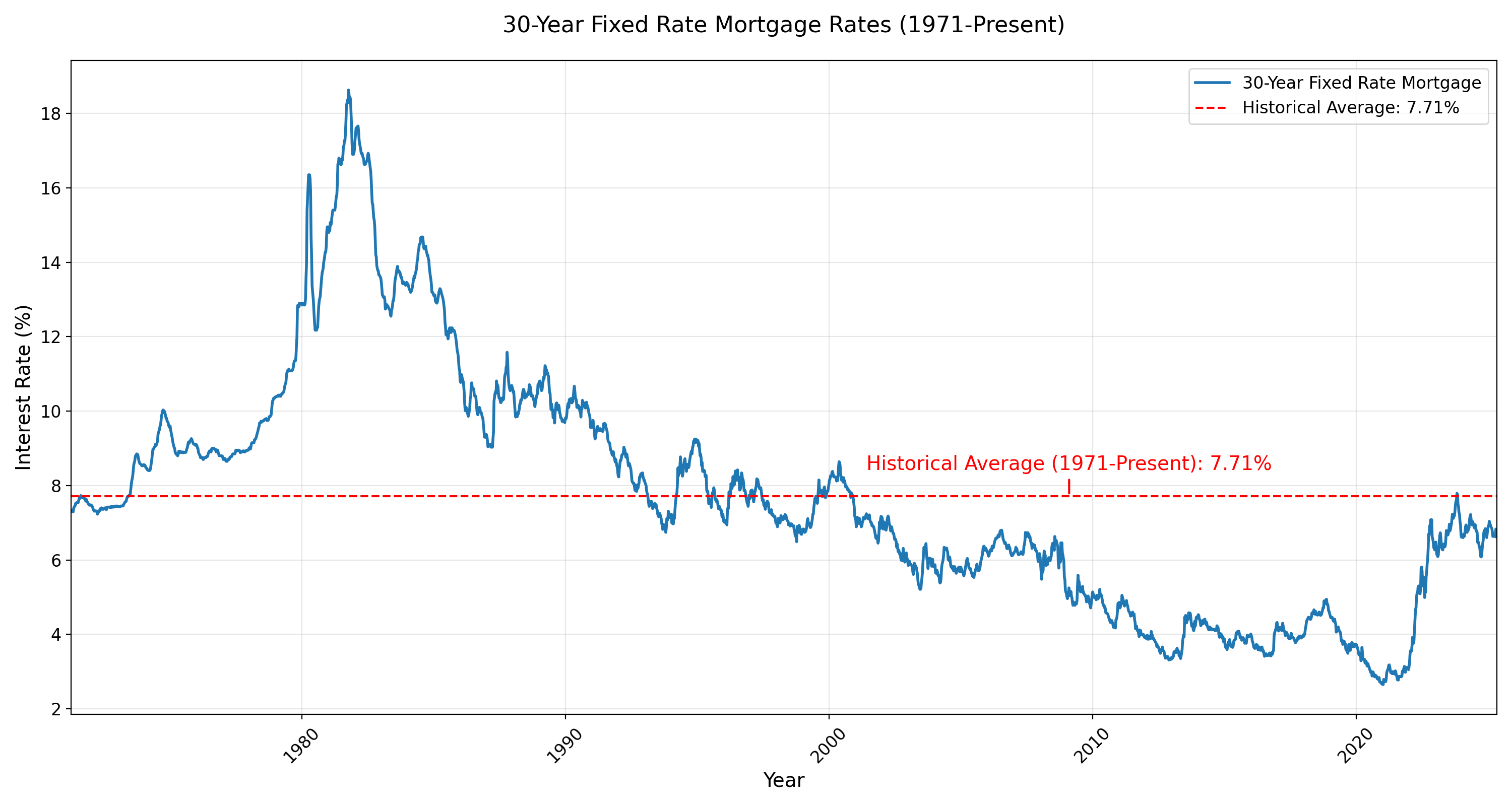
Consider a simple example: on a $300,000, 30-year fixed-rate mortgage, the difference between a 7.0% interest rate and a 6.5% interest rate could mean a monthly payment difference of approximately $100. Over 30 years, this seemingly small monthly variance accumulates to over $36,000 in total interest paid. This substantial sum underscores why even marginal fluctuations in interest rates are closely watched by both lenders and borrowers, acting as a pivotal factor in housing market activity and affordability.
Key Determinants of Mortgage Interest Rates
Mortgage interest rates are not static figures set arbitrarily; rather, they are dynamic numbers influenced by a complex interplay of macroeconomic forces, lender-specific policies, and individual borrower characteristics. Understanding these determinants is key to predicting rate movements and optimizing your borrowing strategy.
Economic Indicators and Federal Policy
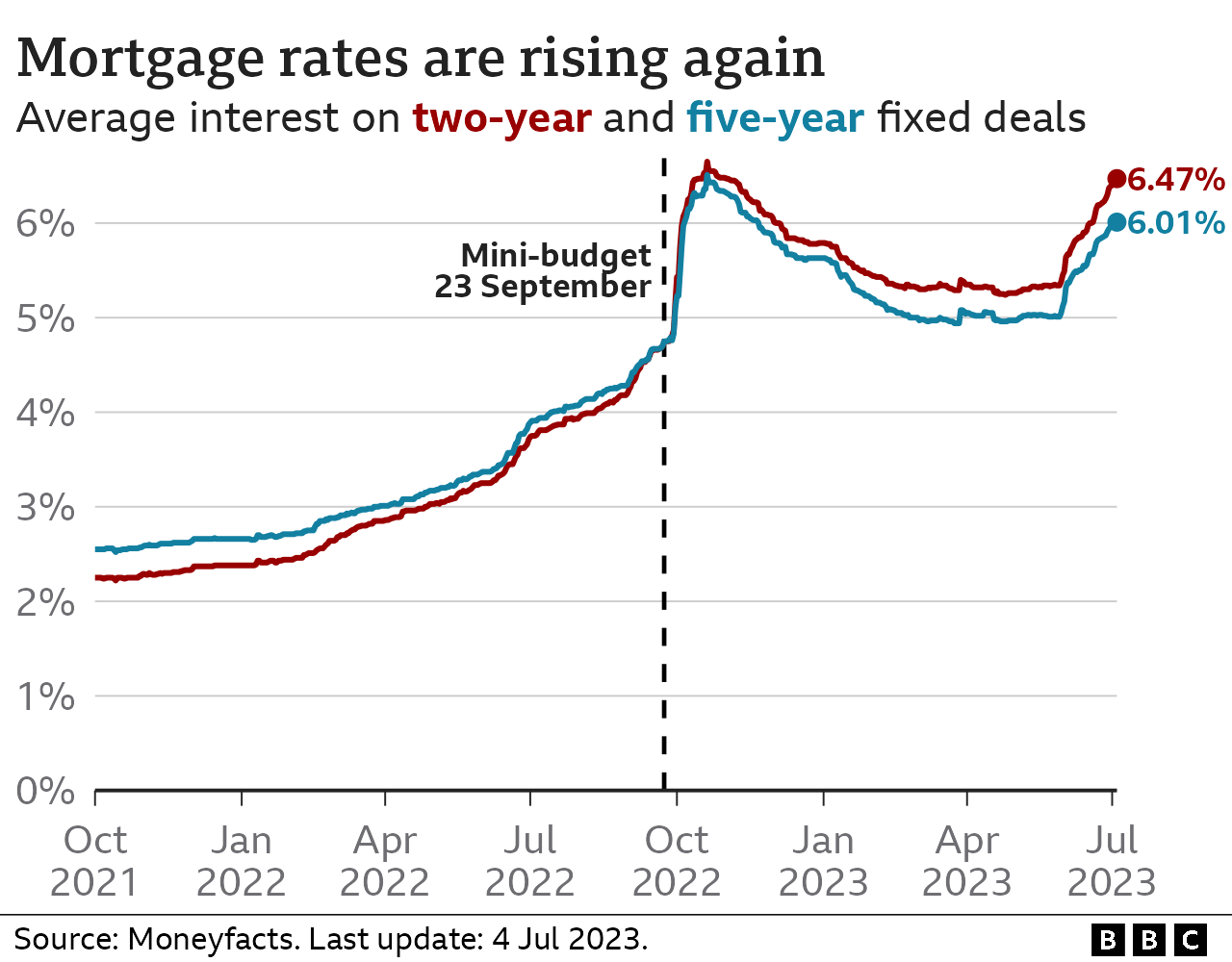
At the broadest level, mortgage rates are largely a reflection of the overall economic health and the monetary policy set by central banks, particularly the U.S. Federal Reserve.
- Inflation: Perhaps the most significant driver. When inflation is high or expected to rise, lenders demand higher interest rates to compensate for the reduced purchasing power of future repayments. The Fed often responds to inflation by raising the federal funds rate.
- Federal Funds Rate: While the Fed doesn’t directly set mortgage rates, its target for the federal funds rate (the rate at which banks lend to each other overnight) significantly influences short-term interest rates across the economy. Changes in the federal funds rate typically lead to corresponding shifts in other interest rates, including those for mortgages, although the correlation is not always immediate or one-to-one, especially for long-term fixed rates.
- Treasury Yields: Mortgage rates often track the yield on U.S. Treasury bonds, particularly the 10-year Treasury note. This is because mortgage-backed securities (MBS) – the financial instruments underlying most mortgages – compete with Treasuries for investor attention. When Treasury yields rise, MBS must offer higher yields (and thus higher mortgage rates) to remain attractive to investors.
- Economic Growth and Employment: A strong economy with low unemployment typically leads to higher consumer demand and potentially higher inflation, pushing rates upward. Conversely, economic slowdowns or recessions often lead to lower rates as the Fed tries to stimulate activity.
Lender-Specific Factors and Market Competition
While macroeconomic factors set the general trend, individual lenders also play a role in rate setting. Each bank or mortgage provider has its own cost of funds, risk assessment models, and profit margins.
- Lender’s Cost of Funds: The rate at which a lender can borrow money determines its baseline cost.
- Operational Overheads: The costs associated with processing loans, staffing, and maintaining infrastructure contribute to the rates offered.
- Profit Margins: Lenders set rates to ensure they make a profit, which can vary based on their business model and volume targets.
- Market Competition: In a highly competitive market, lenders may trim their margins to attract borrowers, leading to slightly lower rates. Conversely, in less competitive environments, rates might be higher. This is why shopping around is crucial.
Your Personal Financial Profile
Your individual financial health is a paramount factor that directly influences the interest rate you’ll be offered. Lenders assess your creditworthiness to determine the risk of lending to you.
- Credit Score: This three-digit number is arguably the most critical personal factor. A higher credit score (typically FICO scores above 740-760) indicates a responsible borrower and generally qualifies you for the lowest available interest rates. Lower scores suggest higher risk, leading to higher rates.
- Debt-to-Income (DTI) Ratio: This ratio compares your total monthly debt payments (including the prospective mortgage) to your gross monthly income. A lower DTI (generally below 43%) demonstrates your ability to manage additional debt and makes you a more attractive borrower, often securing better rates.
- Down Payment: A larger down payment reduces the amount you need to borrow, thereby lowering the lender’s risk. Borrowers who put down 20% or more typically avoid private mortgage insurance (PMI) and often qualify for better rates.
- Loan-to-Value (LTV) Ratio: This is the inverse of your down payment. A lower LTV (meaning a larger down payment relative to the home’s value) signals less risk to the lender, resulting in more favorable rates.
Loan-Specific Characteristics
Beyond economic and personal factors, the specific terms and structure of the mortgage loan itself also impact the interest rate.
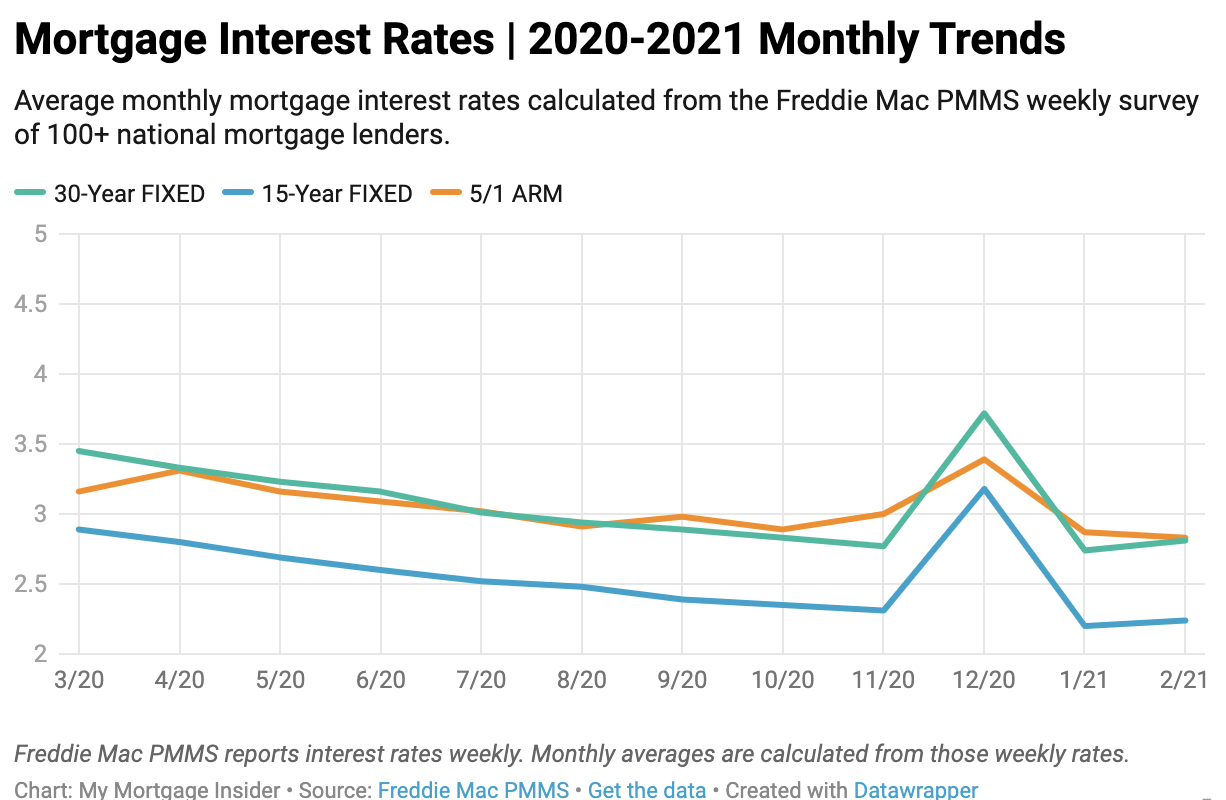
- Loan Term: Shorter loan terms (e.g., 15-year mortgages) typically carry lower interest rates than longer terms (e.g., 30-year mortgages). This is because lenders are exposed to risk for a shorter period, and the time value of money is less impacted.
- Loan Type: The type of mortgage (e.g., conventional, FHA, VA, USDA) can influence rates. Government-backed loans (FHA, VA) often have more lenient credit requirements and can sometimes offer competitive rates, though they come with their own specific fees and insurance requirements.
- Mortgage Points: Borrowers can opt to pay “points” (prepaid interest) at closing to lower their interest rate over the life of the loan. One point typically costs 1% of the loan amount and can reduce the interest rate by a certain fraction, making it a trade-off between upfront cost and long-term savings.
- Fixed vs. Adjustable Rate: This fundamental choice has a direct impact on the initial rate and its future variability, as discussed in the next section.
Fixed-Rate vs. Adjustable-Rate Mortgages: Choosing Your Path
One of the most significant decisions a homebuyer faces when securing a mortgage is whether to opt for a fixed-rate or an adjustable-rate mortgage (ARM). Each type offers distinct advantages and disadvantages, primarily related to the stability or variability of the interest rate over the loan’s term.
The Stability of Fixed-Rate Mortgages
A fixed-rate mortgage is precisely what its name implies: the interest rate remains constant for the entire duration of the loan. This means your principal and interest payment will never change, providing unparalleled predictability and budgeting certainty.
- Predictable Payments: Homeowners know exactly what their mortgage payment will be every month for the next 15, 20, or 30 years, regardless of market fluctuations.
- Budgeting Ease: This predictability makes it easier to manage household finances, as a major expense remains constant.
- Protection from Rising Rates: If market interest rates rise significantly after you secure your loan, your payment remains unaffected, potentially saving you a substantial amount of money over time.
- Simplicity: Fixed-rate mortgages are generally easier to understand and manage than ARMs.
However, fixed-rate mortgages often come with a slightly higher initial interest rate compared to the introductory rate of an ARM, especially when overall market rates are low. If market rates fall substantially, you would need to refinance to take advantage of the lower rates.
The Dynamics of Adjustable-Rate Mortgages (ARMs)
An adjustable-rate mortgage starts with an initial interest rate that is fixed for a set period (e.g., 3, 5, 7, or 10 years), after which it adjusts periodically based on a predetermined index (like the Secured Overnight Financing Rate – SOFR, or the Constant Maturity Treasury – CMT) plus a margin set by the lender.
- Lower Initial Rates: ARMs often offer a lower introductory interest rate than comparable fixed-rate mortgages, making them attractive for borrowers looking for lower initial monthly payments.
- Potential for Lower Overall Cost: If market interest rates decline significantly, your ARM rate could also drop, leading to lower monthly payments.
- Suitability for Short-Term Ownership: ARMs can be a good option for buyers who plan to sell their home or refinance before the fixed-rate period ends.
The main drawback of ARMs is the inherent uncertainty. Once the initial fixed period expires, your interest rate can fluctuate, leading to unpredictable monthly payments. While ARMs typically have caps (limits on how much the rate can increase or decrease in a single adjustment period and over the life of the loan), payment increases can still be substantial, potentially straining a homeowner’s budget.
Hybrid ARMs and Other Variations
The most common ARMs are hybrid ARMs, designated by two numbers, such as “5/1 ARM.” The first number indicates the number of years the initial interest rate is fixed (e.g., 5 years), and the second number indicates how often the rate will adjust after the initial fixed period (e.g., annually). There are also interest-only ARMs, which allow borrowers to pay only the interest for a set period, deferring principal payments and resulting in very low initial payments, but leading to larger payments later when principal repayment begins.
Making the Right Choice for Your Financial Future
The choice between a fixed-rate and an adjustable-rate mortgage depends heavily on your individual financial situation, risk tolerance, and long-term plans.
- Consider Fixed-Rate if: You plan to stay in your home for an extended period, prioritize payment predictability, or believe interest rates will rise.
- Consider ARM if: You anticipate selling or refinancing within the initial fixed-rate period, are comfortable with some payment volatility, or expect interest rates to fall (and you are willing to bear the risk if they rise instead).
Always perform a thorough analysis of both options, considering the worst-case scenario for an ARM’s rate adjustments, before making a decision.
Strategies for Securing Favorable Mortgage Interest Rates
Given the profound impact of interest rates on the overall cost of a mortgage, actively pursuing the best possible rate is a highly worthwhile endeavor. While some factors are beyond your control, there are numerous proactive steps you can take to position yourself as a prime candidate for a low rate.
Optimizing Your Financial Health
The foundation of securing a good mortgage rate lies in your financial preparedness. Lenders reward borrowers who demonstrate stability and low risk.
- Improve Your Credit Score: This is paramount. Pay all bills on time, reduce outstanding debt (especially credit card balances), avoid opening new credit accounts before applying for a mortgage, and correct any errors on your credit report. Aim for a score of 740 or higher.
- Reduce Your Debt-to-Income (DTI) Ratio: Before applying for a mortgage, pay down other debts such as car loans, student loans, or personal loans. A lower DTI (ideally below 36%, and certainly under 43%) signals to lenders that you have ample income to manage your mortgage payments comfortably.
- Increase Your Down Payment: The more money you can put down upfront, the less you need to borrow, and the lower the lender’s risk. Aim for 20% or more to avoid private mortgage insurance (PMI) and generally qualify for better rates. Even an extra few percentage points can make a difference.
- Build Your Savings/Reserves: Lenders like to see that you have cash reserves (several months’ worth of mortgage payments) in your bank account after closing. This demonstrates financial stability and reduces risk.
Shopping Around and Comparing Lenders
Never settle for the first quote you receive. Mortgage rates can vary significantly from one lender to another, even on the same day for the same borrower.
- Get Quotes from Multiple Lenders: Contact at least three to five different lenders, including traditional banks, credit unions, and online mortgage brokers.
- Compare Loan Estimates: Once you apply, lenders are required to provide you with a standardized Loan Estimate form. This document clearly outlines the interest rate, APR, closing costs, and other terms. Compare these forms side-by-side to identify the best overall deal.
- Negotiate: Don’t be afraid to use a competitive offer from one lender to negotiate a better rate or lower fees with another. Lenders want your business and may be willing to match or beat a competitor’s offer.
- Consider a Mortgage Broker: A mortgage broker works with multiple lenders and can often find competitive rates without you having to approach each institution individually.
Understanding and Utilizing Mortgage Points
Mortgage points, also known as discount points, are essentially prepaid interest that you pay at closing in exchange for a lower interest rate over the life of the loan.
- Buying Down the Rate: Each point typically costs 1% of the loan amount (e.g., $3,000 on a $300,000 loan) and can reduce your interest rate by a fraction (e.g., 0.125% to 0.25%).
- Calculate the Break-Even Point: Determine how long it will take for the savings from the lower monthly payment to recoup the upfront cost of the points. If you plan to stay in the home longer than the break-even period, buying points can be a wise financial decision.
- Weigh Against Opportunity Cost: Consider if that upfront cash would yield a better return elsewhere (e.g., investing, paying off high-interest debt) rather than buying points.
Timing the Market (If Possible)
While predicting interest rate movements perfectly is nearly impossible, being aware of economic forecasts and trends can help you make an informed decision about when to lock in a rate.
- Stay Informed: Follow financial news, read analyses from reputable economists, and observe trends in inflation, Treasury yields, and Federal Reserve policy statements.
- Locking Your Rate: Once you find a desirable rate, you can typically “lock” it for a certain period (e.g., 30, 45, or 60 days) during the underwriting process. This protects you if rates rise before your closing date. Be aware of lock-in fees and extension policies.
- Refinancing Opportunities: If you already have a mortgage and rates drop significantly, consider refinancing your loan to take advantage of lower rates and reduce your monthly payments or total interest paid.
Conclusion
The interest rate for mortgages is far more than a simple percentage; it is a critical financial lever that profoundly impacts the affordability and long-term cost of homeownership. From the broad strokes of global economic indicators and central bank policies to the granular details of an individual’s credit score and down payment, a myriad of factors conspire to determine the rate a borrower ultimately secures.
Understanding the difference between fixed-rate and adjustable-rate mortgages, knowing how to optimize your personal financial profile, and diligently shopping around for the best terms are not merely optional steps but essential strategies for any savvy homebuyer. In an ever-evolving financial landscape, a proactive and informed approach to mortgage interest rates can translate into substantial savings, faster equity growth, and a more secure financial future within your dream home. By mastering the nuances of mortgage interest rates, you empower yourself to make intelligent borrowing decisions that serve your financial well-being for decades to come.
aViewFromTheCave is a participant in the Amazon Services LLC Associates Program, an affiliate advertising program designed to provide a means for sites to earn advertising fees by advertising and linking to Amazon.com. Amazon, the Amazon logo, AmazonSupply, and the AmazonSupply logo are trademarks of Amazon.com, Inc. or its affiliates. As an Amazon Associate we earn affiliate commissions from qualifying purchases.