
Understanding the interest rate for houses is one of the most critical aspects of buying a home. It’s not just a number; it’s a powerful determinant of affordability, monthly payments, and the total cost of your home over its lifetime. For many, a mortgage represents the largest financial commitment they will ever make, and the interest rate attached to that loan can save or cost tens, if not hundreds, of thousands of dollars. This comprehensive guide will demystify mortgage interest rates, exploring what they are, the myriad factors that influence them, the different types available, and how prospective homeowners can navigate this complex landscape to secure the best possible terms. Whether you’re a first-time buyer or looking to refinance, a clear grasp of interest rates is paramount to making informed financial decisions in the housing market.
Understanding Mortgage Interest Rates: The Basics
At its core, a mortgage interest rate is the cost of borrowing money from a lender to purchase a home. It’s expressed as a percentage of the loan amount and is charged periodically, typically monthly. This rate dictates how much extra you’ll pay back to the lender beyond the principal amount you borrowed.
What is a Mortgage Interest Rate?
Simply put, the interest rate is the price of debt. When you take out a mortgage, you’re borrowing a significant sum from a bank or financial institution. In return for providing that capital, the lender charges you interest. This interest compensates them for the risk they take in lending you money and for the opportunity cost of not using that money elsewhere. Over the typical 15-year or 30-year term of a mortgage, the interest payments can equal or even exceed the original amount borrowed, highlighting its substantial impact.
How Interest Rates are Expressed
Interest rates are usually quoted as an Annual Percentage Rate (APR). While the nominal interest rate is the percentage charged on the principal, the APR provides a more holistic view of the total cost of borrowing. The APR includes not only the interest rate but also most of the fees associated with the loan, such as origination fees, discount points, and some closing costs. Comparing APRs across different lenders can give you a more accurate picture of which loan is truly cheaper, as it standardizes the comparison by factoring in these additional expenses.
Components of Your Monthly Mortgage Payment (PITI)
Your monthly mortgage payment is often more than just principal and interest. It typically includes four main components, commonly referred to as PITI:
- Principal: This is the portion of your payment that goes towards reducing the original loan amount.
- Interest: This is the cost of borrowing money, calculated based on your interest rate and the outstanding principal balance.
- Taxes: Property taxes, levied by local government authorities, are often escrowed by the lender and paid on your behalf.
- Insurance: This includes homeowner’s insurance (to protect against damage) and potentially private mortgage insurance (PMI) if your down payment is less than 20% of the home’s value, or other specific insurances like flood insurance.
Understanding each component helps homeowners budget effectively and recognize the full scope of their financial commitment.
Key Factors Influencing Interest Rates
Mortgage interest rates are not static; they are dynamic and influenced by a complex interplay of global, national, and personal economic factors. A slight shift in any of these can have a noticeable impact on your monthly payment and overall loan cost.
The Federal Reserve and Monetary Policy
The Federal Reserve (the Fed) plays a pivotal role in shaping the economic landscape and, by extension, interest rates. While the Fed does not directly set mortgage rates, its actions, particularly regarding the federal funds rate, influence the broader financial markets. When the Fed raises its target rate, it signals an intent to cool down the economy and combat inflation, which typically leads to higher interest rates across various financial products, including mortgages. Conversely, lowering the federal funds rate aims to stimulate economic growth, often resulting in lower mortgage rates.
Economic Indicators (Inflation, Employment, GDP)
The health of the overall economy significantly impacts mortgage rates:
- Inflation: When inflation is high, the purchasing power of money decreases over time. Lenders demand higher interest rates to compensate for this erosion of value, ensuring their returns maintain real purchasing power.
- Employment Data: A strong job market, characterized by low unemployment and wage growth, generally indicates a healthy economy, which can lead to inflationary pressures and higher rates. Conversely, a weak job market might prompt lower rates to stimulate borrowing and spending.
- Gross Domestic Product (GDP): A robust GDP growth often signals an expanding economy, which can contribute to higher interest rates as demand for money increases.
The Bond Market (10-Year Treasury Yield)
Mortgage rates are closely tied to the bond market, particularly the yield on the 10-Year U.S. Treasury note. Mortgage-backed securities (MBS), which are bundles of mortgages sold to investors, compete with Treasury bonds for investor capital. As Treasury yields rise, MBS must offer higher yields to attract investors, which translates to higher mortgage rates for consumers. Conversely, falling Treasury yields often pull mortgage rates down. This correlation makes the 10-Year Treasury yield a key indicator for prospective homebuyers.
Lender-Specific Factors (Underwriting Costs, Profit Margins)
Individual lenders also contribute to the final interest rate offered. They factor in their own operational costs, such as underwriting expenses, processing fees, and desired profit margins. Competition among lenders can drive rates down, as they vie for market share. A lender’s risk assessment models and their current portfolio capacity can also influence the rates they are willing to offer.
Borrower-Specific Factors (Credit Score, Down Payment, Loan Type)
Crucially, your personal financial profile plays a significant role in the interest rate you receive:
- Credit Score: A higher credit score (e.g., FICO score) indicates a lower risk to lenders, making you eligible for more favorable interest rates. Lenders view borrowers with excellent credit as more reliable in making timely payments.
- Down Payment: A larger down payment reduces the loan-to-value (LTV) ratio, which means less risk for the lender. This often translates to lower interest rates and can help avoid private mortgage insurance (PMI).
- Loan Type: Different loan types (e.g., conventional, FHA, VA, USDA) come with varying risk profiles and government backing, which can impact the interest rate. Government-backed loans often have specific requirements but can offer more flexible terms or lower rates to eligible borrowers.
- Loan Term: Shorter loan terms (e.g., 15-year mortgage) typically come with lower interest rates compared to longer terms (e.g., 30-year mortgage), though they result in higher monthly payments.
Types of Mortgage Interest Rates
When seeking a mortgage, you’ll primarily encounter two fundamental types of interest rates, each with distinct advantages and disadvantages that cater to different financial situations and risk tolerances.
Fixed-Rate Mortgages (FRM)
A fixed-rate mortgage is perhaps the most straightforward option. The interest rate remains constant for the entire duration of the loan. This means your principal and interest payment will never change, regardless of market fluctuations.
- Advantages: Predictability and stability. Homeowners can budget with certainty, knowing exactly what their major housing expense will be each month. This protects them from rising interest rates in the future.
- Disadvantages: If market rates drop significantly, you won’t benefit unless you refinance. Initial rates might be slightly higher than initial ARM rates.
- Best For: Buyers who prioritize stability, plan to stay in their home for a long time, or believe interest rates might rise in the future.
Adjustable-Rate Mortgages (ARM)
An adjustable-rate mortgage features an interest rate that can change periodically based on an index, such as the Secured Overnight Financing Rate (SOFR) or the Constant Maturity Treasury (CMT) index, plus a margin set by the lender.
- Advantages: ARMs typically start with a lower interest rate than fixed-rate mortgages, making them attractive for borrowers looking for lower initial monthly payments. If market rates fall, your payment could decrease.
- Disadvantages: Risk of increased payments. If market rates rise, your payments can increase significantly, potentially straining your budget. ARMs often have caps that limit how much the rate can change per adjustment period and over the life of the loan, but payments can still become substantial.
- Best For: Borrowers who plan to sell or refinance before the fixed-rate period ends, expect their income to increase, or are comfortable with market risk.
Hybrid ARMs
Hybrid ARMs offer a blend of both fixed and adjustable rates. These loans begin with a fixed interest rate for an initial period (e.g., 3, 5, 7, or 10 years), after which the rate adjusts periodically for the remainder of the loan term. They are often designated as 5/1 ARM, 7/1 ARM, etc., where the first number indicates the fixed-rate period in years and the second number indicates how often the rate adjusts after that period (e.g., every one year).
- Advantages: Provides a period of payment stability with an initial rate often lower than a 30-year fixed mortgage.
- Disadvantages: The uncertainty of future payments after the fixed period.
- Best For: Borrowers who anticipate refinancing or selling before the fixed period expires, but want a lower initial rate and more stability than a traditional ARM.
Government-Backed Loans (FHA, VA, USDA) vs. Conventional Loans
- Conventional Loans: These are not insured or guaranteed by a government agency. They typically require higher credit scores and can demand larger down payments for the best rates, but offer more flexibility in terms and property types.
- FHA Loans: Insured by the Federal Housing Administration, these loans are popular for first-time homebuyers due to lower credit score requirements and down payments as low as 3.5%. They come with mortgage insurance premiums (MIP) regardless of down payment size.
- VA Loans: Guaranteed by the Department of Veterans Affairs, these loans are available to eligible service members, veterans, and their spouses. They often feature no down payment requirements and no private mortgage insurance, with competitive interest rates.
- USDA Loans: Backed by the U.S. Department of Agriculture, these loans are for low- to moderate-income borrowers in eligible rural areas. They typically require no down payment.
Each loan type has its own set of rules, eligibility criteria, and potential impact on the interest rate you receive.
The Impact of Interest Rates on Your Homeownership Journey
The interest rate isn’t just a line item; it’s a fundamental lever that influences nearly every aspect of your homeownership journey, from the moment you start searching to decisions decades down the line.
Affordability and Purchasing Power
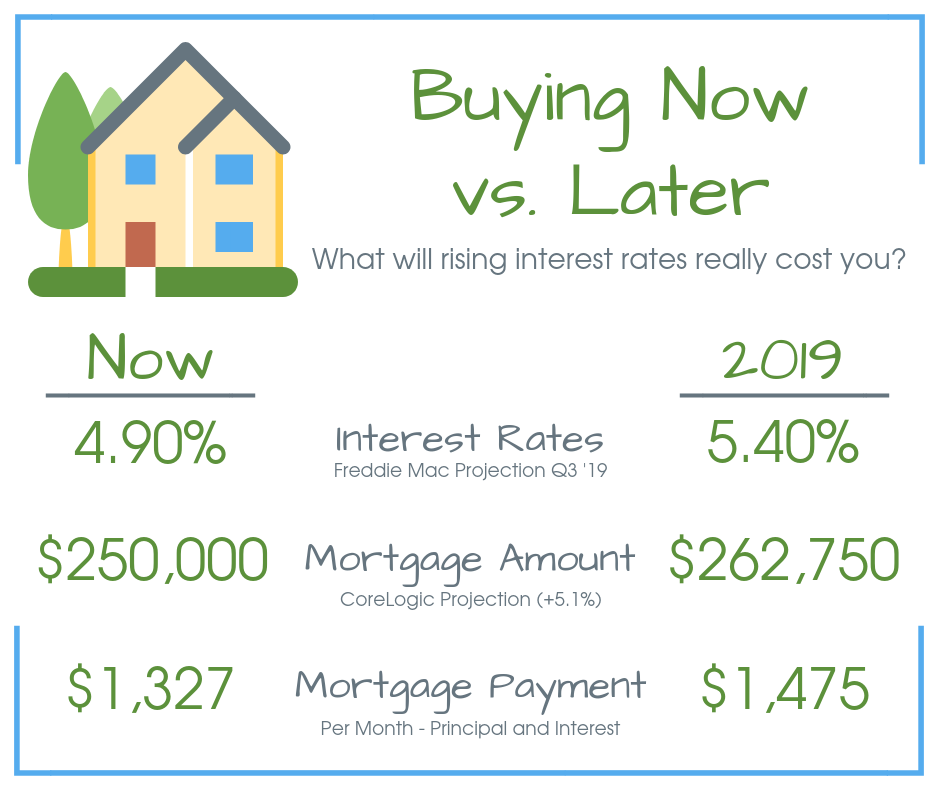
Even a small change in the interest rate can significantly alter your monthly mortgage payment. A higher rate means more of your payment goes towards interest, reducing the amount you can borrow while staying within your budget. Conversely, lower rates increase your purchasing power, allowing you to afford a more expensive home or keep more money in your pocket each month. For instance, on a $300,000 loan, a half-percentage point difference (e.g., 6.0% vs. 6.5%) can change your monthly payment by over $90, translating to tens of thousands of dollars over the life of a 30-year loan.
Total Cost of the Loan
While a lower monthly payment is appealing, the real impact of interest rates is best seen in the total cost of the loan over its entire term. A loan with a higher interest rate will cost you substantially more in interest payments over 15 or 30 years, even if the difference in monthly payments seems modest initially. This long-term view is crucial for financial planning and understanding the true expense of homeownership.
Refinancing Opportunities
Interest rates also dictate refinancing opportunities. If rates drop significantly after you’ve secured your mortgage, refinancing to a lower rate can save you a considerable amount of money over the remaining loan term. This strategy is particularly effective for fixed-rate mortgage holders, as it allows them to take advantage of improved market conditions without needing to sell their home. However, refinancing involves closing costs, so it’s essential to calculate whether the savings outweigh these upfront expenses.
Market Dynamics and Timing Your Purchase
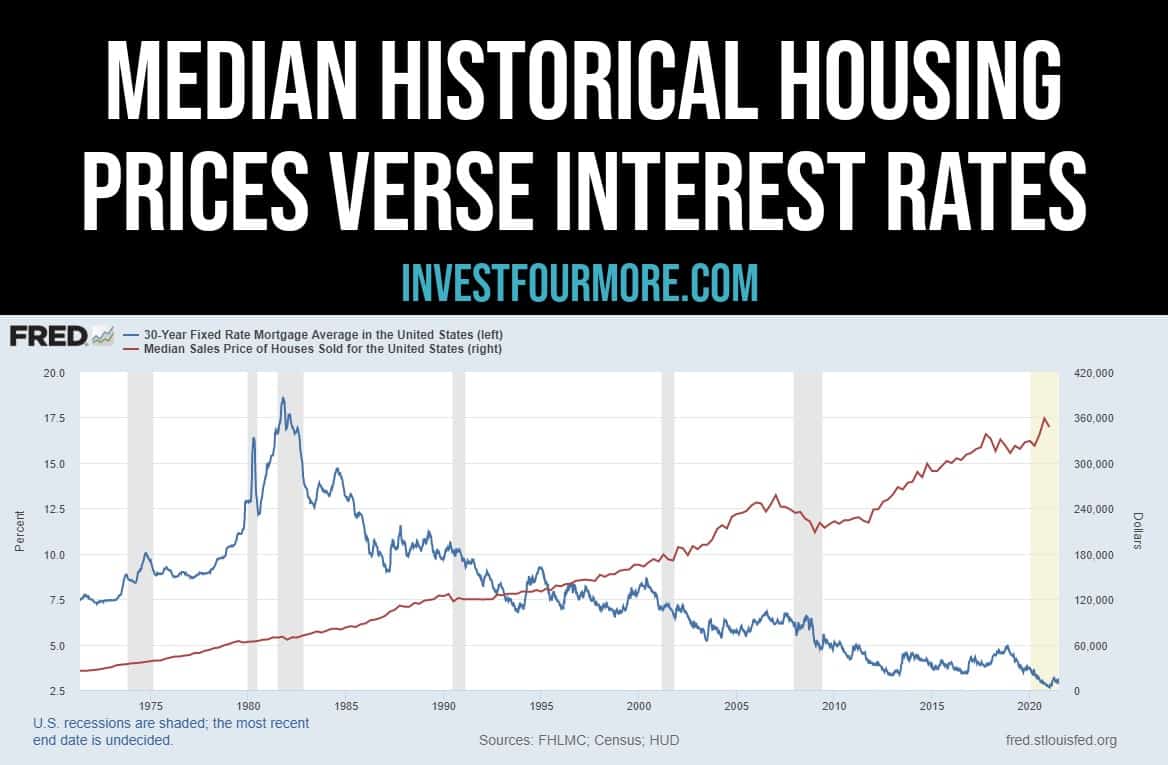
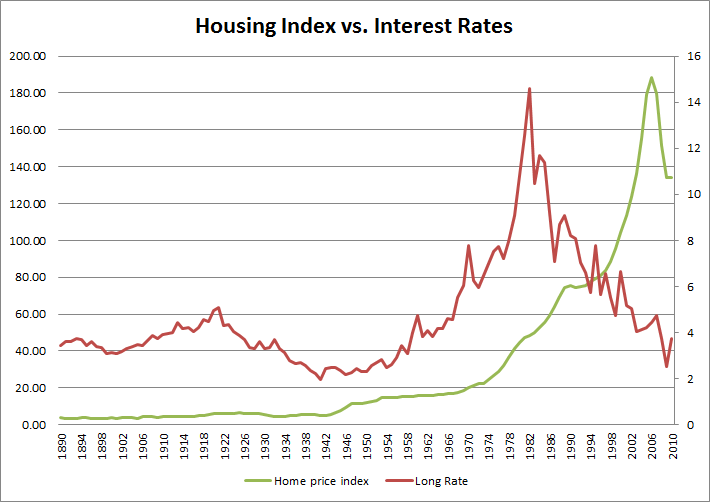
Fluctuating interest rates can significantly influence housing market dynamics. Lower rates tend to stimulate demand, making homes more affordable and potentially leading to increased competition and rising home prices. Higher rates can cool down the market by reducing affordability and discouraging potential buyers. Understanding these dynamics can help you decide when might be the optimal time to enter the market or wait for more favorable conditions, although “timing the market” is notoriously difficult and should not be the sole basis for such a significant life decision.
Navigating Interest Rates: Tips for Homebuyers
Securing the best possible interest rate can translate into substantial savings over the life of your mortgage. While you can’t control global economic forces, there are several proactive steps you can take to put yourself in a stronger position.
Improve Your Financial Profile
Before you even start house hunting, work on strengthening your financial standing:
- Boost Your Credit Score: Pay bills on time, reduce existing debt, and avoid opening new lines of credit. A higher credit score signals less risk to lenders and opens doors to lower interest rates.
- Increase Your Down Payment: A larger down payment reduces the loan amount and the lender’s risk, often resulting in a better interest rate and potentially eliminating the need for private mortgage insurance (PMI).
- Reduce Debt-to-Income (DTI) Ratio: Lenders look at your DTI, which compares your monthly debt payments to your gross monthly income. A lower DTI indicates you have more disposable income to cover mortgage payments.
Shop Around for Lenders
Don’t settle for the first offer you receive. Mortgage rates can vary significantly from one lender to another, even for the same borrower profile.
- Compare Multiple Offers: Apply to at least three to five different lenders, including traditional banks, credit unions, and online mortgage brokers. Each will have different pricing models, fees, and interest rates.
- Focus on APR: While the interest rate is important, compare the Annual Percentage Rate (APR) across offers. The APR provides a more accurate reflection of the total cost of the loan, including most fees.
- Review Loan Estimates: Lenders are required to provide a “Loan Estimate” form, which details the interest rate, monthly payment, closing costs, and other terms. Use these forms to make direct comparisons.
Understand Loan Options
Educate yourself on the different types of mortgages available and which one best suits your long-term financial goals.
- Fixed vs. Adjustable: Decide whether the stability of a fixed-rate mortgage or the potential initial savings (and risk) of an adjustable-rate mortgage aligns better with your plans.
- Loan Term: Consider whether a 15-year or 30-year term is more appropriate for your budget and wealth-building strategy. Shorter terms typically have lower rates but higher monthly payments.
- Government-Backed Loans: If eligible, explore FHA, VA, or USDA loans, as they can offer more lenient terms and competitive rates for specific groups of borrowers.
Consider a Mortgage Rate Lock
Once you’ve found a favorable interest rate, you can often “lock” it in for a specified period (e.g., 30, 45, or 60 days) while your loan application is processed.
- Protect Against Rising Rates: A rate lock guarantees that your interest rate won’t increase during the lock period, protecting you from market fluctuations.
- Understand Lock Fees: Some lenders charge a fee for a rate lock, and longer lock periods might be more expensive. Ensure the lock period is sufficient to cover your anticipated closing date.
Plan for Future Rate Changes (Especially with ARMs)
If you opt for an adjustable-rate mortgage, understand the terms of adjustment:
- Caps: Familiarize yourself with the initial adjustment cap, periodic adjustment cap, and lifetime cap on your ARM. These limit how much your interest rate can change.
- Index and Margin: Understand which index your ARM is tied to and the margin added by the lender.
- Budget for Increases: Even with caps, be prepared for potential payment increases if rates rise after the fixed period. Ensure your budget can accommodate the maximum possible payment.
Seek Professional Advice
Navigating the mortgage landscape can be complex. Don’t hesitate to seek guidance:
- Mortgage Broker: A reputable mortgage broker can help you compare offers from various lenders and find the best rates and terms for your situation.
- Financial Advisor: A financial advisor can help you assess your overall financial health and determine how a mortgage fits into your broader financial plan.
By taking these proactive steps, homebuyers can significantly improve their chances of securing a mortgage with the most advantageous interest rate, laying a solid financial foundation for their homeownership journey.
In conclusion, the interest rate for houses is far more than a simple percentage; it’s a dynamic financial instrument that fundamentally shapes the cost and feasibility of homeownership. By understanding the underlying economic forces, recognizing the various types of mortgage products, and proactively managing your financial profile, you can navigate this complex market with confidence. A well-informed decision on your mortgage interest rate is an investment in your financial future, ensuring that your dream home remains an affordable and sustainable reality.
aViewFromTheCave is a participant in the Amazon Services LLC Associates Program, an affiliate advertising program designed to provide a means for sites to earn advertising fees by advertising and linking to Amazon.com. Amazon, the Amazon logo, AmazonSupply, and the AmazonSupply logo are trademarks of Amazon.com, Inc. or its affiliates. As an Amazon Associate we earn affiliate commissions from qualifying purchases.