
The dream of homeownership often begins with the exciting prospect of finding the perfect property, but beneath the surface of architectural styles and dream kitchens lies a critical financial component: the interest rate. Far more than just a number, the interest rate on your mortgage is the single most influential factor determining the total cost of your home over its lifetime, directly impacting your monthly payments and long-term financial health. For anyone considering purchasing a home, understanding what mortgage interest rates are, how they work, what influences them, and how to secure the best possible rate is paramount to making an informed and financially sound decision. This article delves into the intricate world of mortgage interest rates, providing a comprehensive guide for aspiring homeowners navigating this complex aspect of personal finance.
Understanding Mortgage Interest Rates and Their Impact
At its core, a mortgage interest rate is the cost you pay to borrow money from a lender to purchase a home. Expressed as a percentage, it is added to the principal loan amount, gradually increasing the total sum you repay over the life of the loan. This seemingly small percentage can have a profound impact on your financial future, dictating the affordability of your monthly mortgage payments and the ultimate cost of your home.
Defining the Cost of Borrowing
When a bank or financial institution lends you money for a mortgage, they are taking on a risk. The interest rate is their compensation for that risk, as well as a reflection of the opportunity cost of lending you that money instead of investing it elsewhere. It’s not a static figure; it fluctuates daily, sometimes even hourly, based on a myriad of economic forces and individual borrower profiles. Understanding this definition is the first step towards demystifying the home-buying process.
How Interest Rates Shape Your Monthly Payment and Total Cost
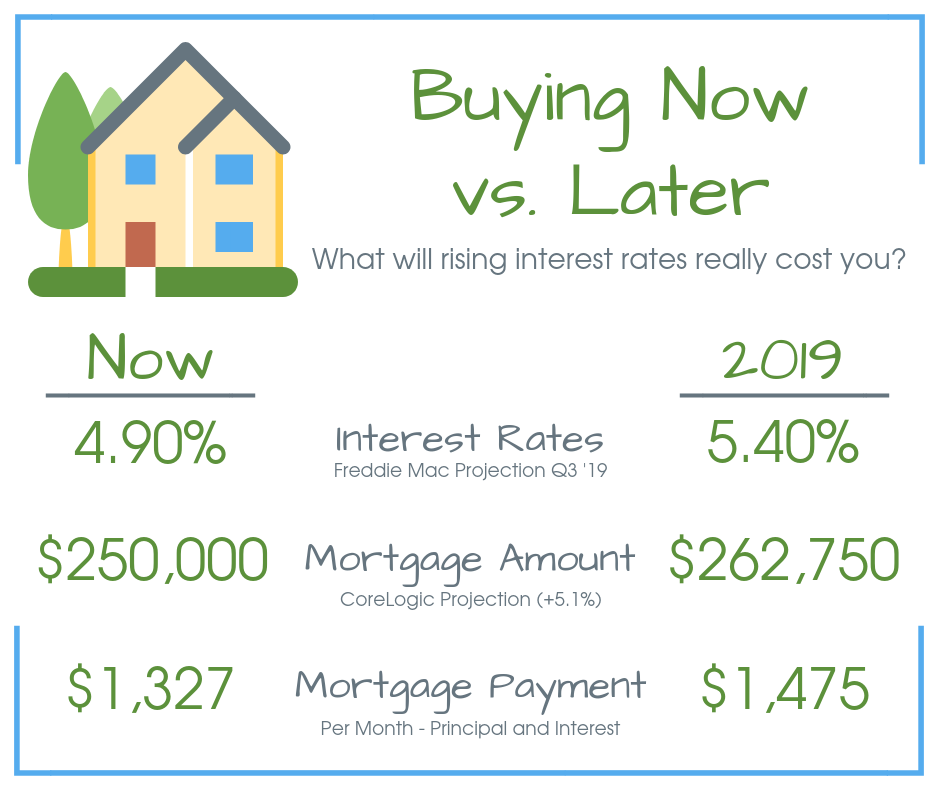
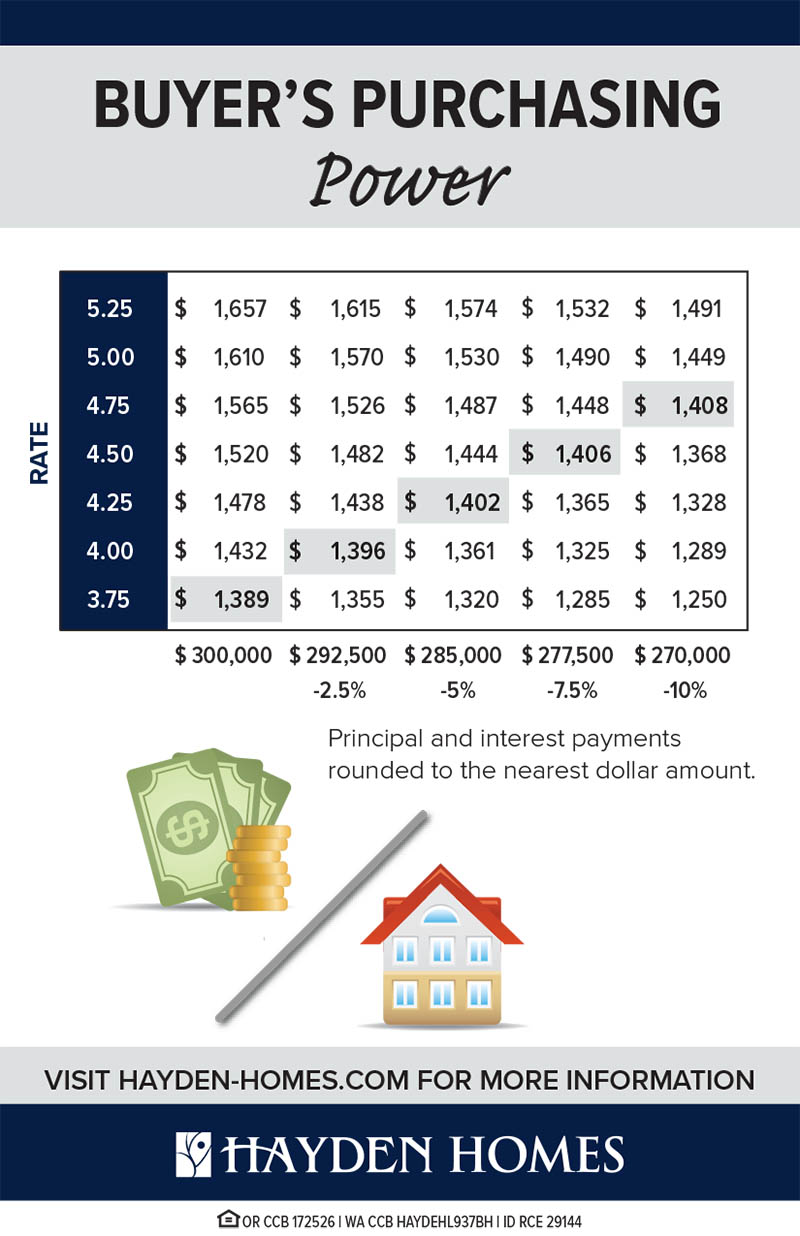
The relationship between your interest rate and your monthly mortgage payment is direct and substantial. A lower interest rate translates to lower monthly payments, making homeownership more accessible and manageable. Conversely, even a fractional increase in the interest rate can significantly inflate your monthly obligations. Over the typical 15-year or 30-year mortgage term, these seemingly small differences compound dramatically. For instance, on a $300,000 loan, a 1% difference in interest rate (e.g., from 6% to 7%) could mean tens of thousands of dollars more paid over the life of the loan, alongside hundreds of dollars added to your monthly bill. This long-term financial commitment underscores why securing the most favorable interest rate possible is not merely a preference but a financial imperative.
Key Factors Influencing Mortgage Interest Rates
Mortgage interest rates are not arbitrarily set; they are the product of a complex interplay between broad economic conditions, lender-specific policies, and individual borrower characteristics. Deciphering these factors provides valuable insight into why rates fluctuate and what steps you can take to influence the rate you receive.
Macroeconomic Conditions and Federal Policy
The broader economic landscape plays a pivotal role in shaping mortgage rates. Inflation, for instance, is a significant driver; when inflation is high, lenders demand higher interest rates to compensate for the eroding purchasing power of future repayments. The Federal Reserve’s monetary policy, particularly its decisions regarding the federal funds rate, directly influences borrowing costs for banks, which then trickle down to consumer loan products like mortgages. Additionally, the bond market, specifically the yield on U.S. Treasury bonds, serves as a benchmark for long-term interest rates, including those for fixed-rate mortgages. A rising bond yield generally signals an upward trend in mortgage rates. Geopolitical events, global economic stability, and even domestic employment figures can all contribute to the volatility and direction of mortgage rates.
Lender-Specific Criteria and Market Dynamics
While economic forces set the general trend, individual lenders also have their own criteria that influence the rates they offer. These can include their operational costs, profit margins, and risk appetite. Competition among lenders can also drive rates down, as institutions vie for market share. Mortgage lenders assess risk based on various factors, including the type of loan product, the current housing market conditions, and the potential for the borrower to default. Furthermore, the overall supply and demand for housing and mortgage credit in a particular region can subtly affect rates.
Borrower-Specific Financial Profile
Crucially, the interest rate you are offered is highly individualized, reflecting your financial strength and perceived risk.
- Credit Score: A strong credit score (typically FICO scores above 740-760) signals to lenders that you are a reliable borrower with a history of timely payments, often leading to access to the lowest available rates. Conversely, a lower credit score indicates higher risk and will result in a higher interest rate.
- Down Payment: A larger down payment reduces the loan-to-value (LTV) ratio, meaning you are borrowing a smaller percentage of the home’s value. This reduces the lender’s risk and can qualify you for a better rate. A down payment of 20% or more often exempts you from private mortgage insurance (PMI) as well.
- Debt-to-Income (DTI) Ratio: Your DTI ratio compares your total monthly debt payments to your gross monthly income. A lower DTI (generally below 43%) indicates you can comfortably manage your new mortgage payments, making you a more attractive borrower.
- Loan Type and Term: The type of mortgage (e.g., conventional, FHA, VA, USDA) and the loan term (e.g., 15-year fixed, 30-year fixed, adjustable-rate) also influence the rate. Shorter terms typically have lower interest rates because the lender’s money is tied up for less time, and adjustable-rate mortgages (ARMs) often start with lower rates than fixed-rate options.
Navigating Different Types of Mortgage Interest Rates
The world of mortgages offers various structures, each with its own approach to interest rates. Understanding the differences between these types is vital for selecting a loan that aligns with your financial goals and risk tolerance.
Fixed-Rate Mortgages: Predictability and Stability
A fixed-rate mortgage offers an interest rate that remains constant for the entire duration of the loan. This means your principal and interest payment will never change, providing unparalleled stability and predictability in your monthly budget.
- 30-Year Fixed-Rate Mortgage: The most common type, offering lower monthly payments due to the extended repayment period, though it accrues more interest over the long term.
- 15-Year Fixed-Rate Mortgage: Features higher monthly payments but a significantly lower total interest cost and faster equity build-up. It typically comes with a slightly lower interest rate than a 30-year fixed due to the reduced risk for the lender.
Fixed-rate mortgages are ideal for buyers who prioritize stability, plan to stay in their home for an extended period, or anticipate rising interest rates in the future.
Adjustable-Rate Mortgages (ARMs): Initial Savings with Future Uncertainty
Adjustable-rate mortgages, or ARMs, begin with an introductory interest rate that is fixed for a certain period (e.g., 3, 5, 7, or 10 years), after which it adjusts periodically (e.g., annually) based on a specified market index plus a margin.
- Initial Fixed Period: During this period, the interest rate is often lower than comparable fixed-rate mortgages, offering attractive initial monthly payments.
- Adjustment Periods: After the initial fixed period, the rate can go up or down, potentially altering your monthly payment significantly. ARMs usually have caps on how much the interest rate can increase or decrease per adjustment period and over the life of the loan, providing some protection.
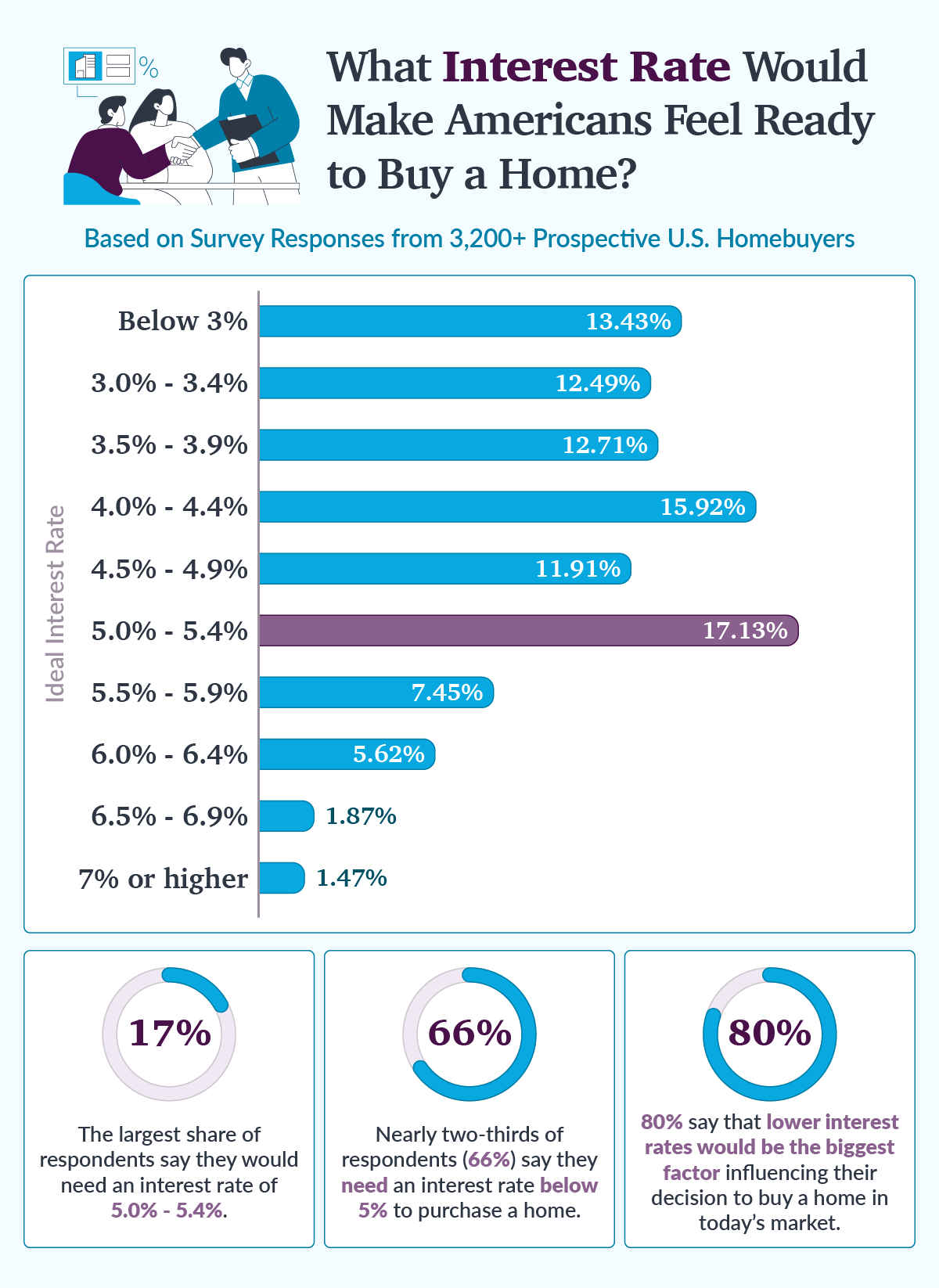
ARMs can be suitable for buyers who plan to sell their home before the fixed period ends, those who anticipate a significant increase in income, or those who expect interest rates to fall in the future. However, they carry the risk of substantially higher payments if rates rise.
Hybrid ARMs: Blending Stability and Flexibility
Hybrid ARMs (e.g., 5/1 ARM, 7/1 ARM) offer a compromise, combining aspects of both fixed-rate and adjustable-rate mortgages. The first number indicates the length of the initial fixed-rate period (in years), and the second number indicates how frequently the rate adjusts thereafter (e.g., annually). For example, a 5/1 ARM has a fixed rate for the first five years, then adjusts annually. These can be attractive for those seeking lower initial payments than a 30-year fixed, but with more predictability than a pure ARM.
Strategies for Securing a Favorable Interest Rate
Given the substantial financial implications, it pays to be proactive in your efforts to secure the best possible mortgage interest rate. Strategic planning and diligent preparation can significantly reduce your borrowing costs.
Enhance Your Creditworthiness
Your credit score is a direct reflection of your financial responsibility. Before applying for a mortgage, obtain copies of your credit reports from all three major bureaus (Equifax, Experian, TransUnion) and dispute any errors. Pay down existing debts, especially credit card balances, to lower your credit utilization ratio. Avoid opening new credit accounts or making large purchases on credit, as these actions can negatively impact your score in the months leading up to your mortgage application. A higher credit score directly translates to a lower interest rate offer.
Maximize Your Down Payment
The more money you can put down upfront, the less you need to borrow, and the less risk the lender assumes. Aiming for a 20% down payment (if feasible) not only potentially secures a better interest rate but also helps you avoid private mortgage insurance (PMI), a costly add-on for borrowers with less than 20% equity. Even if 20% isn’t achievable, every additional percentage point in your down payment can positively influence the rates you’re offered.
Shop Around and Compare Lenders
This is one of the most critical steps. Do not settle for the first offer you receive. Mortgage rates can vary significantly from one lender to another, even for the same borrower profile on the same day. Apply with multiple lenders – including banks, credit unions, and online mortgage brokers – to receive several loan estimates. Carefully compare the interest rates, annual percentage rates (APRs), closing costs, and terms of each offer. Lenders generally have a 45-day window where multiple credit inquiries for a mortgage will only count as a single inquiry, so shopping around within this timeframe won’t harm your credit score significantly.
Consider Discount Points
Discount points, also known as mortgage points, are fees paid to the lender at closing in exchange for a lower interest rate over the life of the loan. One point typically costs 1% of the loan amount and can reduce your interest rate by a fraction of a percent. While paying points increases your upfront closing costs, they can save you a substantial amount of money over the long term, especially if you plan to stay in your home for many years. Calculate the break-even point to determine if paying points makes financial sense for your situation.
Monitor Market Trends and Lock Your Rate Strategically
Interest rates are dynamic, constantly shifting with market forces. Staying informed about economic news and interest rate forecasts can help you time your rate lock. A rate lock guarantees your interest rate for a specified period (e.g., 30, 45, or 60 days) during the closing process. If rates are trending downward, you might wait to lock; if they are rising, locking in a good rate quickly becomes more important. Discuss rate lock options and potential float-down provisions (which allow you to secure a lower rate if market rates drop after your initial lock) with your lender.
The Long-Term Financial Implications of Interest Rates
The decision regarding your mortgage interest rate extends far beyond the closing date; it fundamentally shapes your long-term financial landscape as a homeowner.
Total Cost of Homeownership
A lower interest rate significantly reduces the total amount of money you will pay over the life of your loan. For a 30-year mortgage, even a half-percentage point difference can equate to tens of thousands of dollars saved, which can then be allocated to other financial goals, such as retirement savings, investments, or your children’s education. This illustrates the true power of compounding over time and underscores the value of securing the best possible rate.
Building Equity and Financial Flexibility
By reducing your interest payments, a favorable rate allows more of your monthly payment to go towards paying down the principal balance of your loan. This accelerates your equity build-up, giving you greater financial flexibility. Higher equity can be leveraged for future financial needs through a home equity loan or line of credit, or it can provide a stronger financial position when it comes time to sell your home.
Refinancing Opportunities
The interest rate environment is not static. If you secure a mortgage when rates are relatively high, there might be opportunities to refinance your loan to a lower rate in the future, should market conditions improve. Understanding the initial impact of your interest rate means you’ll be better positioned to recognize when refinancing could offer substantial savings, allowing you to further optimize your homeownership costs over time.
In conclusion, the interest rate for buying a home is much more than a fleeting number; it is a cornerstone of your personal financial planning for decades to come. By diligently understanding the factors that influence it, exploring the different types of loan structures, and employing strategic approaches to secure the most advantageous rate, you can transform the daunting process of home buying into a financially empowering journey. Armed with this knowledge, you are better equipped to make a smart, informed decision that supports your long-term financial well-being.
aViewFromTheCave is a participant in the Amazon Services LLC Associates Program, an affiliate advertising program designed to provide a means for sites to earn advertising fees by advertising and linking to Amazon.com. Amazon, the Amazon logo, AmazonSupply, and the AmazonSupply logo are trademarks of Amazon.com, Inc. or its affiliates. As an Amazon Associate we earn affiliate commissions from qualifying purchases.