
The interest rate for a mortgage loan is arguably the most critical component when considering one of life’s largest financial commitments: buying a home. More than just a number, it represents the cost of borrowing money from a lender to purchase a property. Understanding what an interest rate is, how it’s determined, and how it impacts your finances is fundamental to making informed decisions in the real estate market. This article will delve into the intricacies of mortgage interest rates, shedding light on the factors that shape them, the different types available, and strategies to secure the most favorable terms for your financial future.

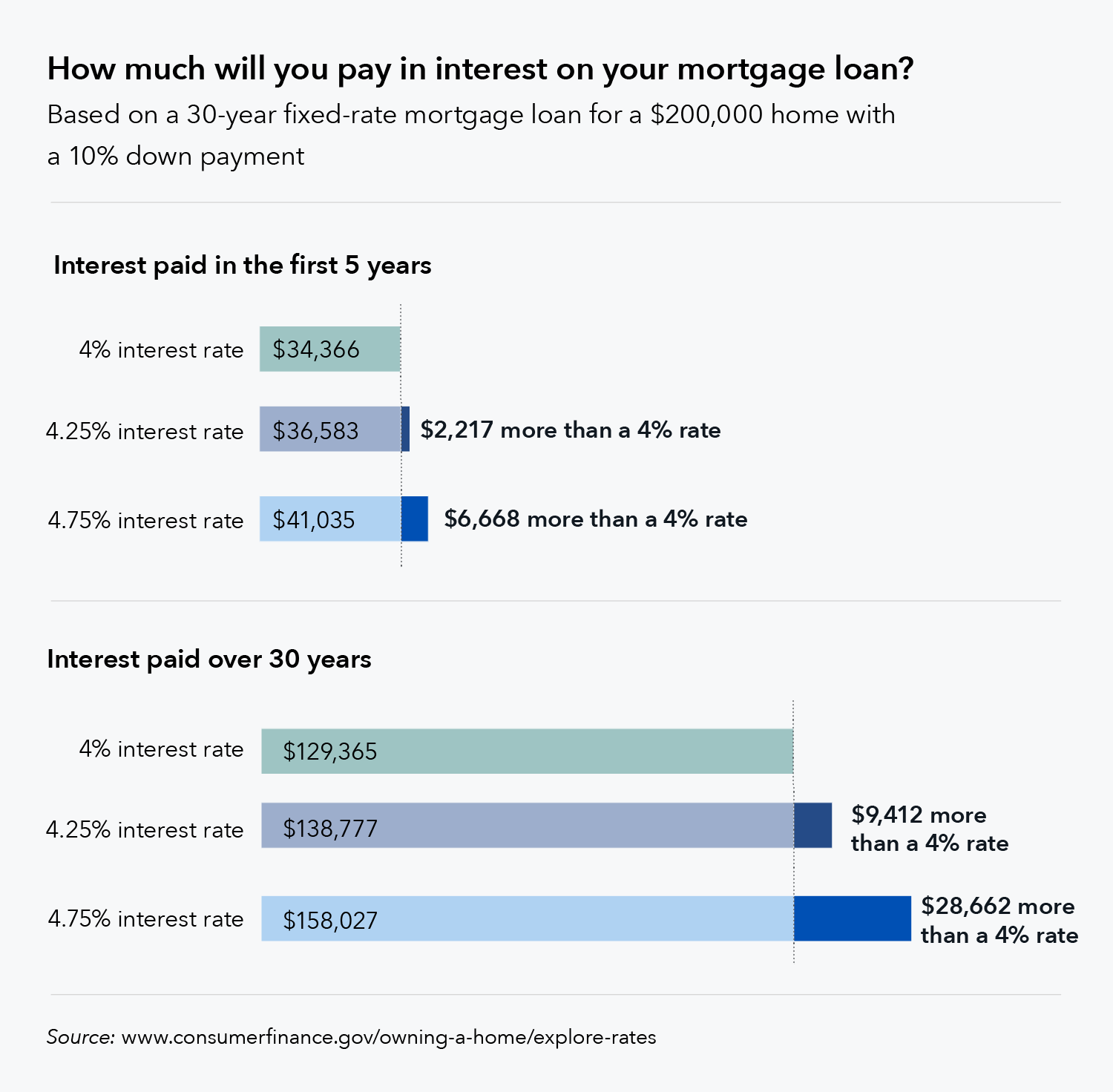
For many, a mortgage interest rate can feel like an enigmatic force, fluctuating with market whims and economic tides. However, beneath the surface, there’s a confluence of macro and microeconomic factors at play, from global financial policies to your individual creditworthiness. Grasping these dynamics empowers you not just to react to market conditions but to proactively position yourself for better lending opportunities. A seemingly small difference in an interest rate — even a quarter or half a percentage point — can translate into tens of thousands of dollars saved or spent over the lifespan of a 15-year or 30-year mortgage, significantly influencing your monthly payments and overall financial liquidity.
This exploration will provide a comprehensive guide for potential homebuyers and current homeowners alike, aiming to demystify the mortgage interest rate and equip them with the knowledge to navigate the complex world of personal finance effectively.
Understanding Mortgage Interest Rates: The Fundamentals
Before diving into the complex interplay of factors, it’s essential to establish a clear understanding of what a mortgage interest rate truly signifies and the basic forms it can take.
What is an Interest Rate?
At its core, an interest rate is the percentage charged by a lender for the use of borrowed money. For a mortgage, it’s the cost you pay each year to borrow the principal amount from the bank or financial institution, expressed as a percentage of the outstanding loan balance. This charge is added to your monthly payment, alongside a portion of the principal, property taxes, and homeowner’s insurance (often bundled into an escrow account). The interest rate determines how much of your monthly payment goes towards the “cost” of the loan versus how much reduces the actual debt.
It’s important to distinguish the interest rate from the Annual Percentage Rate (APR). While the interest rate reflects the nominal cost of borrowing, the APR is a broader measure of the total cost of the loan over its term, encompassing not only the interest rate but also most of the fees associated with obtaining the loan, such as origination fees, discount points, and some closing costs. Therefore, the APR typically provides a more accurate picture of the true cost of a mortgage, making it a better tool for comparing different loan offers.
Types of Mortgage Interest Rates
Mortgage interest rates primarily come in two fundamental types, each with distinct characteristics impacting stability and risk.
Fixed-Rate Mortgages (FRMs)
As the name suggests, a fixed-rate mortgage maintains the same interest rate throughout the entire life of the loan. This means your principal and interest payment will never change, offering predictable housing costs and protection against rising interest rates. FRMs are popular for their stability and ease of budgeting.
- Pros: Predictable monthly payments, protection from rising interest rates, easier long-term financial planning.
- Cons: You won’t benefit if market interest rates fall unless you refinance, potentially higher initial rates compared to ARMs.
Common terms for fixed-rate mortgages are 15-year and 30-year loans. A 30-year fixed-rate mortgage typically has lower monthly payments but accrues more interest over the long term, while a 15-year fixed-rate mortgage usually offers a lower interest rate, higher monthly payments, and significantly less total interest paid.
Adjustable-Rate Mortgages (ARMs)
Adjustable-rate mortgages feature an interest rate that changes periodically after an initial fixed-rate period. For example, a “5/1 ARM” means the interest rate is fixed for the first five years, and then it adjusts annually (every “1” year) for the remainder of the loan term. The rate adjustments are typically tied to a specific financial index (like the Secured Overnight Financing Rate – SOFR) plus a margin set by the lender. ARMs usually have caps on how much the interest rate can increase or decrease in a single adjustment period and over the life of the loan.
- Pros: Typically offer lower initial interest rates than FRMs, beneficial if you plan to move or refinance before the fixed period ends, or if you expect interest rates to fall.
- Cons: Monthly payments can increase significantly if interest rates rise, making budgeting more challenging and introducing payment shock.
ARMs are often attractive to borrowers who anticipate rising incomes, plan to sell their home within the initial fixed-rate period, or believe market interest rates will decline. However, they carry a higher degree of risk due to payment uncertainty.
Factors Influencing Your Mortgage Interest Rate
Mortgage interest rates are not arbitrarily set; they are a complex interplay of broad economic forces and specific borrower characteristics. Understanding these factors is key to predicting rate movements and improving your chances of securing a favorable loan.
Macroeconomic and Market Forces
Global and national economic conditions play a significant role in dictating the overall landscape of interest rates.
The Federal Reserve and Monetary Policy
The Federal Reserve (the Fed) does not directly set mortgage interest rates, but its monetary policy decisions heavily influence them. When the Fed raises or lowers the federal funds rate (the target rate for overnight borrowing between banks), it impacts the cost of money throughout the economy. Higher federal funds rates tend to lead to higher rates on various loans, including mortgages, as banks pass on their increased borrowing costs to consumers.
Inflation
Inflation, the rate at which the general level of prices for goods and services is rising, has a direct relationship with interest rates. Lenders need to ensure that the return on their loans outpaces inflation to maintain the real value of their profits. When inflation is high or expected to rise, lenders will demand higher interest rates to compensate for the erosion of purchasing power their future returns will face. Conversely, low inflation can put downward pressure on rates.
Bond Market Activity
Specifically, the yield on the 10-year Treasury bond is a critical benchmark for long-term fixed mortgage rates. Mortgage-backed securities (MBS), which are investment instruments derived from pooled mortgages, compete with Treasury bonds for investor capital. As Treasury yields rise, MBS must offer higher yields (and thus higher mortgage rates) to remain attractive to investors. Economic data releases, geopolitical events, and investor sentiment can all cause fluctuations in bond yields, subsequently affecting mortgage rates.
Overall Economic Health
A strong economy, characterized by robust job growth and consumer spending, often leads to higher interest rates as demand for credit increases and inflationary pressures build. Conversely, during economic downturns, central banks might lower rates to stimulate borrowing and investment.
Borrower-Specific Factors
While the broader economy sets the baseline, your individual financial profile significantly determines the specific rate you’ll be offered.
Credit Score
Your credit score (e.g., FICO score) is a numerical representation of your creditworthiness. Lenders use it to assess the risk of lending to you. A higher credit score (generally above 740-760) indicates a lower risk of default, making you eligible for the lowest available interest rates. Conversely, a lower credit score signals higher risk, leading to higher interest rates to compensate the lender.
Down Payment and Loan-to-Value (LTV) Ratio
The down payment is the initial amount of money you pay upfront for a home. A larger down payment reduces the amount you need to borrow, thereby lowering the loan-to-value (LTV) ratio. A lower LTV (e.g., 80% LTV from a 20% down payment) signals less risk to the lender because you have more equity in the property from the start. This often translates into better interest rates and the avoidance of Private Mortgage Insurance (PMI).
Debt-to-Income (DTI) Ratio
Your debt-to-income (DTI) ratio is the percentage of your gross monthly income that goes towards paying your monthly debt payments. Lenders typically look for a DTI below 43%, though this can vary by loan type. A lower DTI indicates you have sufficient income to manage your existing debts and the new mortgage payment, making you a less risky borrower and potentially qualifying you for lower rates.
Loan Term
The length of your mortgage loan (e.g., 15 years vs. 30 years) also impacts the interest rate. Shorter-term loans (like 15-year mortgages) typically come with lower interest rates than longer-term loans (like 30-year mortgages). This is because the lender is exposed to the risk of fluctuating interest rates for a shorter period, and you’re paying off the principal more quickly.
Loan Type
Different types of mortgages, such as conventional loans, FHA loans, VA loans, and USDA loans, cater to various borrower profiles and carry different levels of risk for lenders, thus affecting the interest rate. Government-backed loans (FHA, VA, USDA) often have more lenient credit requirements but might include specific fees (like mortgage insurance premiums) and sometimes have slightly higher rates depending on the market and the borrower’s profile.
Discount Points
Borrowers can sometimes “buy down” their interest rate by paying discount points at closing. One discount point costs 1% of the loan amount and typically reduces the interest rate by a fraction of a percentage. Whether buying points is financially beneficial depends on how long you plan to stay in the home and the specific rate reduction offered.
How to Navigate and Secure the Best Mortgage Rate
Given the myriad factors influencing mortgage interest rates, taking proactive steps can significantly impact the rate you secure and, by extension, the total cost of your home.
Optimize Your Financial Profile
Before even speaking with a lender, preparing your finances can put you in a stronger negotiating position.
- Improve Your Credit Score: Pay bills on time, reduce outstanding debt, dispute inaccuracies on your credit report, and avoid opening new credit lines before applying for a mortgage. A higher score translates directly to lower rates.
- Reduce Your Debt-to-Income Ratio: Focus on paying down high-interest debts like credit card balances or personal loans. A lower DTI demonstrates your capacity to manage more debt comfortably.
- Increase Your Down Payment: Saving more for a larger down payment reduces your LTV, signals greater financial stability, and can help you avoid PMI while securing a better interest rate. Even a slight increase in your down payment percentage can sometimes move you into a better rate tier.
Shop Around Extensively for Lenders
One of the most impactful steps you can take is to compare offers from multiple lenders. Don’t simply accept the first offer you receive.
- Get Quotes from Diverse Sources: Approach various types of lenders, including large national banks, smaller community banks, credit unions, and mortgage brokers. Each may have different rate structures, fees, and loan programs that could be a better fit for your situation.
- Compare Loan Estimates: Once you apply for a loan, lenders are required to provide you with a standardized Loan Estimate form. This document clearly outlines the interest rate, APR, monthly payment, and all closing costs. Use these forms to conduct an apples-to-apples comparison of offers, paying close attention to both the interest rate and the total fees.
- Understand the Impact on Your Credit: While applying to multiple lenders might involve multiple credit inquiries, credit bureaus typically treat multiple mortgage inquiries within a 14-to-45-day window as a single inquiry, minimizing the impact on your credit score. Therefore, shopping around within a concentrated period is advisable.
Consider a Mortgage Rate Lock
A rate lock is an agreement with your lender to guarantee a specific interest rate for a defined period, typically 30, 45, or 60 days, during which your loan is processed.
- When to Lock: If you believe interest rates are poised to rise, locking in a rate can protect you from market volatility. If you expect rates to fall, you might consider floating your rate, but this carries risk.
- Understand the Terms: Be aware of the lock period and any associated fees. Some lenders offer a “float-down” option, allowing you to secure a lower rate if market rates drop significantly before closing, often for an additional fee.
The Long-Term Impact of Mortgage Interest Rates
The interest rate you secure extends its influence far beyond your monthly payment, shaping your financial trajectory for decades.
Total Cost of the Loan
Even a seemingly minor difference in an interest rate can accumulate into substantial savings or costs over the 15 or 30 years of a mortgage. For instance, on a $300,000 30-year fixed-rate mortgage, a 0.5% difference in the interest rate (e.g., 6.5% versus 6.0%) could mean paying tens of thousands of dollars more in interest over the life of the loan. This highlights why diligence in securing the lowest possible rate is paramount. It impacts your net worth, your ability to save for other goals, and your overall financial freedom.
Affordability and Monthly Payments
The interest rate directly dictates your monthly principal and interest payment. A lower rate means a lower monthly payment for the same loan amount, which can significantly improve your cash flow and make homeownership more affordable. Conversely, higher rates can push monthly payments beyond comfortable budgeting limits, impacting your overall debt service capacity and potentially qualifying you for a smaller loan amount.
Refinancing Opportunities
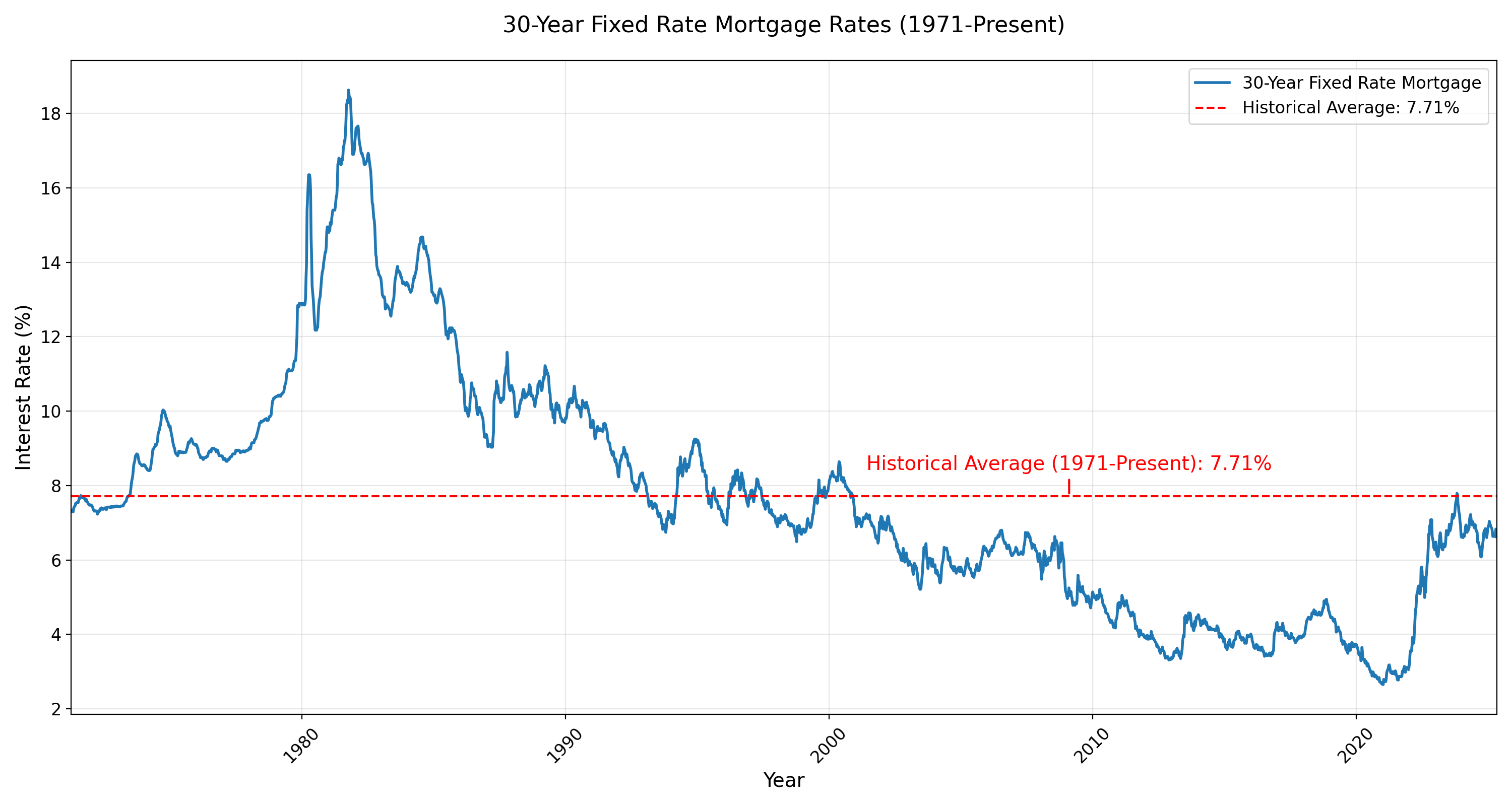
The dynamic nature of interest rates also presents opportunities for homeowners. If market interest rates drop significantly after you’ve secured your mortgage, you may have the option to refinance. Refinancing involves taking out a new loan to pay off your existing mortgage, ideally at a lower interest rate, reducing your monthly payments, or shortening your loan term. This strategy can lead to substantial long-term savings but involves new closing costs, which must be weighed against the potential savings.
In conclusion, the interest rate for a mortgage loan is a multifaceted financial instrument influenced by global economic forces, the competitive landscape of lenders, and your individual financial health. By understanding these components, proactively optimizing your financial profile, and diligently shopping for the best terms, you can significantly reduce the cost of homeownership and build a more secure financial future. This critical knowledge transforms what might seem like a daunting financial undertaking into a manageable and strategic investment in your future.
aViewFromTheCave is a participant in the Amazon Services LLC Associates Program, an affiliate advertising program designed to provide a means for sites to earn advertising fees by advertising and linking to Amazon.com. Amazon, the Amazon logo, AmazonSupply, and the AmazonSupply logo are trademarks of Amazon.com, Inc. or its affiliates. As an Amazon Associate we earn affiliate commissions from qualifying purchases.