
Navigating the world of car financing can often feel like deciphering a complex financial puzzle. At the heart of this puzzle lies the interest rate – a critical figure that dictates not just your monthly payments, but the total cost of your vehicle over the loan’s lifetime. Understanding what an interest rate is, how it’s determined, and how to secure the best possible rate is fundamental for any smart car buyer. This article delves into the intricacies of car loan interest rates, equipping you with the knowledge to make informed financial decisions and drive away with confidence.
Deconstructing Car Loan Interest Rates: The Fundamentals
Before diving into the specifics of obtaining a car loan, it’s essential to grasp the foundational concepts of interest rates themselves. This understanding forms the bedrock of savvy financial planning for your vehicle purchase.
Defining Interest: The Cost of Borrowing
In its simplest form, an interest rate is the cost of borrowing money, expressed as a percentage of the principal amount. When you take out a car loan, a lender provides you with funds to purchase a vehicle, and in return, you agree to repay that principal amount plus an additional charge – the interest. This interest compensates the lender for the risk they take in lending you money and for the time value of money. For car loans, interest is typically calculated on the remaining balance of the loan, meaning as you pay down the principal, the amount of interest accrued each period decreases. However, the initial interest rate agreed upon significantly impacts the overall trajectory of your payments and total cost. It’s not merely a small percentage; it’s a compounding factor that adds up substantially over several years. A difference of just one or two percentage points can translate into hundreds or even thousands of dollars over the life of the loan.
APR vs. Interest Rate: Understanding the Full Picture
While often used interchangeably, the Annual Percentage Rate (APR) and the nominal interest rate are distinct, though related, concepts. The interest rate is solely the percentage cost of borrowing the principal. The APR, however, provides a more comprehensive measure of the total cost of borrowing, encompassing not only the interest rate but also most other fees and charges associated with the loan, such as origination fees, administrative charges, and sometimes even credit insurance (if rolled into the loan).
For consumers, the APR is generally the more valuable figure to compare when shopping for loans because it reflects the true annual cost of borrowing. A loan might advertise a low nominal interest rate, but if it comes with high fees, its APR could be significantly higher than another loan with a slightly higher nominal interest rate but no additional fees. Lenders are legally required to disclose the APR, making it a crucial tool for transparent comparison shopping. Always ask for the APR and use it as your primary metric when evaluating different loan offers to ensure you’re comparing apples to apples.
Why Interest Rates Matter: Impact on Your Finances
The interest rate on your car loan has a profound and direct impact on your personal finances. Firstly, it dictates your monthly payment. A higher interest rate means a larger portion of each payment goes towards interest, leaving less to pay down the principal, thus resulting in a higher overall monthly obligation. Secondly, and perhaps more importantly, the interest rate significantly affects the total amount you will pay over the entire loan term. Over a 60- or 72-month loan, even a seemingly small difference in the interest rate can add up to thousands of extra dollars in total interest paid. This additional expenditure could otherwise be used for savings, investments, or other financial goals. A lower interest rate not only makes your car more affordable monthly but also reduces the financial burden over the long run, freeing up capital for other uses. Furthermore, a high interest rate can trap borrowers in a cycle of debt, particularly if they are already financially strained. Understanding this impact encourages prudent financial planning and aggressive pursuit of the best possible rates.
Key Factors Influencing Your Car Loan Interest Rate
Car loan interest rates are not arbitrarily assigned; they are the result of a complex interplay of various factors. Both personal financial health and external market conditions contribute to the rate you’re ultimately offered. Recognizing these influences empowers you to position yourself for more favorable terms.
Your Credit Score: The Primary Determinant
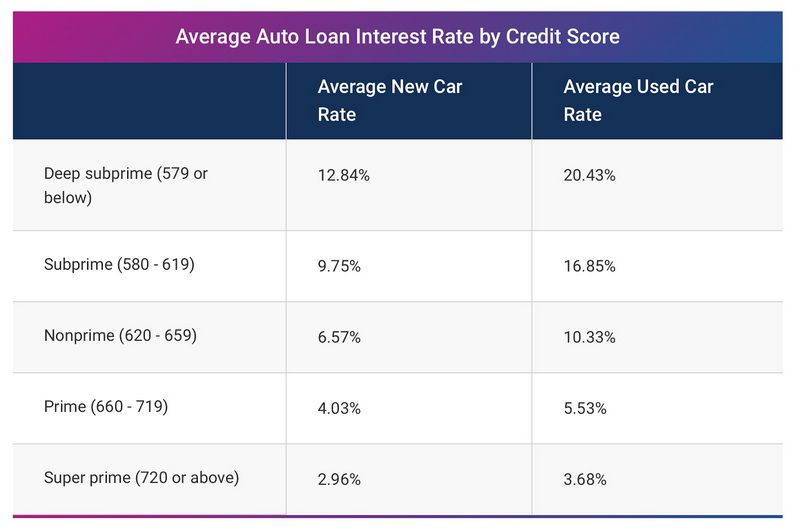
Without a doubt, your credit score stands as the most influential factor in determining the interest rate you’ll receive. Lenders use credit scores as a quick and objective measure of your creditworthiness – essentially, your perceived ability and willingness to repay debt. A higher credit score (typically FICO scores above 700, with excellent scores being 800+) signals to lenders that you are a low-risk borrower, leading them to offer lower interest rates. Conversely, a lower credit score (below 600-650) suggests a higher risk of default, prompting lenders to charge higher interest rates to compensate for that increased risk. For borrowers with poor credit, rates can sometimes be in the double digits, making a car significantly more expensive. Prior to applying for a car loan, it’s highly advisable to check your credit score and history, addressing any inaccuracies and taking steps to improve it if necessary.
Loan Term and Down Payment: Striking the Right Balance
The length of your loan term and the size of your down payment also play crucial roles. Generally, shorter loan terms (e.g., 36 or 48 months) often come with lower interest rates compared to longer terms (e.g., 72 or 84 months). This is because a shorter term reduces the lender’s risk exposure over time, and they get their money back faster. While longer terms offer lower monthly payments, they accumulate more interest over time and typically carry a higher rate.
Similarly, a larger down payment signals greater financial commitment and reduces the amount you need to borrow, thus lowering the lender’s risk. This can translate into a lower interest rate. A substantial down payment also reduces your loan-to-value (LTV) ratio, which is favorable to lenders. Aiming for at least 10-20% down payment is often recommended, especially for new cars, to secure better rates and avoid being upside down on your loan (owing more than the car is worth).
New vs. Used Cars: A Difference in Perceived Risk
The type of vehicle you purchase – new or used – also impacts the interest rate. Generally, new car loans tend to have lower interest rates than used car loans. This disparity stems from several factors: New cars typically hold their value better initially, making them less of a risk for the lender in case of repossession. They also come with warranties, implying fewer immediate mechanical issues for the borrower, which can reduce the likelihood of payment difficulties. Used cars, especially older models, are seen as higher risk due to depreciation, potential mechanical problems, and unknown maintenance history. Consequently, lenders often charge higher rates on used car loans to offset this increased risk. The age and mileage of the used car can further influence this dynamic, with older, higher-mileage vehicles typically attracting the highest rates.
Lender Type and Market Conditions: Where and When You Borrow
The entity you borrow from – whether it’s a traditional bank, a credit union, the dealership’s financing department, or an online lender – can significantly affect the rate you’re offered. Credit unions are often known for offering competitive rates because they are member-owned non-profits. Online lenders can also be very competitive due to lower overheads. Dealership financing can sometimes offer promotional rates (often subsidized by the manufacturer) but might also have higher rates if you don’t shop around.
Furthermore, broader economic market conditions, particularly the federal funds rate set by central banks, have a pervasive influence. When central banks raise benchmark rates, borrowing costs across the economy tend to increase, leading to higher car loan interest rates. Conversely, when rates are lowered, car loan rates may follow suit. The overall supply and demand for credit in the market also play a role, making timing a factor in securing the best rates.
Debt-to-Income Ratio and Loan-to-Value Ratio
Beyond your credit score, lenders assess your overall financial capacity. Your debt-to-income (DTI) ratio is a key metric, comparing your total monthly debt payments to your gross monthly income. A high DTI indicates you might be overextended financially, posing a higher risk to the lender, potentially resulting in a higher interest rate or even loan denial. Lenders prefer a DTI below 36%, with some flexibility.
The loan-to-value (LTV) ratio compares the amount you want to borrow to the car’s actual value (or purchase price). A lower LTV (meaning a larger down payment) indicates less risk for the lender, as they are financing a smaller portion of the asset’s value. A high LTV, particularly if you’re trying to finance taxes, fees, and an extended warranty into the loan with little to no down payment, makes you a higher risk and can lead to a higher interest rate.
Strategies to Secure the Most Favorable Car Loan Interest Rate
Knowing what influences interest rates is the first step; the next is proactively using that knowledge to your advantage. There are several actionable strategies you can employ to significantly improve your chances of securing a lower car loan interest rate.
Prioritize Credit Score Improvement

Given its paramount importance, taking steps to improve your credit score should be a top priority if it’s not in the excellent range. This involves several practices:
- Pay bills on time, every time: Payment history is the largest component of your credit score.
- Reduce outstanding debt: Lowering your credit utilization ratio (amount of credit used vs. available) can significantly boost your score.
- Avoid opening too many new credit accounts: This can temporarily lower your score.
- Correct errors on your credit report: Obtain free copies of your credit report from all three major bureaus (Equifax, Experian, TransUnion) and dispute any inaccuracies.
- Maintain a long credit history: The longer your positive credit history, the better.
Starting these efforts months before you plan to buy a car can yield substantial improvements, potentially saving you thousands in interest.
The Power of Comparison Shopping for Lenders
Never take the first loan offer you receive, especially from the dealership. Instead, actively shop around and compare offers from multiple lenders. This includes:
- Banks: Your current bank or other major financial institutions.
- Credit Unions: Often offer highly competitive rates due to their non-profit status.
- Online Lenders: Many reputable online platforms specialize in car loans and can provide quick pre-approvals.
- Dealership Financing: While you should shop elsewhere, dealerships can sometimes match or beat external offers, particularly for new car incentives.
It’s wise to get several pre-approvals within a short timeframe (usually 14-45 days, depending on the scoring model) to minimize the impact on your credit score, as multiple inquiries for the same type of loan are often treated as a single inquiry. This “rate shopping” strategy ensures you have leverage and a benchmark against which to evaluate any offers.
Optimize Your Down Payment and Loan Term
As discussed, a larger down payment and a shorter loan term generally lead to lower interest rates.
- Increase your down payment: Save aggressively to put down as much as you comfortably can. A down payment of 20% or more for new cars, and at least 10% for used cars, is an excellent target. This not only reduces your interest burden but also helps you avoid negative equity.
- Choose the shortest feasible loan term: While longer terms mean lower monthly payments, they dramatically increase the total interest paid. Opt for the shortest term you can afford without straining your monthly budget. If you choose a longer term for affordability, consider making extra principal payments to effectively shorten the loan and reduce interest.
Consider Refinancing for Better Terms
If you’ve already secured a car loan but your credit score has significantly improved since then, or if market rates have dropped, refinancing your car loan could be a viable strategy to lower your interest rate. Refinancing involves taking out a new loan to pay off your existing one, ideally at a lower interest rate or with more favorable terms. This can reduce your monthly payments or the total amount of interest you pay over the remaining life of the loan. It’s an opportunity to leverage your improved financial standing or current market conditions.
Pre-approval: A Strategic Advantage
Getting pre-approved for a car loan before you even step foot in a dealership provides a significant strategic advantage. A pre-approval means a lender has conditionally agreed to lend you a specific amount at a certain interest rate, based on your creditworthiness. This transforms you into a “cash buyer” in the eyes of the dealership, allowing you to negotiate the car’s price separately from the financing. With a pre-approval in hand, you have a solid offer to compare against any financing options the dealership might present, preventing them from marking up the interest rate or bundling unfavorable terms. It simplifies the negotiation process and empowers you to focus purely on the vehicle’s price.
Beyond the Rate: Calculating and Understanding Your Total Loan Cost
While the interest rate is a central piece of the puzzle, a truly savvy car buyer understands that it’s part of a larger equation. A holistic view of your total loan cost ensures you’re prepared for all financial aspects of your vehicle purchase.
Estimating Your Monthly Payments and Total Interest Paid
Before committing to a loan, it’s crucial to estimate both your potential monthly payments and the total amount of interest you’ll pay over the loan’s life. Online car loan calculators are invaluable tools for this purpose. By inputting the principal loan amount, the interest rate, and the loan term, you can quickly see how these variables interact.
- Monthly Payment: Understand if the payment fits comfortably within your budget without stretching your finances thin. Remember to account for insurance, fuel, and maintenance costs in your overall car budget.
- Total Interest Paid: This figure clearly illustrates the “true cost” of borrowing. Even a slight reduction in the interest rate or shortening the loan term can lead to substantial savings in total interest, especially over several years. Being aware of this total cost helps in making a financially sound decision rather than just focusing on the lowest monthly payment.
The Hidden Costs and Fees to Watch Out For
Beyond the interest rate and principal, car loans can come with various fees and charges that inflate the overall cost. These are often rolled into the loan or required upfront, so it’s vital to scrutinize your loan agreement carefully.
- Origination Fees: Charged by the lender for processing the loan.
- Documentation Fees (Doc Fees): Charged by the dealership for preparing the paperwork. These vary widely by state and dealer.
- Prepayment Penalties: Some loans charge a fee if you pay off the loan early. Ensure your loan doesn’t have these if you plan to pay it off ahead of schedule.
- Late Payment Fees: Standard penalties for missed payments.
- Credit Life/Disability Insurance: Often offered by dealers, these are usually expensive and often unnecessary. Politely decline if you have adequate existing coverage.
- Extended Warranties/Service Contracts: While sometimes beneficial, these are often heavily marked up by dealerships and can be financed into your loan, adding significant interest. Consider purchasing these separately, if at all, and shop around.
Always request an itemized breakdown of all costs and fees, and question anything you don’t understand or that seems excessive.
Making Informed Decisions: A Long-Term Perspective
A car purchase is a significant financial commitment, often stretching over several years. Therefore, making an informed decision requires a long-term financial perspective. Consider not just the immediate affordability of the monthly payment, but the cumulative impact of the interest and fees on your overall financial health.
- Total Cost of Ownership: Factor in not just the loan costs but also insurance, fuel, maintenance, and potential depreciation.
- Opportunity Cost: Consider what else you could do with the money saved by securing a lower interest rate or by choosing a less expensive car.
- Future Financial Goals: Ensure your car loan doesn’t jeopardize other important financial goals like saving for a house down payment, retirement, or children’s education.
By taking a comprehensive, long-term view, you transform a potentially daunting purchase into a strategic financial move that aligns with your broader financial objectives.
Navigating the Car Loan Landscape: Future Trends and Expert Insights
The financial landscape is ever-evolving, and car loans are no exception. Staying abreast of current trends and heeding expert advice can help you navigate the market effectively, both today and in the future.
The Dynamic Nature of Interest Rates
Interest rates are not static; they fluctuate based on a multitude of economic indicators, central bank policies, and market sentiment. Geopolitical events, inflation rates, and employment figures can all play a role in shaping the direction of interest rates. For instance, in periods of high inflation, central banks might raise interest rates to cool down the economy, which in turn leads to higher borrowing costs for consumers. Conversely, during economic downturns, rates might be lowered to stimulate spending. Understanding this dynamic nature means that the “best” interest rate you can get today might be different from what it was a year ago or what it will be a year from now. Therefore, staying informed about economic forecasts and timing your car purchase with favorable rate environments can be a smart move, though not always practical or predictable.
Leveraging Financial Tools and Resources
The digital age offers an abundance of financial tools and resources that can significantly aid your car loan search.
- Online Calculators: As mentioned, these help in quickly estimating payments and total interest.
- Comparison Websites: Platforms that allow you to compare loan offers from multiple lenders side-by-side, often providing pre-qualification options without a hard credit inquiry.
- Credit Monitoring Services: Essential for keeping an eye on your credit score and history, alerting you to changes or potential fraud. Many banks and credit card companies offer free credit score access.
- Financial Advisors/Counselors: For those facing complex financial situations or simply wanting expert guidance, a financial advisor can offer personalized advice on budgeting, debt management, and optimizing loan structures.
By effectively utilizing these resources, you empower yourself with knowledge and efficiency in your car financing journey.
Final Considerations for a Smart Car Purchase
Ultimately, a smart car purchase is about more than just finding a vehicle you like; it’s about integrating that purchase seamlessly and affordably into your financial life.
- Budgeting: Create a realistic budget that accounts for the car’s price, down payment, monthly loan payments, insurance, fuel, maintenance, and potential repairs. Don’t forget registration fees and taxes.
- Needs vs. Wants: Distinguish between what you truly need in a vehicle and what you simply want. Overspending on features or a car beyond your budget can lead to financial strain.
- Read the Fine Print: Before signing any loan agreement, read every clause carefully. Understand all terms, conditions, and any potential penalties. If something is unclear, ask for clarification until you fully grasp it.
- Don’t Rush: A car purchase is a major decision. Take your time, do your research, and don’t feel pressured by sales tactics.
By approaching the car loan process with diligence, armed with knowledge about interest rates and a commitment to sound financial practices, you can ensure your next vehicle acquisition is a financially intelligent and stress-free experience.
aViewFromTheCave is a participant in the Amazon Services LLC Associates Program, an affiliate advertising program designed to provide a means for sites to earn advertising fees by advertising and linking to Amazon.com. Amazon, the Amazon logo, AmazonSupply, and the AmazonSupply logo are trademarks of Amazon.com, Inc. or its affiliates. As an Amazon Associate we earn affiliate commissions from qualifying purchases.