
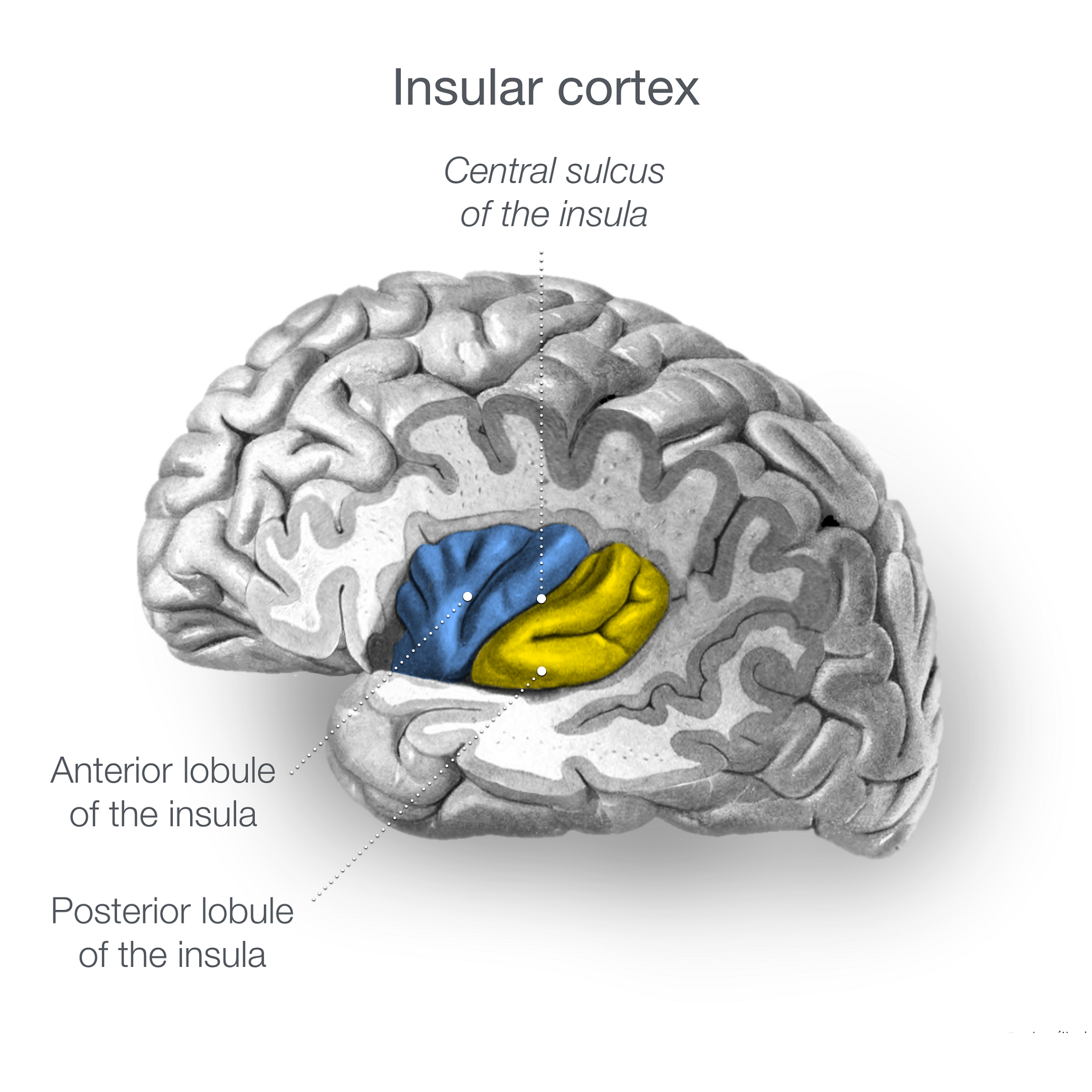
In the intricate dance of personal finance, investment strategies, and business decisions, we often attribute success or failure to analytical prowess, market knowledge, or external economic forces. However, a growing body of research in neurofinance suggests that the very architecture of our brains plays a profound and often unconscious role in shaping our monetary outcomes. At the heart of this neural labyrinth lies a small yet mighty region known as the insula, a sliver of cortex tucked deep within the lateral sulcus, acting as a crucial mediator between our bodily sensations, emotions, and cognitive decision-making, particularly when money is on the line.

The insula, derived from the Latin word for “island,” lives up to its name, being somewhat isolated but intimately connected to numerous brain regions involved in everything from pain perception and empathy to self-awareness and risk assessment. For too long, the financial world has operated under the assumption of rational economic agents, but the insula’s significant influence on our gut feelings, emotional responses to gains and losses, and even our capacity for financial empathy paints a far more complex picture. Understanding this enigmatic brain region isn’t just a matter of academic curiosity; it’s a pathway to greater financial self-awareness, smarter investment choices, and ultimately, a more robust relationship with our money.
The Insula: A Neural Hub for Financial Instincts
The insula serves as a central integration point for interoception—the sense of the physiological condition of the body. It processes signals from our internal organs, temperature, heart rate, and gut feelings, translating these raw bodily sensations into conscious emotional experiences. This fundamental function makes the insula exceptionally relevant to the world of money, where “gut feelings” often precede or even dictate complex financial decisions.
Connecting Body Signals to Monetary Decisions
When you feel a knot in your stomach before a risky investment, or a surge of excitement after a market win, it’s often your insula at work. It monitors your physiological state and integrates this information with external financial stimuli. This means that your physical comfort or discomfort can subtly but significantly sway your financial judgment. Researchers have shown that activation of the anterior insula, in particular, correlates with the experience of risk and uncertainty. It’s not just processing the data of a potential loss; it’s generating the feeling of aversion to that loss, a visceral reaction that can override purely rational calculations.
The Role in Anticipation and Risk Aversion
The insula is highly active not just during actual financial events but also in anticipation of them. Imagine the moments leading up to an investment decision where the outcome is uncertain: your heart rate might quicken, your palms might sweat. The insula integrates these autonomic responses with the cognitive assessment of risk. This makes it a key player in our individual risk tolerance. For individuals with a highly active insula in response to potential losses, a strong aversion to risk might emerge, leading them to shy away from potentially lucrative but volatile investments. Conversely, a less reactive insula might contribute to a higher risk appetite, sometimes bordering on impulsivity.
Decoding Risk and Reward: How the Insula Shapes Investment Choices
In the volatile arenas of stocks, bonds, and cryptocurrencies, every decision is a calculation of risk versus reward. The insula, far from being a passive observer, actively participates in this intricate equation, often tipping the scales in ways we might not consciously perceive.
Emotional Processing and Market Fluctuations
The insula is a critical component of the brain’s salience network, responsible for detecting and responding to significant events. In a financial context, this translates to heightened activity during periods of market volatility, unexpected gains, or sudden losses. When the market experiences a sharp downturn, the insula’s activation can contribute to feelings of fear, anxiety, or even panic, potentially leading to irrational selling decisions. Conversely, in a bull market, while other reward centers might light up, the insula’s role in integrating this positive emotional state can influence overconfidence, leading to excessive risk-taking or chasing hot trends without sufficient due diligence.
The Disgust Response in Investment Decisions
One of the fascinating insights into the insula’s function relates to its role in processing disgust. While typically associated with sensory experiences like foul smells or tastes, financial disgust is a real phenomenon. Imagine an investment scheme that feels “dirty” or unethical, or a financial product with hidden fees that evokes a sense of being “ripped off.” The insula’s activity in these scenarios can trigger a strong aversion, protecting individuals from engaging in potentially exploitative or financially detrimental situations, even if the pure rational analysis might suggest a different course of action. This “gut feeling” of revulsion can be a powerful guardian against scams and predatory practices.
Anticipation of Gains and Losses
The insula is not just reactive; it’s also anticipatory. It plays a significant role in predicting future states and preparing the body for potential outcomes. When an investor anticipates a significant gain, the insula, alongside reward circuits, contributes to the feeling of excitement and motivation. However, its most pronounced activity often occurs during the anticipation of loss. This strong aversion to potential losses, known as “loss aversion,” is a well-documented psychological phenomenon, and the insula’s neural signature is a key part of its biological underpinning. This neural predisposition can explain why individuals might cling to losing investments for too long, hoping to avoid the pain of realizing a loss, or why they might be overly cautious with their capital, missing out on growth opportunities.
Beyond Logic: The Insula’s Role in Behavioral Finance

Traditional economic models often assume perfect rationality, but behavioral finance acknowledges the profound impact of psychological factors on economic decisions. The insula provides a crucial neural lens through which to understand many of these behavioral biases, bridging the gap between brain science and everyday financial realities.
Impulse Control and Spending Habits
The insula’s connections to the prefrontal cortex—the brain’s executive control center—are vital for impulse control. When presented with immediate gratification (e.g., an impulsive purchase) versus delayed reward (e.g., saving for retirement), the insula processes the immediate emotional pull and the potential future consequences. A highly active insula in response to immediate gratification might make it harder to resist impulsive spending, while a well-regulated insula, working in concert with the prefrontal cortex, can help individuals defer gratification and adhere to long-term financial plans. Understanding this interplay can empower individuals to develop strategies for better budgeting and saving.
Trust, Reciprocity, and Financial Relationships
Financial interactions are rarely purely transactional; they are often imbued with elements of trust and reciprocity. Whether it’s choosing a financial advisor, entering a business partnership, or even deciding whether to lend money to a friend, our perception of trustworthiness is paramount. The insula is implicated in processing social emotions like empathy and trust. It helps us evaluate the intentions of others and can generate a feeling of unease or comfort based on social cues. When we feel a sense of trust towards a financial institution or individual, the insula might contribute to a sense of security, facilitating investment or collaboration. Conversely, a lack of trust, often manifesting as a “bad feeling,” can correctly steer us away from fraudulent schemes or unreliable partners.
The Somatic Marker Hypothesis in Financial Contexts
The Somatic Marker Hypothesis, proposed by neurologist Antonio Damasio, posits that emotions and feelings (somatic markers) play a critical role in decision-making, especially in complex and uncertain situations. The insula is a central player in generating and integrating these somatic markers. In financial decision-making, these markers act as unconscious alarm bells or green lights. For instance, a past negative financial experience might create a “somatic marker” that triggers an unpleasant gut feeling when faced with a similar investment scenario, guiding the individual away from a potentially risky choice without conscious deliberation. Conversely, positive experiences can create markers that encourage repetition of successful strategies. Recognizing the influence of these unconscious signals, driven by the insula, can help us develop a more nuanced understanding of our financial intuition.
Cultivating Financial Intelligence: Applying Insula Insights
While we cannot directly control our insula’s activity, understanding its profound influence offers actionable insights for improving financial decision-making and fostering greater financial well-being. This isn’t about overriding our emotions entirely but rather about consciously integrating them with rational thought.
Enhancing Emotional Regulation and Self-Awareness
The first step is cultivating greater self-awareness regarding our emotional responses to money. By paying attention to the physical sensations and feelings that arise when making financial decisions—the racing heart, the tight chest, the sudden urge to act or withdraw—we can begin to identify the insula’s signals. Techniques like mindfulness and meditation can improve interoceptive awareness, allowing us to better distinguish between valid intuitive warnings and emotionally charged biases. Journaling financial decisions and their emotional context can also reveal patterns.
Developing a Balanced Perspective on Risk
Given the insula’s strong role in risk aversion and loss aversion, consciously challenging our initial emotional reactions to risk is crucial. This involves stepping back, gathering objective data, and applying a systematic framework for evaluating investments. For example, before panicking during a market downturn, acknowledge the fear, but then consult your long-term financial plan, assess the fundamental value of your assets, and avoid impulsive selling. Conversely, during periods of market exuberance, recognize the potential for overconfidence and apply stringent due diligence before chasing speculative assets.
Strategic Pauses and Deliberate Decisions
One of the most effective strategies is to introduce “strategic pauses” before making significant financial decisions. If the insula is signaling strong emotions, taking time to cool off, sleep on it, or consult with a trusted (and objective) advisor can allow the prefrontal cortex to engage more fully. This deliberate delay helps to mitigate the immediate, often impulsive, influence of emotionally charged somatic markers, allowing for a more rational and considered outcome. This is particularly vital for large investments, significant purchases, or responding to market volatility.
The Future of Neurofinance: What’s Next for Understanding the Money Brain
The field of neurofinance is still relatively nascent, but its implications for personal and business finance are enormous. As technology advances, allowing for more sophisticated brain imaging and real-time biometric feedback, our understanding of the insula’s role will only deepen.
Future research may explore personalized financial coaching that incorporates an individual’s unique neurobiological profile. Imagine financial tools that provide real-time feedback on your emotional state during trading, or algorithms designed to help you recognize and counter your specific behavioral biases by understanding how your insula responds to different financial stimuli. Businesses might leverage these insights to design products, marketing campaigns, and employee incentive structures that resonate more effectively with the human brain’s natural predispositions.
The insula, this tiny island of cortex, stands as a powerful testament to the intricate interplay between our biology and our financial lives. By acknowledging its influence, we can move beyond the myth of pure rationality, embracing a more holistic and ultimately more intelligent approach to managing our money, making informed decisions, and navigating the complex financial landscape with greater wisdom and resilience.
aViewFromTheCave is a participant in the Amazon Services LLC Associates Program, an affiliate advertising program designed to provide a means for sites to earn advertising fees by advertising and linking to Amazon.com. Amazon, the Amazon logo, AmazonSupply, and the AmazonSupply logo are trademarks of Amazon.com, Inc. or its affiliates. As an Amazon Associate we earn affiliate commissions from qualifying purchases.