
The ubiquitous nature of infectious diseases, from the common cold to more serious bacterial infections like strep throat, presents a constant challenge to public health and individual well-being. Understanding the timeline of an illness, particularly its incubation period, is crucial for effective prevention, diagnosis, and management. While the question “what is the incubation period for strep throat” might seem purely medical, its implications extend significantly into the realm of technology, influencing how we develop diagnostic tools, track outbreaks, and implement preventative measures in our increasingly connected world. This article will explore the incubation period of strep throat and, more importantly, delve into the technological advancements that empower us to better understand, monitor, and combat such pathogens.

The Biology of Strep Throat and Its Incubation Window
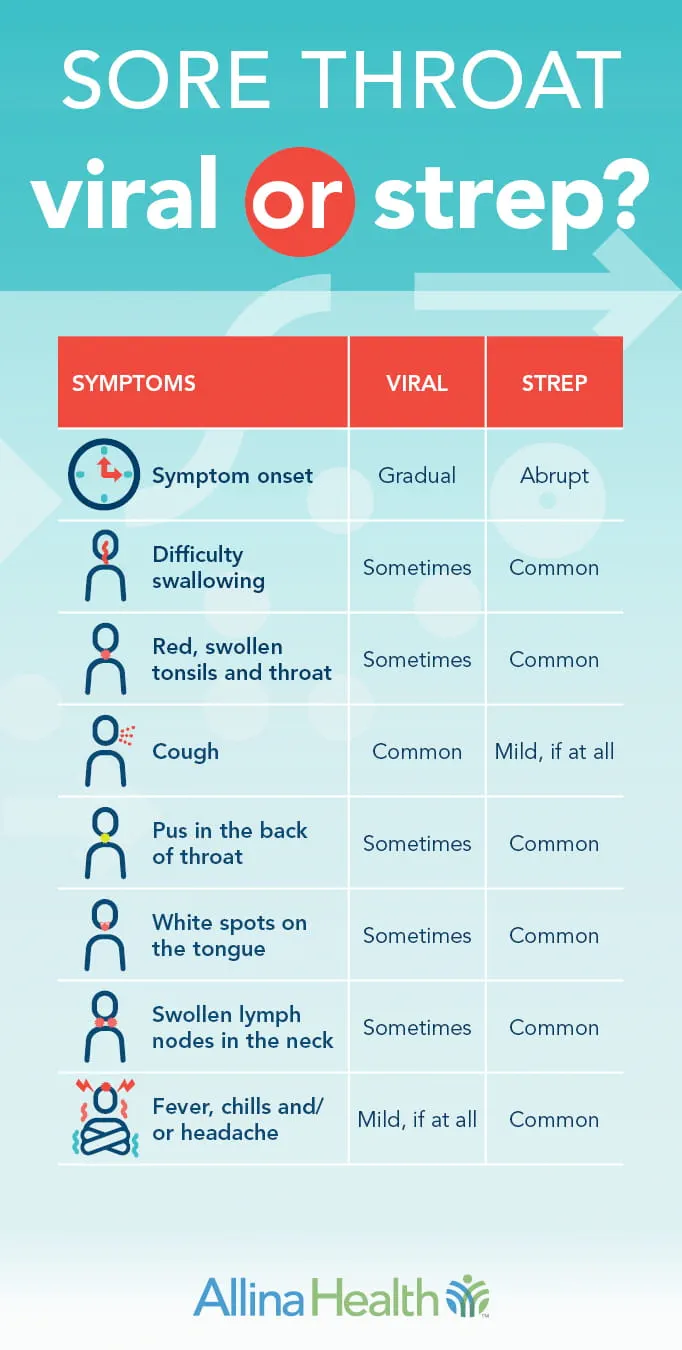
Strep throat, scientifically known as streptococcal pharyngitis, is a bacterial infection caused by Streptococcus pyogenes (Group A Streptococcus). This bacterium primarily affects the throat and tonsils, leading to a sore throat, fever, and sometimes white patches or streaks of pus on the tonsils. The incubation period refers to the time elapsed between the initial exposure to the pathogen and the onset of symptoms. For strep throat, this window is remarkably consistent, providing valuable insights for both clinical practice and epidemiological tracking.
Defining the Incubation Period: A Critical Biological Factor
The incubation period for strep throat is generally understood to be relatively short, typically ranging from 2 to 5 days. However, some sources may extend this range slightly, with some individuals developing symptoms as early as 1 day after exposure or as late as 7 days. This variability is influenced by several factors, including the individual’s immune system, the specific strain of Streptococcus pyogenes involved, and the initial dose of bacteria encountered. During this incubation phase, the bacteria are multiplying within the host’s respiratory tract, but the body’s immune response has not yet manifested in noticeable symptoms. This silent period is a critical aspect of understanding disease transmission, as an infected individual can be contagious even before they feel unwell.
Factors Influencing Incubation Variability
The subtle variations in the incubation period of strep throat are not random. A robust immune system can often mount a quicker defense, potentially shortening the timeline to symptom onset. Conversely, individuals with weakened immune systems or those who are otherwise compromised may experience a slightly longer incubation period. Furthermore, the sheer number of bacteria an individual is exposed to plays a significant role. A high-dose exposure is more likely to overwhelm the initial immune defenses, leading to a faster progression to symptomatic illness. Understanding these biological nuances is the foundational step that technology aims to leverage for more effective interventions.
Technological Innovations in Diagnosing and Tracking Strep Throat
The medical community has long relied on clinical observation and laboratory tests to diagnose strep throat. However, the advent of advanced technologies has revolutionized these processes, making diagnosis faster, more accurate, and more accessible. From rapid antigen detection tests to sophisticated genomic sequencing, technology is at the forefront of our fight against bacterial infections.
Rapid Diagnostic Tests: Speeding Up Identification
One of the most impactful technological advancements in the diagnosis of strep throat has been the development of rapid antigen detection tests (RADTs). These point-of-care tests can be performed in a doctor’s office or clinic and provide results within minutes. They work by detecting specific antigens (proteins) from the Streptococcus pyogenes bacteria in a throat swab sample. Historically, the confirmation of strep throat relied on throat cultures, which are highly accurate but require 24-48 hours for results. RADTs, while sometimes less sensitive than cultures, offer a significant advantage in terms of speed. This allows for prompt treatment with antibiotics, which is crucial for preventing complications such as rheumatic fever and reducing the period of contagiousness. The development of these tests has been a prime example of bioengineering and medical device innovation, directly impacting public health outcomes by enabling quicker interventions based on identifying the pathogen’s presence within or near the typical incubation period.
The Role of Molecular Diagnostics and PCR

Beyond RADTs, more advanced molecular diagnostic techniques, such as Polymerase Chain Reaction (PCR), are increasingly being employed. PCR tests amplify specific DNA sequences of the bacteria, offering even greater sensitivity and specificity than RADTs. While typically performed in a laboratory setting, PCR offers near-instantaneous identification once the amplification process is complete. This technology allows for the definitive diagnosis of strep throat, even in cases where RADTs might yield a false negative. Furthermore, the ability to perform PCR in a timely manner helps clinicians differentiate between viral and bacterial causes of sore throat, ensuring that antibiotics are prescribed only when necessary. This targeted approach is vital in combating antibiotic resistance, a growing global health concern amplified by the overuse of these critical medications. The precision of PCR contributes to a better understanding of pathogen presence and has implications for epidemiological studies, allowing for the tracking of specific strains and their spread.
Leveraging Data and Digital Tools for Public Health Surveillance
The concept of incubation periods is not just relevant for individual diagnosis but is also a cornerstone of public health surveillance. In the digital age, technology provides unprecedented tools for monitoring disease outbreaks, predicting their spread, and informing public health interventions. Understanding the incubation period of strep throat, for instance, is crucial for public health agencies to track patterns and respond effectively.
Digital Platforms for Disease Reporting and Analysis
The development of digital platforms for disease reporting and analysis has transformed how public health agencies monitor infectious diseases. Electronic health records (EHRs), integrated with robust data analytics systems, allow for the near real-time aggregation of clinical data. When a case of strep throat is diagnosed, the information, including the approximate date of symptom onset (which implicitly relates to the incubation period post-exposure), can be anonymously fed into these systems. This data can then be analyzed to identify clusters of cases, potential geographic hotspots, and unusual trends in incidence. Such systems enable epidemiologists to react more swiftly to outbreaks, allocate resources effectively, and disseminate public health messaging tailored to the specific needs of affected communities. This proactive approach, informed by data and technological infrastructure, directly addresses the challenges posed by the incubation period, allowing for interventions before widespread transmission occurs.
Predictive Modeling and Forecasting of Outbreaks
The integration of artificial intelligence (AI) and machine learning (ML) into public health surveillance offers even more sophisticated capabilities. Predictive modeling and forecasting of outbreaks can utilize historical data, including factors related to incubation periods, along with environmental factors, population density, and travel patterns, to anticipate the trajectory of infectious disease spread. For strep throat, understanding the typical incubation period allows models to estimate the likely spread of infection within communities. If an initial cluster of cases is identified, models can predict how many individuals are likely to become symptomatic in the coming days and weeks, based on the known incubation timeline. This foresight enables public health officials to prepare healthcare facilities, stock necessary medications, and implement targeted public health campaigns to mitigate the impact of the predicted wave of infections. The ability to forecast, grounded in biological understanding like the incubation period, is a testament to the power of technology in proactive health management.
The Future: Wearable Tech and Personalized Health Monitoring
The evolution of wearable technology and the burgeoning field of personalized health monitoring are poised to further revolutionize our approach to infectious diseases, including strep throat. While not yet mainstream for diagnosing bacterial infections like strep, the potential for these technologies to contribute to early detection and prevention is immense.
Early Symptom Detection with Wearables
Imagine a future where wearable devices, beyond tracking steps and heart rate, can continuously monitor subtle physiological changes indicative of an impending infection. While current wearables are not equipped to directly detect the presence of Streptococcus pyogenes, they can potentially identify early deviations from an individual’s baseline health. For example, a sudden and unexplained increase in body temperature, alterations in sleep patterns, or changes in heart rate variability might be early signals of the body fighting off an infection. If these subtle changes align with the expected incubation period of an illness, it could prompt an individual to seek medical attention sooner, potentially even before they develop the classic sore throat of strep. This early detection, powered by continuous physiological monitoring, could significantly reduce the time between exposure and diagnosis, thereby shortening the period of potential transmission.
Personalized Health Insights and Intervention Strategies
The data generated by wearable devices, combined with AI-driven analysis, can provide personalized health insights and intervention strategies. As individuals become more aware of their own physiological responses, they can learn to recognize early warning signs. For someone prone to strep throat, or someone who has recently been in close contact with an infected individual, an alert from their wearable device about an elevated temperature might trigger a conversation with their healthcare provider about potential testing. Furthermore, as these technologies become more sophisticated, they could integrate with public health data, providing individuals with personalized risk assessments based on local outbreaks and their own biometric data. This proactive, personalized approach, underpinned by a deep understanding of biological processes like the incubation period, represents the next frontier in leveraging technology for individual and collective health security.
In conclusion, while the question “what is the incubation period for strep throat” is rooted in microbiology, its implications are profoundly intertwined with the advancements in technology. From the rapid diagnostic tools that shorten the path to treatment to the sophisticated digital platforms that enable public health surveillance and the promising future of wearable technology, innovation is continuously empowering us to better understand, manage, and mitigate the impact of infectious diseases. By harnessing the power of technology, we move closer to a future where proactive health management, informed by scientific understanding and digital capabilities, becomes the norm.
aViewFromTheCave is a participant in the Amazon Services LLC Associates Program, an affiliate advertising program designed to provide a means for sites to earn advertising fees by advertising and linking to Amazon.com. Amazon, the Amazon logo, AmazonSupply, and the AmazonSupply logo are trademarks of Amazon.com, Inc. or its affiliates. As an Amazon Associate we earn affiliate commissions from qualifying purchases.