
The income tax return, often perceived as a daunting annual obligation, is in essence a comprehensive report submitted to a tax authority detailing an individual’s or entity’s income, expenses, and other relevant financial information for a specific tax year. It serves as the cornerstone of most modern taxation systems, enabling governments to accurately assess the tax liability of their citizens and corporations. Far from being a mere bureaucratic chore, understanding and correctly filing an income tax return is a critical aspect of personal finance, legal compliance, and even broader economic participation. This document not only facilitates the collection of revenue necessary for public services but also acts as a vital record for individuals, influencing everything from loan applications to financial planning.

The Fundamental Purpose of an Income Tax Return
At its core, an income tax return is a mechanism for transparency and accountability in the financial relationship between taxpayers and the state. It’s the official record where you declare your financial activity, allowing the government to determine if you owe more tax, are due a refund, or if your prior payments (through withholding or estimated taxes) were accurate.
Fulfilling Legal Obligations
The primary purpose of an income tax return is to fulfill a legal obligation mandated by tax laws. In most jurisdictions, individuals and businesses meeting certain income thresholds are legally required to file a return annually. This requirement isn’t optional; failure to file or filing an inaccurate return can lead to significant penalties, fines, and even legal repercussions. By submitting a return, taxpayers formally declare their adherence to the tax code, contributing their share to the national coffers. This mandatory disclosure ensures a fair and equitable system where everyone contributes based on their income and financial circumstances.
Ensuring Tax Compliance
Beyond mere obligation, the income tax return is the central tool for ensuring tax compliance. It allows tax authorities to verify the information provided against third-party records, such as W-2 forms from employers, 1099 forms from financial institutions, or K-1 forms from partnerships. This cross-referencing capability is crucial for identifying discrepancies, preventing tax evasion, and maintaining the integrity of the tax system. For taxpayers, preparing a return is an exercise in meticulous record-keeping and accurate reporting, fostering a disciplined approach to managing their financial affairs. It compels individuals and businesses to track income, expenditures, and deductions throughout the year, promoting financial transparency and responsibility.
Facilitating Refunds and Payments
Perhaps the most tangible outcome of filing an income tax return for many individuals is the determination of whether they are due a refund or owe additional taxes. Throughout the year, many taxpayers have taxes withheld from their paychecks or make estimated tax payments. The income tax return reconciles these payments against the actual tax liability calculated based on their total income, deductions, and credits. If too much tax was paid, a refund is issued. If too little was paid, the taxpayer must pay the remaining balance. This reconciliation process is vital for adjusting prior payments to the precise amount owed, ensuring that individuals neither overpay nor underpay their rightful tax burden. For many, a tax refund represents a significant financial boost, while for others, an unexpected tax bill can underscore the importance of proper tax planning throughout the year.
Key Components and Information on an Income Tax Return
An income tax return is a detailed financial narrative, structured to capture all relevant information needed for tax assessment. While specific forms and requirements vary by country and jurisdiction, several core components are universally present.
Personal and Identification Details
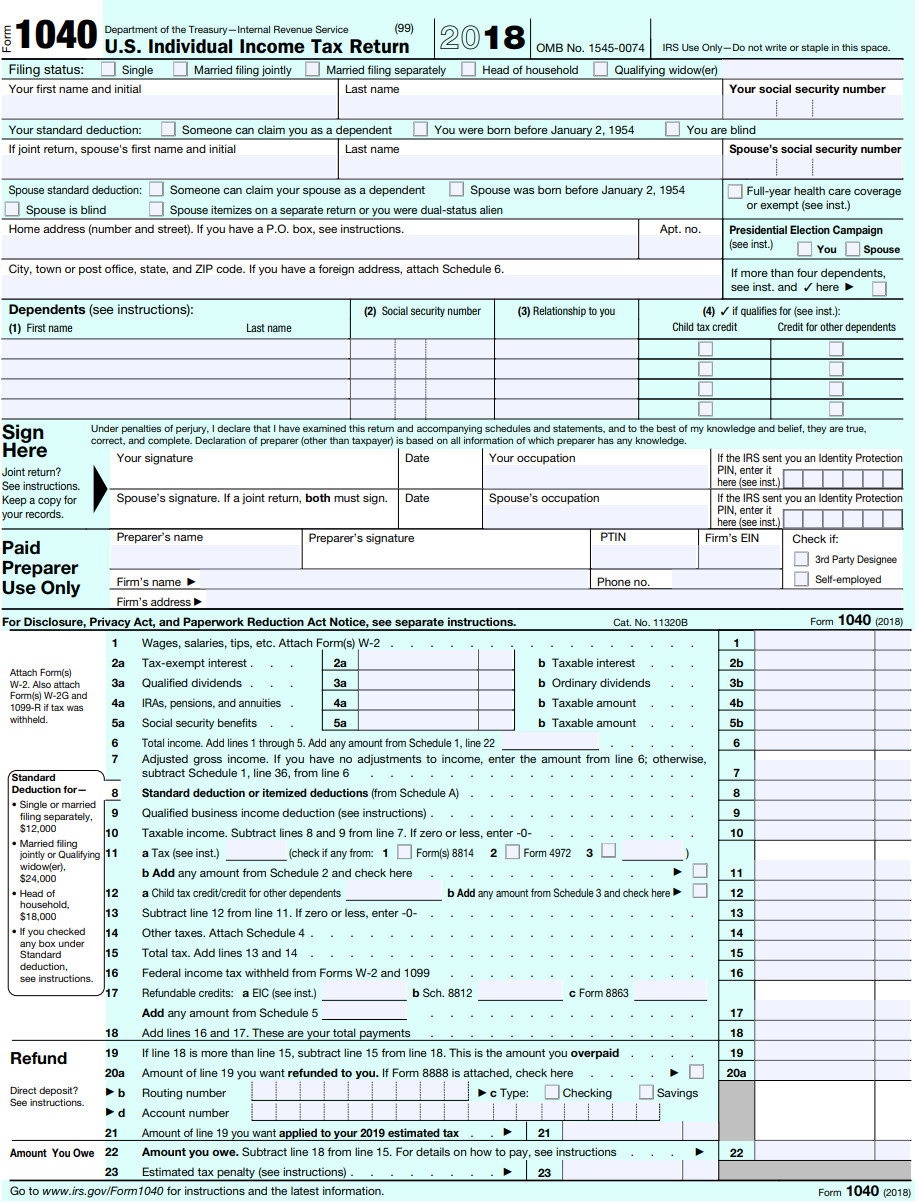
Every income tax return begins with the taxpayer’s identifying information. For individuals, this includes full name, Social Security Number (or equivalent tax identification number), address, marital status, and information about dependents. Businesses provide their legal name, Employer Identification Number (EIN), address, and business structure. This foundational data is critical for the tax authority to correctly identify the filer and link the return to their historical records, ensuring accurate processing and communication. Any errors in these basic details can lead to delays or complications in the filing process.
Sources of Income
The core of an income tax return is the comprehensive reporting of all sources of taxable income earned during the tax year. This can include, but is not limited to: wages and salaries from employment (reported on W-2s), income from self-employment or freelancing (e.g., 1099-NEC), interest and dividends from investments (1099-INT, 1099-DIV), capital gains or losses from the sale of assets (1099-B), rental income, pension and annuity income, and certain types of social security benefits. Each income source is typically categorized and reported on specific schedules or lines within the tax return, allowing for a precise calculation of gross income. Accurately reporting all income is paramount to avoid audit triggers and ensure full compliance.
Deductions, Credits, and Exemptions
After reporting gross income, taxpayers can often reduce their taxable income or their actual tax liability through deductions, credits, and exemptions. Deductions reduce the amount of income subject to tax (e.g., contributions to traditional IRAs, student loan interest, health savings account contributions, standard deduction vs. itemized deductions like mortgage interest or charitable contributions). Credits, on the other hand, directly reduce the amount of tax owed, dollar for dollar (e.g., child tax credit, earned income tax credit, education credits). Exemptions, while less common in many modern tax codes, historically allowed taxpayers to subtract a set amount for themselves and their dependents. Understanding and claiming eligible deductions and credits is crucial for minimizing one’s tax burden legally, and it often requires careful record-keeping throughout the year for expenses that qualify.
Tax Calculation and Liability
The final stage of the income tax return involves calculating the actual tax liability. This typically begins with determining adjusted gross income (AGI) by subtracting certain deductions from gross income. Then, further deductions and exemptions are applied to arrive at taxable income. The appropriate tax rates, based on income level and filing status, are then applied to this taxable income to calculate the total tax owed before credits. Finally, applicable tax credits are subtracted from this amount to determine the net tax liability. This net liability is then compared to any taxes already paid through withholding or estimated payments. The result is either a refund due to the taxpayer or an additional payment owed to the government. This complex calculation process underscores why many taxpayers opt for tax software or professional assistance.
Who Needs to File an Income Tax Return and When?
The requirement to file an income tax return is not universal; it hinges on several factors, primarily income level, age, and filing status. However, for those who do need to file, strict deadlines apply.

Filing Thresholds and Requirements
Generally, individuals are required to file an income tax return if their gross income exceeds a certain threshold, which varies annually and depends on factors like filing status (single, married filing jointly, head of household, etc.) and age. For instance, a single individual under 65 might have a lower filing threshold than a married couple filing jointly. Even if gross income falls below the filing threshold, an individual might still choose to file to claim a refund for withheld taxes or to receive certain tax credits, such as the Earned Income Tax Credit. Businesses, regardless of profitability, usually have a mandatory filing requirement. Certain types of income, such as self-employment income above a very low threshold, also trigger a filing requirement even if overall income is modest, due to self-employment taxes. It’s crucial to consult the IRS or equivalent national tax authority guidelines each year to determine specific filing requirements.
Annual Filing Deadlines
The annual income tax return is typically due on a specific date following the close of the tax year. In many countries, including the United States, the tax year aligns with the calendar year (January 1 to December 31), and the filing deadline is April 15th of the following year. If April 15th falls on a weekend or holiday, the deadline is usually shifted to the next business day. Corporations and other business entities may have different deadlines depending on their fiscal year end. These deadlines are strictly enforced, and missing them can lead to penalties. It’s advisable to start gathering tax documents well in advance of the deadline to avoid last-minute stress and potential errors.
Extensions and Penalties for Late Filing
Taxpayers who cannot meet the primary filing deadline can typically request an extension, which usually grants an additional several months (e.g., until October 15th in the U.S.) to file the return. However, an extension to file is not an extension to pay. If you expect to owe taxes, you must still estimate and pay those taxes by the original deadline to avoid interest and penalties on underpayment. Failure to file on time without an approved extension can result in a “failure to file” penalty, which is often a percentage of the unpaid taxes for each month or part of a month the return is late. Additionally, if taxes are not paid by the original deadline, a “failure to pay” penalty, along with interest, will accrue on the unpaid balance. These penalties can significantly increase the total tax burden, highlighting the importance of timely filing and payment.
The Filing Process: From Preparation to Submission
Navigating the income tax return process efficiently requires organization and an understanding of the available tools.
Gathering Necessary Documentation
The first and perhaps most critical step in preparing an income tax return is gathering all necessary financial documents. This typically includes W-2 forms from employers, 1099 forms (for interest, dividends, freelance income, etc.), K-1 forms from partnerships, statements from investment accounts, mortgage interest statements (1098), property tax records, receipts for eligible deductions (e.g., charitable contributions, medical expenses), and records of any estimated tax payments made. Having these documents organized and readily accessible before you begin will streamline the process, reduce errors, and ensure you claim all eligible deductions and credits. Digital copies and cloud storage can be invaluable for maintaining an organized financial record-keeping system throughout the year.
Choosing Your Filing Method (Manual, Software, Professional)
Taxpayers have several options for preparing and filing their income tax returns, each with its own advantages.
- Manual Filing: Some individuals prefer to fill out paper forms manually, usually downloaded from the tax authority’s website. This method requires a thorough understanding of tax laws and calculations and is generally recommended for those with very simple tax situations or who enjoy direct engagement with the forms.
- Tax Software: Numerous tax preparation software programs (e.g., TurboTax, H&R Block, TaxAct) are available, ranging from free basic versions to advanced professional packages. These programs guide users through the process with step-by-step questions, perform calculations automatically, and often offer e-filing capabilities. They are ideal for most taxpayers, providing a balance of ease of use and cost-effectiveness.
- Professional Assistance: For complex tax situations (e.g., multiple businesses, significant investments, international income), or simply for peace of mind, hiring a qualified tax professional (e.g., CPA, Enrolled Agent) is often the best choice. Professionals can offer expert advice, ensure compliance, identify all eligible deductions, and represent you in case of an audit. While more expensive, the value in accuracy and potential tax savings can outweigh the cost.
Reviewing and Submitting Your Return
Regardless of the method chosen, a thorough review of the completed income tax return is essential before submission. Check for accuracy in personal details, income figures, deduction amounts, and calculations. Errors can lead to processing delays or trigger an audit. Once reviewed and deemed accurate, the return can be submitted. Electronic filing (e-filing) is the most common method, offering speed, confirmation of receipt, and often faster processing of refunds. Paper returns must be signed and mailed to the appropriate tax authority address. Keep copies of your submitted return and all supporting documentation for at least three years, and often longer, as recommended by tax authorities.
What Happens After You File? (Refunds, Payments, Audits)
After submission, the tax authority processes your return. If you are due a refund, it will typically be issued via direct deposit or a check within a few weeks (often faster with e-filing). If you owe additional taxes, payment instructions will be provided, and you must ensure the payment is made by the deadline to avoid penalties. In some cases, returns may be selected for review or audit. An audit is an examination of your tax return by the IRS or state tax agency to verify that your income and deductions are reported accurately. While the prospect can be intimidating, cooperation and organized records are key to navigating an audit successfully. The vast majority of returns are processed without incident, but maintaining good records is always a sound financial practice.
Beyond Compliance: The Strategic Importance of Tax Returns
While primarily a compliance document, the income tax return holds significant strategic value in broader financial planning and economic participation.
Financial Planning and Goal Setting
Your income tax return provides a comprehensive snapshot of your financial year. Analyzing past returns can offer invaluable insights into spending habits, income trends, and the effectiveness of your financial strategies. For example, consistently paying a large amount of tax might indicate a need to adjust withholding or explore tax-advantaged investment vehicles. Conversely, a substantial refund might suggest overpaying throughout the year, meaning you could have had more liquidity. Tax returns are also essential for long-term financial planning, helping you assess your financial health, set realistic savings goals, and make informed decisions about retirement planning, investments, and business expansion. They highlight the impact of various financial decisions on your tax burden, guiding future choices towards tax efficiency.
Accessing Financial Services
An accurate and consistent history of filed income tax returns is frequently a prerequisite for accessing various financial services. Lenders, such as banks and mortgage companies, routinely request tax returns when evaluating loan applications for homes, cars, or business ventures. They use the income and debt information on your return to assess your creditworthiness and ability to repay. Similarly, landlords might request tax returns as proof of income for rental applications. For self-employed individuals or small business owners, tax returns are often the primary document used to verify income, making their proper preparation even more critical for securing financing or expanding operations. Without well-documented tax returns, individuals and businesses can find themselves severely limited in their ability to engage with the broader financial system.
Impact on Government Services and Infrastructure
Finally, it’s crucial to remember that the aggregate revenue collected through income tax returns directly funds a vast array of government services and infrastructure projects. From roads and schools to healthcare, national defense, and social safety nets, these essential public goods and services rely heavily on tax contributions. Therefore, the act of filing an income tax return is not just a personal financial obligation but also a fundamental act of civic participation. It is how individuals and businesses collectively contribute to the welfare and progress of their communities and nations. Understanding this broader impact can transform the perception of tax filing from a mere burden to a vital contribution to society.
In conclusion, the income tax return is far more than a form; it is a vital instrument for financial governance, personal accountability, and societal development. Mastering its intricacies is a cornerstone of sound personal finance, ensuring legal compliance, optimizing financial outcomes, and contributing to the collective well-being.
aViewFromTheCave is a participant in the Amazon Services LLC Associates Program, an affiliate advertising program designed to provide a means for sites to earn advertising fees by advertising and linking to Amazon.com. Amazon, the Amazon logo, AmazonSupply, and the AmazonSupply logo are trademarks of Amazon.com, Inc. or its affiliates. As an Amazon Associate we earn affiliate commissions from qualifying purchases.