
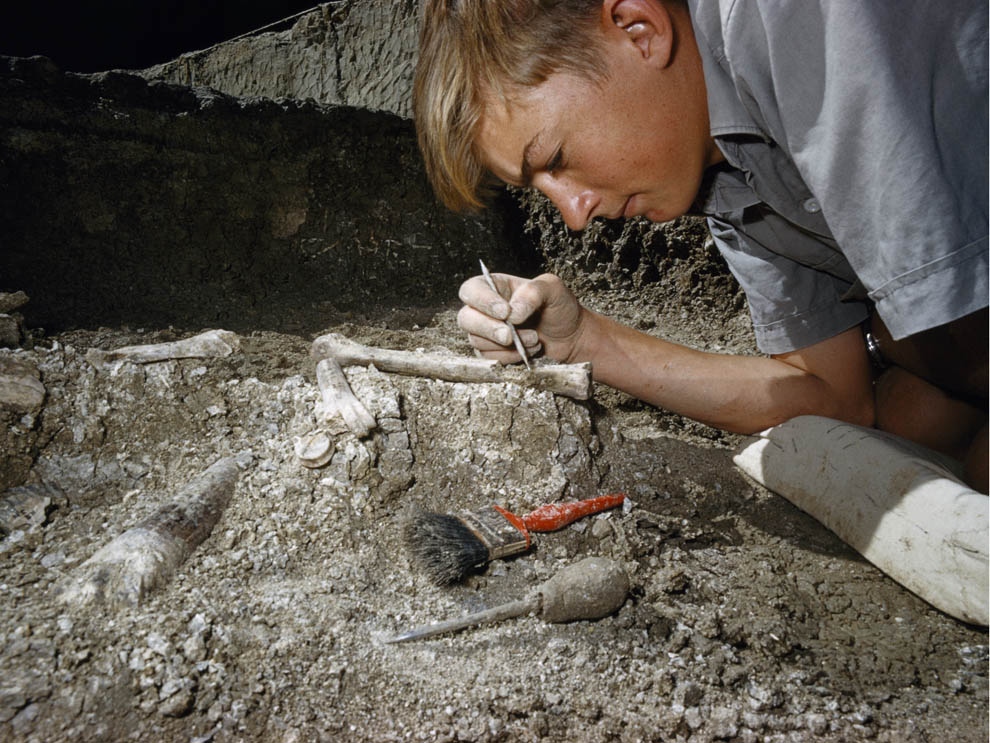
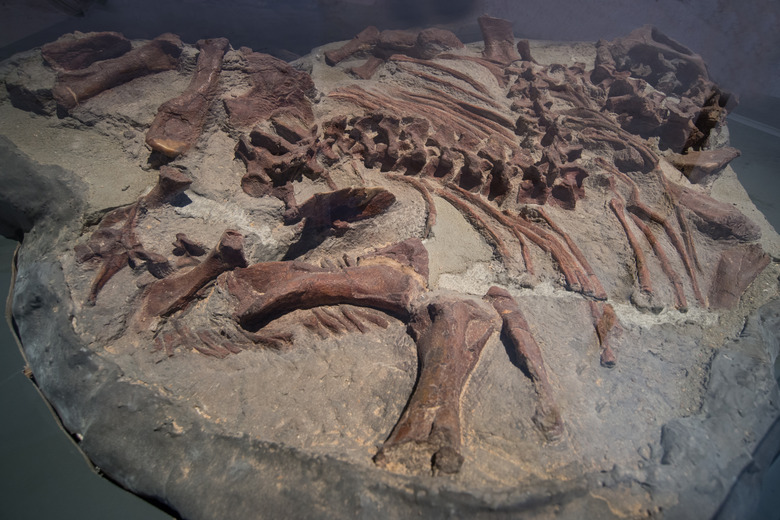
The study of fossils, known as paleontology, is often mistaken for a mere academic pursuit or a hobby for enthusiasts interested in prehistoric life. However, from a modern business, investment, and strategic perspective, the study of fossils—and the geological record at large—is a cornerstone of our global economy. Understanding the earth’s history is not just about dinosaurs; it is about resource allocation, long-term environmental risk management, and the fundamental financial health of the energy and material sectors.
The Financial Foundation of Resource Extraction
The primary economic importance of studying fossils lies in the energy sector. Fossil fuels, including oil, natural gas, and coal, are, by definition, the remnants of ancient life. The ability to locate these resources efficiently is a direct result of paleontological research.

Stratigraphy and Predictive Modeling
Energy companies invest billions of dollars annually in exploration. To minimize the risk of “dry holes”—wells that produce no oil or gas—geologists use index fossils to date rock layers. By identifying specific species that lived for relatively short geological periods, companies can correlate strata across vast distances. This practice of biostratigraphy is a crucial tool for financial risk management in the extractive industries. Without the precise dating provided by fossil analysis, the capital expenditure required to locate hydrocarbons would be prohibitively expensive, leading to market volatility and energy instability.
Economic Forecasting for Commodity Markets
The insights gained from fossil records allow analysts to predict the quality and accessibility of energy reservoirs. Understanding the organic content and thermal maturity of ancient sedimentary basins helps firms determine the ROI (Return on Investment) of a site before a single drill bit hits the ground. In this sense, paleontological data serves as a vital component of financial forecasting for global energy markets, influencing stock valuations and the strategic planning of multinational corporations.
Fossils as Indicators for Environmental Risk and Corporate Sustainability
In the modern corporate landscape, Environmental, Social, and Governance (ESG) criteria have moved from peripheral concerns to central pillars of business strategy. The study of fossils provides the essential context for understanding long-term climate cycles, which in turn informs corporate sustainability and risk mitigation strategies.
Understanding Historical Climate Volatility
The fossil record acts as an archive of Earth’s climate history. By studying microfossils and plant remains, researchers can reconstruct ancient atmospheres, sea levels, and temperatures. This historical baseline is critical for modern climate modeling. Companies in the insurance, real estate, and agricultural sectors rely on these models to price assets and calculate risk exposure to climate change. If a corporation intends to operate for the next century, it must account for climate shifts, and the most reliable historical data for those shifts is hidden within the fossilized remains of the past.
Regulatory Compliance and the “Green” Transition
As governments implement stricter environmental regulations, businesses must navigate the transition to a lower-carbon economy. Understanding the earth’s natural carbon cycles—again, a field driven by paleontology—allows firms to better comply with emerging “green” regulations. By understanding how the planet has sequestered carbon in the past, companies can better evaluate the viability of carbon capture and storage technologies. This is no longer just scientific inquiry; it is a strategic imperative for businesses looking to navigate the transition without suffering heavy regulatory penalties or loss of investor confidence.
Strategic Asset Management and the Mining Sector
While the energy sector focuses on hydrocarbons, the mining and materials sector relies on the same geological principles to identify deposits of rare earth elements, precious metals, and industrial minerals.
The Role of Paleontology in Mineral Exploration
The distribution of mineral wealth is rarely random. It is often trapped within specific geological formations that are defined by their fossil content. Mining conglomerates use paleontological data to map the subterranean architecture of potential sites. This data determines the value of mining concessions and directly affects the balance sheets of global mining enterprises. By identifying the paleo-environments where specific metals accumulated, companies can optimize their land acquisition strategies and streamline their exploration efforts.
Long-term Economic Planning and Sustainability
The scarcity of certain raw materials is a significant threat to global manufacturing, particularly in the tech sector. As the demand for lithium, cobalt, and copper surges, the ability to pinpoint these resources is more valuable than ever. Paleontological research provides the mapping tools necessary for sustainable resource management. By understanding the geological history of a region, firms can plan for long-term extraction projects that span decades, ensuring the stability of supply chains that underpin the modern technology market.
The Value of Institutional Knowledge and Scientific Intellectual Property
Finally, it is worth noting that the “business” of paleontology—the collection, preservation, and analysis of data—creates a form of institutional knowledge that is essentially intellectual property.
Knowledge as a Competitive Advantage
Research institutions, universities, and government agencies spend significant capital producing data sets that define the geological history of the Earth. Private firms that license, access, or synthesize this data gain a massive competitive advantage. Companies that invest in the study of natural history gain a better understanding of the landscape they operate within. Whether it is an architectural firm assessing the seismic stability of a site or a chemical company seeking to understand the composition of specific geological substrates, the intellectual property generated by paleontological studies is a silent engine for commercial efficiency.
Attracting Talent and Corporate Brand Identity
Beyond the raw data, the commitment to scientific research, including paleontology, strengthens a company’s corporate brand. Organizations that fund scientific research and environmental education projects build stronger ties with the academic community and the public. This alignment with sustainability and knowledge-based branding is an effective strategy for talent acquisition, particularly in the STEM fields. When a company positions itself as a champion of scientific discovery, it becomes a more attractive destination for high-level engineers, geologists, and data analysts, creating a long-term competitive edge in human capital.
Conclusion
The study of fossils is not an isolated academic pursuit; it is a foundational activity that supports the global financial system. From the oil rigs in the North Sea to the mining operations in the Andes, paleontological research provides the data necessary to minimize financial risk, identify resources, and navigate the complex, shifting landscape of environmental policy.
For the modern investor and executive, fossils represent the ultimate “long-term asset.” They provide the historical context required to manage the risks of the present and plan for the economic realities of the future. As the world faces increasing challenges regarding resource scarcity and climate instability, the importance of these ancient archives will only continue to grow. Businesses that recognize the economic value of these insights will be better positioned to adapt, survive, and thrive in an increasingly volatile global economy. The fossil record is, in effect, a massive, unexploited database of Earth’s history—and those who know how to read it are the ones who will define the future of industry.
aViewFromTheCave is a participant in the Amazon Services LLC Associates Program, an affiliate advertising program designed to provide a means for sites to earn advertising fees by advertising and linking to Amazon.com. Amazon, the Amazon logo, AmazonSupply, and the AmazonSupply logo are trademarks of Amazon.com, Inc. or its affiliates. As an Amazon Associate we earn affiliate commissions from qualifying purchases.