
In the vast and ever-evolving landscape of technology, where innovation pushes boundaries daily, the concept of an “impact test” stands as a foundational pillar of product development, safety, and reliability. Far from a mere formality, the impact test is a crucial scientific and engineering methodology designed to evaluate how materials, components, and entire products react to sudden, forceful stresses. It’s a rigorous examination of resilience, a brutal yet necessary simulation of real-world trauma, ensuring that the devices we rely on daily – from our smartphones to the cars we drive, and the medical implants within us – can withstand the unexpected shocks and forces they might encounter.
At its core, an impact test assesses a material’s or product’s toughness, its ability to absorb energy and deform plastically before fracturing. It quantifies resistance to sudden loads, differentiating between materials that might shatter catastrophically and those that merely bend or dent, maintaining their structural integrity. For engineers and designers, understanding the impact resistance of their creations is not just about performance; it’s about user safety, product longevity, regulatory compliance, and ultimately, building trust in technology. This article delves into the multifaceted world of impact testing within the technology sphere, exploring its purpose, diverse methodologies, underlying technologies, and its profound impact on innovation and consumer confidence.
The Fundamental Purpose of Impact Testing
Impact testing serves several critical objectives throughout the product lifecycle, from initial material selection to final product certification. It’s an indispensable step that bridges theoretical design with practical application, revealing vulnerabilities and confirming strengths under dynamic stress conditions.
Ensuring Product Durability and Longevity
The most immediate goal of an impact test is to determine how well a product or its constituent materials can withstand sudden forces without failing catastrophically. In our daily lives, products are routinely subjected to bumps, drops, collisions, and vibrations. A smartphone dropped from a pocket, a car component enduring a minor collision, or an industrial machine part experiencing an accidental strike – these are all scenarios where impact resistance is paramount. Through controlled testing, engineers can predict a product’s lifespan, identify potential failure points, and design for resilience against such common stresses, thereby enhancing durability and extending product life.
Validating Material Properties for Specific Applications
Different materials behave uniquely under impact. Some metals might dent, while certain ceramics might shatter. Plastics can exhibit a range of behaviors from brittle fracture to ductile deformation, often varying significantly with temperature. Impact tests provide quantitative data on critical material properties like toughness, ductility, and brittleness under dynamic loading conditions. This data is essential for selecting the right material for a specific application, especially where safety and reliability are non-negotiable. For instance, in aerospace, materials must resist bird strikes; in sports equipment, they need to absorb athlete impact; and in medical devices, they must withstand physiological stresses.
Upholding Safety Standards and Regulations
Perhaps the most crucial role of impact testing is its contribution to product safety. Numerous industries are governed by stringent regulatory standards that mandate specific levels of impact resistance. Automotive components (e.g., airbags, crash structures, seatbelts), protective gear (e.g., helmets, body armor), consumer electronics (e.g., child-safe toys, protective cases), and construction materials all undergo rigorous impact testing to comply with national and international safety regulations (e.g., ASTM, ISO, ANSI). Passing these tests is not just a commercial requirement; it’s a commitment to protecting users from harm, preventing injuries, and mitigating potential liabilities.
Optimizing Design and Engineering Processes
The results gleaned from impact tests are invaluable feedback for designers and engineers. They inform iterative design improvements, allowing teams to optimize geometries, reinforce critical areas, and refine material combinations. For instance, if a specific design fails a drop test, engineers might explore alternative materials with higher toughness, adjust wall thicknesses, or incorporate shock-absorbing features. This data-driven approach leads to more robust, efficient, and cost-effective designs, minimizing the need for costly redesigns late in the development cycle and accelerating time-to-market.
Types of Impact Tests in Technology
The world of impact testing encompasses a diverse array of methodologies, each tailored to specific materials, product types, and failure modes. While the underlying principle of applying a sudden force remains constant, the execution varies widely.
Charpy and Izod Impact Tests: The Material Science Classics
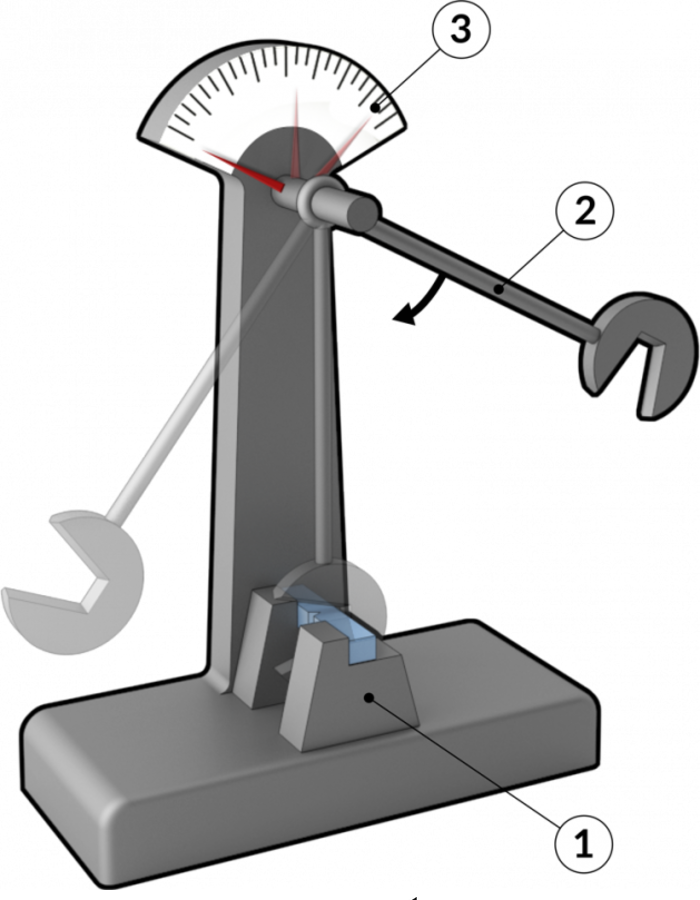
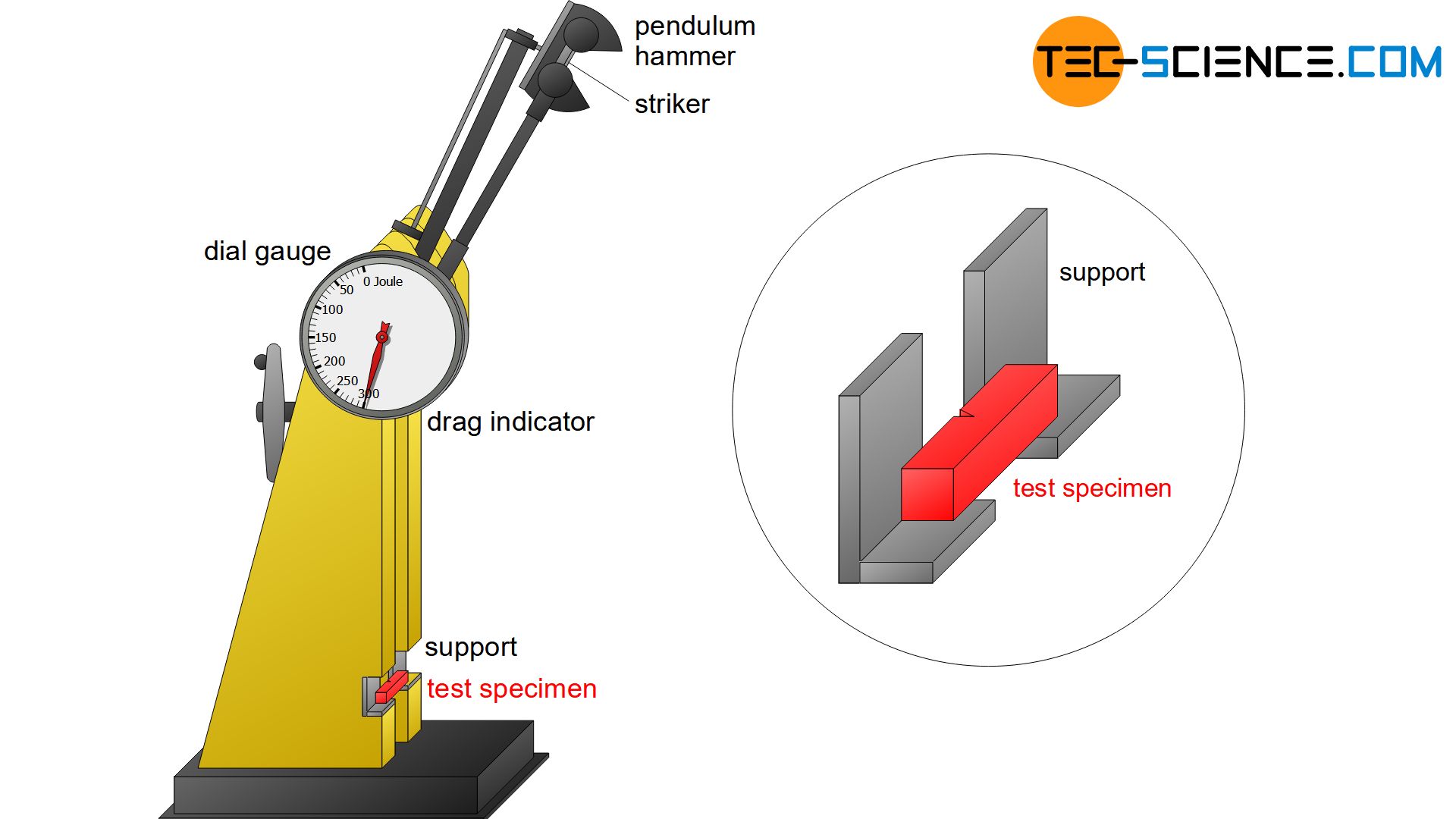
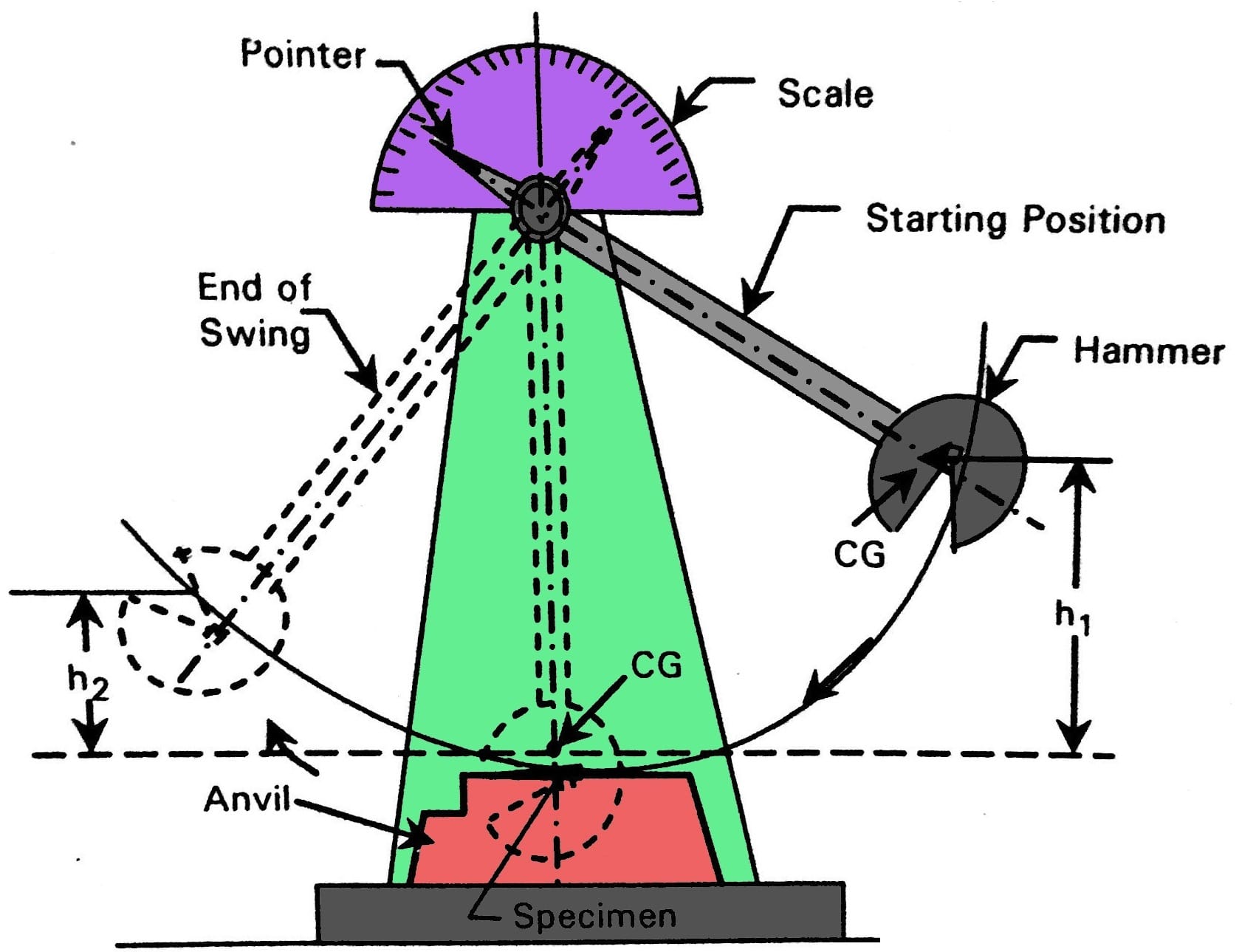
These are two of the most widely recognized and standardized impact tests, primarily used to characterize the toughness of materials, particularly metals, plastics, and composites. Both involve striking a notched sample with a pendulum hammer and measuring the energy absorbed by the sample before fracture.
- Charpy Test: The sample is supported horizontally at both ends and struck in the middle on the side opposite the notch. This test is excellent for comparing the toughness of different materials and observing ductile-to-brittle transition temperatures in metals.
- Izod Test: The sample is clamped vertically at one end and struck at the free end, on the same side as the notch. The Izod test is particularly sensitive to surface conditions and notch quality, offering insights into how a material might behave with a pre-existing flaw.
These tests are fundamental in industries ranging from automotive and aerospace to manufacturing and construction, guiding material selection for critical components.
Drop Tests: Simulating Real-World Accidental Damage
Drop testing is perhaps the most relatable form of impact testing, especially for consumer electronics. It simulates the accidental drops that products like smartphones, laptops, tablets, and wearable devices commonly experience. Products are dropped from specified heights, onto various surfaces (concrete, wood, steel), and in different orientations (face, corner, edge).
- Controlled Drop Tests: Use specialized equipment to ensure consistent drop height, orientation, and impact surface.
- Random Drop Tests: Simulate a wider range of unpredictable impacts.
The goal is to assess physical damage, functional integrity after impact, and the effectiveness of protective casings or internal shock-absorbing mechanisms. Packaging is also rigorously drop-tested to ensure products arrive intact after shipping and handling.
Ballistic and Puncture Tests: For Resistance to Penetration
These tests are crucial for materials and products designed to resist high-velocity impacts or penetration by sharp objects. They are vital in industries manufacturing protective gear, security systems, and specialized containers.
- Ballistic Tests: Involve firing projectiles (e.g., bullets, fragments) at materials like body armor, vehicle plating, or security glass to determine their ability to stop or deflect the projectile without perforation or excessive deformation.
- Puncture Tests: Assess a material’s resistance to penetration by sharp or pointed objects. This is critical for packaging, medical sharps containers, and certain composites. These tests often use a controlled probe or dart to measure the force required for puncture.
Shock and Vibration Tests: Broader Dynamic Stress Assessment
While “impact test” often implies a single, sudden blow, shock and vibration tests analyze a product’s response to a broader spectrum of dynamic forces over time.
- Shock Tests: Subject products to single or multiple non-periodic, transient excitations, simulating conditions like rapid acceleration/deceleration, impacts, or explosions. This is critical for aerospace components, industrial machinery, and military equipment.
- Vibration Tests: Expose products to continuous oscillations at various frequencies and amplitudes, simulating environmental conditions during transportation, operation of machinery, or natural phenomena (e.g., earthquakes). These tests help identify resonance frequencies and fatigue failures.
Both types are essential for validating the structural integrity of complex systems and components that operate in dynamic environments.
Methodologies and Technologies Behind Impact Testing
Modern impact testing is a sophisticated discipline, relying on precision equipment, standardized protocols, and advanced analytical techniques to yield accurate and actionable data.
Test Equipment and Instrumentation
The heart of any impact test facility is its specialized equipment. Impact testers range from simple pendulum machines for Charpy/Izod tests to elaborate drop towers, ballistic ranges, and hydraulic shock machines. These devices are equipped with an array of sophisticated instrumentation:
- High-speed Cameras: Capture ultra-fast events, allowing engineers to observe fracture propagation, deformation patterns, and rebound kinematics frame-by-frame.
- Accelerometers: Measure the acceleration and deceleration forces experienced by the product or sample during impact, providing critical data on the severity of the shock.
- Load Cells/Force Transducers: Quantify the instantaneous forces exerted during impact, revealing peak forces and force-time profiles.
- Strain Gauges: Measure material deformation (strain) in real-time, helping to identify stress concentration points.
- Data Acquisition Systems: Collect and synchronize data from all sensors, processing it for analysis.
- Environmental Chambers: Allow for testing at extreme temperatures and humidity levels, simulating diverse operational environments and revealing how material properties change with conditions.
Controlled Environments and Standardization
To ensure the reproducibility and comparability of impact test results, strict adherence to standardized procedures and controlled environments is paramount. Organizations like ASTM International (American Society for Testing and Materials) and ISO (International Organization for Standardization) publish detailed standards for impact testing methodologies, sample preparation, and data interpretation.
- Temperature and Humidity Control: The mechanical properties of many materials, particularly polymers and composites, are highly sensitive to temperature. Testing at precise, controlled temperatures is essential for accurate results.
- Sample Preparation: Notching, surface finish, and dimensions of test samples must conform strictly to standards to eliminate variability caused by manufacturing inconsistencies.
- Calibration: All testing equipment must be regularly calibrated to ensure the accuracy and reliability of measurements.
These controls ensure that test results are robust, comparable across different laboratories, and legally defensible for compliance purposes.
Computational Simulation: The Virtual Impact Test
Alongside physical testing, computational simulation has emerged as a powerful tool in predicting and analyzing impact behavior. Finite Element Analysis (FEA) software allows engineers to create virtual models of products and materials and simulate impact events under various conditions.
- Reduced Development Time and Cost: Simulations can be run quickly and cost-effectively, allowing engineers to test numerous design iterations and material combinations without building physical prototypes. This significantly accelerates the design cycle.
- Detailed Analysis: FEA provides highly detailed insights into stress distribution, strain propagation, and deformation mechanisms that might be difficult or impossible to observe in physical tests.
- Optimization: Simulation results can be directly integrated into optimization algorithms to fine-tune designs for maximum impact resistance with minimal material use.
While simulations are incredibly valuable, they complement, rather than completely replace, physical impact testing. Physical tests remain the ultimate validation of theoretical models and critical for certification.
The Broader Impact (Pun Intended) of Impact Testing
The implications of rigorous impact testing extend far beyond the laboratory, influencing technological innovation, market dynamics, and societal well-being.
Driving Innovation and Material Science
The continuous demand for lighter, stronger, and more resilient materials in industries like aerospace, automotive, and consumer electronics acts as a powerful catalyst for innovation in material science. The challenges posed by increasingly stringent impact requirements push researchers to develop advanced alloys, novel composite structures, smart materials, and sophisticated protective coatings. This pursuit of superior impact resistance fuels breakthroughs that benefit a wide array of technological applications.
Enhancing Consumer Confidence and Brand Reputation
In a competitive marketplace, products that are known to be durable and reliable naturally garner greater consumer trust. Companies that openly showcase their products undergoing rigorous impact testing, or highlight certifications achieved through such tests, build a strong reputation for quality and engineering excellence. This translates into enhanced brand loyalty, positive word-of-mouth, and a distinct competitive advantage. Consumers are increasingly willing to invest in products that promise longevity and resilience.
Reducing Warranty Claims and Product Recalls
Proactive and thorough impact testing during the design and manufacturing phases significantly reduces the likelihood of product failures in the field. This, in turn, minimizes costly warranty claims, repairs, and potentially catastrophic product recalls. The upfront investment in robust testing far outweighs the financial and reputational damage incurred from widespread product malfunctions or safety incidents. It’s a fundamental aspect of risk mitigation in product development.
Sustainable Design and Waste Reduction
Durable products, designed with superior impact resistance, inherently contribute to greater sustainability. Products that withstand daily wear and tear, accidental drops, and minor impacts last longer, reducing the frequency of replacement. This directly translates into less electronic waste (e-waste) and a more sustainable consumption pattern. Impact testing, therefore, is not just about performance, but also about fostering a more environmentally responsible approach to technology design and manufacturing.
Conclusion
The impact test, in its various forms, is an indispensable and multifaceted cornerstone of the technology industry. It is a critical gateway to ensuring product quality, guaranteeing user safety, and driving continuous innovation across virtually every sector that relies on engineered materials and components. From the fundamental material science of Charpy and Izod tests to the real-world simulations of drop tests and the intricate analysis of shock and vibration, impact testing provides the vital data needed to build robust, reliable, and ultimately, trustworthy technological solutions.
As technology advances and new materials emerge, the methodologies and instrumentation for impact testing will continue to evolve, incorporating AI-driven analysis, more complex multi-physics simulations, and potentially novel ways to assess resilience. What remains constant, however, is the paramount importance of understanding how our creations interact with the forces of the physical world. The impact test is not just about identifying weaknesses; it’s about engineering strength, fostering confidence, and ensuring that the innovations we embrace are built to last and protect.
aViewFromTheCave is a participant in the Amazon Services LLC Associates Program, an affiliate advertising program designed to provide a means for sites to earn advertising fees by advertising and linking to Amazon.com. Amazon, the Amazon logo, AmazonSupply, and the AmazonSupply logo are trademarks of Amazon.com, Inc. or its affiliates. As an Amazon Associate we earn affiliate commissions from qualifying purchases.