
The Caribbean, a jewel of turquoise waters and vibrant cultures, is a dream destination for many. However, like any tropical paradise, it experiences a predictable annual phenomenon: hurricane season. Understanding when this season occurs, its potential impacts, and how to prepare is crucial for residents, businesses, and tourists alike. This knowledge not only helps in mitigating risks but also allows for more informed planning, ensuring that the beauty of the Caribbean can be enjoyed safely and responsibly.
Understanding the Atlantic Hurricane Basin and its Caribbean Impact
The Atlantic hurricane season officially spans from June 1st to November 30th each year. This period is defined by specific meteorological conditions that favor the development and intensification of tropical storms and hurricanes. While the entire Atlantic basin is monitored, the Caribbean Sea is particularly susceptible due to its geographic location and warm ocean waters.

The Meteorological Conditions Fostering Hurricane Development
Hurricanes are powerful, rotating storm systems characterized by strong winds and heavy rainfall. Their formation is a complex process that requires a confluence of specific atmospheric and oceanic factors.
Warm Ocean Waters as the Primary Fuel Source
The most critical ingredient for hurricane development is warm ocean water. Surface temperatures of at least 26.5 degrees Celsius (80 degrees Fahrenheit) extending to a depth of at least 50 meters are generally required. These warm waters provide the energy through evaporation, which then fuels the thunderstorms that form the backbone of a tropical system. The Caribbean Sea, with its consistently warm waters throughout the summer and fall months, provides an ideal breeding ground. As the season progresses from June through November, these ocean temperatures typically reach their peak, increasing the likelihood of significant storm development.
Atmospheric Instability and Moisture
Beyond warm waters, a certain level of atmospheric instability is necessary. This means that the atmosphere can readily support the upward movement of air, a process that fuels thunderstorms. Plenty of moisture in the atmosphere is also essential, as it condenses to form clouds and release latent heat, further intensifying the storm. Trade winds, which are prevalent in the Caribbean, can help to organize these thunderstorms into larger systems.
Low Vertical Wind Shear
Vertical wind shear refers to the change in wind speed and direction with altitude. Low vertical wind shear is crucial for hurricane formation and strengthening. If the wind shear is too high, it can disrupt the vertical structure of a developing storm, tearing it apart and preventing it from organizing into a hurricane. During the prime hurricane months, atmospheric conditions in the Caribbean region often exhibit lower wind shear, allowing storms to develop and intensify.
Pre-existing Weather Disturbances
Hurricanes rarely form spontaneously. They typically originate from pre-existing weather disturbances, such as tropical waves that move westward from the coast of Africa. These waves can act as seedlings, providing the initial organization for thunderstorms. As these waves travel over warm ocean waters, they can gather energy and gradually develop into tropical depressions, then tropical storms (when sustained winds reach 39 mph), and finally, hurricanes (when sustained winds reach 74 mph or higher).
The Caribbean’s Vulnerability and Geographic Significance
The Caribbean’s location makes it uniquely vulnerable to Atlantic hurricanes. Situated in the path of many storms that form off the coast of Africa and in the Gulf of Mexico, the islands and coastal mainland territories of the Caribbean are directly in the line of fire. The relatively low-lying nature of many islands, combined with their extensive coastlines, amplifies the impact of storm surges, a significant and often devastating aspect of hurricanes.
Peak Activity and Variations Across the Season
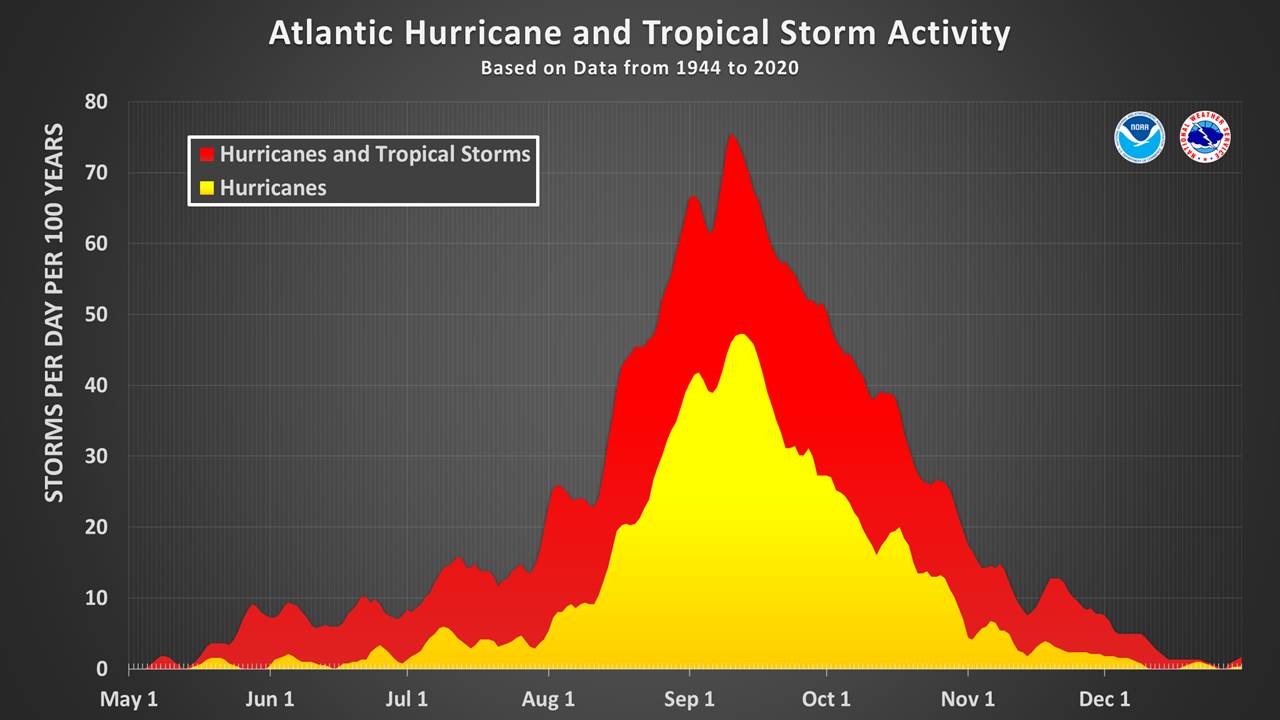
While the entire season runs from June 1st to November 30th, the likelihood of hurricane activity is not evenly distributed. The season typically begins with a slower start in June, with activity gradually increasing through July and August. The most active period for hurricanes in the Caribbean generally occurs between mid-August and mid-October. This is when ocean temperatures are at their warmest, and atmospheric conditions are most conducive to storm formation and intensification. By November, while tropical systems can still form, the season begins to wind down as ocean temperatures start to cool and the jet stream shifts, altering atmospheric patterns.
Factors Influencing Season Severity
The severity of any given hurricane season is influenced by a complex interplay of global climate patterns. El Niño-Southern Oscillation (ENSO) is a significant factor. During an El Niño phase, typically characterized by warmer sea surface temperatures in the eastern Pacific, there tends to be increased wind shear over the Atlantic, which can suppress hurricane activity. Conversely, during a La Niña phase, with cooler sea surface temperatures in the eastern Pacific, there is often reduced wind shear over the Atlantic, leading to more favorable conditions for hurricane development. Other factors, such as the Atlantic Multidecadal Oscillation (AMO) and sea surface temperatures in the main development region (the tropical Atlantic east of the Caribbean), also play a role in dictating the number and intensity of storms.
Recognizing and Categorizing Hurricane Threats
When a tropical storm forms, it is assigned a classification based on its wind speed. This classification system, the Saffir-Simpson Hurricane Wind Scale, helps communicate the potential for wind damage. Understanding these categories is vital for assessing the level of threat and implementing appropriate safety measures.
The Saffir-Simpson Hurricane Wind Scale Explained
The Saffir-Simpson Hurricane Wind Scale categorizes hurricanes into five categories, with Category 1 being the least intense and Category 5 being the most intense. This scale is purely based on sustained wind speeds and does not directly account for other significant hurricane hazards like storm surge, rainfall flooding, or tornadoes.
Category 1: Very Dangerous Winds
Category 1 hurricanes have sustained winds of 74-95 mph (119-153 km/h). While considered the weakest category, these storms can still cause significant damage. Expect downed branches, uprooted trees, and power outages. Coastal flooding and damage to piers and marinas are also possible.
Category 2: Extremely Dangerous Winds
With sustained winds of 96-110 mph (154-177 km/h), Category 2 hurricanes pose a substantial threat. More extensive damage to homes and infrastructure can occur, including roof damage and broken windows. Widespread power outages are likely, and coastal communities can experience significant storm surge.
Category 3: Devastating Damage
Category 3 hurricanes are classified as major hurricanes and bring sustained winds of 111-129 mph (178-208 km/h). These storms are capable of causing devastating damage. Well-built homes can suffer major damage, and many trees will be uprooted or snapped. Extensive power outages lasting for days or weeks are expected, and significant storm surge can cause substantial flooding in coastal areas.
Category 4: Catastrophic Damage
Category 4 hurricanes are characterized by sustained winds of 130-156 mph (209-251 km/h). They are capable of causing catastrophic damage. Homes can be severely damaged or destroyed, and entire neighborhoods may be rendered uninhabitable. Widespread and prolonged power outages are almost certain, and dangerous storm surge can inundate large areas of coastal land.
Category 5: Catastrophic Destruction
Category 5 hurricanes are the most intense, with sustained winds exceeding 157 mph (252 km/h). These storms are rare but incredibly destructive. They can cause catastrophic damage to structures, leading to complete destruction of many homes. Massive evacuations of residential areas are typically required. Catastrophic storm surge can cause extensive flooding and coastal erosion, and the entire affected region can be left without power and essential services for an extended period.
Beyond Wind: Understanding Other Hurricane Hazards
It’s crucial to remember that wind is not the only destructive force associated with hurricanes. Other hazards can be equally, if not more, dangerous and responsible for the majority of hurricane-related fatalities and damage.
Storm Surge: The Most Lethal Threat
Storm surge is an abnormal rise of water generated by a storm, over and above the predicted astronomical tide. It is caused by the combination of high winds pushing water towards the shore and the low atmospheric pressure of the storm, which allows the ocean surface to bulge upwards. Storm surge is often the most dangerous and deadly aspect of a hurricane, capable of inundating coastal areas with feet of water, leading to widespread destruction of buildings and posing a significant drowning risk. The shallow waters of the Caribbean, combined with the low elevation of many islands, make them particularly vulnerable to the devastating effects of storm surge.
Inland Flooding from Heavy Rainfall
Hurricanes carry an immense amount of moisture, and as they make landfall, they can dump copious amounts of rain. This heavy rainfall can lead to severe inland flooding, even far from the coast. Rivers and streams can overflow their banks, and low-lying areas can become submerged. This type of flooding can cause significant damage to infrastructure, homes, and agriculture, and can persist for days after the storm has passed.
Tornadoes and Rip Currents
While less common than storm surge and heavy rainfall, hurricanes can also spawn tornadoes. These are often weaker than those that form in supercell thunderstorms but can still cause localized but intense damage. Additionally, even after a hurricane has moved away, dangerous rip currents can persist along coastlines, posing a significant threat to swimmers and boaters.
Preparing for the Caribbean Hurricane Season
Given the predictable nature of hurricane season and the potential for significant impacts, proactive preparation is paramount for residents, businesses, and visitors in the Caribbean.
Developing a Comprehensive Hurricane Preparedness Plan
A well-thought-out hurricane preparedness plan can significantly enhance safety and resilience during a storm. This plan should be developed well in advance of any impending threat and reviewed regularly.
Assembling an Emergency Kit
An essential component of any preparedness plan is an emergency kit, also known as a go-bag or survival kit. This kit should contain essential supplies to sustain individuals and families for at least three to five days. Key items include:
- Water: At least one gallon per person per day.
- Food: Non-perishable food items that do not require cooking, such as canned goods, energy bars, and dried fruit.
- First-Aid Kit: Including bandages, antiseptic wipes, pain relievers, and any necessary personal medications.
- Flashlight and Extra Batteries: Essential for power outages.
- Radio: A battery-powered or hand-crank NOAA weather radio to stay informed.
- Whistle: To signal for help.
- Dust Mask: To help filter contaminated air.
- Plastic Sheeting and Duct Tape: To shelter-in-place.
- Moist Towelettes, Garbage Bags, and Plastic Ties: For personal sanitation.
- Wrench or Pliers: To turn off utilities.
- Manual Can Opener: For canned food.
- Local Maps: In case GPS is unavailable.
- Cell Phone with Chargers and a Backup Battery: To maintain communication.
- Cash: ATMs may be inoperable after a storm.
- Copies of Important Documents: Such as insurance policies, identification, and bank records, stored in a waterproof bag.
- Blankets and Sleeping Bags: For warmth and comfort.
Securing Your Home and Property
Protecting your home and property before a storm hits can minimize damage and make recovery easier. This involves several steps:
- Board Up Windows and Doors: Use shutters or plywood to protect windows and doors from high winds and flying debris.
- Secure Outdoor Items: Bring in or secure any outdoor furniture, decorations, potted plants, and other items that could become projectiles in high winds.
- Trim Trees and Branches: Trim dead or weak tree limbs that could fall and cause damage.
- Check Gutters and Downspouts: Ensure they are clear to allow water to drain properly.
- Reinforce Garage Doors: Garage doors are often vulnerable to wind damage.
- Consider Flood Protection: For properties in flood-prone areas, consider sandbags or temporary flood barriers.
- Know Your Evacuation Route: If you live in an area that may require evacuation, have a predetermined route and destination.
Staying Informed and Monitoring Weather Updates
During hurricane season, staying informed about weather conditions is critical. Reliable sources of information are essential for making timely decisions.
Official Meteorological Agencies and Alerts
The primary source for hurricane information should always be official meteorological agencies. In the Caribbean, this often involves national meteorological services of individual islands and the National Hurricane Center (NHC) in the United States, which provides advisories and forecasts for the entire Atlantic basin. These agencies issue watches and warnings that indicate potential threats and necessary actions.
- Hurricane Watch: Issued when hurricane conditions are possible within the specified area, generally within 48 hours.
- Hurricane Warning: Issued when hurricane conditions are expected within the specified area, generally within 36 hours.
Utilizing Technology for Real-Time Information
In the digital age, technology plays a vital role in disseminating and accessing hurricane information. Numerous apps and websites provide real-time weather updates, radar imagery, and advisories. Many smartphones come equipped with built-in weather apps that can provide alerts. However, it is important to rely on reputable sources and cross-reference information when possible. Ensuring devices are charged and having a backup power source is crucial, as power outages are common during and after storms.
Understanding Insurance and Financial Preparedness
Financial preparedness is an often-overlooked but critical aspect of hurricane season readiness. Having adequate insurance and a financial buffer can greatly ease the burden of recovery.
Reviewing Your Insurance Policies
It is essential to review your home and property insurance policies well before hurricane season begins. Ensure that your policy adequately covers hurricane damage, including wind and flood damage, as these are often separate coverages. Understand your deductible and any policy limitations. If you are a renter, consider renter’s insurance to protect your belongings. For businesses, business interruption insurance can be vital to cover lost income during a period of closure.
Establishing a Financial Safety Net
Beyond insurance, having a financial safety net is important. This could include a savings account specifically for emergencies. The ability to cover immediate expenses after a storm, such as temporary accommodation, food, and essential repairs, can be crucial. Having cash on hand is also advisable, as ATMs and credit card processing may be unavailable for an extended period following a major storm.
The Economic and Social Implications of Hurricane Season
The annual hurricane season in the Caribbean is not just a meteorological event; it carries significant economic and social implications for the region. The impact of these storms can be far-reaching, affecting livelihoods, infrastructure, and the very fabric of island communities.
Impact on Tourism and Local Economies
The Caribbean’s economy is heavily reliant on tourism. The perception of the region as a safe and desirable destination can be significantly impacted by hurricane activity. Even if an island is not directly hit by a major storm, news of widespread hurricane activity in the region can lead to cancellations and a decline in bookings. This can have a devastating effect on local businesses, from hotels and restaurants to tour operators and transportation services. The recovery period after a significant storm can also disrupt tourism for months, further straining local economies.
Rebuilding and Recovery Efforts
Following a hurricane, the process of rebuilding and recovery can be long and arduous. Infrastructure damage, including roads, bridges, airports, and utilities, can hinder immediate relief efforts and prolong the disruption to daily life and economic activity. The cost of rebuilding can be immense, often requiring significant financial assistance from national governments and international aid organizations. The social impact on communities, including displacement and the psychological toll of experiencing a devastating storm, also requires careful consideration and support.
Long-Term Resilience and Adaptation Strategies
In the face of increasingly frequent and intense weather events, the Caribbean is actively pursuing long-term resilience and adaptation strategies. These efforts aim to build a more robust and sustainable future in the face of climate change and its associated risks.
Investing in Climate-Resilient Infrastructure
One key strategy is investing in climate-resilient infrastructure. This includes building structures that can withstand stronger winds and higher storm surges, as well as improving drainage systems to cope with increased rainfall. Encouraging sustainable building practices and enforcing stricter building codes are also crucial elements of this strategy.
Promoting Sustainable Development and Environmental Protection
Sustainable development and environmental protection are intrinsically linked to hurricane resilience. Healthy ecosystems, such as mangrove forests and coral reefs, act as natural buffers against storm surges and coastal erosion. Protecting these natural assets and promoting renewable energy sources are vital components of a long-term adaptation plan. Furthermore, diversifying local economies to reduce reliance on tourism can enhance overall economic resilience.

International Cooperation and Early Warning Systems
The interconnectedness of the Caribbean region highlights the importance of international cooperation. Sharing best practices, resources, and expertise in disaster preparedness and response is crucial. Enhancing early warning systems and ensuring that timely and accurate information reaches all communities, particularly vulnerable ones, is paramount. This collaborative approach strengthens the collective ability of the Caribbean to prepare for, respond to, and recover from the challenges posed by hurricane season.
In conclusion, the hurricane season for the Caribbean is a critical period that demands awareness, preparation, and ongoing vigilance. By understanding the meteorological factors at play, recognizing the potential hazards, and implementing robust preparedness measures, residents, businesses, and visitors can navigate this challenging season more safely and effectively, ensuring the continued enjoyment and prosperity of this beautiful region.
aViewFromTheCave is a participant in the Amazon Services LLC Associates Program, an affiliate advertising program designed to provide a means for sites to earn advertising fees by advertising and linking to Amazon.com. Amazon, the Amazon logo, AmazonSupply, and the AmazonSupply logo are trademarks of Amazon.com, Inc. or its affiliates. As an Amazon Associate we earn affiliate commissions from qualifying purchases.