
The housing interest rate landscape is a dynamic and critical component of personal finance, directly influencing the affordability of homeownership and the financial decisions of millions. Understanding the current state of these rates requires an examination of various economic indicators, central bank policies, and market sentiment. While precise, real-time rates fluctuate daily and vary by lender and borrower profile, we can dissect the prevailing trends and underlying forces shaping today’s mortgage market. For anyone looking to buy, sell, or refinance, grasping these fundamentals is paramount to making informed financial choices.
Understanding the Current Landscape of Mortgage Rates
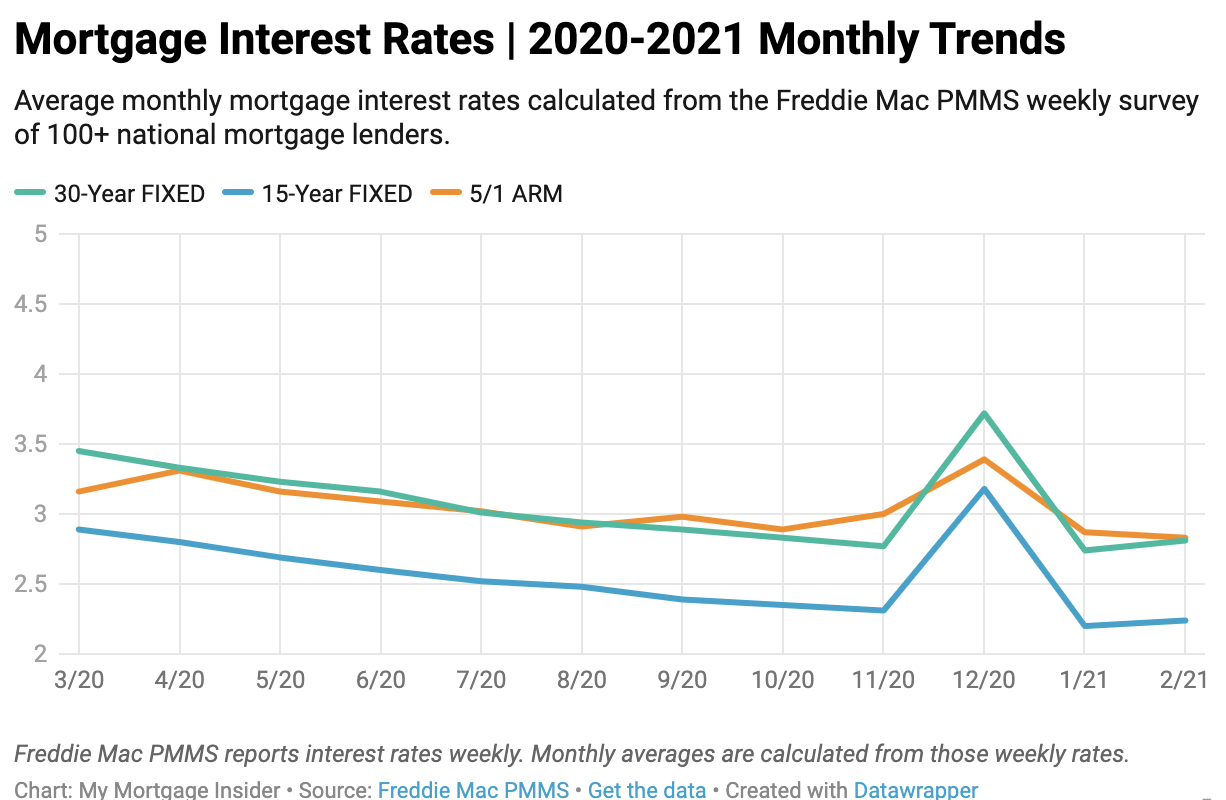
Mortgage interest rates are not static figures; they are constantly shifting in response to a complex interplay of global and domestic economic factors. For most prospective homebuyers, the focus primarily rests on the 30-year fixed-rate mortgage, which remains the most popular choice due to its predictable monthly payments and longer amortization period. However, 15-year fixed-rate mortgages and adjustable-rate mortgages (ARMs) also play significant roles, each appealing to different financial strategies and risk tolerances.
Key Factors Influencing Today’s Rates
Several macro and microeconomic forces contribute to the current level and trajectory of housing interest rates. On a broad scale, global economic stability, geopolitical events, and investor confidence can create ripple effects that influence bond markets, which in turn dictate mortgage rates. Domestically, the health of the U.S. economy—reflected in employment figures, GDP growth, and consumer spending—is a primary driver. A robust economy often leads to higher inflation expectations, pushing rates upward as lenders demand greater compensation for the eroding purchasing power of future repayments. Conversely, economic slowdowns or recessions can prompt rate cuts as policymakers attempt to stimulate growth.
Beyond these broad strokes, the perceived risk associated with mortgage-backed securities (MBS) plays a direct role. MBS are a major funding source for mortgages, and their yield is closely tied to the 10-year Treasury bond. When the yield on the 10-year Treasury rises, so too do mortgage rates, and vice-versa. Investor demand for MBS, influenced by market liquidity and risk appetite, can therefore have an immediate impact on borrowing costs for homebuyers.
Individual borrower characteristics also heavily influence the final rate offered. A borrower’s credit score is perhaps the most significant personal factor; those with higher scores (typically 740 and above) are seen as lower risk and generally qualify for the most favorable rates. Debt-to-income (DTI) ratio, loan-to-value (LTV) ratio (determined by the down payment size), and the specific loan product chosen also play a crucial role in the personalized rate calculation. Lenders assess these factors to determine the risk of default, adjusting the interest rate accordingly to compensate for perceived risk.
A Snapshot of Current Averages and Product Variations
While specific real-time rates are subject to daily fluctuations, we can generally observe the prevailing trends across different mortgage products. The 30-year fixed-rate mortgage typically offers the highest interest rate among the common options due to the extended period of risk for the lender. Its appeal lies in payment stability, making it easier for homeowners to budget.
The 15-year fixed-rate mortgage, by contrast, usually carries a lower interest rate than its 30-year counterpart. While monthly payments are higher due to the shorter repayment schedule, borrowers pay significantly less interest over the life of the loan and build equity faster. This option is often favored by those with stable, higher incomes or those nearing retirement who wish to pay off their home sooner.
Adjustable-rate mortgages (ARMs) start with an initial fixed interest rate for a set period (e.g., 3, 5, 7, or 10 years) before adjusting periodically based on a market index. The initial fixed rate on an ARM is often lower than a comparable 30-year fixed rate, making it attractive for buyers who plan to sell or refinance before the fixed period ends, or those who anticipate future income growth. However, ARMs introduce interest rate risk, as payments can increase significantly when the rate adjusts, potentially straining household budgets. Understanding the caps (limits on how much the rate can adjust) is crucial for anyone considering an ARM.
The Macroeconomic Forces at Play
The current state of housing interest rates is inextricably linked to broader macroeconomic conditions and monetary policy. These forces create the overarching environment within which individual lending decisions are made.
Federal Reserve Policy and the Federal Funds Rate
The Federal Reserve, the central bank of the United States, plays a pivotal role in shaping the economic landscape and, consequently, interest rates. While the Fed does not directly set mortgage rates, its decisions on the federal funds rate profoundly impact the cost of borrowing across the financial system. The federal funds rate is the target rate for overnight lending between banks. When the Fed raises this rate, it signals a tightening of monetary policy, making it more expensive for banks to borrow money. These higher borrowing costs are then typically passed on to consumers in the form of higher rates for various loans, including mortgages. Conversely, a reduction in the federal funds rate aims to stimulate economic activity by making borrowing cheaper. The Fed’s dual mandate of maximizing employment and maintaining price stability guides these interest rate decisions.
Inflation’s Grip on Borrowing Costs
Inflation is a critical determinant of mortgage rates. When inflation is high and persistent, the purchasing power of money erodes over time. Lenders, aware that the money they are repaid in the future will be worth less, demand higher interest rates to compensate for this loss in value. This is known as an “inflation premium.” Bond investors, who fund many mortgages, also require higher yields to offset inflation, driving up the cost of borrowing for homebuyers. Central banks often respond to high inflation by raising interest rates, further contributing to higher mortgage costs as part of their efforts to cool down the economy and bring price levels back into target ranges.
Economic Growth and Market Sentiment
The overall health and trajectory of the economy also exert considerable influence. Strong economic growth, characterized by robust job creation and rising wages, tends to put upward pressure on interest rates. This is because a growing economy often leads to increased consumer demand, which can fuel inflation. Furthermore, a strong economy implies a lower risk of loan defaults, potentially encouraging lending, but the demand for capital also increases, which can push rates higher.
Market sentiment, often driven by investor perceptions of future economic conditions and policy actions, can also create significant short-term volatility in mortgage rates. News headlines about geopolitical conflicts, shifts in global trade, or unexpected economic data releases can cause immediate reactions in bond markets, translating to rapid changes in mortgage offers. Uncertainty typically leads to investors seeking safer assets, which can sometimes push bond yields down, but prolonged uncertainty can also lead to a flight to quality that paradoxically raises rates if overall risk aversion increases.

Impact on Homebuyers and Homeowners
The prevailing interest rate environment has profound implications for both those looking to enter the housing market and those who already own homes. Understanding these impacts is crucial for effective personal financial planning.
Affordability Challenges for Prospective Buyers
For first-time homebuyers or those looking to move up, higher interest rates directly translate to increased monthly mortgage payments for the same loan amount. This reduces purchasing power and can make homeownership less affordable, especially in markets where home prices are already elevated. A seemingly small increase in the interest rate can add hundreds of dollars to a monthly payment, potentially pushing a buyer’s debt-to-income ratio too high or simply making the payment unaffordable within their budget. This often forces buyers to either settle for a smaller, less desirable home, extend their home search, or put their homeownership plans on hold. The impact is particularly acute for buyers in competitive markets or those with tighter budgets.
Refinancing Opportunities (or Lack Thereof)
Existing homeowners continuously monitor interest rates for potential refinancing opportunities. When rates fall significantly below their current mortgage rate, refinancing can offer substantial savings by reducing monthly payments, shortening the loan term, or tapping into home equity. In a rising rate environment, however, refinancing opportunities diminish. Homeowners who locked in lower rates previously may find current rates less attractive, making refinancing financially unviable. Those with adjustable-rate mortgages may face increased payments as their rates adjust upward, potentially straining their budgets if they are unable to refinance into a more favorable fixed rate.
Equity and Wealth Building in a Volatile Market
Interest rates also influence the pace of equity accumulation and overall wealth building through real estate. While lower rates generally stimulate buyer demand and can lead to faster home price appreciation, higher rates can cool the market, potentially slowing down the rate at which home equity grows. However, building equity is not solely dependent on market appreciation; it also occurs through consistent mortgage payments that reduce the principal balance. Even in a higher-rate environment, disciplined payments contribute to long-term wealth accumulation. The key for homeowners is to understand the balance between market fluctuations and their personal repayment strategy.
Navigating the Current Rate Environment
Making astute financial decisions in today’s interest rate climate requires a strategic approach, whether you are buying your first home or managing an existing mortgage.
Strategies for First-Time Buyers
First-time buyers facing higher rates should prioritize strengthening their financial profile. This includes improving credit scores, reducing existing debt, and saving for a larger down payment. A larger down payment reduces the loan amount, thereby mitigating the impact of higher interest rates on monthly payments. Exploring different loan programs, such as FHA or VA loans, which may offer more lenient qualification requirements or lower down payment options, can also be beneficial. Additionally, being pre-approved for a mortgage provides a clear understanding of what you can afford, allowing for a focused and efficient home search. Consider working with a trusted mortgage broker who can shop multiple lenders for the most competitive rates and terms tailored to your situation.
Considerations for Existing Homeowners
Existing homeowners should regularly assess their current mortgage. If you have an adjustable-rate mortgage and rates are rising, it might be prudent to explore options for refinancing into a fixed-rate loan if doing so would provide payment stability, even if the new rate is slightly higher than your initial ARM rate. For those with fixed-rate mortgages, consider making extra principal payments when possible. This strategy helps reduce the total interest paid over the life of the loan and accelerates equity build-up, offering a stronger financial position regardless of future rate movements. It’s also wise to maintain a healthy emergency fund to weather any unexpected financial challenges without jeopardizing homeownership.
The Role of Financial Planning and Professional Advice
Given the complexity and variability of housing interest rates, professional financial planning is invaluable. A qualified financial advisor can help assess your overall financial situation, integrate your housing goals into a broader wealth management strategy, and provide personalized recommendations. Similarly, working with an experienced mortgage broker or loan officer is essential. They possess up-to-date knowledge of the market, can navigate the intricacies of different loan products, and help you secure the most favorable terms available based on your unique circumstances. Their expertise can save you significant money and stress over the long term.
What to Expect Moving Forward
The future trajectory of housing interest rates remains a subject of intense speculation and analysis. While no one can predict future rates with certainty, understanding the factors that will likely influence them can help in preparing for potential shifts.
Expert Projections and Market Volatility
Economists and market analysts continuously issue projections for interest rates, but these are often subject to revision as new economic data emerges. The consensus typically reflects expectations for inflation, the Federal Reserve’s monetary policy decisions, and the overall health of the global economy. Market volatility, driven by unexpected events or shifts in investor sentiment, can cause rates to move rapidly in either direction. Therefore, it is important to view projections as general indicators rather than definitive forecasts. Staying informed through reputable financial news sources and consulting with financial professionals is key to understanding the prevailing sentiment and potential future trends.

Preparing for Rate Fluctuations
For individuals, the best strategy is to prepare for potential rate fluctuations rather than trying to time the market. This involves building a strong financial foundation, including a robust credit score, a substantial down payment, and a healthy emergency fund. For prospective buyers, getting pre-approved provides a rate lock, offering a window of stability during their home search. For homeowners, periodic financial reviews can help identify opportunities to optimize their mortgage or other debt, irrespective of the prevailing rate environment. The goal is to build resilience into your personal finances, ensuring that shifts in interest rates do not derail your long-term housing and wealth-building objectives.
aViewFromTheCave is a participant in the Amazon Services LLC Associates Program, an affiliate advertising program designed to provide a means for sites to earn advertising fees by advertising and linking to Amazon.com. Amazon, the Amazon logo, AmazonSupply, and the AmazonSupply logo are trademarks of Amazon.com, Inc. or its affiliates. As an Amazon Associate we earn affiliate commissions from qualifying purchases.