
For most individuals, purchasing a home represents the single largest financial transaction of their lives. It’s a journey fraught with decisions, forms, and financial jargon, among which “home interest rate” stands as one of the most critical. Far more than just a number, the home interest rate dictates a significant portion of your monthly mortgage payment and, over the lifetime of your loan, can add tens or even hundreds of thousands of dollars to the total cost of your home. Understanding this fundamental concept is not merely a matter of financial literacy; it’s a prerequisite for making intelligent, cost-effective decisions that will impact your financial well-being for decades.
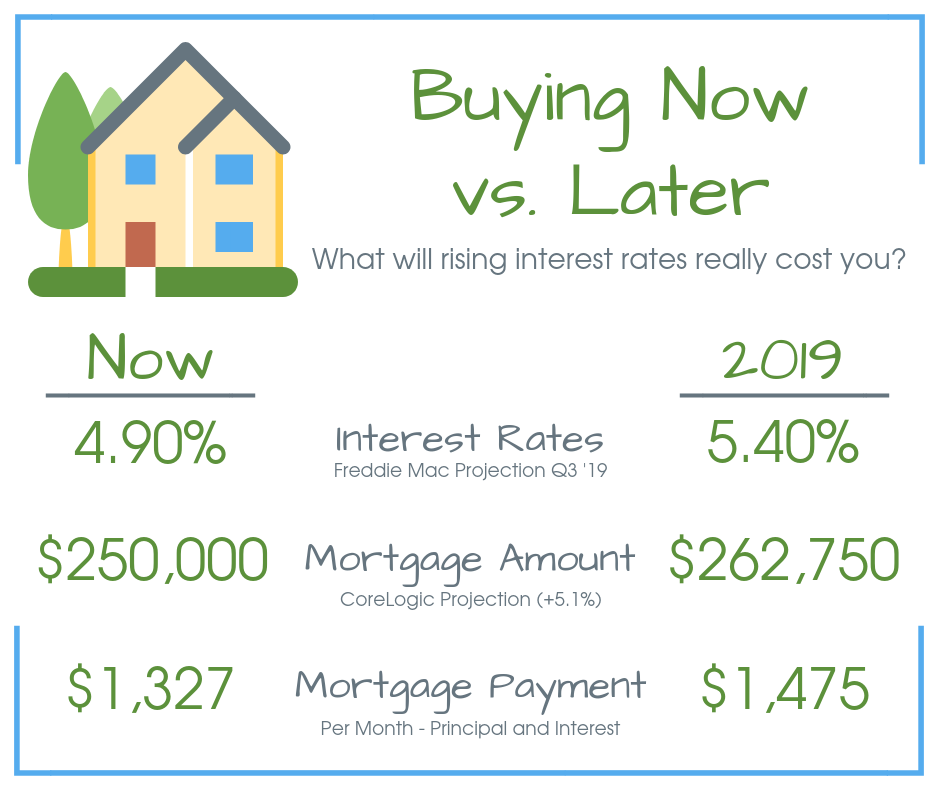
In essence, a home interest rate is the cost of borrowing money from a lender to purchase a property. It’s expressed as a percentage of the loan amount and is charged periodically (usually annually) on the outstanding principal balance. This rate is the lender’s compensation for the risk they take by lending you money, and it encompasses various factors, from the current economic climate to your individual creditworthiness. Delving deeper into its components, influences, and implications is paramount for anyone navigating the complexities of the housing market.
Understanding the Basics of Home Interest Rates
Before we explore the intricacies, let’s establish a foundational understanding of what interest rates are in the context of home loans, and differentiate between commonly confused terms.
What is an Interest Rate?
At its core, an interest rate is the percentage a lender charges you for the use of their money. For a home loan, this is the primary cost associated with your mortgage, separate from the principal amount you borrowed. When you make a monthly mortgage payment, a portion goes towards reducing the principal balance, and another portion covers the interest accrued since your last payment. In the early years of a typical mortgage, a larger share of your payment goes towards interest, gradually shifting towards principal as the loan matures.
Fixed vs. Adjustable Rates (ARMs)
Mortgages primarily come in two interest rate structures: fixed-rate and adjustable-rate mortgages (ARMs).
- Fixed-Rate Mortgage: With a fixed-rate mortgage, the interest rate remains constant for the entire duration of the loan, typically 15 or 30 years. This provides predictability and stability, as your principal and interest payment will not change. Borrowers often favor fixed rates during periods of low interest rates or when they prioritize consistent budgeting and protection against potential rate increases.
- Adjustable-Rate Mortgage (ARM): An ARM features an interest rate that changes periodically after an initial fixed-rate period. For example, a 5/1 ARM means the rate is fixed for the first five years, and then it adjusts annually based on a specific market index (like SOFR or the Treasury yield) plus a lender’s margin. ARMs often start with lower interest rates than fixed-rate mortgages, making them attractive to buyers who plan to sell or refinance before the fixed period ends, or those who anticipate their income will rise significantly. However, they carry the risk of higher payments if rates increase after the adjustment period. Most ARMs have caps on how much the rate can increase or decrease per adjustment period and over the life of the loan.
Annual Percentage Rate (APR) vs. Interest Rate
It’s crucial to distinguish between the nominal interest rate and the Annual Percentage Rate (APR).
- Interest Rate: This is simply the percentage charged on the principal loan amount. It determines the interest portion of your monthly payment.
- Annual Percentage Rate (APR): The APR provides a more comprehensive measure of the total cost of borrowing. It includes not only the interest rate but also most of the fees associated with obtaining the loan, such as origination fees, discount points, mortgage insurance, and closing costs. The APR is designed to give consumers a single, all-encompassing figure to compare the true cost of different loans. While the interest rate tells you how much you’ll pay in interest, the APR tells you the full yearly cost of the loan, including most upfront costs, spread out over the life of the loan.
Key Factors Influencing Home Interest Rates
Home interest rates are not static; they fluctuate daily and are influenced by a complex interplay of macroeconomic forces and individual borrower characteristics.
Economic Indicators
Broader economic trends heavily dictate the direction of interest rates.
- Inflation: High inflation erodes the purchasing power of money over time. Lenders, to protect their returns, demand higher interest rates during inflationary periods to compensate for the reduced future value of the money they will be repaid.
- Federal Funds Rate: Set by the U.S. Federal Reserve, the federal funds rate is the target rate for overnight borrowing between banks. While not directly a mortgage rate, it influences all other interest rates in the economy. When the Fed raises this rate to combat inflation, it typically leads to higher borrowing costs across the board, including mortgage rates. Conversely, when the Fed lowers rates to stimulate economic activity, mortgage rates often follow suit.
- Treasury Yields: The yield on U.S. Treasury bonds, particularly the 10-year Treasury note, often serves as a benchmark for long-term interest rates like those on 30-year fixed mortgages. As Treasury yields rise or fall, mortgage rates tend to move in the same direction.
- Economic Growth and Employment: A strong economy with low unemployment typically indicates higher demand for housing and increased consumer spending, which can put upward pressure on interest rates.
Borrower’s Financial Profile
Your personal financial health plays a significant role in the interest rate a lender will offer you.
- Credit Score: A higher credit score (e.g., FICO score) indicates a lower risk to lenders. Borrowers with excellent credit histories (typically 740 and above) are offered the most competitive interest rates because they have a proven track record of repaying debt responsibly. Lower scores signal higher risk, leading to higher interest rates to compensate the lender.
- Down Payment: A larger down payment reduces the amount you need to borrow and, consequently, the lender’s risk. Lenders often offer better rates to borrowers who put down a substantial amount (e.g., 20% or more), as it demonstrates a greater equity stake and commitment to the property.
- Debt-to-Income (DTI) Ratio: Your DTI ratio is the percentage of your gross monthly income that goes towards paying debts. Lenders look for a low DTI (typically below 43%) as it indicates you have sufficient disposable income to handle your mortgage payments. A higher DTI suggests financial strain and can result in a higher interest rate or even loan denial.
Loan Term and Type
The characteristics of the mortgage itself also impact the rate.
- Loan Term: Shorter loan terms, such as a 15-year fixed mortgage, typically come with lower interest rates than longer terms, like a 30-year fixed mortgage. This is because lenders are exposed to risk for a shorter period, and the loan is repaid faster. However, shorter terms result in higher monthly payments.
- Loan Type: Different mortgage programs cater to various borrower needs and risk profiles. Conventional loans generally offer the lowest rates to borrowers with excellent credit. Government-backed loans like FHA (Federal Housing Administration) loans, VA (Veterans Affairs) loans, and USDA (U.S. Department of Agriculture) loans often have specific interest rate structures and requirements, sometimes offering more lenient qualification criteria but potentially higher overall costs due to fees like mortgage insurance. Jumbo loans, for amounts exceeding conventional loan limits, can sometimes carry slightly higher rates due to their larger size and perceived risk.
Market Competition and Lender Margins
The competitive landscape among lenders also plays a role. In a highly competitive market, lenders may be willing to trim their profit margins to attract borrowers, leading to slightly lower rates. Conversely, a less competitive environment or a lender with higher overhead costs might offer higher rates. Lenders also factor in their own operational costs and desired profit margins when setting rates.
How Interest Rates Impact Your Mortgage Payments
The interest rate is arguably the single most influential factor determining your monthly mortgage payment and the total cost of your home. A slight shift can have a profound impact.

The Power of a Percentage Point
Even a seemingly small difference in the interest rate can translate into thousands of dollars over the life of a loan. Consider a $300,000, 30-year fixed-rate mortgage:
- At 6.0% interest, your principal and interest payment would be approximately $1,798 per month, and the total interest paid over 30 years would be about $347,386.
- At 7.0% interest, your principal and interest payment jumps to approximately $1,996 per month, and the total interest paid would be around $418,590.
That one percentage point difference means an additional $198 per month and an astonishing $71,204 more in total interest paid over the life of the loan. This illustrates why securing the lowest possible rate is so critical.
Calculating Your Monthly Payment (Principal & Interest)
Your monthly principal and interest payment is calculated using a mortgage amortization formula. While complex, online mortgage calculators readily available can perform this calculation for you, requiring inputs like:
- Principal Loan Amount: The total amount you are borrowing.
- Interest Rate: The annual percentage rate (not APR).
- Loan Term: The number of years for repayment (e.g., 30 years or 360 months).
The calculator will then show you the fixed monthly payment required to fully pay off the loan by the end of the term, including both principal and interest. It’s important to remember that this payment doesn’t include property taxes, homeowner’s insurance, or private mortgage insurance (PMI), which are often bundled into an escrow account, making your total monthly housing expense higher than just the principal and interest.
Long-Term Cost Implications
The cumulative effect of interest rates over a long repayment period is staggering. A lower interest rate not only reduces your monthly burden but also significantly decreases the overall amount of money you pay back to the lender. This saving can then be allocated to other financial goals, such as retirement savings, investments, or home improvements. Conversely, a higher interest rate can make homeownership less affordable, restrict your budget for other necessities, and dramatically increase the total cost of your property.
Strategies for Securing a Favorable Home Interest Rate
Given the substantial impact of interest rates, proactively working to secure the best possible rate is a cornerstone of smart home financing.
Improving Your Creditworthiness
This is perhaps the most impactful step you can take.
- Pay Bills on Time: Payment history is the largest factor in your credit score.
- Reduce Debt: Lower your credit utilization ratio (the amount of credit you’re using compared to your total available credit).
- Avoid New Credit: Don’t open new credit accounts before applying for a mortgage, as this can temporarily lower your score.
- Check Your Credit Report: Dispute any errors that could be negatively impacting your score.
- Maintain Long Credit History: The longer your credit accounts have been open and in good standing, the better.
Aim for a FICO score of 740 or higher to access the most competitive rates.
Saving for a Larger Down Payment
A substantial down payment signals to lenders that you are a lower risk. Aim for 20% or more of the home’s purchase price if possible. This not only can secure a better interest rate but also helps you avoid private mortgage insurance (PMI), which adds to your monthly costs. Even putting down 5-10% more than the minimum can make a difference in your rate and perceived risk.
Shopping Around for Lenders
Never settle for the first quote you receive. Interest rates and fees can vary significantly between different lenders, including traditional banks, credit unions, and online mortgage brokers.
- Get Quotes from Multiple Lenders: Apply to at least three to five different lenders within a short timeframe (usually 14-45 days, depending on the credit scoring model, to minimize the impact on your credit score from multiple hard inquiries).
- Compare Loan Estimates: Lenders are required to provide a “Loan Estimate” form, which standardizes the presentation of interest rates, fees, and other costs, making direct comparisons easier. Pay close attention to the APR, which gives you a fuller picture of the total cost.
- Negotiate: Don’t be afraid to use a competitive offer from one lender to negotiate a better rate or lower fees from another.
Understanding Rate Locks
Once you have an accepted purchase offer and have selected a lender, you will often have the option to “lock” your interest rate.
- What it is: A rate lock guarantees that the interest rate offered to you will remain fixed for a specific period (e.g., 30, 45, or 60 days) while your loan application is processed.
- Why it’s important: It protects you from rate increases during the closing period.
- Considerations: If rates are falling, you might want to consider a “float-down” option (if available), which allows you to take advantage of a lower rate if it drops significantly, usually for a fee. If rates are rising, a rate lock is invaluable.

Considering Mortgage Points
Mortgage points, also known as discount points, are fees paid to the lender at closing in exchange for a lower interest rate. One point typically equals 1% of the loan amount.
- How they work: Paying points upfront reduces your interest rate for the entire life of the loan.
- When they make sense: This strategy is beneficial if you plan to stay in your home for a long time, as the savings from the lower interest rate will eventually outweigh the upfront cost of the points. You need to calculate the “break-even point” – how long it will take for the interest savings to cover the cost of the points.
In conclusion, the home interest rate is a cornerstone of homeownership finance. It’s a dynamic figure influenced by global economics and personal financial choices, directly impacting your monthly budget and the long-term cost of your home. By understanding its components, the factors that drive it, and employing strategic approaches to secure the most favorable terms, aspiring and current homeowners can navigate the mortgage landscape with greater confidence and achieve significant financial advantages over the life of their loan. Armed with this knowledge, you are better equipped to make informed decisions that align with your financial goals and secure your dream home on the best possible terms.
aViewFromTheCave is a participant in the Amazon Services LLC Associates Program, an affiliate advertising program designed to provide a means for sites to earn advertising fees by advertising and linking to Amazon.com. Amazon, the Amazon logo, AmazonSupply, and the AmazonSupply logo are trademarks of Amazon.com, Inc. or its affiliates. As an Amazon Associate we earn affiliate commissions from qualifying purchases.