
The question “what is the home interest rate now?” is more than just a query about a number; it’s a gateway to understanding a complex, dynamic financial landscape that impacts everything from personal budgets to the broader economy. For prospective homebuyers, current homeowners considering refinancing, or even just financially astute individuals tracking economic trends, the prevailing mortgage interest rates are a critical barometer. These rates dictate affordability, purchasing power, and the overall cost of homeownership over decades.
Unlike fixed prices in a grocery store, home interest rates are in constant flux, influenced by a myriad of economic forces that are often global in scope. They are a direct reflection of the cost of borrowing money, filtered through the lens of individual lender risk assessments and broader market sentiment. Understanding the current rates, and more importantly, the mechanisms that drive them, is essential for making informed financial decisions in the housing market. In this comprehensive guide, we’ll dissect the current interest rate environment, explore the factors that shape it, and provide actionable insights for navigating today’s mortgage market effectively.
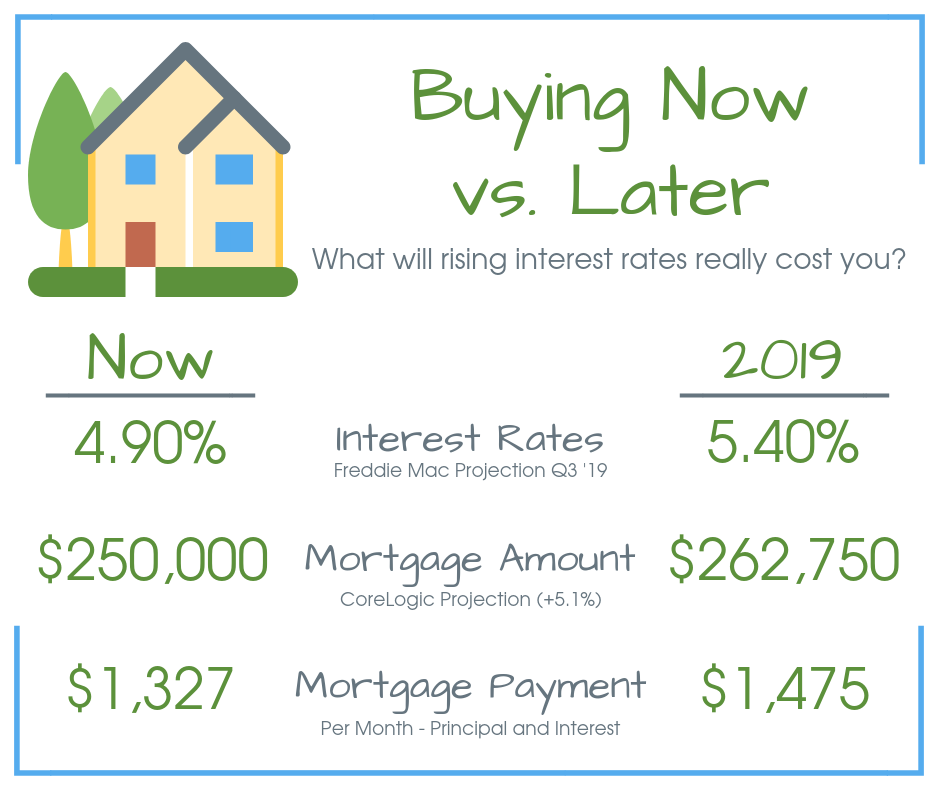
Understanding the Current Landscape of Home Interest Rates
To grasp “what is the home interest rate now,” we must first acknowledge that there isn’t a single, universal rate. Instead, we refer to a range, influenced by the type of loan, the lender, and the borrower’s financial profile. However, there are prevailing trends that define the current landscape, largely shaped by the broader economic environment and the actions of central banks.
The Interplay of Economic Indicators and Monetary Policy
Home interest rates are fundamentally linked to the overall health of the economy. Key economic indicators such as inflation, employment rates, and GDP growth all play significant roles. When inflation is high, central banks like the U.S. Federal Reserve typically raise their benchmark interest rate – the federal funds rate – to cool down the economy and bring prices under control. While the federal funds rate doesn’t directly dictate mortgage rates, it heavily influences the cost of borrowing for banks, which in turn trickles down to consumers.
A robust job market and strong economic growth can also signal potential inflation, prompting similar responses. Conversely, an economy showing signs of weakness might lead central banks to lower rates to stimulate borrowing and spending. The current moment is often characterized by a delicate balance of these forces, with policymakers attempting to achieve a “soft landing” – bringing inflation down without triggering a recession.
How Recent Fed Decisions Shape Mortgage Costs
The Federal Reserve’s monetary policy decisions, particularly their stance on the federal funds rate, are perhaps the most influential external factor on mortgage rates. When the Fed raises rates, it becomes more expensive for banks to borrow money, and these higher costs are passed on to consumers in the form of higher interest rates on mortgages, car loans, and credit cards. Conversely, when the Fed cuts rates, borrowing becomes cheaper, potentially leading to lower mortgage rates.
Recent years have seen a period of significant rate hikes designed to combat persistent inflation, which had surged due to supply chain disruptions and strong consumer demand. While the Fed’s target rate is for overnight lending between banks, the bond market, specifically the 10-year Treasury yield, tends to move in lockstep with expectations for future Fed policy and is a strong predictor of 30-year fixed mortgage rates. Lenders price their mortgage products based on their cost of funds, which is heavily influenced by these Treasury yields. Therefore, tracking the Fed’s commentary and bond market movements offers the clearest window into the current and near-future direction of mortgage rates.
Key Factors Driving Mortgage Rate Fluctuations
Understanding “what is the home interest rate now” requires looking beyond just the Fed. Several other powerful forces contribute to the daily, weekly, and monthly shifts in mortgage rates.
Inflation and Its Direct Impact on Borrowing Costs
Inflation is a paramount concern for lenders. When inflation is high, the purchasing power of money erodes over time. If a lender lends money today at a low-interest rate and inflation is high, the money they get back in the future will be worth less. To compensate for this anticipated loss in purchasing power, lenders charge higher interest rates. This is why periods of high inflation almost invariably correlate with higher mortgage rates. Investors demand a higher yield to offset the risk that their returns will be diminished by rising prices, and this demand translates into higher interest rates for borrowers.
The Influence of the Bond Market (10-Year Treasury Yield)
As briefly mentioned, the 10-year U.S. Treasury bond yield is arguably the single most important benchmark for long-term fixed mortgage rates. Mortgage-backed securities (MBS), which are bundles of mortgages bought and sold by investors, typically track the 10-year Treasury yield very closely. When demand for Treasury bonds is low (and yields rise), investors demand higher returns on MBS, which translates to higher mortgage rates. Conversely, when demand for Treasuries is high (and yields fall), mortgage rates tend to follow suit. Factors like investor confidence, global economic stability, and anticipation of Fed actions all influence the 10-year Treasury yield daily.
Global Economic Events and Geopolitical Considerations
The global economy is interconnected, and events far from home can ripple through financial markets, impacting mortgage rates. Geopolitical tensions, conflicts, major economic downturns in other countries, or even shifts in global trade policies can create uncertainty. During periods of uncertainty, investors often flock to “safe-haven” assets like U.S. Treasury bonds, driving down their yields and potentially lowering mortgage rates. Conversely, events that inject risk or volatility into global markets can push yields and mortgage rates higher as investors seek greater returns for taking on perceived risk. A stable global environment generally fosters lower rates, while instability often leads to higher ones.
Types of Mortgages and Their Rate Dynamics
When asking “what is the home interest rate now,” it’s crucial to specify the type of mortgage. Different loan products come with distinct rate structures and react differently to market changes.
Fixed-Rate Mortgages: Stability in a Volatile Market
The 30-year fixed-rate mortgage is the most popular choice for homebuyers due to its predictability. The interest rate remains constant for the entire life of the loan, providing stable monthly payments. This stability is highly valued, especially in volatile rate environments. While the initial rate might be higher than an adjustable-rate mortgage, the certainty it offers allows for easier budgeting and protects homeowners from future rate hikes. The interest rate for a fixed-rate mortgage is typically determined by the prevailing market conditions at the time of locking the rate, heavily influenced by the 10-year Treasury yield and inflation expectations.
Adjustable-Rate Mortgages (ARMs): Balancing Initial Savings with Future Risk
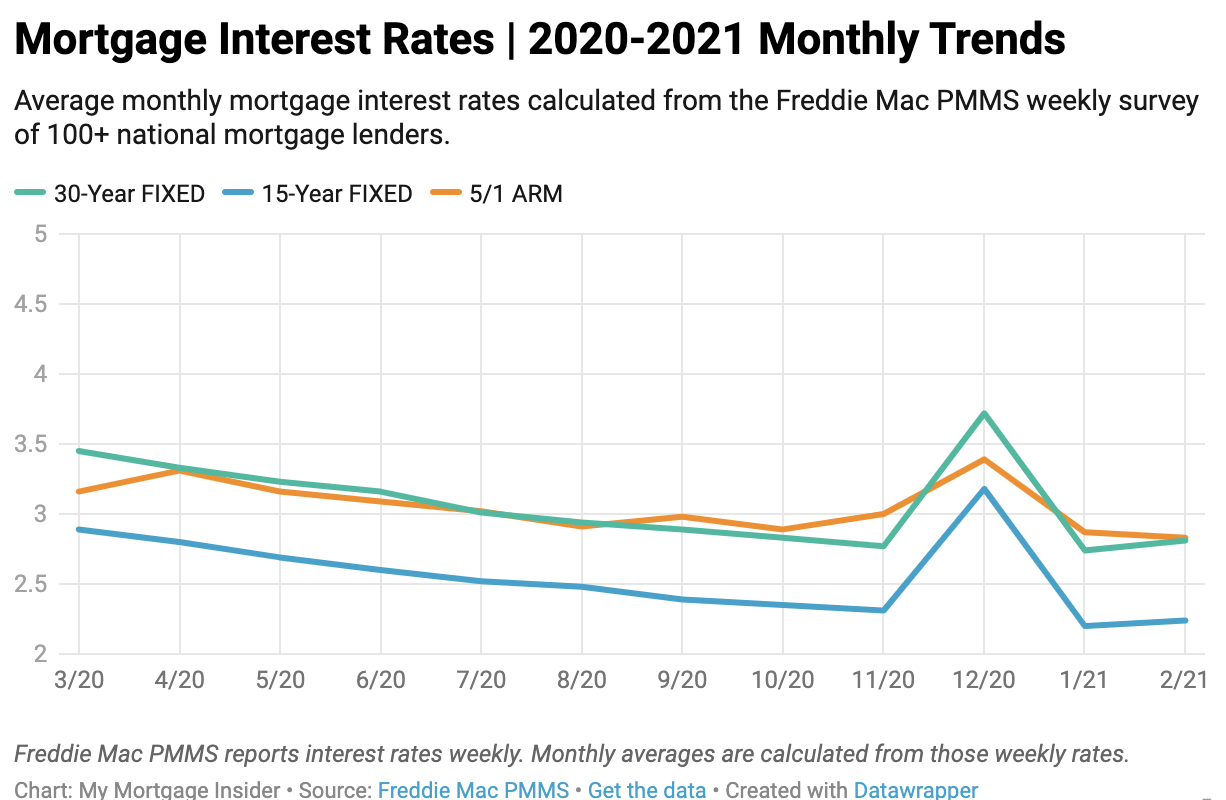
Adjustable-Rate Mortgages (ARMs) offer an interest rate that is fixed for an initial period (e.g., 3, 5, 7, or 10 years) and then adjusts periodically based on a predetermined index, such as the Secured Overnight Financing Rate (SOFR). ARMs typically start with a lower interest rate than fixed-rate mortgages, making them attractive for borrowers who anticipate selling or refinancing before the fixed period ends, or those who expect their income to increase. However, the risk lies in the uncertainty of future interest rates; if rates rise after the adjustment period, monthly payments can significantly increase. ARMs often have caps that limit how much the rate can change per adjustment period and over the life of the loan.
Government-Backed Loans (FHA, VA, USDA) and Their Unique Rate Structures
Government-backed loans, such as those from the Federal Housing Administration (FHA), Department of Veterans Affairs (VA), and U.S. Department of Agriculture (USDA), often come with slightly different rate dynamics and eligibility requirements. These programs are designed to make homeownership more accessible to specific groups.
- FHA loans: Offer lower down payment requirements and more lenient credit standards, but come with mandatory mortgage insurance premiums (MIP). Their interest rates are generally competitive but can sometimes be slightly higher than conventional loans due to the added risk profile of the borrowers they serve.
- VA loans: Provide incredible benefits to eligible service members, veterans, and surviving spouses, including no down payment and no private mortgage insurance (PMI). VA loan rates are often among the lowest available due to the government guarantee.
- USDA loans: Target low-to-moderate-income buyers in eligible rural areas, offering no down payment. Like VA loans, their rates are typically very competitive due to the government backing.
The rates for these government-backed loans still fluctuate with market conditions but are often somewhat insulated by their specific program guidelines and guarantees, making them a crucial option for eligible borrowers.
The Impact of Interest Rates on Your Homeownership Journey
Knowing “what is the home interest rate now” is not merely academic; it has profound, tangible effects on aspiring and current homeowners alike.
Affordability and Purchasing Power: What a Percentage Point Means
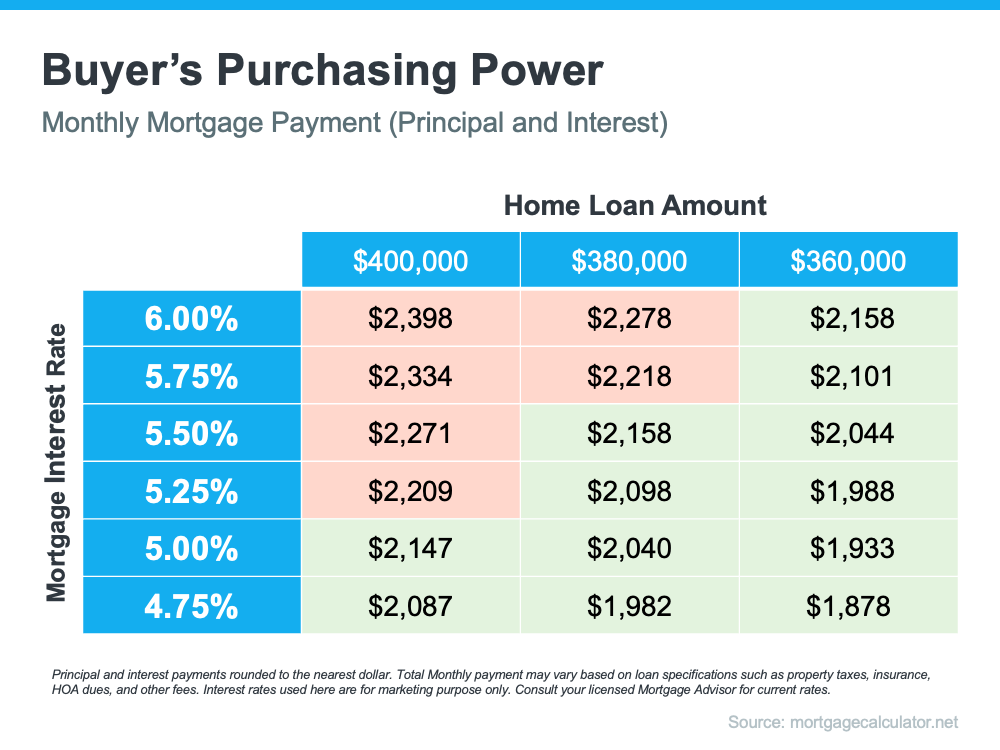
Even a seemingly small change in the interest rate can significantly alter a homebuyer’s affordability and purchasing power. A one-percentage-point increase on a $400,000 mortgage can add hundreds of dollars to a monthly payment, dramatically reducing the maximum loan amount a borrower can qualify for or making certain properties financially out of reach. Conversely, a drop in rates can open up opportunities, allowing buyers to afford more house for the same monthly payment or reduce their overall cost of borrowing. This sensitivity means that timing the market, or at least understanding its direction, can be critical for buyers.
Refinancing Opportunities: When to Re-evaluate Your Existing Loan
For current homeowners, fluctuating interest rates present refinancing opportunities. If current rates are significantly lower than your existing mortgage rate, refinancing can reduce your monthly payments, decrease the total interest paid over the life of the loan, or allow you to convert an adjustable-rate mortgage to a fixed-rate one for greater stability. However, refinancing involves closing costs, so it’s essential to calculate the break-even point to ensure the savings outweigh these upfront expenses. Many homeowners also use refinancing to tap into home equity for renovations or debt consolidation, carefully weighing the implications of extending their loan term or increasing their principal balance.
The Psychological Aspect: Buyer Sentiment and Market Activity
Interest rates also have a significant psychological impact on the housing market. Low rates tend to fuel buyer enthusiasm, driving up demand and often prices, creating a seller’s market. High rates can dampen demand, making buyers more cautious and potentially leading to slower sales and softer price growth. This shift in sentiment affects market activity, influencing whether it’s a good time to buy, sell, or hold. Understanding “what is the home interest rate now” helps both buyers and sellers anticipate market shifts and adjust their strategies accordingly.
Strategies for Prospective Buyers and Current Homeowners
Given the dynamic nature of interest rates, having a strategic approach is vital, whether you’re looking to buy your first home or manage an existing mortgage.
Shopping Around for the Best Rates and Lenders
Never settle for the first quote you receive. Interest rates and fees can vary significantly between lenders, even on the same day. It’s imperative to shop around, obtaining quotes from multiple banks, credit unions, and mortgage brokers. Compare not just the interest rate (APR is a good comparative metric as it includes some fees), but also origination fees, discount points, and other closing costs. A slightly lower rate from one lender could save you tens of thousands of dollars over the life of a loan. Utilizing online comparison tools and working with experienced mortgage professionals can streamline this process.
Improving Your Financial Profile (Credit Score, Debt-to-Income)
Your personal financial health plays a direct role in the interest rate you’ll be offered. Lenders assess risk, and a strong financial profile translates to lower risk for them.
- Credit Score: A higher credit score (generally above 740 for the best rates) indicates a responsible borrower. Pay bills on time, keep credit utilization low, and avoid opening new lines of credit just before applying for a mortgage.
- Debt-to-Income (DTI) Ratio: This ratio compares your total monthly debt payments to your gross monthly income. Lenders typically prefer a DTI ratio below 43%, though lower is always better. Reducing existing debt can significantly improve your DTI and, consequently, your mortgage rate.
- Down Payment: A larger down payment reduces the loan amount and often signals greater financial stability to lenders, potentially leading to a better rate.
Understanding Rate Locks and Their Importance
Once you’ve found a desirable interest rate and are nearing the final stages of your loan application, a rate lock becomes crucial. A rate lock guarantees that the interest rate offered by the lender will not change between the time you “lock” it and your closing date, typically for a period of 30, 45, or 60 days. This protects you from potential rate increases during the underwriting process. However, if rates drop significantly after you’ve locked, you might be unable to take advantage of the lower rate without paying a fee to re-lock or starting a new application. Discuss the terms of rate locks, including potential float-down options, with your lender.
Consulting with Financial Professionals for Personalized Advice
The mortgage market is intricate, and individual situations vary widely. For personalized guidance, consulting with a qualified mortgage broker or financial advisor is invaluable. They can help you understand “what is the home interest rate now” in the context of your specific financial goals, evaluate different loan products, and strategize the best approach for your homeownership journey. Their expertise can help you navigate complexities, avoid pitfalls, and ultimately secure the most advantageous terms for your mortgage.
In conclusion, “what is the home interest rate now” is a question that leads to a deep dive into economic indicators, central bank policies, market dynamics, and personal finance strategies. By staying informed, understanding the contributing factors, and applying sound financial practices, individuals can confidently navigate today’s evolving mortgage market and make decisions that contribute to their long-term financial well-being.
aViewFromTheCave is a participant in the Amazon Services LLC Associates Program, an affiliate advertising program designed to provide a means for sites to earn advertising fees by advertising and linking to Amazon.com. Amazon, the Amazon logo, AmazonSupply, and the AmazonSupply logo are trademarks of Amazon.com, Inc. or its affiliates. As an Amazon Associate we earn affiliate commissions from qualifying purchases.