
While the world often views December 26 through the lens of relaxation or cultural tradition, from a financial perspective, this date represents one of the most significant shifts in global liquidity and consumer behavior of the fiscal year. Known predominantly as Boxing Day in Commonwealth nations and recognized as a critical retail window globally, December 26 serves as the bridge between the peak “giving” season of Christmas and the “clearing” season that precedes the new fiscal quarter. For investors, retail giants, and savvy personal finance practitioners, this day is less about the holiday itself and more about the strategic movement of capital.

The Retail Powerhouse: Understanding the Economic Impact of December 26
The transition from December 25 to December 26 marks a pivot from sentimental consumption to aggressive value-seeking. Economically, this day is characterized by high-volume transactions that directly influence a company’s year-end earnings reports. In regions like the United Kingdom, Canada, and Australia, Boxing Day has historically been the highest-grossing shopping day of the year, often rivaling or exceeding Black Friday in terms of domestic impact.
The Shift from Brick-and-Mortar to E-commerce Liquidity
In the modern financial landscape, the “holiday” of December 26 has moved from physical queues at storefronts to massive surges in digital traffic. For e-commerce platforms, this day represents a critical test of server infrastructure and logistics. From an investment standpoint, the performance of major retailers on this day acts as a bellwether for consumer confidence heading into the first quarter of the following year.
The digital shift has also extended the “day” into a “week.” Financial analysts now track “Boxing Week” as a cohesive unit of data. This period is vital for companies to convert inventory into cash, thereby improving their quick ratios and ensuring their balance sheets look as healthy as possible before the December 31 reporting deadline.
The Role of Gift Cards in Corporate Revenue
A significant driver of the December 26 economy is the redemption of gift cards. From an accounting perspective, a gift card is a liability on a company’s balance sheet until it is used. On December 26, millions of consumers “activate” these liabilities by converting them into sales. However, a phenomenon known as “breakage”—the percentage of gift card value that goes unspent—represents a unique form of pure profit for corporations. For the consumer, December 26 is the primary day to maximize the purchasing power of these cards before inflation or policy changes diminish their value.
Consumer Psychology and the Science of Post-Holiday Spending
The financial activity on December 26 is driven by a unique psychological state known as “post-holiday release.” After weeks of purchasing for others, consumers pivot toward “self-gifting.” This psychological shift is a goldmine for marketers and a potential pitfall for those without a strict personal finance framework.
The Scarcity and Urgency Paradigm
Retailers utilize December 26 to create an environment of artificial scarcity. By labeling discounts as “clearance” or “one-day-only,” they trigger the Fear of Missing Out (FOMO) in consumers. For the disciplined investor or budget-conscious individual, recognizing these triggers is essential. Strategic spending on this day involves identifying items that have a high utility-to-cost ratio—such as durable goods or essential technology—rather than falling prey to impulse purchases of depreciating luxury goods.
The “New Year, New You” Marketing Pivot
Immediately following the conclusion of Christmas, financial institutions and retail brands shift their messaging toward self-improvement and financial resolutions. This is the moment when the “Money” category sees a surge in subscriptions for budgeting apps, gym memberships, and investment platforms. Understanding that December 26 is the starting gun for this marketing blitz allows consumers to approach these services with a critical eye, ensuring they are investing in tools that provide actual ROI rather than just emotional satisfaction.
Strategic Personal Finance: Navigating Year-End Markets
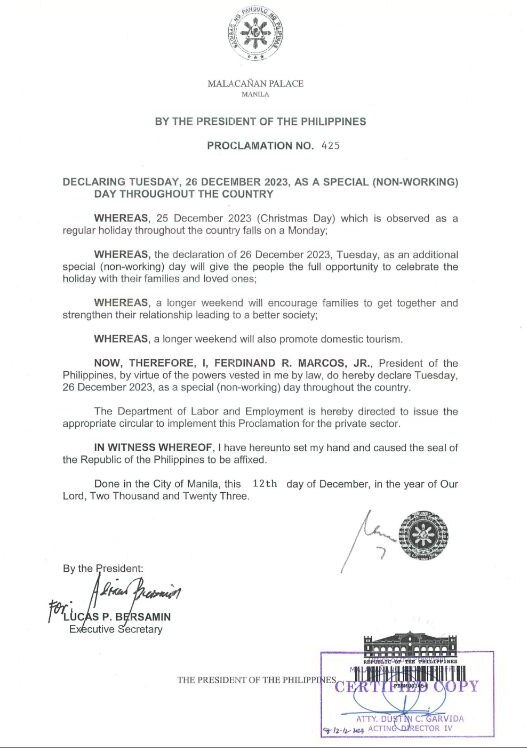
For the sophisticated individual, December 26 is not just a day for shopping; it is a critical window for year-end tax planning and portfolio rebalancing. As the holiday season winds down, the focus shifts to the “January Effect” and the closing of the tax year in many jurisdictions.
Tax-Loss Harvesting and Portfolio Adjustments
Investors often use the final week of December to engage in tax-loss harvesting—the practice of selling off losing positions to offset capital gains taxes. Because December 26 marks the beginning of the end of the trading year, it is a period of high activity in brokerage accounts. This strategy allows individuals to minimize their tax liability while repositioning their capital for the upcoming year.
High-Ticket Acquisition Strategy
December 26 is arguably the best day of the year for strategic capital expenditure on high-ticket items. Businesses looking to maximize their tax deductions for the current year often make large equipment or technology purchases during this window. Similarly, individuals can find significant value in “open-box” returns—products purchased before Christmas and returned on the 26th—offering a way to acquire high-end assets at a fraction of their retail price.
The Corporate Perspective: Inventory Management and Liquidity
For a business, December 26 is a day of survival and optimization. The goal is simple: clear the warehouse. Holding inventory is expensive; it ties up capital and incurs storage costs. The “holiday” on December 26 provides the perfect excuse to slash prices to a point where the velocity of sales compensates for the lower margins.
Managing the “Return Economy”
A significant portion of the financial activity on December 26 involves the “reverse supply chain.” Processing returns is a multi-billion dollar challenge for retailers. How a company manages its returns on this day—whether through restocking, liquidating to secondary markets, or refurbishing—can significantly impact its bottom-line profitability. Investors often look at return rates as a metric for product quality and customer satisfaction, making the data from December 26 a vital component of fundamental analysis.
Liquidity Injection and Debt Servicing
The massive influx of cash on December 26 provides many businesses with the liquidity needed to service short-term debt or prepare for Q1 operating expenses. In a high-interest-rate environment, the ability to generate a surge of cash through aggressive post-holiday sales is a survival mechanism for mid-sized enterprises.
The Future of Post-Christmas Finance in a Digital Economy
As we look toward the future, the holiday on December 26 is evolving. The rise of Fintech, “Buy Now, Pay Later” (BNPL) services, and globalized commerce is changing how this day impacts the world of money.
The Rise of Fintech and BNPL
Modern December 26 sales are increasingly fueled by BNPL services. While this increases the immediate purchasing power of the consumer, it also creates a unique debt profile for the following year. From a personal finance perspective, the “true cost” of December 26 is now often spread across January, February, and March. For the credit industry, this represents a period of high-risk, high-reward lending, as they monitor the repayment rates of post-holiday spending sprees.

Sustainable Consumption and Secondary Markets
A growing trend in the “Money” niche is the rise of the secondary market and “re-commerce.” Many consumers now use December 26 as a day to list unwanted gifts on platforms like eBay, Depop, or specialized luxury resellers. This creates a secondary economy where capital is recycled, and “dead assets” (unwanted gifts) are converted back into liquid cash. This shift toward a circular economy is becoming an increasingly important factor in how we calculate the total economic output of the holiday season.
In conclusion, while December 26 may be a day of rest for some, it is a day of intense financial activity and strategic importance for the global economy. Whether you are a consumer looking to maximize the value of your dollar, a business owner aiming to optimize your balance sheet, or an investor tracking market trends, the “holiday” on December 26 is a pivotal moment in the annual financial cycle. Understanding the underlying mechanics of this day—from retail psychology to tax-loss harvesting—is essential for anyone looking to master their personal or professional finances.
aViewFromTheCave is a participant in the Amazon Services LLC Associates Program, an affiliate advertising program designed to provide a means for sites to earn advertising fees by advertising and linking to Amazon.com. Amazon, the Amazon logo, AmazonSupply, and the AmazonSupply logo are trademarks of Amazon.com, Inc. or its affiliates. As an Amazon Associate we earn affiliate commissions from qualifying purchases.