
In the world of high-stakes finance and wealth preservation, gold remains the ultimate “safe haven” asset. For centuries, investors have turned to this precious metal to hedge against inflation, navigate geopolitical instability, and diversify their portfolios. However, to invest effectively in gold, one must understand the technical specifications that determine its market value. Central to this understanding is the concept of the “karat.” If you are looking to maximize the intrinsic value of your holdings, the primary question is: what is the highest karat in gold, and how does it impact your financial strategy?
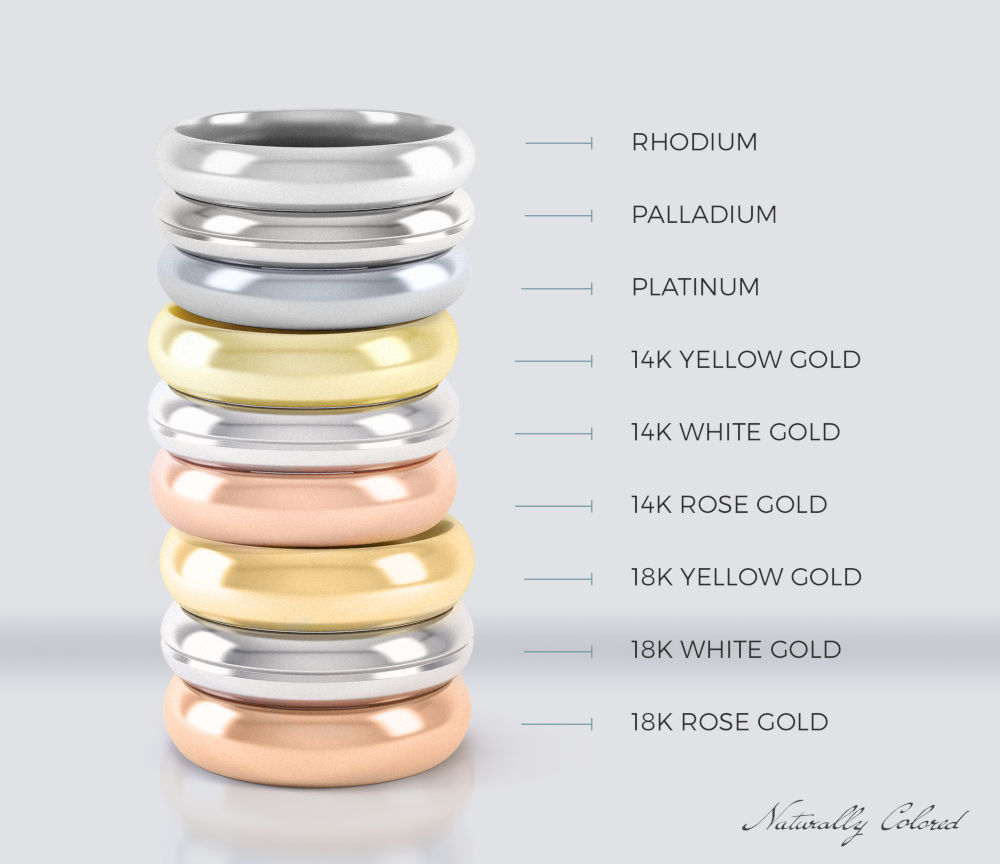
The highest karat in gold is 24 karat (24K). This represents gold in its purest form, untarnished by the addition of other metals. While the term is often used in the context of jewelry, for the serious investor, 24K gold is the gold standard for bullion, bars, and sovereign coins. Understanding the nuances of 24K gold is essential for anyone looking to convert fiat currency into a hard asset with long-term liquidity.
The Mechanics of Gold Purity: Why 24K Rules the Market
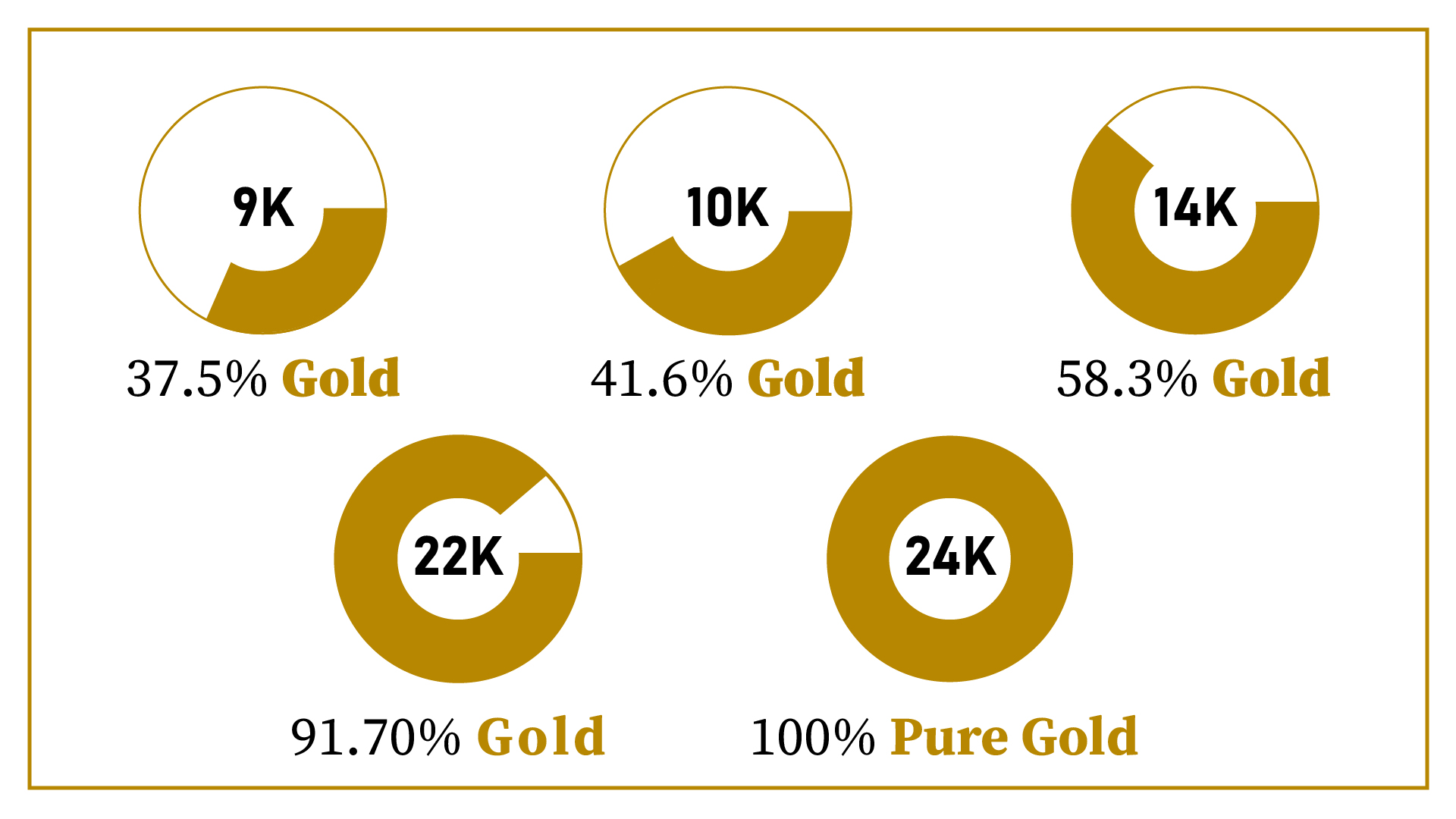
The karat system is a decimal-based measurement used to denote the ratio of pure gold to other alloys within a single piece. The scale reaches its apex at 24, which signifies 99.9% to 99.99% purity. In the financial sector, this is often referred to as “fine gold.”
The Mathematical Breakdown of Karats
The term “karat” (not to be confused with “carat,” which measures the weight of gemstones) divides the gold into 24 parts. Therefore, 24K gold is 24/24 parts gold. As you move down the scale—to 22K, 18K, or 14K—the remaining parts are comprised of alloy metals like copper, silver, or zinc. From an investment perspective, every point below 24K represents a dilution of the asset’s intrinsic commodity value. While lower karats are preferred for jewelry due to increased durability, they require a complex “melt value” calculation that can complicate quick liquidations in a professional trading environment.
The Refinement Standard and “Four Nines” Gold
In the professional bullion market, 24K gold is often measured by its “fineness.” You will frequently see the term “999.9 fine.” This is known as “four nines” gold and is the highest standard of purity commercially available. Refineries like the Perth Mint or PAMP Suisse specialize in this level of purity. For the investor, “four nines” 24K gold ensures that you are paying for the metal itself rather than the industrial alloys used to harden it.
24K Gold as a Strategic Investment Asset
Why does the highest karat matter to your bottom line? In the realm of personal finance, gold acts as a non-correlated asset. This means its price often moves in the opposite direction of stock markets or the US dollar. By holding 24K gold, you are holding a universal currency that is recognized by every central bank in the world.
A Hedge Against Inflation and Currency Devaluation
Inflation erodes the purchasing power of paper money. 24K gold, because of its scarcity and the high cost of extraction, tends to maintain its value over decades. When central banks engage in quantitative easing (printing more money), the relative value of pure 24K gold typically rises. For a balanced portfolio, maintaining a percentage of your net worth in the highest karat gold serves as an insurance policy against the devaluation of the currency in which your primary income is earned.
Liquidity and Global Transferability
The primary advantage of 24K gold over lower karats is its liquidity. If you hold 24K bullion bars or recognized 24K sovereign coins (such as the Canadian Gold Maple Leaf or the Australian Gold Kangaroo), you can sell them almost anywhere in the world at the current “spot price.” Lower karat gold, such as 18K or 14K, often requires an assay—a chemical test to verify the gold content—which can lead to higher transaction fees and lower payouts. For the investor, 24K gold is the most “liquid” form of the metal.
Comparing Karats for Wealth Preservation: 24K vs. 22K
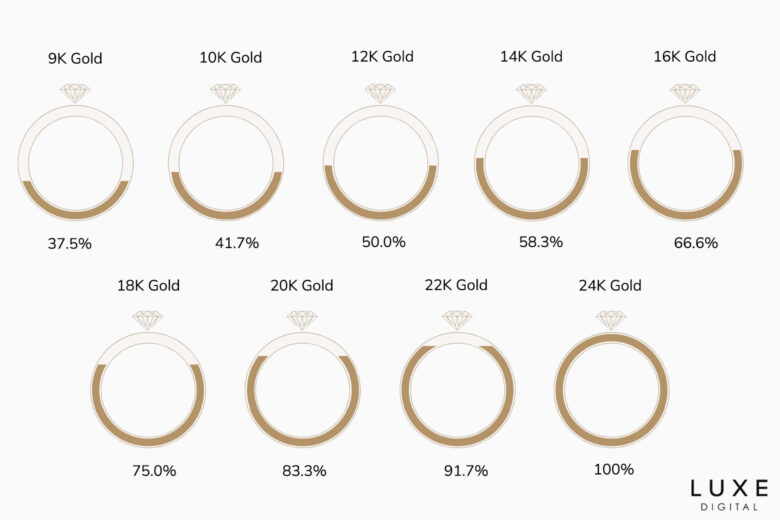
In the gold market, a common debate arises between 24K and 22K gold. While 24K is the highest purity, 22K gold (91.6% purity) has a long history in the financial world, particularly in the form of certain famous investment coins.
The Case for 24K Bullion
For those strictly focused on maximizing the weight of gold per dollar spent, 24K is the undisputed winner. It is tax-efficient in many jurisdictions (such as the UK and parts of the EU), where “investment-grade gold” (defined as 24K) is often exempt from Value Added Tax (VAT) or Sales Tax. This tax advantage significantly improves the potential Return on Investment (ROI) compared to lower karat gold which might be classified as “jewelry” or “collectible” and taxed accordingly.
The Role of 22K Sovereign Coins
Some of the world’s most famous investment coins, like the American Gold Eagle or the South African Krugerrand, are actually 22K. They contain exactly one troy ounce of pure gold, but they are alloyed with small amounts of silver and copper to make them harder and more resistant to scratches. While these are excellent investment vehicles, the buyer must realize they are paying for 24K worth of gold content hidden within a 22K shell. However, for most modern digital-age investors, the trend has shifted toward 24K “four nines” bars due to the ease of storage and standardized pricing.
Physical Gold vs. Digital Gold: Ownership in the Modern Age
Deciding to invest in the highest karat gold is only the first step; the second is deciding how to hold it. Modern financial tools have expanded the ways an investor can gain exposure to 24K gold without necessarily hiding bars under a mattress.
Physical Bullion and Self-Custody
Owning physical 24K gold bars offers the highest level of security against systemic financial failure. When you hold physical gold, you have no “counterparty risk”—meaning you don’t rely on a bank or a tech company to fulfill a promise. However, this comes with the costs of secure storage and insurance. For high-net-worth individuals, private vaults in jurisdictions like Switzerland or Singapore offer a way to hold 24K gold outside of the traditional banking system.
Gold ETFs and Digital Gold Certificates
For the active trader, physical 24K gold may be too cumbersome. Gold Exchange-Traded Funds (ETFs) and digital gold platforms allow you to buy and sell gold with the click of a button. These instruments are backed by 24K gold held in secure vaults. While this offers excellent liquidity and removes storage concerns, it does introduce counterparty risk. From a wealth management perspective, many experts recommend a “core and satellite” approach: holding physical 24K gold for long-term security and gold ETFs for tactical market movements.
Navigating the Global Gold Market: Tips for Investors
Investing in the highest karat gold requires a level of due diligence to ensure you are receiving the value you pay for. The “Money” niche is rife with premiums, markups, and occasionally, counterfeit products.
Understanding Spot Price and Premiums
When you buy 24K gold, you will always pay a “premium” over the market spot price. This premium covers the cost of refining, minting, and the dealer’s profit. To maximize your investment, look for 24K bars from LBMA-approved (London Bullion Market Association) refiners. These bars are standardized and carry the lowest premiums because they are produced in high volumes and are easily traded between institutional investors.
Certification and Hallmarking
Always ensure your 24K gold comes with an assay certificate. A hallmark stamped directly onto the gold should indicate the weight, the purity (.999 or .9999), and the refiner’s mark. In the digital age, many refiners have added security features like holographic seals or “CertiPAMP” packaging that can be verified via a smartphone app. Verifying these credentials at the time of purchase is vital for ensuring a smooth exit strategy when you eventually decide to liquidate the asset.
The Importance of a Buy-Back Policy
A savvy gold investor never enters a position without knowing the exit. When choosing a brokerage or a bullion dealer to purchase 24K gold, prioritize those with a transparent, guaranteed buy-back policy. Knowing that you can sell your 24K gold back to the dealer at a fair market rate (usually a small percentage below spot) provides the financial peace of mind necessary for long-term wealth building.
In conclusion, while gold is available in various purities, 24K remains the highest karat and the gold standard for serious financial growth and protection. By focusing on 24K purity, understanding the tax implications, and choosing the right storage or digital vehicle, investors can leverage this ancient asset to secure their modern financial future. Whether as a shield against inflation or a cornerstone of a diversified portfolio, the “four nines” of 24K gold offer a level of stability that few other assets can match.
aViewFromTheCave is a participant in the Amazon Services LLC Associates Program, an affiliate advertising program designed to provide a means for sites to earn advertising fees by advertising and linking to Amazon.com. Amazon, the Amazon logo, AmazonSupply, and the AmazonSupply logo are trademarks of Amazon.com, Inc. or its affiliates. As an Amazon Associate we earn affiliate commissions from qualifying purchases.