
The Dow Jones Industrial Average (DJIA), often simply referred to as “the Dow,” stands as one of the most venerable and widely observed barometers of the U.S. stock market’s health. For both seasoned investors and curious observers, tracking its movements—especially its peaks—offers a fascinating glimpse into economic cycles, corporate performance, and investor sentiment. When we ask “what is the highest Dow ever,” we’re not just seeking a number; we’re exploring the culmination of bullish market conditions, corporate triumphs, and the collective optimism (or sometimes exuberance) of the financial world.
As of early 2024, the Dow Jones Industrial Average has consistently pushed into uncharted territory, frequently setting new record highs. While the market is dynamic and these records are constantly subject to change, the index has recently crossed significant thresholds, reaching well over 39,000 points. For example, in February and March 2024, the Dow Jones Industrial Average notably surpassed 39,000, and even flirted with the 40,000-point mark, reflecting a period of robust growth and investor confidence in the face of varying economic signals. These milestones are not just arbitrary numbers; they represent the combined valuation and perceived future earnings power of 30 of America’s largest and most influential publicly traded companies. Understanding this journey to the summit requires a deeper dive into what the Dow truly is, how it functions, and the forces that propel it to such remarkable heights.

Understanding the Dow Jones Industrial Average (DJIA)
To fully appreciate what a record high Dow means, it’s essential to grasp the foundational aspects of this iconic index. Far from a mere collection of stocks, the DJIA serves as a historical benchmark and a contemporary indicator, reflecting decades of American economic evolution.
A Brief History and Its Significance
The Dow Jones Industrial Average was conceived by Charles Dow, co-founder of Dow Jones & Company, and first published on May 26, 1896. Initially comprising just 12 industrial companies, its purpose was to provide a clear, easily understandable snapshot of the health of the U.S. economy’s leading sectors. Over its more than 125-year history, the Dow has expanded and evolved, now representing 30 large, publicly owned companies, each chosen for its substantial and influential role within its respective industry.
Its significance lies in its longevity and its representation. For generations, the Dow has been the headline number reporters cite when discussing market performance, acting as a proxy for the broader economy. While more comprehensive indices like the S&P 500 track a wider range of companies, the Dow’s historical roots and the prestige of its components give it a unique place in financial discourse, often shaping public perception of market health.
How the Dow is Calculated and What It Represents
Unlike market-capitalization-weighted indices (where larger companies have a greater impact), the DJIA is a price-weighted average. This means that stocks with higher share prices have a greater influence on the index’s value than those with lower share prices, regardless of their total market capitalization. To maintain continuity despite stock splits, dividends, and other corporate actions, a “Dow divisor” is used to adjust the average, ensuring that the index’s movements accurately reflect changes in the underlying stock prices rather than arbitrary corporate events.
The 30 companies chosen for the Dow are not static; they change periodically to ensure the index remains relevant to the current economic landscape. These companies are generally market leaders—household names that represent diverse sectors such as technology, finance, healthcare, consumer goods, and industrials. Therefore, when the Dow hits a new high, it fundamentally represents a collective increase in the perceived value and future prospects of these 30 behemoths, often signaling broader economic strength and investor optimism.
The “Blue-Chip” Indicator
The companies included in the Dow are often referred to as “blue-chip” stocks. This term, borrowed from poker where blue chips are the most valuable, signifies established, financially sound companies with long track records of profitability and stability. These are typically large-cap companies that are leaders in their industries, known for their reliable performance even during economic downturns. As such, the Dow serves as a blue-chip indicator, offering insights into the performance of the most robust segment of the U.S. corporate sector. Its highs suggest that these foundational pillars of the economy are thriving, a positive sign for the broader market and economic sentiment.
The Journey to Record Highs: A Historical Perspective
The Dow’s journey to its highest ever point is not a smooth, linear ascent but rather a testament to the resilience of the American economy and the cyclical nature of financial markets. It’s a path marked by innovation, economic expansion, and an ability to overcome significant challenges.
Major Milestones and Bull Markets
The Dow’s history is punctuated by numerous significant milestones, each reflecting a specific era of economic growth. From its initial ascent during the industrial boom of the early 20th century to its recovery post-Great Depression, and then its acceleration during the post-World War II expansion, the index has always moved in tandem with the nation’s economic progress.
The late 20th and early 21st centuries saw particularly aggressive bull markets. The dot-com bubble of the late 1990s pushed the Dow to unprecedented levels, only to be followed by a sharp correction. However, it quickly regained its footing, driven by technological advancements and globalization. The decade following the 2008 financial crisis, in particular, ushered in one of the longest and most significant bull markets in history. Fueled by low interest rates, quantitative easing, corporate earnings growth, and technological innovation, the Dow steadily climbed, breaking through psychological barriers of 20,000, 25,000, and eventually well over 30,000 points. Each new thousand-point mark became a celebrated event, symbolizing renewed confidence and prosperity.
Key Economic Drivers Behind Sustained Growth
Several fundamental economic drivers underpin the Dow’s sustained journey to record highs. Strong corporate earnings, driven by increased productivity, technological innovation, and expanding global markets, are paramount. When the 30 companies in the Dow report robust profits, it naturally boosts their share prices and, consequently, the index.
Favorable monetary policy, such as low interest rates set by the Federal Reserve, makes borrowing cheaper for businesses, encouraging investment and expansion. It also makes equities more attractive compared to fixed-income investments, drawing more capital into the stock market. Fiscal policies, including tax cuts and government spending initiatives, can also stimulate economic activity and corporate profitability. Furthermore, periods of stable inflation and low unemployment foster consumer confidence, leading to increased spending and a virtuous cycle of economic growth that lifts corporate revenues and profits.
Navigating Market Volatility: Crashes and Recoveries
No market ascent is without its share of turbulence. The Dow’s history is also replete with significant crashes and corrections, from the Great Crash of 1929 to Black Monday in 1987, the dot-com bust of 2000, the 2008 financial crisis, and the brief but sharp pandemic-induced downturn in 2020. Each event sent shockwaves through the market, causing substantial losses and raising questions about the future.
However, a recurring theme throughout the Dow’s history is its remarkable ability to recover and eventually surpass previous highs. This resilience underscores the long-term growth trajectory of the global economy and the inherent adaptability of leading corporations. Recoveries are typically driven by policy interventions, fundamental economic improvements, and the enduring human tendency towards innovation and progress. Each recovery often sets the stage for new records, as markets learn from past mistakes and build stronger foundations.
Pinpointing the All-Time Peak
While the specific number for the “highest Dow ever” is a moving target, the broader trend reveals significant milestones that capture the essence of a booming market.
The Specific Record-Breaking Number and Date
As of early 2024, the Dow Jones Industrial Average has achieved multiple record closing highs. For instance, the index has frequently closed above 39,000 points, with specific dates like February 23, 2024, seeing a close around 39,131.53 points, and continuing to set new records in the subsequent weeks. This dynamic environment means that any specific number mentioned quickly becomes outdated. However, the consistent breach of new psychological thresholds signals sustained bullish momentum.
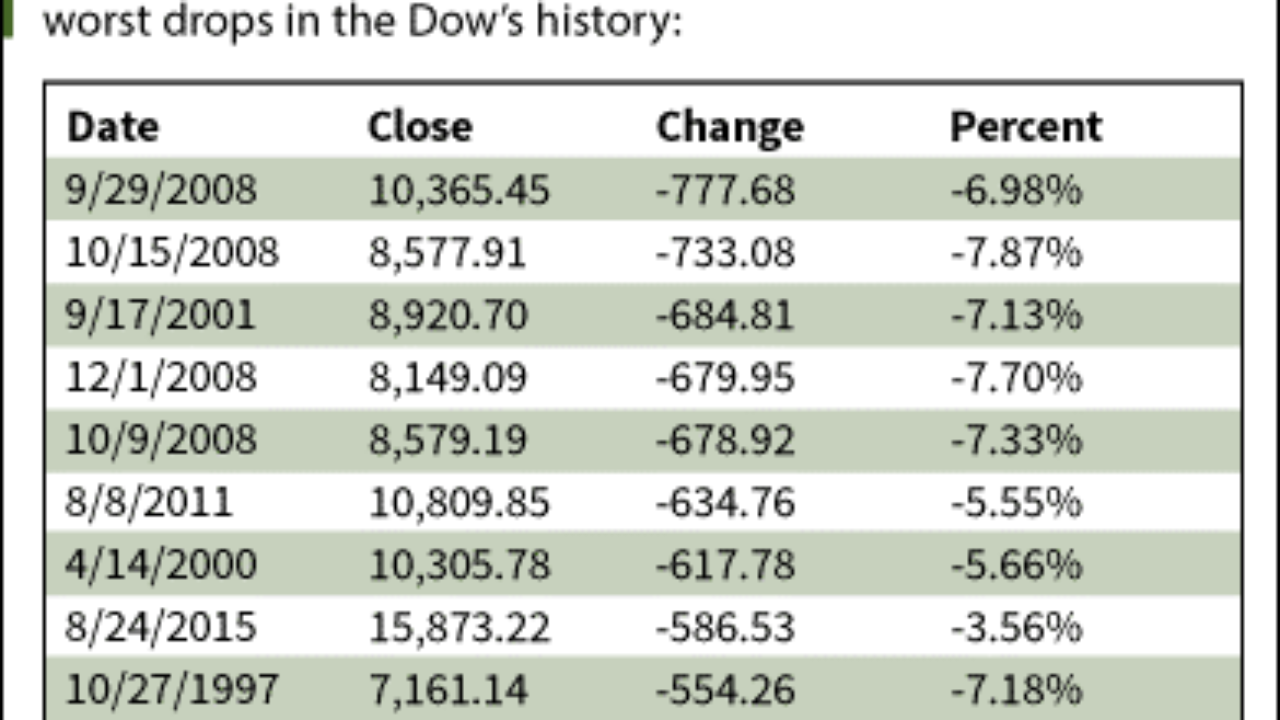
These new highs are often highlighted in financial news, serving as headline indicators of market strength. They reflect the cumulative positive impact of recent corporate earnings reports, economic data releases, and investor sentiment.
Factors Contributing to That Specific Peak
The specific factors driving the Dow to its recent peaks in early 2024 include a complex interplay of macroeconomic forces. Optimism surrounding the potential for the Federal Reserve to begin cutting interest rates in the near future has been a significant catalyst, as lower rates typically boost corporate valuations and make borrowing cheaper. Strong corporate earnings reports from major companies, particularly in the technology and industrial sectors, have also provided fundamental support.
Furthermore, a resilient U.S. economy, characterized by robust job growth and sustained consumer spending, has reassured investors that a recession might be avoided or at least softened. Advances in artificial intelligence and other technologies have also spurred excitement and investment, particularly impacting the “blue-chip” companies that are often at the forefront of such innovation. These elements combine to create a powerful tailwind for market indices like the Dow.
Market Sentiment and Investor Behavior at the Peak
At market peaks, investor sentiment often swings between euphoria and cautious optimism. While the excitement of new highs can lead to a “fear of missing out” (FOMO) among those not invested, encouraging further buying, astute investors also begin to weigh the risks. High valuations, potential inflationary pressures, geopolitical events, and shifts in monetary policy become subjects of intense scrutiny.
Investor behavior at such times can range from aggressive buying in hopes of further gains to profit-taking and rebalancing portfolios to reduce risk. The “animal spirits” of the market are evident, but underlying all the excitement is a constant assessment of fundamental value and future economic prospects. The sustained rally suggests that, for many, the potential for continued growth outweighs the immediate concerns about an impending downturn.
Beyond the Number: What Record Highs Mean for Investors
A record-high Dow is more than just a headline; it carries significant implications for individual investors, shaping strategies, influencing emotions, and demanding thoughtful consideration.
The Psychology of Market Peaks: FOMO vs. Caution
Market peaks often trigger powerful psychological responses. For those who have been invested, seeing their portfolios grow can lead to a sense of validation and exuberance. For those on the sidelines, the fear of missing out (FOMO) can become intense, pushing them to invest even at elevated valuations. This can lead to irrational decision-making, as the urge to participate in the rally overrides careful analysis.
Conversely, seasoned investors often approach new highs with a degree of caution. They understand that what goes up can come down, and record highs historically precede periods of correction or consolidation. This perspective encourages a more measured approach, prioritizing risk management over chasing every potential gain. Balancing these two psychological forces is crucial for sustainable investing.
Diversification and Risk Management in a Bull Market
In a robust bull market, it can be tempting to put all one’s eggs in the basket of soaring stocks. However, record highs underscore the importance of diversification. Even if the Dow’s 30 companies are performing well, a diversified portfolio should extend beyond these blue-chip giants to include smaller companies, international equities, fixed-income investments, and potentially alternative assets. This spread helps mitigate risk, ensuring that a downturn in one sector or asset class doesn’t decimate the entire portfolio.
Risk management techniques, such as regularly rebalancing the portfolio back to target allocations, become particularly critical during periods of rapid growth. Rebalancing involves selling some of the outperforming assets and buying more of the underperforming ones, effectively locking in gains and ensuring the portfolio’s risk profile remains consistent with the investor’s objectives.
Long-Term vs. Short-Term Investment Strategies
For long-term investors, record highs often serve as a reaffirmation of the strategy of “time in the market, not timing the market.” Historically, holding diversified investments over extended periods has proven to be the most effective way to build wealth, riding out market fluctuations and benefiting from the compound growth of capital. For these investors, a new high might simply be another marker on a multi-decade journey.
Short-term investors, including traders, view market peaks differently. For them, new highs might signal potential opportunities for momentum trading or, conversely, a point where a market reversal could be imminent. Their strategies are often more tactical, relying on technical analysis and quick reactions to market movements. Regardless of the approach, understanding one’s own investment horizon and risk tolerance is paramount when interpreting what a record Dow means for personal financial goals.
The Future of the Dow: What Lies Ahead?
Predicting the future of the Dow is an endeavor fraught with uncertainty, yet understanding the forces that will shape its trajectory is vital for informed decision-making. The path forward will undoubtedly be influenced by a confluence of economic, technological, and geopolitical factors.
Economic Indicators to Watch
Looking ahead, investors will continue to closely monitor key economic indicators. Inflation rates will dictate central bank policy, with higher persistent inflation potentially leading to tighter monetary conditions that could cool market growth. Employment data, consumer spending trends, and manufacturing output will provide insights into the underlying health and momentum of the economy. Global GDP growth rates and trade relations will also play a crucial role, as the Dow companies are often multinational corporations whose fortunes are tied to the global economy. Any signs of an economic slowdown or recession would likely temper bullish sentiment.
Technological Advancements and Market Impact
Technological innovation remains a powerful engine for corporate growth and, by extension, market performance. Advances in artificial intelligence, biotechnology, renewable energy, and automation are poised to reshape industries and create new economic opportunities. Companies that successfully adapt and lead in these areas will likely see their valuations soar, contributing positively to the Dow. Conversely, companies that fail to innovate or are disrupted by new technologies could see their influence wane. The evolving composition of the Dow itself will reflect these shifts, as new industry leaders emerge.
The Role of Global Events and Policy Changes
The Dow does not exist in a vacuum. Geopolitical events, such as international conflicts, trade disputes, and shifts in global alliances, can introduce significant volatility and uncertainty. Domestic policy changes, including tax reforms, regulatory shifts, and infrastructure spending initiatives, can also have profound impacts on corporate profitability and investment incentives. Environmental policies and the broader transition to a sustainable economy will increasingly influence corporate strategies and valuations. Investors must remain attuned to these broader forces, as they can quickly alter the market landscape.
Preparing Your Portfolio for What’s Next
In light of these dynamics, preparing one’s portfolio for the future requires a strategy that balances optimism with prudence. Maintaining a diversified portfolio across various asset classes and geographies remains a cornerstone of long-term success. Regularly reviewing and rebalancing the portfolio ensures it aligns with one’s risk tolerance and financial goals, especially as market conditions evolve. Investing in quality companies with strong fundamentals, adaptable business models, and a focus on long-term growth can offer resilience against market fluctuations. Ultimately, understanding that market highs are part of a continuous cycle—and being prepared for both further growth and potential corrections—is key to navigating the future of the Dow and achieving lasting financial success.
aViewFromTheCave is a participant in the Amazon Services LLC Associates Program, an affiliate advertising program designed to provide a means for sites to earn advertising fees by advertising and linking to Amazon.com. Amazon, the Amazon logo, AmazonSupply, and the AmazonSupply logo are trademarks of Amazon.com, Inc. or its affiliates. As an Amazon Associate we earn affiliate commissions from qualifying purchases.