
In the landscape of modern pharmaceutical economics, few medications have commanded as much attention—and financial investment—as Vyvanse (lisdexamfetamine). For patients, clinicians, and financial planners alike, the question of dosage is often framed as a clinical necessity. However, when we ask, “What is the highest dose of Vyvanse?” we are not just looking at a 70mg capsule; we are looking at a complex intersection of personal finance, insurance tiering, and the macroeconomic impact of ADHD management.
Navigating the costs associated with chronic medication requires a sophisticated understanding of how dosage correlates with expenditure. As the healthcare market evolves and patent protections shift, the financial implications of being prescribed the maximum therapeutic dose of a blockbuster drug like Vyvanse become a significant line item in a household or corporate budget.

The Unit Economics of Lisdexamfetamine: Dosage vs. Dollars
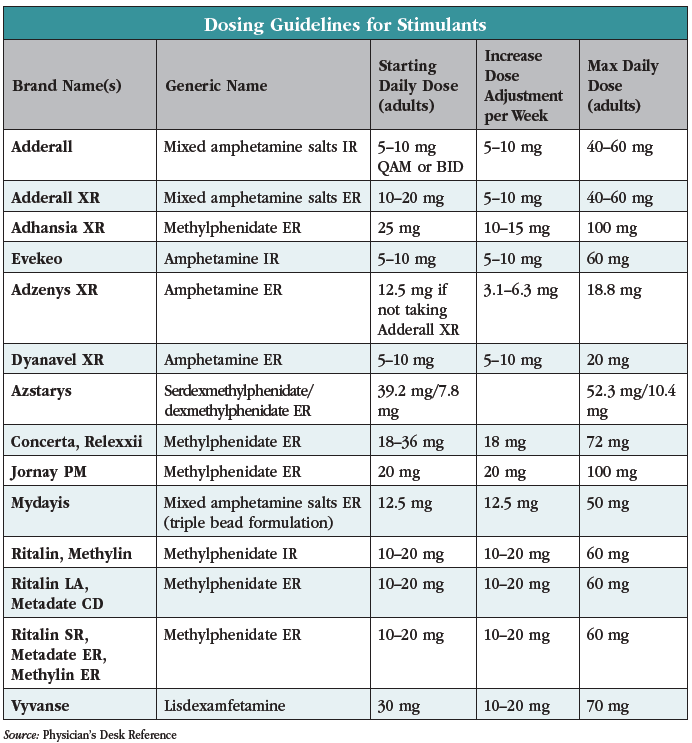
When discussing the highest dose of Vyvanse, the FDA-approved ceiling is 70mg per day for both ADHD and Binge Eating Disorder (BED). From a strictly financial perspective, the pricing model of specialty pharmaceuticals often defies the traditional logic of “more product equals higher price.” In many pharmaceutical models, the “flat pricing” structure applies, where a 30mg capsule costs roughly the same as a 70mg capsule at the retail level. However, the financial complexity arises when we look at the total cost of ownership (TCO) for the patient and the insurer.
Understanding Tiered Formularies and Maximum Dosage
Most insurance companies categorize medications into “tiers.” Vyvanse, for a long time, sat in the expensive Tier 3 category as a brand-name drug with no generic equivalent. When a patient is prescribed the highest dose, insurance companies often scrutinize the necessity through a process known as Prior Authorization (PA). From a financial standpoint, the PA is a gatekeeping mechanism designed to control the “burn rate” of insurance pools.
For the consumer, the highest dose represents the highest stakes in insurance negotiations. If a patient requires a dose that exceeds standard guidelines (an “off-label” high dose), the financial burden often shifts entirely to the individual, potentially costing upwards of $400 to $500 per month out-of-pocket.
The Hidden Costs of Dosage Adjustment
The journey to the 70mg maximum dose is rarely a straight line. It involves “titration”—the process of starting low and increasing the dose to find the therapeutic window. Financially, this is an expensive phase. Frequent doctor visits for follow-up appointments and the potential for “wasted” medication (scripts that are filled but discarded as the dose changes) can lead to a significant drain on a personal health savings account (HSA).
Market Volatility and the Generic Transition: A Financial Case Study
For over a decade, Takeda Pharmaceuticals (and previously Shire) held a lucrative monopoly on Vyvanse. The financial landscape changed dramatically in late 2023 when the patent expired, allowing generic versions of lisdexamfetamine to enter the market. This shift is a classic example of a “patent cliff” in business finance.
The Business Strategy of the Patent Cliff
When a drug reaches its highest market penetration, the manufacturer must prepare for a massive revenue drop-off once generics arrive. For Vyvanse, which was generating billions in annual revenue, the introduction of generic competitors meant that the “highest dose” became a commodity rather than a proprietary luxury.
From an investing perspective, watching how Takeda transitioned its marketing efforts toward newer, still-patented medications provides a masterclass in corporate pivot strategies. They shifted from defending a single “golden goose” to diversifying their portfolio, a move essential for maintaining shareholder value in the volatile biotech sector.
Supply Chain Economics and Price Stability
Since the generic launch, the market has seen significant price volatility. While generics are supposed to lower costs, supply chain disruptions have led to “ADHD medication shortages.” In economic terms, this is a simple supply-and-demand imbalance. When the supply of the generic 70mg dose drops, the price of the remaining brand-name stock remains high, and patients are forced to pay a premium for “brand-only” dispensations. This volatility makes it difficult for families to maintain a consistent monthly budget for healthcare expenses.
Personal Finance Strategies for High-Cost Maintenance Meds
Managing the financial burden of the highest dose of Vyvanse requires more than just a prescription; it requires a strategic financial plan. For those on a 70mg daily regimen, the annual cost can rival a mortgage payment or a car note.
Leveraging HSAs and FSAs
The most effective financial tool for managing high-dose medication costs is the Health Savings Account (HSA) or Flexible Spending Account (FSA). By contributing pre-tax dollars to these accounts, a patient effectively reduces the cost of their medication by their marginal tax rate. For someone in the 24% tax bracket, using an HSA to pay for a $4,000 annual medication bill results in nearly $1,000 in tax savings.
The Role of Patient Assistance Programs (PAPs)
Many pharmaceutical companies offer “savings cards” or “patient assistance programs.” For the savvy personal financier, these are not just discounts; they are essential subsidies that can lower a $300 co-pay to as little as $30. However, these programs often have income caps and expiration dates, requiring constant monitoring to ensure that a sudden price hike doesn’t derail a monthly budget.
Comparative Shopping and Digital Tools
In the digital age, “the highest dose” should always be cross-referenced across platforms like GoodRx or SingleCare. Even with insurance, the “contracted rate” negotiated by a PBM (Pharmacy Benefit Manager) might be higher than a cash-pay coupon at a different pharmacy. Treating medication as a line-item expense that requires periodic “vendor review” is a hallmark of sound personal finance.
The Macroeconomic ROI of Optimized Pharmaceutical Intervention
While the sticker price of a 70mg dose of Vyvanse may seem high, the financial discussion is incomplete without considering the Return on Investment (ROI). In business terms, we must weigh the cost of the input (the medication) against the value of the output (productivity, earning potential, and stability).
The Cost of Untreated ADHD in the Workforce
Untreated or under-treated ADHD is a significant economic drain. Studies suggest that “presenteeism” (being at work but not being productive) and job instability cost the global economy billions in lost tax revenue and corporate output. For a high-earning professional, the difference between an optimized 70mg dose and an ineffective 30mg dose can manifest as thousands of dollars in lost bonuses, missed promotions, or career-stalling errors.
When viewed as a “business expense” for one’s personal career, the $4,000 spent on high-dose Vyvanse can yield a 10x or 100x return in increased earning capacity. This is the “Productivity ROI” that financial advisors often overlook when discussing healthcare costs.
Corporate Wellness and Insurance Negotiation
From a corporate finance perspective, HR departments are increasingly recognizing that covering high-dose psychiatric medications is a cost-saving measure for the company’s bottom line. Comprehensive mental health coverage reduces turnover and improves employee retention. Companies that negotiate better rates for “specialty” drugs like Vyvanse are essentially investing in the cognitive infrastructure of their workforce.

Conclusion: Balancing the Ledger
The question of “what is the highest dose of Vyvanse” is answered medically as 70mg, but it is answered financially as a variable cost that requires active management. Whether you are an investor looking at the pharmaceutical market’s response to patent expirations, a corporate leader evaluating healthcare benefits, or an individual managing a household budget, the economics of Vyvanse are a microcosm of the larger healthcare landscape.
By applying principles of personal finance—tax-advantaged accounts, market comparison, and ROI analysis—to the world of pharmaceuticals, we can transform a daunting monthly expense into a manageable and strategic investment. In the high-stakes world of modern medicine and money, focus is the ultimate currency, and for many, the highest dose of Vyvanse is the price of admission to a more productive financial future.
aViewFromTheCave is a participant in the Amazon Services LLC Associates Program, an affiliate advertising program designed to provide a means for sites to earn advertising fees by advertising and linking to Amazon.com. Amazon, the Amazon logo, AmazonSupply, and the AmazonSupply logo are trademarks of Amazon.com, Inc. or its affiliates. As an Amazon Associate we earn affiliate commissions from qualifying purchases.