
For centuries, philosophers, poets, and scientists alike have pondered the elusive nature of happiness. What makes us feel joy, contentment, and pleasure? While often described in abstract terms, modern neuroscience points to a very tangible, chemical basis for these profound human emotions. Often referred to colloquially as “the happiness chemicals,” these aren’t single magical compounds, but rather a complex interplay of neurotransmitters and hormones that orchestrate our moods, motivations, and overall sense of well-being. In the digital age, technology is not only demystifying these intricate biochemical processes but also offering unprecedented tools to understand, monitor, and even influence them, revolutionizing our approach to mental health and emotional optimization.

The quest to identify and understand “the happiness chemical” is, in essence, a journey into the brain’s intricate reward system. This journey is being profoundly shaped by advances in artificial intelligence, biotechnology, neuroscience tools, and pervasive digital health technologies. From sophisticated brain imaging to personalized wellness apps, technology is now at the forefront of helping us decode the biological underpinnings of happiness, offering new pathways to enhance our psychological states and build a more resilient emotional landscape.
Decoding the Brain’s Pleasure Circuitry with Tech
Understanding what constitutes “the happiness chemical” begins with identifying the primary neurotransmitters involved in our emotional experiences. These chemical messengers facilitate communication between neurons, directly impacting our mood, memory, sleep, and overall mental state. Technological advancements are now empowering scientists and healthcare professionals to observe these processes with unprecedented clarity.
The Core Neurotransmitters: Dopamine, Serotonin, Oxytocin, Endorphins
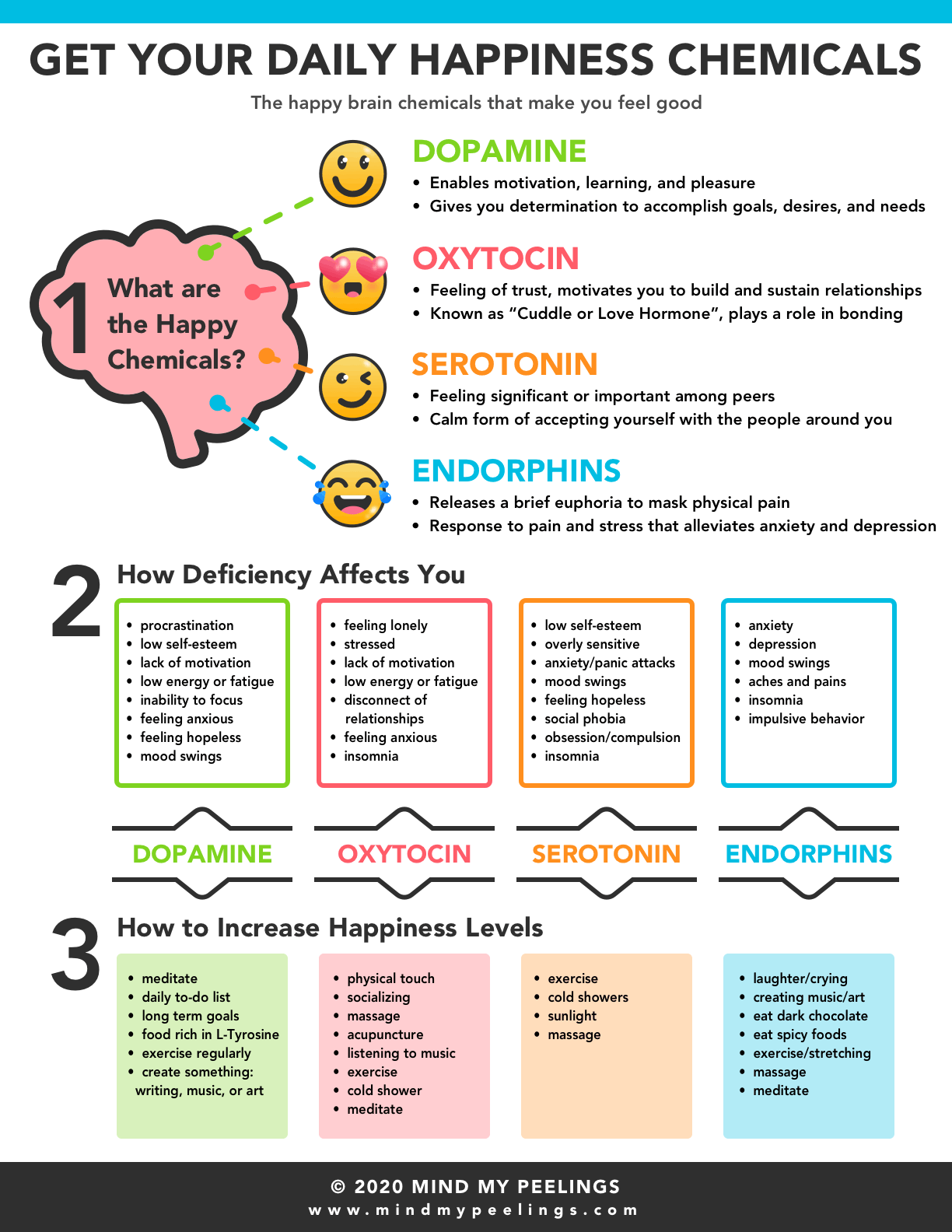
While a multitude of chemicals contribute to our emotional palette, four key players are most frequently cited when discussing “happiness chemicals”:
- Dopamine: Often dubbed the “reward chemical,” dopamine is crucial for motivation, pleasure, and motor control. It’s released when we anticipate or experience rewards, driving us to seek out pleasurable activities. Tech’s role here is multifaceted, from apps tracking goal achievement that leverage dopamine surges to neurofeedback systems designed to modulate dopamine pathways.
- Serotonin: This neurotransmitter is a key regulator of mood, sleep, appetite, and digestion. Balanced serotonin levels contribute to feelings of calm and well-being, while imbalances are linked to depression and anxiety. Pharmaceutical advancements, often accelerated by AI-driven drug discovery, target serotonin pathways, and even smart devices are exploring light therapy (which can influence serotonin production) as a wellness tool.
- Oxytocin: Known as the “love hormone” or “cuddle chemical,” oxytocin fosters bonding, trust, and empathy. It’s released during social interaction, physical touch, and intimacy. While direct tech intervention is nascent, virtual reality (VR) applications exploring social connections and AI companions designed for emotional support touch upon this domain by simulating conditions that encourage its release.
- Endorphins: These are the body’s natural painkillers, produced in response to stress, pain, and vigorous exercise (the “runner’s high”). They create feelings of euphoria and well-being. Wearable tech that monitors activity levels and encourages exercise indirectly supports endorphin release, providing data-driven motivation for physical activity known to boost mood.
The precise measurement and tracking of these chemicals in real-time within the human brain remain a significant challenge. However, non-invasive and minimally invasive technologies are continually pushing the boundaries of what’s possible, moving us closer to a holistic understanding.
Advanced Imaging and Monitoring Technologies
Technological innovation has provided neuroscientists with powerful tools to visualize and analyze brain activity, shedding light on how these happiness chemicals function.
- Functional Magnetic Resonance Imaging (fMRI): This non-invasive technique measures changes in blood flow in the brain, indicating neural activity. Researchers use fMRI to observe which brain regions are activated during different emotional states or in response to specific stimuli, helping to map the “pleasure centers” associated with dopamine release or emotional regulation linked to serotonin. Advances in computational analysis of fMRI data, often powered by machine learning, allow for more nuanced interpretations of brain networks.
- Positron Emission Tomography (PET) Scans: PET scans use radioactive tracers to visualize specific molecules in the brain, including neurotransmitter receptors. This allows scientists to directly study the density and activity of dopamine, serotonin, and opioid receptors, offering insights into their roles in mood disorders and responses to treatment. AI algorithms are increasingly being used to enhance image reconstruction and analysis, identifying subtle patterns indicative of biochemical imbalances.
- Electroencephalography (EEG) and QEEG: EEG measures electrical activity in the brain through electrodes placed on the scalp. While less direct than fMRI or PET for chemical mapping, advanced quantitative EEG (QEEG) combined with machine learning can identify specific brainwave patterns associated with different emotional states, stress levels, or cognitive functions that indirectly reflect neurotransmitter activity. Neurofeedback systems, a form of biofeedback utilizing EEG, allow individuals to learn to self-regulate their brainwave patterns, potentially influencing mood.
- Wearable Biosensors: While not directly measuring brain chemicals, a new generation of wearables is monitoring physiological markers that correlate with emotional states and neurotransmitter activity. Heart rate variability (HRV), skin conductance (EDA), sleep patterns, and cortisol levels (a stress hormone) can provide indirect clues about one’s emotional and chemical balance. AI-powered analytics process this data to provide personalized insights and recommendations for stress reduction and well-being.
AI and Personalization in Mental Well-being
The explosion of artificial intelligence and machine learning is rapidly transforming the landscape of mental health, moving beyond general advice to highly personalized interventions that consider an individual’s unique biochemical and psychological profile.
Predictive Analytics for Mood and Stress
AI algorithms are becoming adept at identifying patterns in vast datasets derived from our digital lives and physiological monitors. By analyzing combinations of sleep data, activity levels, communication patterns, social media engagement, and even vocal tone, AI can predict fluctuations in mood, identify early signs of stress, and even flag potential precursors to more serious mental health challenges. This proactive approach allows for timely interventions, potentially preventing the biochemical imbalances that contribute to prolonged negative emotional states. Imagine an app that learns your personal triggers for anxiety or low mood and offers personalized coping strategies before you’re even fully aware of the shift.
AI-Powered Digital Therapeutics and CBT
Digital therapeutics (DTx) are clinically validated software programs designed to prevent, manage, or treat a medical condition. Many DTx platforms for mental health leverage AI to deliver personalized cognitive behavioral therapy (CBT), mindfulness exercises, and emotional regulation techniques. These AI companions can adapt their responses, personalize their content, and provide support 24/7, mimicking aspects of human therapy. By helping individuals reframe negative thought patterns and develop healthier coping mechanisms, these tools indirectly influence the brain’s “happiness chemicals” by promoting resilience and reducing stress hormones, leading to a more balanced neurochemical environment. The scalability and accessibility of AI-driven DTx are breaking down barriers to mental healthcare.

Wearable Tech: Biomarkers and Real-time Insights
The integration of advanced sensors into everyday wearables is bringing the monitoring of our internal states closer than ever before. While direct neurotransmitter measurement through a smartwatch is still futuristic, current wearables can track a suite of physiological biomarkers that correlate with stress, relaxation, and emotional well-being.
- Heart Rate Variability (HRV): A key indicator of autonomic nervous system balance, HRV reflects the body’s ability to adapt to stress. Low HRV is often associated with higher stress and anxiety, while higher HRV suggests better resilience and emotional regulation. Wearables provide continuous HRV monitoring, with AI processing this data to offer insights into stress levels and recovery needs.
- Skin Conductance (EDA): Changes in skin conductance (sweat gland activity) are a direct measure of sympathetic nervous system arousal, indicating stress or excitement. Real-time feedback from wearables can alert users to rising stress levels, prompting them to engage in mindfulness or relaxation techniques to restore balance.
- Sleep Tracking: Quality sleep is profoundly linked to neurotransmitter regulation, including serotonin and dopamine. Wearables meticulously track sleep stages, duration, and disturbances, providing critical data points for AI algorithms to assess overall well-being and identify sleep patterns that might be impacting mood.
- Future Biomarker Sensing: The frontier of wearable tech aims for non-invasive or minimally invasive measurement of biochemicals. While still in research, technologies exploring sweat analysis, saliva monitoring, or even optical sensors for specific biomolecules could one day provide more direct insights into neurotransmitter levels or related markers, enabling truly personalized “happiness chemical” insights.
Neurotechnology and the Future of Emotional Regulation
Looking ahead, the convergence of neuroscience and advanced engineering promises even more direct and sophisticated ways to interact with the brain’s chemical orchestra.
Brain-Computer Interfaces (BCIs) and Mood Modulation
Brain-Computer Interfaces (BCIs) allow direct communication between the brain and external devices. While often associated with prosthetics or communication for individuals with disabilities, BCI research is exploring applications in mood regulation. Non-invasive BCIs using EEG or fMRI are being developed to help individuals learn to self-regulate brain activity associated with specific emotional states. More ambitious, invasive BCIs for therapeutic purposes, such as deep brain stimulation (DBS), are already used for conditions like Parkinson’s disease and severe depression, directly modulating neural circuits and, by extension, neurotransmitter release to alleviate symptoms. As BCI technology becomes more refined and less invasive, its potential for personalized emotional enhancement and management of mood disorders is immense.
Precision Psychiatry: Tailored Interventions
The future of mental health treatment is moving towards precision psychiatry, where interventions are tailored to an individual’s unique genetic, neurological, and lifestyle profile. AI plays a critical role here, integrating data from genetic tests, brain imaging, psychological assessments, and wearable tech to predict an individual’s response to different medications or therapies. This allows for more targeted prescriptions that optimize the balance of happiness chemicals with fewer side effects, moving away from a trial-and-error approach. This personalized medicine paradigm promises to revolutionize how we treat conditions rooted in neurochemical imbalances, making “the happiness chemical” a precise target rather than a broad concept.
Ethical Considerations and the Human Element
As technology delves deeper into the realm of our emotions and brain chemistry, crucial ethical considerations arise, demanding careful thought and robust safeguards.
Data Privacy and Algorithmic Bias
The collection of vast amounts of sensitive personal data, including physiological biomarkers and mental health insights, raises significant privacy concerns. Who owns this data? How is it secured? The potential for misuse, hacking, or unauthorized sharing is considerable. Furthermore, AI algorithms, trained on existing datasets, can inherit and perpetuate biases present in that data. This could lead to inequities in mental health diagnosis, treatment recommendations, or even the perception of “normal” emotional states, potentially marginalizing certain groups or overlooking unique needs. Ensuring transparency, robust data governance, and continuous auditing for bias are paramount.
Balancing Tech-Driven Happiness with Authentic Experience
The ability to monitor and potentially influence our “happiness chemicals” through technology presents a philosophical dilemma: could we become overly reliant on tech for emotional regulation, potentially diminishing our capacity for resilience, growth through adversity, or genuine, unmediated human experience? The pursuit of a perpetually optimized “happy chemical” state risks pathologizing natural human emotions like sadness, grief, or anger, which are vital for personal development and empathy. The goal should not be to engineer constant euphoria but to empower individuals with tools to understand and manage their emotional landscape in a healthy, balanced way, while preserving the authenticity of human experience. Technology should augment, not replace, our intrinsic capacity for emotional processing and connection.
Conclusion
The question “what is the happiness chemical?” unveils a complex tapestry of neurotransmitters and hormones that govern our emotional lives. Far from being a simple substance, it represents the intricate symphony of our brain’s reward system, motivation, and well-being. In the 21st century, technology has become an indispensable conductor in understanding this symphony. From advanced imaging and AI-driven analytics to personalized digital therapeutics and cutting-edge neurotechnology, we are gaining unprecedented insights and tools to measure, interpret, and constructively influence these biochemical processes.
While the promise of tech-enhanced happiness is profound, offering new avenues for mental wellness and personalized care, it also necessitates a thoughtful and ethical approach. Striking a balance between leveraging technological innovation for emotional optimization and preserving the authentic richness of human experience will be the defining challenge. As we continue to unravel the mysteries of “the happiness chemical,” technology will undoubtedly remain our most powerful ally, guiding us towards a future where mental well-being is not just understood, but actively nurtured and sustained.
aViewFromTheCave is a participant in the Amazon Services LLC Associates Program, an affiliate advertising program designed to provide a means for sites to earn advertising fees by advertising and linking to Amazon.com. Amazon, the Amazon logo, AmazonSupply, and the AmazonSupply logo are trademarks of Amazon.com, Inc. or its affiliates. As an Amazon Associate we earn affiliate commissions from qualifying purchases.