
Understanding Gross Vehicle Weight Rating (GVWR) is a fundamental pillar of responsible vehicle ownership and business fleet management. Whether you are operating a heavy-duty pickup truck for commercial logistics or managing a fleet of vehicles for a small business, GVWR serves as the primary financial and operational constraint for your assets. From a financial perspective, operating a vehicle outside of its rated capacity does not only pose significant safety risks—it creates substantial liability, depreciates assets prematurely, and compromises insurance coverage, all of which directly impact your bottom line.
The Economic Implications of GVWR in Business Finance
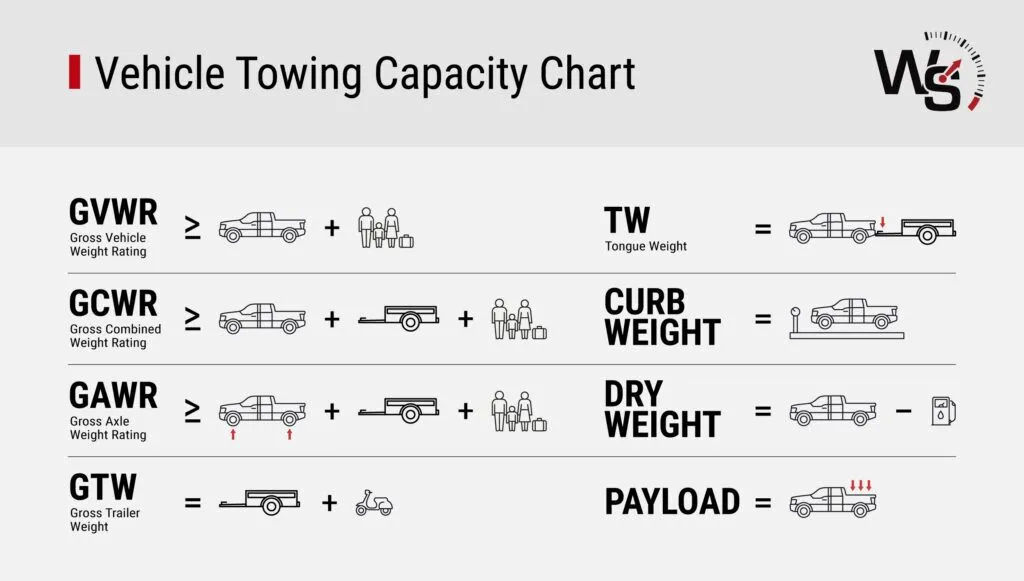
When businesses invest in vehicles, they are essentially acquiring mobile production units. The GVWR is the maximum operating weight of the vehicle as specified by the manufacturer, including the vehicle’s chassis, body, engine, fluids, fuel, accessories, driver, passengers, and cargo. From a capital expenditure (CapEx) standpoint, understanding this rating is critical to ensuring that the asset being purchased aligns with the operational requirements of the business.
Avoiding Costly Asset Depreciation
Overloading a vehicle—exceeding its GVWR—is one of the fastest ways to destroy the residual value of an asset. When a vehicle is consistently pushed beyond its rated capacity, the stress on the transmission, suspension, braking system, and engine is exponential rather than linear. For a business, this translates to accelerated maintenance schedules and premature replacement costs. By aligning your business activities with the appropriate vehicle GVWR, you protect your initial investment, ensuring that the vehicle maintains a higher resale value when it eventually hits the secondary market.
Insurance and Liability as Financial Risks
From a risk management perspective, GVWR is a critical data point for insurance underwriters. If a business is involved in an accident and it is determined that the vehicle was operating over its GVWR, insurance providers may deny claims based on negligence or violation of safety protocols. This represents a catastrophic financial risk. The cost of a single accident involving an overloaded vehicle can wipe out the annual profit margins of a small fleet. Proper adherence to GVWR is, therefore, a foundational component of a sound business risk management strategy.
Operational Efficiency and ROI
The relationship between GVWR and operational efficiency is direct. Businesses often attempt to “squeeze” more productivity out of a single vehicle by overloading it, under the assumption that they are saving money on additional trips or fuel. In reality, the financial math rarely supports this.
Fuel Economy and Operational Overhead
Operating at or near the GVWR—but never exceeding it—is the “sweet spot” for commercial efficiency. When you exceed the GVWR, fuel efficiency drops significantly due to the increased load on the drivetrain and the aerodynamic drag created by improper cargo distribution. Furthermore, tires are rated for specific loads; exceeding the GVWR puts you at high risk for blowouts. Replacing tires prematurely is a recurring operational expense that can be mitigated simply by respecting the manufacturer’s weight limits.
The Opportunity Cost of Downtime
Vehicle downtime is the silent killer of profitability. When a vehicle is sidelined for repairs—brakes warped by heavy loads, transmission failure, or suspension snapping—that asset is no longer generating revenue. By selecting vehicles that meet your true load requirements based on their GVWR, you maximize “up-time.” An informed purchase based on GVWR specifications is an investment in consistent, predictable cash flow.
GVWR, Payload, and Fleet Scalability
For growing businesses, understanding the technical specifications of their fleet is essential for scaling operations without incurring excessive overhead. It is common for business owners to confuse GVWR with payload capacity, but the distinction is vital for accurate financial planning.
Understanding the Formula
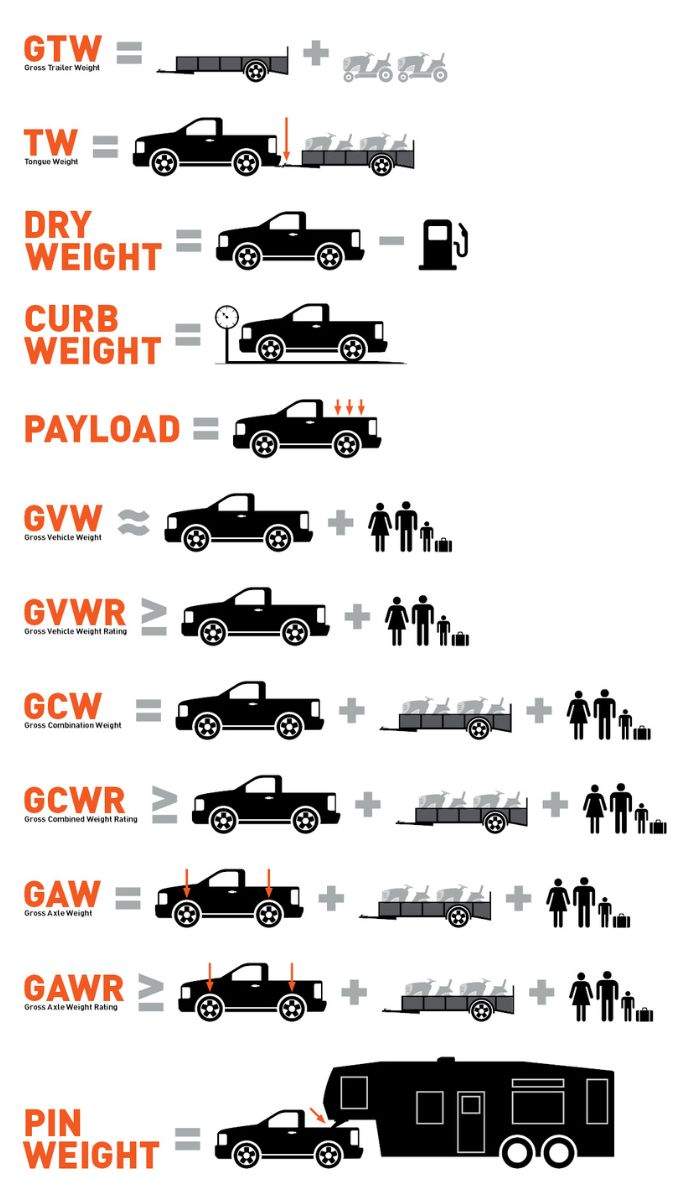
The calculation is straightforward: GVWR minus Curb Weight (the weight of the vehicle with all standard equipment and fluids) equals the Payload Capacity. Many business owners make the mistake of looking only at the payload capacity without considering the impact of optional equipment, custom truck beds, or heavy tool packages that increase the curb weight. If you add heavy equipment to your truck, your actual payload capacity decreases. If you ignore this, you risk running an illegal and unsafe load while thinking you are operating within limits.
Optimizing Fleet Composition
As a business scales, it is often more cost-effective to diversify a fleet based on GVWR categories rather than attempting to make one vehicle type perform all tasks. For instance, a light-duty van might be sufficient for urban parcel delivery, while a heavier chassis cab is required for landscaping or material transport. Misallocating the wrong vehicle to a task that requires a higher GVWR leads to inefficient fuel spend, higher maintenance costs, and a shorter lifecycle for the light-duty vehicle.
By analyzing the specific load requirements of your business contracts, you can procure vehicles that sit perfectly within their optimal GVWR range. This strategic procurement approach is a hallmark of sophisticated business finance, allowing for predictable operational expenses and preventing the “hidden costs” that plague disorganized fleet managers.
Strategic Asset Management
In the modern business environment, data is everything. Fleet managers who track GVWR data alongside maintenance logs and fuel spend gain a significant competitive advantage. By monitoring whether vehicles are consistently hitting their maximum GVWR, a manager can identify when it is time to upgrade to a heavier class of vehicle.
The Transition to Predictive Maintenance
Predictive maintenance programs rely on the assumption that a vehicle will be used as intended. When you respect the GVWR, you allow your fleet’s maintenance cycle to remain stable and predictable. This allows the finance department to forecast repair costs with high accuracy. Conversely, if a vehicle is overloaded, it enters a state of “emergency maintenance,” where parts fail unpredictably. This lack of predictability makes it impossible to manage cash flow effectively and forces the business to keep more capital in reserve for unplanned repairs.

Regulatory Compliance and Financial Penalties
Finally, GVWR is not just a suggestion from the manufacturer; it is often tied to federal and local transport regulations. Operating a vehicle that weighs more than its GVWR can lead to fines from the Department of Transportation (DOT) or equivalent local authorities. In addition to the fine itself, being flagged for an overweight violation can trigger audits and increased insurance premiums. In the landscape of commercial logistics, the cost of regulatory non-compliance is an unnecessary drain on the company’s bottom line. Maintaining strict adherence to GVWR ensures that your operation remains lean, compliant, and protected from the administrative burdens that threaten the stability of commercial enterprises.
In conclusion, the GVWR is far more than a technical specification found on a sticker inside the driver’s side door. It is a critical financial benchmark. By mastering the implications of GVWR, business owners and fleet operators protect their balance sheets, ensure the longevity of their capital assets, and mitigate the high-cost risks associated with negligence and operational inefficiency. Treating GVWR as a primary factor in the decision-making process is a demonstration of financial literacy in the sphere of asset management. Whether you are managing a single vehicle or a sprawling corporate fleet, the principles remain the same: operate within the limits defined by the engineering, and you will secure the longevity and profitability of your business operations.
aViewFromTheCave is a participant in the Amazon Services LLC Associates Program, an affiliate advertising program designed to provide a means for sites to earn advertising fees by advertising and linking to Amazon.com. Amazon, the Amazon logo, AmazonSupply, and the AmazonSupply logo are trademarks of Amazon.com, Inc. or its affiliates. As an Amazon Associate we earn affiliate commissions from qualifying purchases.