
Navigating the nuances of vehicle registration can often feel like deciphering a complex financial code, especially when it comes to understanding grace periods for expired tags. For residents of Kentucky, the question of whether a leniency period exists before financial penalties or legal repercussions kick in is critical for responsible personal finance and vehicle ownership. While some states offer a specific, legally defined grace period, Kentucky’s approach is often misunderstood, leading to potentially costly financial missteps for drivers who assume such a buffer exists. Understanding the precise regulations and the financial implications of non-compliance is paramount to avoiding unnecessary expenses and maintaining a healthy financial standing.
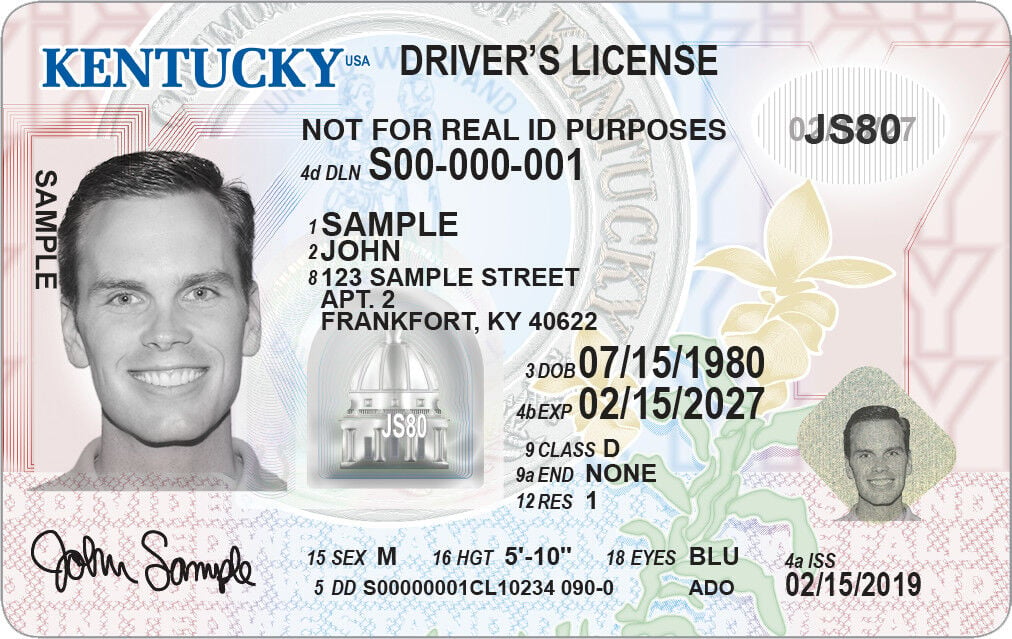
Understanding Vehicle Registration in Kentucky
Vehicle registration is not merely a bureaucratic formality; it is a fundamental aspect of responsible vehicle ownership with significant financial and legal implications. In Kentucky, every motor vehicle operated on public roadways must be properly registered with the county clerk’s office in the owner’s county of residence. This annual process ensures that vehicles meet state standards, contributes to public safety, and funds various state and local services through registration fees and taxes.
The Importance of Timely Renewal
Timely renewal of vehicle tags in Kentucky is directly tied to a driver’s financial well-being. Procrastination or forgetfulness can lead to a cascade of financial penalties that far outweigh the inconvenience of an on-time renewal. Beyond the basic registration fees, which are a predictable annual expense, failing to renew tags on schedule can result in costly fines, potential legal fees, and even increased insurance premiums or towing costs. For a financially prudent individual, treating vehicle registration as a non-negotiable annual financial obligation, much like a utility bill or rent, is essential. It’s a recurring expense that should be factored into one’s annual budget to prevent unexpected outflows.
Standard Renewal Process
The standard renewal process in Kentucky is designed to be relatively straightforward. Approximately 30-45 days before a vehicle’s registration expires, the Kentucky Transportation Cabinet typically mails a renewal notice to the registered owner. This notice serves as a crucial financial reminder, detailing the vehicle’s expiration date, the amount due in registration fees and taxes, and available renewal options. Owners can generally renew their tags in person at their local county clerk’s office, by mail, or through an online portal provided by the state. Each method requires specific documentation, such as the renewal notice, proof of current Kentucky liability insurance, and payment for the renewal fees. Successfully completing this process ensures legal compliance and, more importantly, shields the owner from a range of avoidable financial penalties.
Kentucky’s Grace Period: Dispelling Myths and Clarifying Facts
The concept of a “grace period” for expired tags is a common point of confusion for many drivers, and nowhere is this more critical than in Kentucky, where assumptions can lead to significant financial distress. Unlike some states that explicitly grant a fixed number of days post-expiration before penalties accrue, Kentucky operates under a stricter interpretation of renewal deadlines.
The Reality of a “Grace Period”
In Kentucky, there is generally no official grace period for expired vehicle tags. Once your tags expire, they are considered expired, and operating the vehicle on public roads immediately puts the owner at risk of legal and financial consequences. The notion of a few days or even weeks of leniency, often informally assumed by drivers, is not enshrined in Kentucky law. From a financial perspective, this means that every day a vehicle is driven with expired tags beyond the official expiration date is a day of increased financial risk. There is no built-in buffer to save you from fines if you are stopped by law enforcement. The expectation is that owners will complete their renewal before the expiration date printed on their current tag.
Financial Implications of Delayed Renewal
The financial repercussions of delayed renewal in Kentucky can escalate quickly. Even a single day past the expiration date can trigger a chain of events leading to unforeseen expenses.
- Fines for Expired Registration: The most immediate financial consequence is the potential for a traffic citation. Fines for operating a vehicle with expired tags can vary, but they typically involve a base fine amount, which can then be compounded by court costs and other administrative fees. These are not minor penalties and can easily amount to hundreds of dollars, representing a significant unplanned expenditure for any budget.
- Late Fees: While Kentucky may not have a “grace period” in the traditional sense, some counties or specific situations might impose late fees or additional charges on the registration renewal itself if it’s processed significantly after the expiration date. These are separate from traffic fines but add to the overall financial burden.
- Towing and Impoundment Costs: In more severe or repeated instances, or if the expired registration is combined with other offenses, law enforcement has the authority to tow and impound the vehicle. The costs associated with towing, daily storage fees, and administrative release fees can quickly run into hundreds, if not thousands, of dollars. Retrieving an impounded vehicle necessitates paying these fees, often in cash, creating an immediate and substantial drain on personal finances.
- Impact on Insurance: Driving with expired tags could, in some circumstances, complicate insurance claims or even lead to policy issues. While most insurance policies cover the vehicle regardless of registration status (unless explicitly stated otherwise), habitual non-compliance could flag you as a higher risk to your insurer at renewal time, potentially affecting your premiums. More critically, if you are involved in an accident while operating an unregistered vehicle, you could face additional legal scrutiny and potentially higher out-of-pocket costs if your insurance coverage is challenged.
Navigating the Renewal Process and Avoiding Penalties
Proactive engagement with the vehicle registration process is the most effective financial strategy for Kentucky drivers. By understanding and utilizing the available renewal avenues, individuals can mitigate the risk of financial penalties and ensure continuous legal operation of their vehicles.
Online and Mail Renewal Options
Kentucky offers several convenient options designed to streamline the renewal process, thus reducing reasons for procrastination. The state’s online portal allows eligible vehicle owners to renew their tags from the comfort of their home or office, often with just a few clicks. This digital convenience eliminates travel time and queues at the county clerk’s office. Similarly, mail-in renewals provide another flexible option for those who prefer traditional methods. Both online and mail renewals typically require current proof of insurance and payment, usually by credit card online or check/money order by mail. Utilizing these options well in advance of the expiration date is a wise financial move, preventing last-minute rushes and the associated risks.

Required Documentation and Fees
Regardless of the renewal method chosen, having the correct documentation and understanding the fee structure is crucial for a smooth transaction. Typically, drivers will need their renewal notice (though this isn’t strictly necessary if you have your license plate number and vehicle information), proof of current Kentucky liability insurance, and payment for the registration fees and applicable taxes. The fees themselves consist of a base registration fee, often a county clerk fee, and potentially a local usage tax. These amounts are generally predictable and should be budgeted for annually. Any changes to vehicle ownership, address, or insurance require timely updates to ensure accurate renewal notices and avoid complications that could delay the process and lead to financial setbacks.
Strategies for Timely Renewal
Effective financial planning extends to developing strategies for timely renewal. One of the simplest and most effective strategies is to mark the expiration date prominently on a personal calendar or set digital reminders several weeks in advance. Many smartphone applications and calendar services offer recurring reminders that can be customized. Additionally, leveraging any email or text message reminder services offered by the Kentucky Transportation Cabinet or your county clerk’s office can provide an extra layer of protection against forgetfulness. Another robust strategy is to align your vehicle registration renewal with another annual financial task, such as tax preparation or an annual insurance review, to create a consistent routine. By integrating this recurring financial obligation into your regular personal finance management system, you significantly reduce the chance of oversight and the associated financial penalties.
Financial Ramifications of Non-Compliance
Operating a vehicle with expired tags in Kentucky is not just a minor oversight; it’s a direct route to significant and avoidable financial burdens. The repercussions extend beyond simple fines, touching upon insurance validity, legal standing, and overall personal financial health.
Fines and Penalties for Driving with Expired Tags
As discussed, the primary financial consequence of driving with expired tags is the imposition of fines. These fines are typically classified as a moving violation and can range significantly depending on the specific county, the discretion of the issuing officer, and whether it’s a first offense or a repeat violation. Beyond the base fine amount, drivers are often responsible for court costs, which can add substantial sums to the total. These unexpected expenses can derail a carefully constructed budget, forcing individuals to dip into savings or reallocate funds from other essential expenditures. The cumulative effect of these penalties underscores the financial wisdom of proactive renewal.
Impact on Vehicle Insurance and Liability
While standard auto insurance policies typically cover the vehicle and driver regardless of registration status, operating an unregistered vehicle can introduce complexities, particularly in the event of an accident. Although unlikely to void your policy outright, an expired registration could be viewed unfavorably by insurance companies during a claims process or when assessing risk for future renewals. There’s a potential, albeit rare, scenario where an insurer could argue that operating an illegally unregistered vehicle constitutes a breach of good faith or a higher risk not initially covered, leading to complications in payouts or increased premiums. More critically, if involved in an at-fault accident, the legal and financial liability for damages and injuries could be compounded if the vehicle was illegally operated. This could potentially lead to higher out-of-pocket costs, extended legal battles, and a significant hit to personal finances.
Potential Legal Consequences
Beyond financial fines, repeated non-compliance with vehicle registration laws can escalate to more severe legal consequences, each with its own indirect financial burden. Persistent violations might lead to misdemeanor charges, especially if combined with other offenses or a history of disregard for traffic laws. A criminal record, even for a misdemeanor, can impact future employment opportunities, housing applications, and even professional licensing, all of which have long-term financial implications. Furthermore, accumulating traffic citations can lead to points on your driving record, potentially resulting in increased insurance premiums (a direct financial hit) or even license suspension, which would impose further financial strain through reliance on alternative transportation.
Proactive Financial Management for Vehicle Ownership
Effective financial management of vehicle ownership goes beyond merely affording the initial purchase; it encompasses a holistic approach to budgeting for recurring costs, maintaining compliance with legal requirements, and mitigating financial risks.
Budgeting for Annual Vehicle Expenses
A cornerstone of sound personal finance is meticulous budgeting. For vehicle owners, this means allocating funds not just for fuel and unexpected repairs, but crucially for predictable annual expenses like registration renewal, property taxes on the vehicle, and insurance premiums. Creating a dedicated “Vehicle Expense” category in your budget and setting aside a small amount monthly can prevent the shock of annual or semi-annual bills. By breaking down the larger annual sums into smaller, manageable monthly contributions, these necessary financial obligations become less burdensome and more integrated into your overall financial plan, ensuring you always have the funds available when renewal notices arrive.
Setting Reminders for Financial Obligations
In today’s fast-paced world, relying solely on memory for financial obligations is a recipe for disaster. Leveraging technology to set proactive reminders for recurring payments and renewals is a financially savvy move. This includes not just vehicle registration, but also insurance premium due dates, property tax deadlines, and even routine maintenance schedules that can impact a vehicle’s long-term value and operational costs. Utilizing calendar apps, financial management software, or even simple smartphone alarms can create a robust system that ensures no critical financial deadline is missed, thereby avoiding late fees, penalties, and the stress of last-minute scrambles.

The Long-Term Cost of Negligence
The long-term financial cost of negligence regarding vehicle registration and other ownership responsibilities far outweighs the minimal effort required for compliance. Repeated fines, increased insurance premiums, potential legal fees, and the hassle of vehicle impoundment all contribute to a significant drain on personal finances that could otherwise be directed towards savings, investments, or debt reduction. Beyond the direct monetary costs, there’s the intangible cost of stress, wasted time, and potential damage to one’s credit score if fines go unpaid and collection agencies get involved. Adopting a proactive, organized approach to vehicle ownership, treating all associated costs as integral parts of your personal financial landscape, is the most financially prudent path, ensuring peace of mind and protecting your hard-earned assets from unnecessary expenditure.
aViewFromTheCave is a participant in the Amazon Services LLC Associates Program, an affiliate advertising program designed to provide a means for sites to earn advertising fees by advertising and linking to Amazon.com. Amazon, the Amazon logo, AmazonSupply, and the AmazonSupply logo are trademarks of Amazon.com, Inc. or its affiliates. As an Amazon Associate we earn affiliate commissions from qualifying purchases.