
India, a nation of immense diversity and dynamic growth, operates under a governmental structure that profoundly shapes its economic landscape, investment climate, and the financial lives of its nearly 1.4 billion citizens. While the question “what is the government type in India” might initially seem to belong to the realm of political science, understanding its nature—a sovereign, socialist, secular, democratic republic with a parliamentary system of government—is absolutely crucial for anyone engaged with its financial markets, contemplating investment, or navigating its business environment. The choices made by its governmental framework, from fiscal policy to regulatory oversight, ripple through every facet of the economy, influencing everything from individual saving habits to the growth trajectory of multinational corporations.

From the perspective of personal finance, business finance, and global investing, the stability, predictability, and ideological underpinnings of India’s government type are paramount. A democratic republic, by its very nature, brings specific characteristics that define its economic approach: a commitment to public welfare, a multi-party system that can lead to policy debates and shifts, and a federal structure that decentralizes certain financial powers. This article delves into how India’s distinctive government type directly translates into economic policies, market dynamics, and financial opportunities and challenges, making it an essential read for investors, entrepreneurs, and financial enthusiasts alike.
The Foundations of India’s Economic Governance
India’s governmental architecture is not merely a political construct; it is the bedrock upon which its entire economic system is built. Understanding the ideological and structural components of this government type is the first step in comprehending its financial implications.
Democratic Socialism and its Evolution
When India gained independence, its founding fathers enshrined “socialist” principles within its preamble, reflecting a commitment to equitable distribution of wealth and social welfare. This “democratic socialism” meant that while democratic processes would govern the state, economic policy would lean towards state intervention, public sector dominance, and a focus on reducing disparities. For decades, this translated into protectionist trade policies, extensive licensing requirements (the “License Raj”), and a significant footprint of state-owned enterprises across strategic sectors like banking, heavy industry, and utilities.
From a financial perspective, this era fostered a domestic-oriented economy with limited foreign investment. Capital markets were nascent, and individual investment opportunities were largely restricted to government bonds or public sector undertakings. Personal finance was characterized by a stronger emphasis on savings in traditional instruments, and entrepreneurial ventures faced substantial bureaucratic hurdles. However, the early 1990s marked a significant pivot. Economic liberalization reforms, while not abandoning the socialist ethos entirely, drastically reduced state control, opened markets to foreign investment, and spurred privatization. This evolution reshaped India’s financial landscape, creating a vibrant private sector, a dynamic stock market, and an influx of global capital. Today, while welfare schemes remain central, the emphasis has shifted towards market-driven growth, global integration, and fostering a conducive environment for private enterprise, fundamentally altering wealth creation and investment strategies.
The Role of a Federal Structure in Fiscal Policy
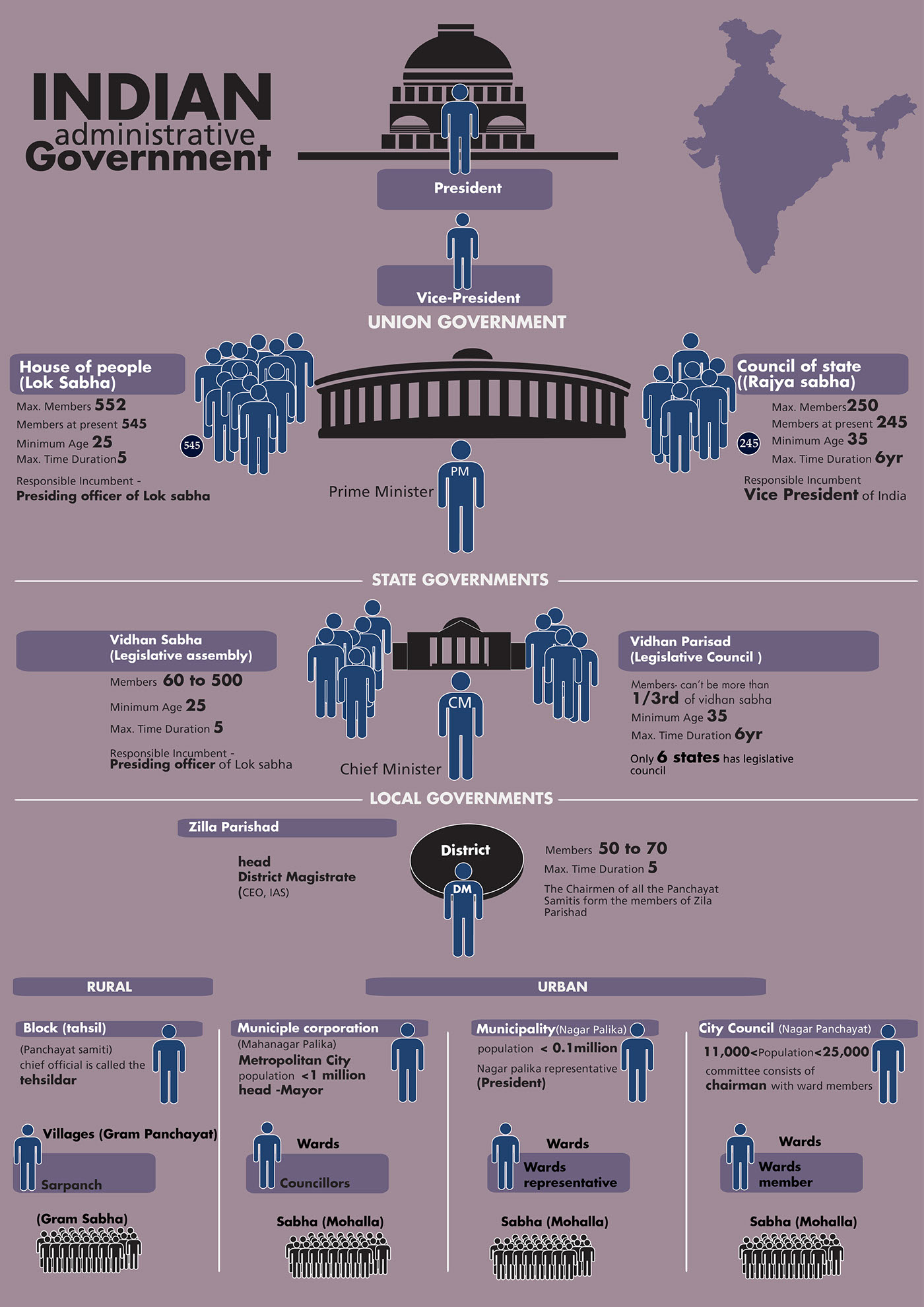
India operates as a federal union of 28 states and 8 union territories, each with its own elected government and legislative powers. This federal structure has profound implications for fiscal policy, taxation, and economic development. The Constitution clearly delineates powers between the Union (central) government and state governments, particularly regarding revenue generation and expenditure. For instance, while the central government controls income tax, corporate tax, and customs duties, state governments levy sales tax (now subsumed under GST), excise duty on alcohol, and property taxes, and have significant control over public spending in areas like health, education, and infrastructure development within their borders.
From a financial standpoint, this decentralization means that economic policies and investment climates can vary significantly from one state to another. A business looking to expand might find different tax incentives, labor laws, or infrastructure quality depending on the state it chooses. For investors, understanding state-level policies and financial health is as important as analyzing national trends. The Goods and Services Tax (GST) introduced in 2017 was a monumental reform aimed at harmonizing the indirect tax structure across states, simplifying compliance, and creating a unified national market. This move, a direct consequence of the federal government’s legislative power working with states, has streamlined supply chains and reduced cascading taxes, benefiting businesses and consumers alike through greater efficiency and reduced costs – ultimately impacting profitability and consumer spending power. The interplay between central and state finances, often mediated by the Finance Commission, also determines the allocation of resources and the capacity for states to undertake financially significant projects, directly influencing regional economic development and local investment opportunities.
Impact on Investment and Business Climate
The democratic and federal nature of India’s government type is arguably the single most important factor shaping its investment and business climate, influencing everything from policy stability to regulatory frameworks.
Policy Stability and Investor Confidence
A democratic system, by its very nature, can be perceived as both a strength and a potential source of uncertainty for investors. On one hand, the checks and balances inherent in a parliamentary democracy, along with an independent judiciary, tend to ensure greater policy predictability and legal recourse compared to more autocratic regimes. This foundational stability provides a degree of comfort for long-term investments. Major policy shifts typically undergo extensive public debate, legislative scrutiny, and judicial review, reducing the risk of sudden, arbitrary changes that could wipe out investor value.
On the other hand, the multi-party system and the electoral cycle can introduce short-term volatility. Governments might prioritize populist measures ahead of elections, or coalition governments might lead to slower decision-making or less consistent policy implementation. For a financial strategist, this means carefully monitoring political developments, election outcomes, and government manifestos for their potential impact on specific sectors or economic policies. However, India’s democratic resilience and gradual, continuous reform process, particularly since liberalization, have built a track record that generally assures investors of a stable, albeit sometimes slow-moving, policy environment. The commitment to market reforms, even across different political parties, has fostered an overarching confidence in India’s long-term economic trajectory.
Regulatory Frameworks and Ease of Doing Business
India’s government type has led to a complex but evolving regulatory environment. As a democratic republic, there is a strong emphasis on legislation and the rule of law. Numerous regulatory bodies, from the Reserve Bank of India (RBI) overseeing banking and monetary policy, to the Securities and Exchange Board of India (SEBI) regulating capital markets, and sector-specific regulators for telecom, power, and insurance, operate under legislative mandates. This extensive framework aims to ensure fairness, transparency, and consumer protection – all critical elements for a healthy financial ecosystem.
However, the sheer breadth and depth of regulations, historically coupled with bureaucratic procedures, have sometimes posed challenges to the “ease of doing business.” The federal structure adds another layer of complexity, with businesses often needing to navigate both central and state-level compliance requirements. Recognizing this, successive governments have made concerted efforts to streamline regulations, digitize processes, and reduce bureaucratic hurdles. Initiatives like the “Make in India” campaign, the implementation of GST, and reforms in company law and insolvency codes are direct outcomes of the government’s drive to enhance the business environment. These reforms aim to cut red tape, accelerate approvals, and improve the overall efficiency of financial transactions and business operations, directly impacting profitability and attractiveness for domestic and foreign investment. The gradual improvement in India’s global “Ease of Doing Business” rankings is a testament to the government’s ongoing commitment to making India a more financially accessible and lucrative destination.
Sector-Specific Financial Opportunities and Challenges
India’s government type significantly influences the financial opportunities and challenges across various economic sectors. The government’s policy priorities, often shaped by electoral mandates and developmental goals, directly funnel investment and growth into specific areas. For instance, the emphasis on infrastructure development (roads, railways, ports, digital connectivity) by recent governments has created massive investment opportunities for private players, often through public-private partnerships, attracting significant capital. Similarly, the “Digital India” initiative has spurred growth in the fintech, e-commerce, and software sectors, leading to a surge in venture capital and angel investing.
Conversely, sectors deemed strategic or sensitive, such as defense, atomic energy, or certain aspects of banking, may still face greater government oversight, ownership restrictions, or slower liberalization. While this can provide stability, it might also limit private sector competition or foreign investment. The government’s commitment to social welfare also means significant public spending in sectors like healthcare and education, creating large markets but often with price controls or regulatory frameworks that impact private sector profitability. Investors and entrepreneurs must meticulously analyze these sector-specific policies, often guided by the government’s five-year plans and annual budgets, to identify areas of growth, understand regulatory risks, and capitalize on strategic financial opportunities that align with the national agenda.
Implications for Personal Finance and Income Generation
For the average Indian citizen, the governmental structure directly influences personal finance, taxation, social safety nets, and avenues for income generation.
Taxation Policies and Income Planning
India’s democratic government, driven by the need to fund public services and welfare programs, implements a progressive taxation system. Income tax, corporate tax, and indirect taxes (GST) are the primary sources of revenue. For individuals, personal income tax slabs are determined by the Union Budget each year, with exemptions and deductions often used as policy levers to encourage savings (e.g., in provident funds, insurance) or investments in specific avenues. Understanding these policies is fundamental to personal financial planning – from optimizing tax liabilities to selecting tax-efficient investment vehicles.
The federal nature also means that certain taxes, like property tax or agricultural income tax (in some states), are governed at the state level, further complicating the tax landscape for individuals with diverse assets or income streams. Moreover, governmental policies on inflation control, managed by the Reserve Bank of India (an independent body but with its mandate set by the government), directly impact the purchasing power of income and the real returns on savings and investments. A government committed to fiscal prudence and low inflation generally creates a more stable environment for long-term financial planning, protecting wealth from erosion.
Social Welfare Programs and Financial Safety Nets
As a “socialist” democratic republic, the Indian government has a constitutional mandate to promote the welfare of its people. This translates into a wide array of social welfare programs designed to provide financial safety nets and enhance economic inclusion. Schemes such as the Mahatma Gandhi National Rural Employment Guarantee Act (MGNREGA), which guarantees 100 days of wage employment in rural areas, directly provides income support. Subsidies on essential goods (food, fuel) and targeted financial assistance schemes aim to reduce poverty and improve living standards.
From a personal finance perspective, these programs act as crucial buffers against economic shocks for vulnerable populations. Universal basic income discussions, pension schemes for the unorganized sector, and health insurance initiatives (like Ayushman Bharat) all contribute to a baseline level of financial security. For entrepreneurs and the organized workforce, statutory benefits like Employees’ Provident Fund (EPF) and Employees’ State Insurance (ESI) are mandatory contributions that serve as long-term savings and health security, directly influenced by government labor laws. Understanding these schemes is vital for individuals to leverage available support, plan for retirement, and secure their financial future within the framework provided by the state.
Entrepreneurship and Online Income in a Democratic Economy
The democratic and increasingly market-oriented nature of India’s government has profoundly impacted opportunities for entrepreneurship and online income generation. The shift away from the “License Raj” towards a more liberalized economy has fostered a burgeoning startup ecosystem. Government initiatives like “Startup India” and “Stand-Up India” provide financial assistance, tax incentives, and mentorship to new businesses, aiming to reduce unemployment and stimulate innovation.
For individuals seeking online income, the government’s push for digital literacy and robust digital infrastructure has opened up numerous avenues. The rapid adoption of digital payment systems (like UPI) and government-backed digital public goods creates a fertile ground for e-commerce, freelance work, content creation, and digital service provision. The legal and regulatory framework, while still evolving for the digital economy, is generally designed to protect consumer rights and intellectual property, providing a relatively secure environment for online ventures. However, entrepreneurs must stay abreast of evolving tax laws for digital transactions, e-commerce regulations, and data privacy policies, all of which are periodically updated by the government to keep pace with technological advancements and maintain financial order. The freedom to innovate, access markets, and engage in diverse forms of economic activity is a direct benefit of the democratic principles underpinning India’s governance.
Navigating India’s Economic Landscape: Advice for Investors and Citizens
Understanding the intricacies of India’s governmental structure is not just an academic exercise; it is a pragmatic necessity for sound financial decision-making.
Understanding Political Risk and Economic Policy Shifts
For both domestic and international investors, recognizing the inherent political risk associated with a vibrant democracy is key. Policy shifts can occur due to electoral outcomes, changes in government priorities, or evolving socio-economic conditions. While the overall direction of liberalization and growth has been consistent, the pace and specific sectoral focus can vary. Investors should therefore conduct thorough due diligence, not just on companies and markets, but also on the political landscape, analyzing election cycles, party manifestos, and government statements for clues about future economic policy. Diversification across sectors and asset classes can mitigate some of this risk. Regular engagement with financial advisors who specialize in the Indian market, and staying informed through credible economic and political analyses, are crucial strategies for navigating potential policy shifts and their financial implications.

Leveraging Government Initiatives for Financial Growth
Conversely, India’s government actively uses policy and financial incentives to steer economic growth in desired directions. For astute investors and entrepreneurs, this presents significant opportunities. Identifying sectors prioritized by government initiatives (e.g., renewable energy, manufacturing, digital infrastructure, affordable housing) can lead to higher returns and favorable operating conditions. Participation in schemes designed to boost specific industries, or availing subsidies and tax breaks offered by central or state governments, can provide a competitive edge.
For individual citizens, leveraging government-backed financial products like various pension schemes, small savings schemes (e.g., Public Provident Fund, Sukanya Samriddhi Yojana), and insurance schemes can provide tax benefits and secure returns. Understanding the eligibility criteria and benefits of these programs is a cornerstone of prudent personal financial planning in India. The government’s commitment to financial inclusion, through initiatives like the Jan Dhan Yojana, also creates new customer bases and market opportunities for financial service providers and businesses targeting underserved populations.
In conclusion, India’s identity as a sovereign, socialist, secular, democratic republic with a parliamentary system is not merely a political label; it is the fundamental determinant of its economic trajectory and financial ecosystem. It shapes the regulatory environment for businesses, dictates the investment climate for domestic and foreign capital, and directly impacts the personal finance decisions of its citizens. From the evolution of its economic philosophy to the intricacies of its federal fiscal policy, every aspect of its governance has tangible financial consequences. For anyone seeking to prosper within or engage with the Indian economy, a deep appreciation of its governmental type is not just insightful – it is financially indispensable.
aViewFromTheCave is a participant in the Amazon Services LLC Associates Program, an affiliate advertising program designed to provide a means for sites to earn advertising fees by advertising and linking to Amazon.com. Amazon, the Amazon logo, AmazonSupply, and the AmazonSupply logo are trademarks of Amazon.com, Inc. or its affiliates. As an Amazon Associate we earn affiliate commissions from qualifying purchases.