
At first glance, the question “What is the Gospel of Luke about?” might seem to lead solely into the realms of theology, history, or religious studies. Traditionally understood as one of the four canonical gospels recounting the life, ministry, death, and resurrection of Jesus Christ, Luke’s narrative is a cornerstone of Christian belief and historical scholarship. However, when viewed through a contemporary lens of brand strategy and communication, this ancient text reveals a surprisingly sophisticated framework that echoes many principles of modern branding, marketing, and corporate identity.
Far from a mere historical document, the Gospel of Luke can be analyzed as a masterclass in narrative construction, audience engagement, and the strategic articulation of a transformative message. It presents a “brand” – that of Jesus Christ and his teachings – with remarkable consistency, clear value propositions, and a compelling call to action designed for broad appeal and lasting impact. By dissecting Luke’s approach, we can unearth insights into how a powerful message is crafted, disseminated, and sustained across cultures and generations, making it an invaluable, albeit unconventional, case study for anyone in brand strategy.
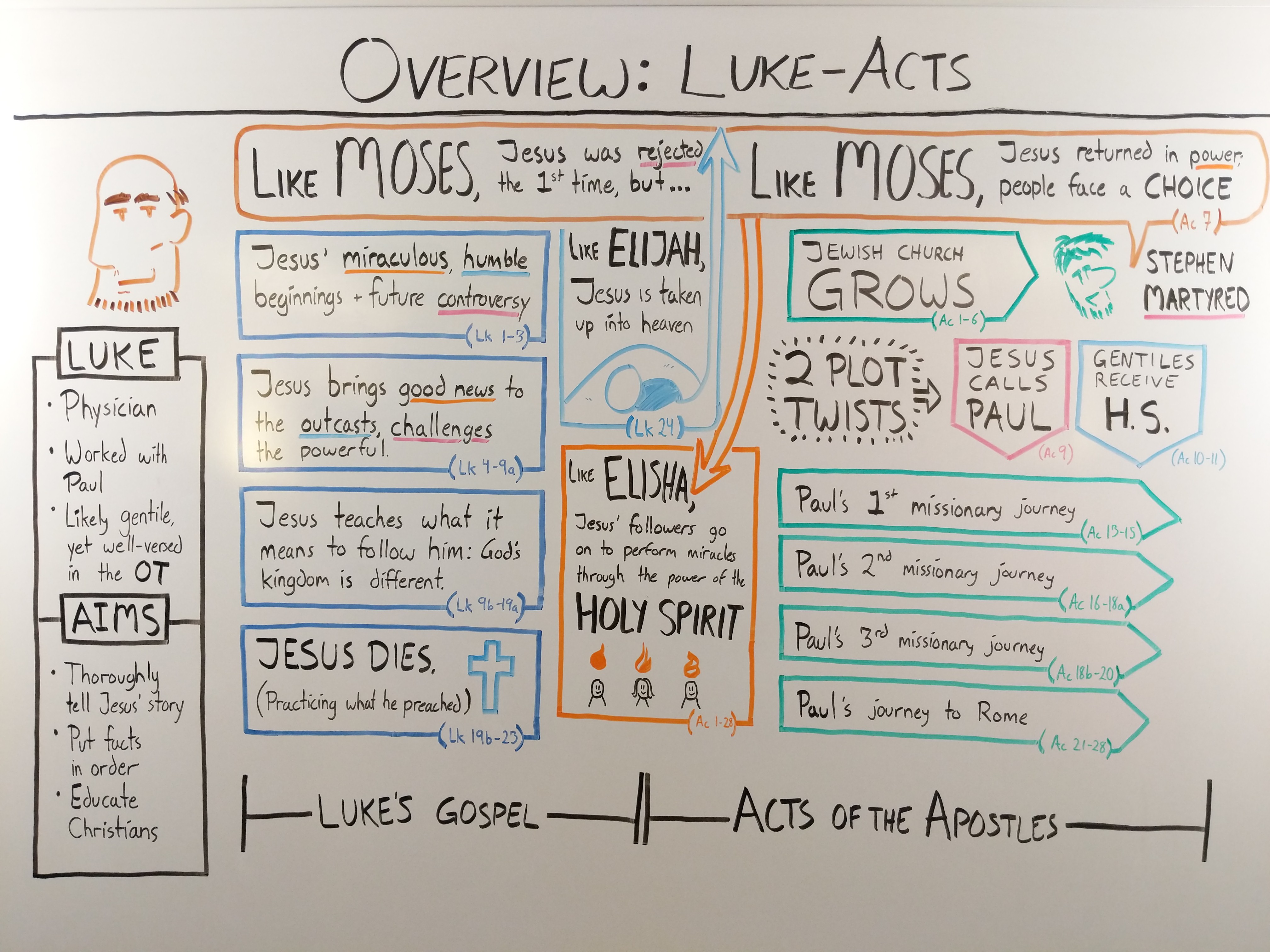
Crafting a Timeless Brand Narrative
Every successful brand is built upon a compelling story, and the Gospel of Luke is a profound example of a narrative designed to establish and elevate a central figure. Luke, often identified as a Gentile physician and companion of Paul, meticulously compiled his account “after investigating everything carefully from the beginning” (Luke 1:3). This claim to thorough research immediately lends credibility, akin to a brand audit that establishes authenticity and expertise. His dedication to detail, historical context, and the logical flow of events underscores an intentional effort to present a cohesive and authoritative brand narrative for Jesus.
The Founder’s Story: Jesus as the Central Figure
In branding, the founder’s story is paramount. It provides the origin, the vision, and the soul of the brand. Luke dedicates significant attention to establishing Jesus’s unique identity from conception, through his birth, childhood, and public ministry. He emphasizes Jesus’s divine origin (the angelic announcement to Mary), his unique lineage (tracing his ancestry back to Adam, emphasizing his universal humanity), and his prophetic destiny. This meticulous detailing isn’t just biography; it’s the careful construction of a brand persona. Jesus is positioned not just as a prophet or a teacher, but as the Messiah, the Son of God, and the Saviour of humanity – a comprehensive value proposition that defines his entire “brand.”
Luke highlights specific aspects of Jesus’s character and mission: his compassion for the marginalized, his wisdom in teaching, his authority in healing, and his revolutionary challenge to existing social and religious norms. These are the “brand attributes” that Luke consistently reinforces, creating a clear, identifiable, and emotionally resonant image of Jesus. The parables, miracles, and interactions all serve to illustrate and substantiate these attributes, building a consistent and memorable brand identity around Jesus himself.
Message Consistency and Core Values
A strong brand is built on consistent messaging and unwavering core values. Luke’s Gospel excels in this regard, articulating a set of central themes that permeate the entire narrative. Key among these are universal salvation, radical inclusivity, social justice, compassion for the poor and outcast, the importance of prayer, and the transformative power of forgiveness. These are not merely incidental topics; they are the foundational “brand values” that Jesus embodies and communicates.
For instance, Luke consistently emphasizes Jesus’s interactions with tax collectors, prostitutes, and Samaritans – groups often ostracized in Jewish society. This consistent focus on the marginalized clearly communicates the brand’s value of radical inclusivity and compassion. The parables of the Good Samaritan, the Prodigal Son, and the Rich Man and Lazarus are not just stories; they are powerful marketing messages that reinforce these core values, making them relatable and actionable for the audience. This consistency ensures that the “brand message” is never diluted, fostering trust and clarity among its target audience. The repetition of these themes creates a strong mental association, similar to how modern brands use slogans and visual identities to convey their core essence.
Understanding the Target Audience
Effective branding is always audience-centric. A brand must understand who it’s speaking to, what their needs are, and how best to connect with them. While the other gospels largely address a Jewish audience, Luke distinctively broadens his appeal, demonstrating a clear strategic choice to reach a more diverse, Hellenistic, and Gentile readership. This strategic targeting significantly shaped the narrative choices and emphasis within his gospel.
Appealing to Diverse Demographics: Gentiles and the Marginalized
Luke’s dedication to a broader audience is evident in several ways. Unlike Matthew, he doesn’t emphasize Jesus’s Jewish lineage as heavily, tracing it back to Adam, the father of all humanity, rather than just Abraham. He omits references that would be obscure to non-Jewish readers and includes details that resonate universally. For example, his account of the birth of Jesus includes shepherds, who were often considered low-status, alongside the magi, signifying a message for all strata of society.
Furthermore, Luke consistently highlights Jesus’s compassion for the marginalized and outcast, whether they are Gentiles, women, the poor, or the sick. This focus served a dual purpose: it reinforced the brand’s core value of inclusivity and directly addressed the needs and concerns of those who felt overlooked or oppressed in the Greco-Roman world. By showing Jesus actively engaging with and uplifting these groups, Luke positioned the “brand” as a beacon of hope and justice for everyone, not just a select few. This strategy is akin to modern brands identifying underserved markets and tailoring their message to directly address those demographics, creating a sense of belonging and relevance.
Localizing the Message for Broader Appeal
Just as global brands localize their campaigns, Luke adapts his narrative to be more accessible and persuasive to his intended broader audience. His use of refined Greek, a more universal language for the time, demonstrates a conscious effort to communicate effectively. He also provides explanations of Jewish customs and geographical locations that would be unfamiliar to a Gentile audience, ensuring the message’s clarity and impact.

Moreover, Luke’s narrative often casts Jesus in roles that would resonate with Hellenistic philosophical ideals, such as a wise teacher, a compassionate healer, and a champion of justice. While maintaining theological integrity, this nuanced presentation helps bridge cultural gaps, making the “brand” of Jesus more palatable and understandable to a wider demographic. This strategic “localization” allowed the message to transcend its immediate cultural origins and gain traction in diverse social and intellectual contexts, a hallmark of truly global brand expansion.
The Gospel as a Communication Strategy
Beyond content, the method of communication is critical in branding. Luke’s gospel is a masterpiece of communication strategy, employing various techniques to engage its audience, establish credibility, and ensure memorability.
Storytelling and Parables: Engaging the Audience
Storytelling is perhaps the most powerful tool in a brand’s arsenal, and Jesus, as depicted by Luke, was a master storyteller. Luke’s Gospel is renowned for some of the most vivid and beloved parables found in the New Testament: the Prodigal Son, the Good Samaritan, the Rich Man and Lazarus, and the Lost Sheep, among others. These parables are not merely anecdotes; they are highly effective communication devices.
They make complex ethical and spiritual concepts accessible and relatable by grounding them in everyday experiences. They invite the audience to participate in the narrative, encouraging introspection and personal application. From a branding perspective, parables act as highly effective, memorable “content marketing.” They are sticky, easily shareable, and emotionally resonant, allowing the core message to penetrate deeply and spread organically. They create an immersive experience, allowing the audience to “live” the brand’s values rather than just hearing about them. This engagement builds a powerful connection, fostering loyalty and advocacy, much like compelling brand stories do today.
Establishing Authority and Credibility
For a brand to be trusted, it must establish authority and credibility. Luke does this systematically throughout his gospel. He begins by addressing Theophilus, a patron, implying a scholarly and reliable account. He cites witnesses and emphasizes his careful investigation, akin to a brand leveraging testimonials and data to build trust.
Throughout the narrative, Jesus’s authority is consistently demonstrated through his words and actions: his power over sickness, nature, and even death. His teachings are presented as profound and transformative, challenging the status quo with undeniable wisdom. When Jesus debates religious leaders, his arguments are shown to be superior, further solidifying his intellectual and spiritual authority. The miraculous elements of the gospel serve as “proof points,” substantiating the extraordinary claims made about Jesus. These elements are crucial for building brand credibility, demonstrating that the “brand” delivers on its promises, thereby fostering unwavering belief and trust.
Building a Legacy: Brand Impact and Enduring Relevance
The ultimate goal of any brand is to build a lasting legacy, to create an impact that transcends its immediate context and remains relevant over time. The Gospel of Luke, through its strategic construction, has achieved an unparalleled level of enduring relevance and global impact.
Disciples as Brand Ambassadors
No brand can succeed without enthusiastic ambassadors, and in Luke’s narrative, Jesus’s disciples are meticulously groomed for this role. They are trained, empowered, and commissioned to carry the message forward. Luke records Jesus sending out the seventy-two disciples, giving them authority to heal and proclaim the kingdom of God. This act is a brilliant “ambassador program,” equipping individuals with the tools and authority to spread the brand message far and wide.
These brand ambassadors are not just messengers; they embody the brand’s values. Their transformation and commitment serve as powerful testimonials to the brand’s efficacy. After Jesus’s ascension, the narrative implicitly suggests that these disciples, guided by the Holy Spirit, became the primary drivers of the brand’s expansion, establishing communities of believers (the early church) that would carry the message into new territories and generations. This decentralized, yet unified, distribution strategy is a testament to the power of a well-articulated and empowering brand identity.

Sustaining the Brand Through Generations
The Gospel of Luke, like any successful brand manual, was designed for replication and long-term sustainability. Its clear narrative, consistent messaging, and universal appeal ensured that the “brand” of Jesus and his teachings could be adopted and adapted across diverse cultures without losing its core identity. Its emphasis on core values such as love, compassion, and justice provides a flexible yet firm foundation that remains relevant across millennia.
The enduring impact of Luke’s Gospel lies in its ability to inspire, challenge, and transform individuals and societies. It has shaped countless ethical frameworks, artistic expressions, and humanitarian efforts. This sustained relevance is the ultimate measure of its branding success. It demonstrates how a powerfully crafted narrative, driven by clear values and a profound understanding of its audience, can create a legacy that far outlives its initial creation, continuing to shape human experience and belief across the globe.
In conclusion, while the primary intent of “What is the Gospel of Luke About?” is undoubtedly religious and historical, a contemporary brand strategist might recognize within its pages an extraordinary case study. It showcases the meticulous crafting of a compelling founder’s story, the consistent articulation of core values, a strategic approach to audience engagement, and the development of an effective communication strategy that has ensured enduring relevance and global impact. Viewing it through this lens enriches our understanding not just of this ancient text, but of the timeless principles that underpin powerful communication and lasting brand influence.
aViewFromTheCave is a participant in the Amazon Services LLC Associates Program, an affiliate advertising program designed to provide a means for sites to earn advertising fees by advertising and linking to Amazon.com. Amazon, the Amazon logo, AmazonSupply, and the AmazonSupply logo are trademarks of Amazon.com, Inc. or its affiliates. As an Amazon Associate we earn affiliate commissions from qualifying purchases.