
Navigating the housing market requires a deep understanding of the financial mechanisms that drive affordability, with the mortgage interest rate standing as the most significant variable for most buyers. When people ask, “What is the going mortgage interest rate?” they are often looking for a single percentage. However, the answer is far more nuanced, representing a complex intersection of global economic policy, domestic inflation, and individual financial profiles.
The mortgage rate you receive determines not just your monthly payment, but the total cost of your home over thirty years. Even a fractional difference of 0.5% can result in tens of thousands of dollars in interest over the life of a loan. Understanding where rates are currently heading and why they move is essential for any savvy investor or prospective homeowner looking to optimize their personal balance sheet.
Understanding the Current Economic Landscape for Borrowers
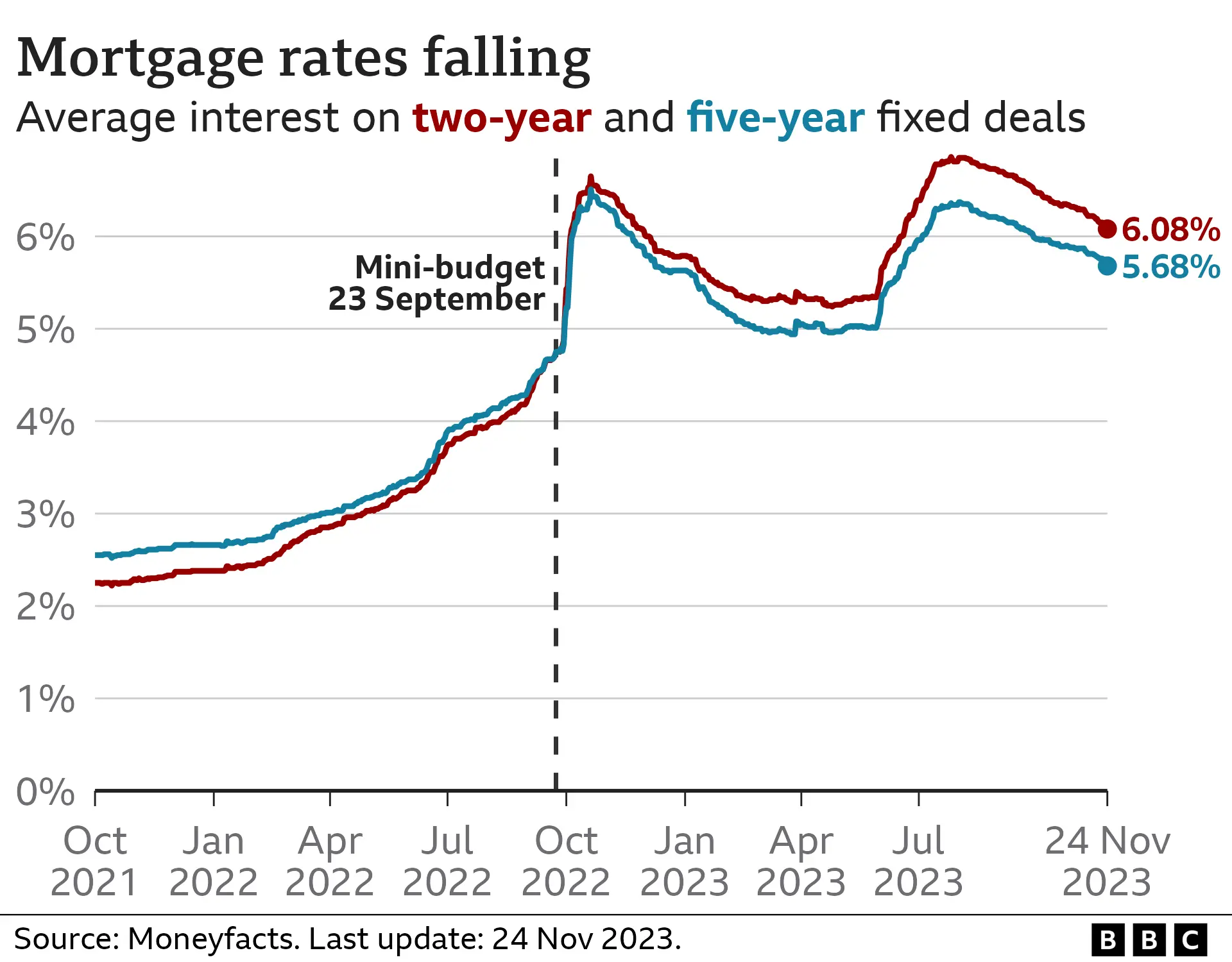
To understand today’s mortgage rates, one must look at the broader macroeconomic environment. Rates do not exist in a vacuum; they are a reflection of the cost of borrowing money throughout the entire financial system. While lenders set their own rates, they are heavily influenced by several external drivers.
The Federal Reserve’s Role and the Federal Funds Rate
While the Federal Reserve does not directly set mortgage rates, its influence is profound. The Fed sets the federal funds rate—the interest rate at which commercial banks borrow and lend to one another overnight. When the Fed raises this rate to combat inflation, it becomes more expensive for banks to source capital. Consequently, banks pass these costs on to consumers in the form of higher interest rates for credit cards, personal loans, and mortgages. Conversely, when the Fed cuts rates to stimulate the economy, mortgage rates often follow a downward trajectory, though the relationship is not always one-to-one.
Inflation and Its Direct Impact
Mortgage rates are particularly sensitive to inflation. Because most mortgages are long-term investments for lenders (often spanning 15 to 30 years), inflation is the enemy of the fixed-income returns they expect. If inflation is high, the purchasing power of the interest the lender collects in the future is diminished. To compensate for this risk, lenders demand higher interest rates when inflation expectations are elevated. This is why mortgage rates often spike even before the Federal Reserve officially acts; the market anticipates future inflation and adjusts pricing accordingly.
10-Year Treasury Yields and Market Sentiment
A more direct barometer for the going mortgage interest rate is the yield on the 10-year Treasury note. Mortgage-backed securities (MBS) compete with Treasuries for investor dollars. Because Treasuries are backed by the “full faith and credit” of the government, they are considered risk-free. Mortgages, while relatively safe, carry slightly more risk. Therefore, mortgage rates typically stay about 1.5% to 3% higher than the 10-year Treasury yield. When investors see uncertainty in the stock market and flock to the safety of bonds, yields may drop, potentially bringing mortgage rates down with them.
Key Factors Determining Your Individual Interest Rate
The “going rate” reported in the news is an average based on “prime” borrowers—those with high credit scores and significant down payments. Your personal interest rate will likely differ from the national average based on several key financial metrics that lenders use to assess risk.
Credit Score and Financial Health
Your credit score is arguably the most influential factor in the rate you are offered. Lenders use the FICO score to predict the likelihood that you will default on your loan. A borrower with a score of 760 or higher is generally offered the best available market rates. As scores dip into the 600s, the “risk premium” added to the interest rate increases. Over the life of a 30-year loan, a borrower with a mediocre credit score might pay $100,000 more in interest than a borrower with excellent credit for the exact same house.
Loan-to-Value (LTV) Ratio and Down Payments
The amount of equity you put into the home upfront significantly impacts your rate. The Loan-to-Value ratio represents the percentage of the home’s value that is being financed. A traditional 20% down payment results in an 80% LTV, which is the standard benchmark for favorable pricing. If you put down less—say 3% or 5%—the lender views the loan as higher risk because you have less “skin in the game.” This higher risk is mitigated by charging a higher interest rate or requiring Private Mortgage Insurance (PMI).
Debt-to-Income (DTI) Ratio
Lenders analyze your Debt-to-Income ratio to ensure you can realistically manage a new mortgage payment alongside your existing obligations, such as car loans, student debt, and credit card balances. While DTI more often affects your total loan eligibility, a very high DTI can sometimes lead to higher interest rates as lenders seek to offset the perceived risk of your stretched monthly budget.
Loan Term and Type: Fixed vs. ARM
The structure of the loan itself dictates the rate. Generally, a 15-year fixed-rate mortgage offers a lower interest rate than a 30-year fixed-rate mortgage because the lender is exposed to interest rate risk for a shorter period. Additionally, Adjustable-Rate Mortgages (ARMs) typically offer a lower “teaser” rate for the first few years (e.g., 5, 7, or 10 years) compared to fixed-rate products. However, ARMs carry the risk of the rate adjusting significantly upward after the initial period ends, making them a strategic choice only for those planning to sell or refinance quickly.
How Mortgage Rates Affect Your Long-Term Financial Planning
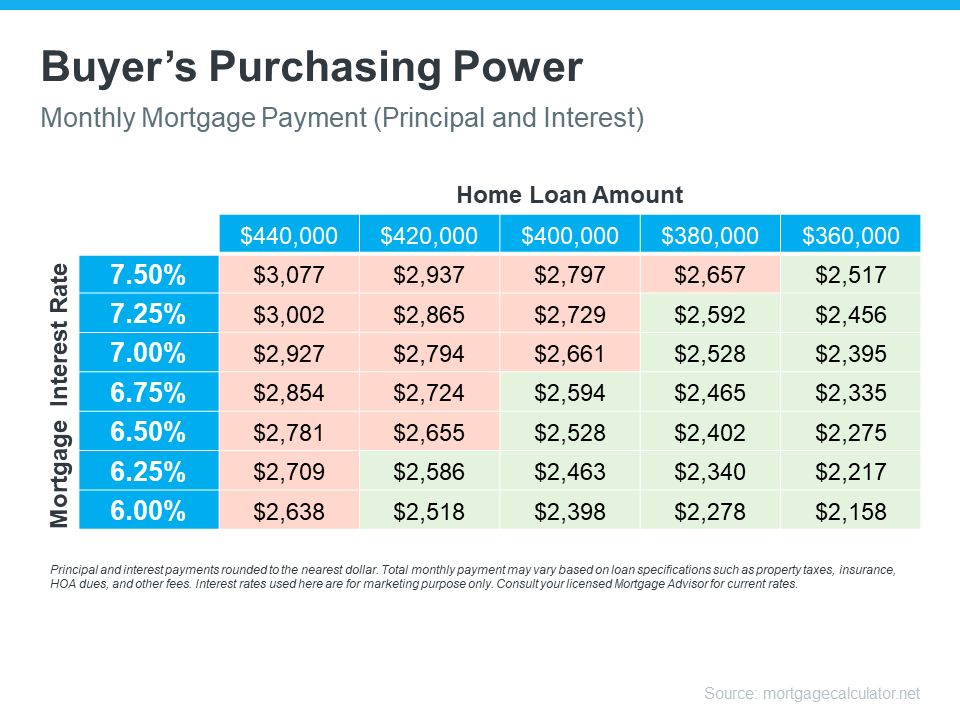
The current interest rate environment should dictate your broader financial strategy. When rates are high, the math of homeownership changes, requiring a more calculated approach to debt management and investment.
The Cost of Waiting vs. Buying Now
Many prospective buyers attempt to “time the market,” waiting for rates to drop before purchasing. However, this strategy can backfire. If interest rates drop, the sudden increase in buyer demand often drives home prices higher, potentially neutralizing the savings from a lower rate. From a personal finance perspective, it is often said that you “marry the house and date the rate.” This means buying the property you need when you are financially ready and refinancing the mortgage later if rates improve.
Refinancing Opportunities and Strategies
For those who purchased a home when rates were at their peak, refinancing is a critical financial tool. A “rate-and-term” refinance allows you to replace your current loan with a new one at a lower interest rate, reducing your monthly overhead. Financial experts generally suggest that if you can lower your rate by at least 0.75% to 1%, and you plan to stay in the home long enough to recoup the closing costs, a refinance is a sound move for your long-term wealth.
Impact on Monthly Cash Flow and Investment Potential
High interest rates increase the “opportunity cost” of capital. Every extra dollar spent on interest is a dollar that isn’t being invested in the stock market or a retirement account. When rates are high, homeowners might prioritize paying down their mortgage early to achieve a guaranteed “return” equal to their interest rate. When rates are low, it often makes more sense to keep the low-interest debt and invest surplus cash into higher-yielding assets.
Navigating Different Loan Products in Today’s Market
Not all mortgages are created equal. Depending on your financial profile, you may qualify for specific programs that offer rates different from the standard conventional loan.
Conventional Loans vs. Government-Backed Options
Conventional loans, which follow guidelines set by Fannie Mae and Freddie Mac, are the standard for borrowers with good credit. However, government-backed loans like FHA (Federal Housing Administration) or VA (Department of Veterans Affairs) loans can offer competitive rates for those with lower credit scores or military service. VA loans, in particular, often feature some of the lowest interest rates on the market with no down payment requirement, representing a significant financial benefit for veterans.
Jumbo Loans for High-Value Properties
In high-cost real estate markets, borrowers may need a “Jumbo” loan—a mortgage that exceeds the conforming loan limits set by the FHFA. Historically, Jumbo loans carried higher interest rates because they could not be sold to Fannie or Freddie. However, in certain market conditions, Jumbo rates can actually be lower than conventional rates as banks compete for the business of high-net-worth individuals.
The Resurgence of Adjustable-Rate Mortgages (ARMs)
In a high-rate environment, ARMs often see a resurgence in popularity. By offering a lower initial rate, they allow buyers to qualify for a larger loan or maintain a lower monthly payment in the short term. For a professional who expects their income to rise significantly or a family that knows they will relocate in five years, an ARM can be a sophisticated tool to minimize interest expenses during their period of ownership.
Strategies to Secure the Best Possible Rate
Securing a favorable mortgage rate is not a passive process; it requires active financial management and negotiation.
Shopping Around and Comparing Loan Estimates
One of the biggest mistakes borrowers make is only talking to their primary bank. Research shows that getting quotes from at least three different lenders—such as a big bank, a credit union, and an independent mortgage broker—can save a borrower thousands of dollars. Each lender has different overhead costs and risk tolerances, which results in varying “par” rates and fee structures.
Buying Down the Rate with Mortgage Points
If you have extra cash at closing, you can “buy down” your interest rate using discount points. One point typically costs 1% of the loan amount and reduces your interest rate by a specific increment (usually 0.25%). This is essentially pre-paying interest. To determine if this is a good move, you must calculate the “break-even point”—how many months of lower payments it will take to recover the upfront cost of the points.
Locking in Your Rate
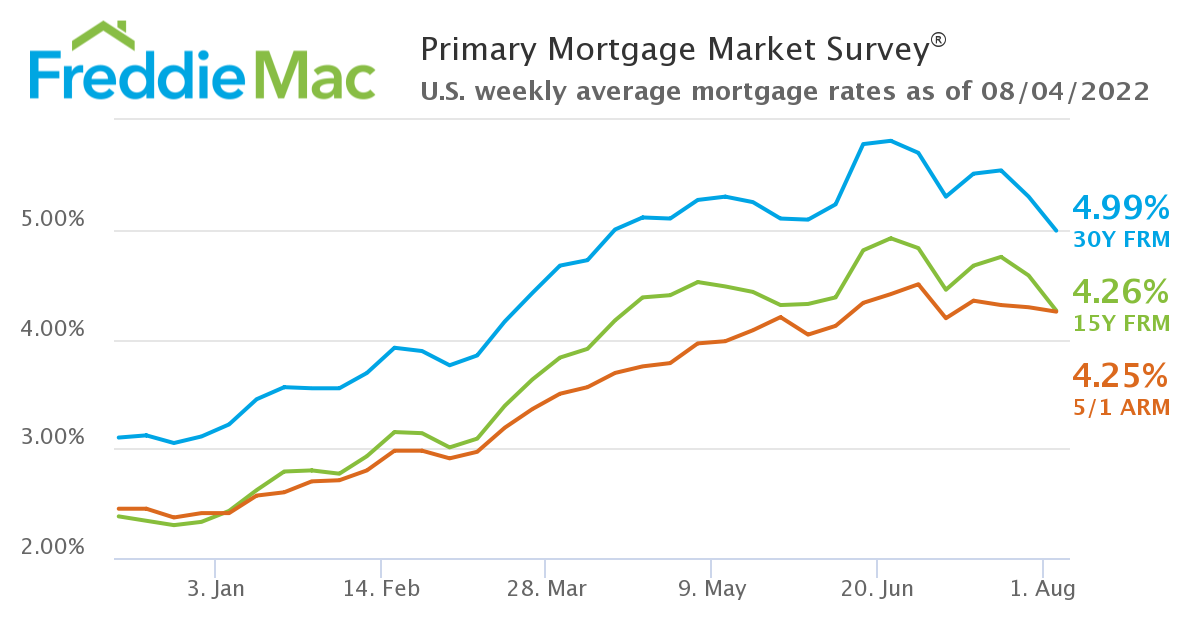
Mortgage rates fluctuate daily, sometimes multiple times a day. Once you find a rate you are comfortable with, it is vital to “lock it in.” A rate lock guarantees that your interest rate won’t change between the time you apply for the loan and the time you close, provided you close within a specified window (typically 30 to 60 days). In a volatile market, a rate lock provides the certainty needed to finalize your financial planning with confidence.
aViewFromTheCave is a participant in the Amazon Services LLC Associates Program, an affiliate advertising program designed to provide a means for sites to earn advertising fees by advertising and linking to Amazon.com. Amazon, the Amazon logo, AmazonSupply, and the AmazonSupply logo are trademarks of Amazon.com, Inc. or its affiliates. As an Amazon Associate we earn affiliate commissions from qualifying purchases.