
For most individuals, purchasing a home represents the single largest financial transaction they will ever undertake. At the heart of this monumental decision lies the mortgage, and critically, the interest rate associated with it. Understanding “what is the going interest rate for mortgages” is not merely about quoting a number; it’s about grasping the complex interplay of economic forces, personal financial health, and lender strategies that determine this pivotal figure. The interest rate dictates not only your monthly payment but also the total cost of your home over decades, profoundly impacting your financial well-being. In a constantly evolving financial landscape, staying informed about current trends and the underlying mechanics of mortgage rates is indispensable for any prospective or current homeowner.
Decoding Today’s Mortgage Market: What Rates Are You Seeing?
The notion of a single “going interest rate” for mortgages is a convenient simplification rather than a precise reality. Mortgage rates are dynamic, influenced by a multitude of factors that cause them to fluctuate daily, sometimes even hourly. To understand what rates are “going” for, one must look at averages, ranges, and the specific context of a loan.
The Current Landscape: A Snapshot of Rates
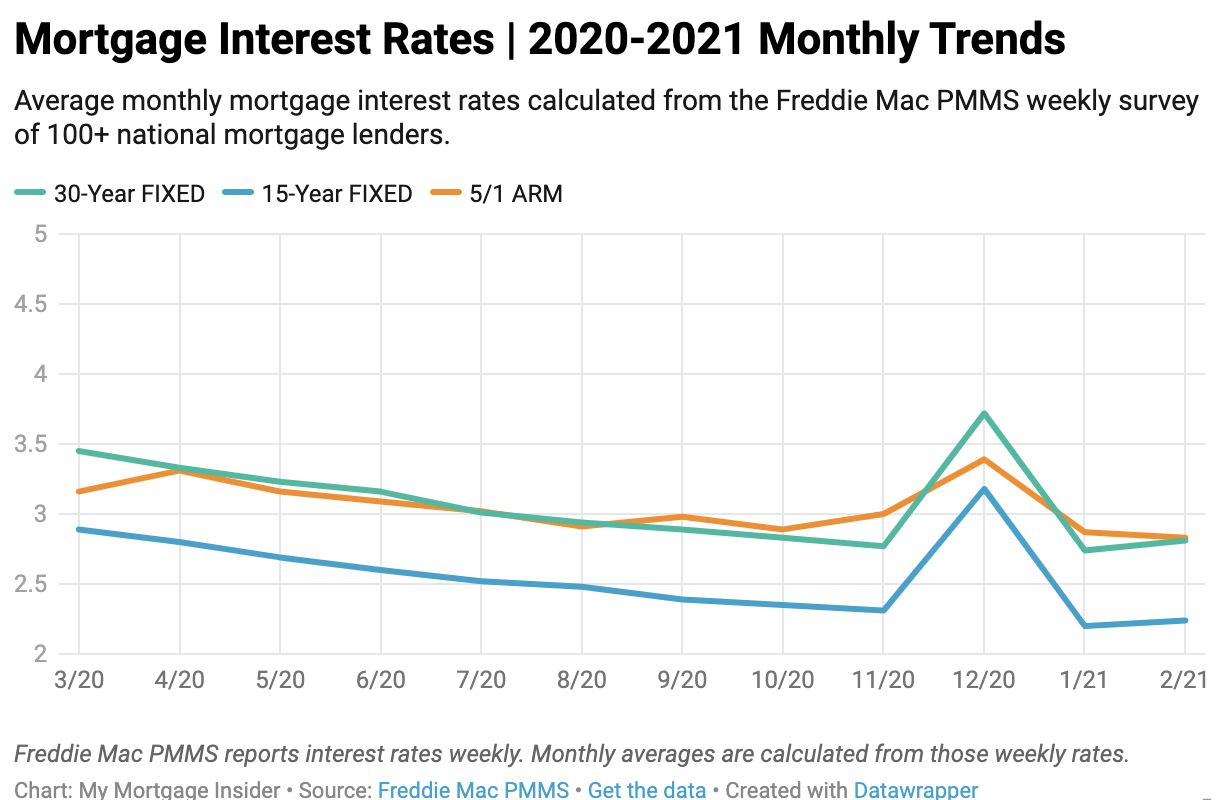
At any given moment, various financial news outlets, government agencies, and mortgage industry associations publish average mortgage rates. These averages typically differentiate between common loan types, such as 30-year fixed, 15-year fixed, and 5/1 adjustable-rate mortgages (ARMs). For instance, a 30-year fixed-rate mortgage might be quoted at 7.00% on a particular day, while a 15-year fixed could be 6.30%, and a 5/1 ARM might be 6.00%. It’s crucial to remember these are national averages for well-qualified borrowers. Your specific rate will depend on numerous personalized factors. Furthermore, these published rates often reflect the “note rate” without necessarily accounting for closing costs or discount points, which can effectively increase the annual percentage rate (APR). Therefore, when comparing rates, always focus on the APR, which provides a more accurate representation of the total cost of borrowing.
Why Rates Fluctuate: A Dynamic Environment
Mortgage rates are a barometer of the broader economic climate. They do not operate in a vacuum but are highly sensitive to a range of macroeconomic indicators and policy decisions. Understanding these drivers is key to anticipating future movements and making informed decisions. For example, a significant determinant is the yield on U.S. Treasury bonds, particularly the 10-year Treasury note. Mortgage lenders often use these bond yields as a benchmark for pricing their fixed-rate loans. When bond yields rise, mortgage rates tend to follow suit, and vice-versa. Inflation expectations also play a critical role; if the market anticipates higher inflation, lenders will demand higher interest rates to compensate for the eroding purchasing power of future repayment dollars. Lastly, the monetary policy of the Federal Reserve, particularly its federal funds rate target, exerts a strong, albeit indirect, influence. While the federal funds rate directly impacts short-term borrowing costs, its movements signal the Fed’s stance on inflation and economic growth, which cascades into longer-term rates like mortgages.
Key Factors That Drive Mortgage Interest Rates
While broader economic trends set the stage for overall rate environments, several specific factors—both market-driven and borrower-specific—ultimately determine the rate an individual borrower receives. Navigating these influences is essential for securing the most favorable terms.
Economic Indicators: Inflation, Fed Policy, and Bond Yields
As mentioned, the triumvirate of inflation, Federal Reserve policy, and bond yields forms the bedrock of mortgage rate determination. Inflationary pressures reduce the real return on loans, prompting lenders to increase rates. The Federal Reserve’s actions, whether tightening (raising rates) or easing (lowering rates) monetary policy, directly impact the cost of money for banks and, by extension, the rates they offer consumers. Lastly, the bond market, particularly the trading of mortgage-backed securities (MBS), provides the capital for mortgage loans. When demand for MBS is high, their yields fall, leading to lower mortgage rates. Conversely, a flight from MBS or a general increase in Treasury yields pushes mortgage rates higher.
Lender-Specific Considerations: Margins and Risk Assessment
Each lender operates with its own business model, overhead costs, and desired profit margins. This means that even with identical economic conditions, different lenders will offer slightly different rates. Lenders also have varying appetites for risk. They assess the likelihood of a borrower defaulting on their loan, and this risk assessment is baked into the interest rate offered. A borrower perceived as higher risk will typically be offered a higher rate to compensate the lender for the increased potential for loss. This assessment is comprehensive, encompassing the loan-to-value (LTV) ratio (how much equity you have), the type of property, and the loan amount relative to conforming loan limits.
Borrower-Specific Factors: Credit Score, Down Payment, and Debt-to-Income Ratio
Perhaps the most significant factors within a borrower’s control are their creditworthiness and financial stability. A strong credit score (generally FICO scores above 740-760) signals to lenders that you have a history of responsible borrowing and repayment, qualifying you for the best available rates. Conversely, a lower credit score will result in a higher interest rate to offset the perceived risk. The size of your down payment also plays a crucial role. A larger down payment (e.g., 20% or more) reduces the loan-to-value (LTV) ratio, making the loan less risky for the lender and often resulting in a lower interest rate. It may also eliminate the need for private mortgage insurance (PMI). Finally, your debt-to-income (DTI) ratio, which compares your total monthly debt payments to your gross monthly income, is a key indicator of your ability to manage additional debt. A lower DTI (typically below 43%) demonstrates greater financial capacity and can help you secure better mortgage terms.
Fixed-Rate vs. Adjustable-Rate Mortgages: Choosing Your Path
When considering mortgage options, one of the most fundamental choices you’ll face is between a fixed-rate mortgage (FRM) and an adjustable-rate mortgage (ARM). Each comes with its own set of advantages and risks, making the “best” choice highly dependent on your personal financial situation, risk tolerance, and long-term housing plans.
Fixed-Rate Mortgages (FRM): Stability in a Volatile Market
A fixed-rate mortgage is characterized by an interest rate that remains constant for the entire duration of the loan, typically 15 or 30 years. This predictability is its primary appeal. Your principal and interest payments will never change, providing stability and making budgeting straightforward. This consistency is particularly valuable in periods of rising interest rates, as your rate remains locked in, protecting you from increased monthly costs. However, the trade-off for this stability is often a slightly higher initial interest rate compared to an ARM, especially when overall market rates are low. FRMs are ideal for borrowers who plan to stay in their homes for a long time, prioritize budget predictability, or anticipate future rate increases.
Adjustable-Rate Mortgages (ARM): Flexibility with Potential Risks

Adjustable-rate mortgages, as their name suggests, feature an interest rate that can change periodically after an initial fixed period. Common ARM structures include 5/1, 7/1, or 10/1 ARMs, where the first number indicates the number of years the initial rate is fixed, and the second number indicates how frequently the rate adjusts thereafter (e.g., annually). ARMs typically start with a lower interest rate than comparable fixed-rate mortgages, making them attractive for borrowers seeking lower initial monthly payments. However, after the fixed period, the rate adjusts based on a specified index (like the Secured Overnight Financing Rate – SOFR) plus a lender’s margin. This means your payments could increase significantly if market rates rise, or they could decrease if rates fall. ARMs are often suitable for borrowers who plan to sell or refinance before the fixed period ends, those who anticipate a significant increase in income, or those comfortable with interest rate risk and believe rates will decline or remain stable.
When to Choose Which: Matching Your Financial Goals
The decision between an FRM and an ARM should be a thoughtful one, aligning with your financial strategy and lifestyle. Opt for a fixed-rate mortgage if: you plan to stay in your home for many years, you value payment predictability above all else, or you believe interest rates are likely to rise in the future. Consider an adjustable-rate mortgage if: you expect to move or refinance within the initial fixed-rate period, you’re comfortable with a degree of interest rate risk, you want the lowest possible initial payment to manage cash flow, or you anticipate your income will significantly increase, making potential future payment hikes manageable. Always thoroughly understand the caps (limits on how much the rate can adjust) on an ARM to mitigate extreme payment shock.
Strategies for Securing a Competitive Mortgage Rate
While some aspects of mortgage rates are beyond your control, there are proactive steps you can take to position yourself for the most competitive offers. A well-prepared borrower is a powerful borrower.
Improving Your Financial Profile: Credit and Debt Management
The foundation of securing a low mortgage rate lies in your financial health. Start by diligently monitoring and improving your credit score. Pay all bills on time, keep credit card balances low (ideally below 30% of your credit limit), and avoid opening new credit accounts just before applying for a mortgage. Rectify any errors on your credit report promptly. Simultaneously, focus on reducing your debt-to-income (DTI) ratio. This means paying down existing debts, especially high-interest consumer debt, and avoiding taking on new loans. A lower DTI indicates that a larger portion of your income is available for housing expenses, making you a less risky borrower.
Shopping Around: The Power of Multiple Lenders
One of the most effective strategies is to shop around and compare offers from multiple lenders. Don’t simply accept the first quote you receive. Different banks, credit unions, mortgage brokers, and online lenders will have varying rates, fees, and loan programs. Apply to at least three to five lenders within a short window (typically 14-45 days, depending on the credit scoring model) to ensure your credit pulls are grouped as a single inquiry, minimizing impact on your score. A mortgage broker can be particularly helpful, as they work with multiple lenders and can often find competitive rates without you having to apply to each individually.
Understanding Points and Fees: Buying Down Your Rate
Lenders often offer the option to “buy down” your interest rate by paying “discount points” at closing. One point typically costs 1% of the loan amount and can reduce your interest rate by a fraction of a percent. While paying points increases your upfront closing costs, it can significantly lower your monthly payments and the total interest paid over the life of the loan. This strategy is most beneficial for borrowers who plan to stay in their home for a long time, as it allows them to recoup the cost of the points through lower monthly payments. Conversely, if you plan to move or refinance relatively soon, paying points might not be cost-effective. Carefully calculate the break-even point to determine if buying down the rate makes financial sense for your situation.
Locking In Your Rate: Timing and Protection
Once you receive a favorable rate offer, your lender will typically allow you to “lock in” that rate for a specific period, usually 30 to 60 days, while your loan is processed. A rate lock protects you from market fluctuations during this period. If rates rise, your locked rate remains, but if they fall, you generally cannot switch to the lower rate without a renegotiation (which may involve a fee or extending the lock). Timing your rate lock is crucial. If you anticipate rates might drop further, you could delay locking, but this carries the risk of rates increasing. Work closely with your loan officer to understand the current market outlook and the best time to secure your rate, especially as your closing date approaches.
The Long-Term Impact: How Rates Affect Your Wallet
While the monthly payment is the most immediate concern for homebuyers, the true financial weight of a mortgage interest rate is fully understood when viewed through the lens of long-term costs. Even seemingly small differences in rates can translate into tens or even hundreds of thousands of dollars over the life of a loan.
Monthly Payment Implications: Small Changes, Big Differences
Consider a $300,000, 30-year fixed-rate mortgage.
At a 6.5% interest rate, the principal and interest payment would be approximately $1,896 per month.
If the rate were just half a percentage point higher, at 7.0%, the payment would jump to approximately $1,996 per month. That’s a $100 difference each month, or $1,200 per year. Over the 30-year life of the loan, this seemingly minor half-percent increase adds $36,000 to your total payments. This illustrates how even small rate variations can significantly impact your monthly budget and overall affordability.
Total Cost of Ownership: Interest Over the Life of the Loan
The cumulative effect of interest rates over a 15-year or 30-year term is staggering. Using the same $300,000 loan example:
At 6.5%, the total interest paid over 30 years would be approximately $382,560, making the total cost of the home $682,560.
At 7.0%, the total interest paid climbs to approximately $418,560, with the total cost of the home rising to $718,560.
This example highlights that the actual cost of borrowing for a mortgage often far exceeds the principal amount. A lower interest rate drastically reduces the total amount of money you pay to the bank, freeing up capital for other financial goals or investments. Conversely, a higher rate locks you into a significantly larger financial commitment, impacting your long-term wealth accumulation.

Refinancing Opportunities: Adapting to Market Shifts
Understanding the impact of interest rates isn’t just for new homebuyers; it’s also crucial for existing homeowners. If interest rates drop significantly after you’ve taken out your mortgage, refinancing might be a viable strategy to lower your monthly payments, reduce the total interest paid, or even shorten the loan term. Refinancing involves taking out a new mortgage to pay off your old one, ideally at a more favorable interest rate. However, refinancing comes with its own set of closing costs, so it’s essential to perform a break-even analysis to determine if the savings generated by the lower rate will outweigh the costs of the new loan. Staying informed about the going interest rates allows you to seize these opportunities and optimize your mortgage, adapting to changes in the market and your personal financial situation.
In conclusion, the “going interest rate for mortgages” is not a static figure but a complex, multifaceted concept influenced by global economics, national monetary policy, lender policies, and individual borrower characteristics. Empowering yourself with this knowledge, coupled with proactive financial planning and diligent shopping, is paramount to navigating the mortgage market effectively. Whether you’re a first-time homebuyer or an existing homeowner, understanding these dynamics ensures that your mortgage—a cornerstone of your financial life—is working optimally for you.
aViewFromTheCave is a participant in the Amazon Services LLC Associates Program, an affiliate advertising program designed to provide a means for sites to earn advertising fees by advertising and linking to Amazon.com. Amazon, the Amazon logo, AmazonSupply, and the AmazonSupply logo are trademarks of Amazon.com, Inc. or its affiliates. As an Amazon Associate we earn affiliate commissions from qualifying purchases.