
Navigating the landscape of car loans can often feel like deciphering a complex financial code. For many, a car represents not just transportation, but freedom and necessity, making the financing decision a pivotal one. Among the myriad factors to consider, the interest rate stands out as a critical determinant of the total cost of your vehicle. It’s the percentage charged by a lender for the money you borrow, directly impacting your monthly payments and the overall financial burden over the loan’s lifetime. Understanding “what is the going interest rate” means grasping the current market conditions, recognizing the variables that influence these rates, and equipping yourself with the knowledge to secure the most favorable terms possible. This article aims to demystify car loan interest rates, offering a comprehensive guide to help you navigate the process confidently and intelligently, ensuring you make a financially sound decision for your next vehicle purchase.
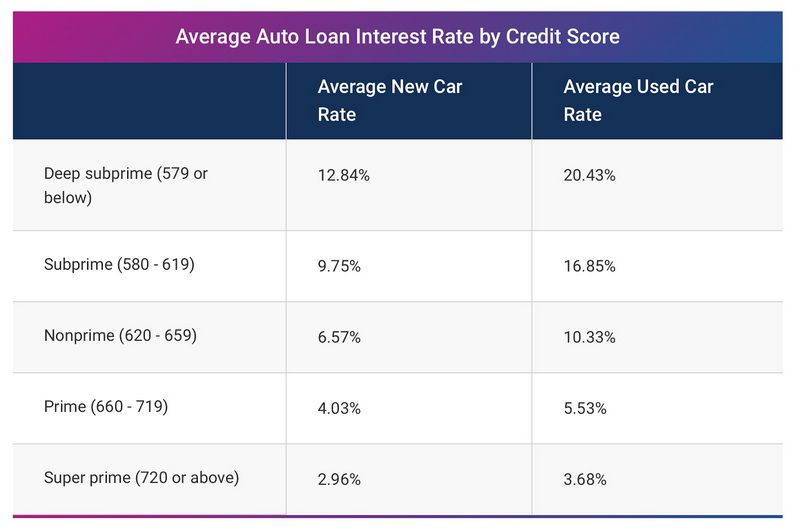
Factors Influencing Car Loan Interest Rates
The interest rate you qualify for isn’t plucked from thin air; it’s a carefully calculated figure based on a confluence of factors unique to you, the vehicle, the lender, and the broader economic environment. Dissecting these elements is crucial for understanding why one borrower might secure a significantly lower rate than another.
Your Credit Score and History
At the pinnacle of influencing factors is your credit score. Lenders use this three-digit number, along with your comprehensive credit history, as a primary indicator of your creditworthiness and your likelihood to repay the loan on time. A higher credit score (generally 700+) signals lower risk to lenders, often translating into more competitive interest rates. Conversely, a lower score suggests higher risk, leading to higher interest rates to compensate the lender. Your credit history, which details past borrowing and repayment behaviors, including bankruptcies, delinquencies, and late payments, further refines this assessment.
Loan Term Length
The duration of your loan, often expressed in months (e.g., 36, 60, 72, 84 months), also plays a significant role. Generally, shorter loan terms come with lower interest rates because the lender’s money is at risk for a shorter period. While a longer term might offer lower monthly payments, it typically results in a higher overall interest rate and, consequently, a greater total amount paid over the life of the loan. This extended period increases the lender’s exposure to potential defaults and market fluctuations.
Down Payment Amount
The size of your down payment directly impacts the amount you need to borrow. A substantial down payment reduces the loan-to-value (LTV) ratio, meaning the lender is financing a smaller percentage of the car’s total value. This reduces the lender’s risk, as you have more equity in the vehicle from the outset. As a result, lenders are often willing to offer lower interest rates to borrowers who put down a significant portion of the car’s purchase price.
Vehicle Type (New vs. Used) and Age
The type and age of the vehicle you intend to purchase also affect the interest rate. New car loans generally carry lower interest rates than used car loans. This is partly because new cars are typically more reliable and hold their value better initially, presenting less risk to the lender. Used cars, particularly older models, can be seen as higher risk due to potential maintenance issues and faster depreciation, leading to higher interest rates.
Lender Type (Banks, Credit Unions, Dealerships)
Different lenders have varying risk appetites and business models, which impact the rates they offer. Traditional banks, credit unions, and online lenders typically offer some of the most competitive rates, especially to well-qualified borrowers. Dealership financing, while convenient, sometimes includes higher rates, though they may also offer promotional low-APR deals (often for new cars and top-tier credit). Credit unions, being non-profit organizations, are often lauded for their competitive rates and personalized service.
Prevailing Economic Conditions
Beyond individual factors, the broader economic climate, particularly the Federal Reserve’s monetary policy, significantly influences interest rates across all loan types, including car loans. When the Federal Reserve raises its benchmark interest rate, it becomes more expensive for banks to borrow money, a cost they often pass on to consumers in the form of higher loan rates. Conversely, a lowering of the benchmark rate can lead to more favorable borrowing conditions. Market competition and inflation rates also contribute to the dynamic nature of interest rates.
Current Market Overview: What to Expect
Understanding the factors that shape interest rates is one thing; knowing what the “going rate” actually looks like in the current market is another. The car loan market is fluid, constantly reacting to economic shifts, lender policies, and consumer demand.
Average Rates for New Car Loans
As of late 2023 and early 2024, the average interest rates for new car loans have been influenced by a period of rising benchmark rates. For borrowers with excellent credit (FICO score 750+), rates can range from 4.5% to 6.5% APR for a standard 60-month loan. Those with good credit (660-749) might see rates between 6.0% and 9.0% APR. These figures are averages and can vary based on the specific lender, loan term, and manufacturer incentives. It’s important to remember that these are national averages; local market conditions and individual lender policies will always introduce variations.
Average Rates for Used Car Loans
Used car loan rates are typically higher than new car loan rates, reflecting the increased risk associated with older vehicles. For borrowers with excellent credit, rates might hover around 6.5% to 9.0% APR for a 60-month term. Those with good credit could expect rates ranging from 9.0% to 12.5% APR or even higher, depending on the age and mileage of the used vehicle. The older the car, the higher the perceived risk and, consequently, the higher the potential interest rate. The significant spread between new and used car rates underscores the importance of evaluating the total cost when deciding between a new and pre-owned vehicle.
Impact of Credit Tiers
The range of interest rates across different credit tiers is substantial and directly illustrates the premium lenders place on creditworthiness.
- Excellent Credit (750+ FICO): These borrowers consistently receive the lowest rates, often benefiting from the “best rates available” advertised by lenders. Their low-risk profile makes them highly desirable customers.
- Good Credit (660-749 FICO): This is where most consumers fall. While not the absolute lowest, rates are still competitive, though significantly higher than those for excellent credit.
- Fair Credit (600-659 FICO): Borrowers in this tier will likely face considerably higher rates, often in the double digits, reflecting a higher perceived risk. Lenders may also require larger down payments or offer shorter terms.
- Poor Credit (Below 600 FICO): Securing a car loan with poor credit is challenging and typically comes with very high interest rates (potentially 15-25% APR or more), making the car significantly more expensive over the loan term. Subprime lenders often specialize in this tier.
Why Rates Fluctuate
Car loan interest rates are not static. They are dynamic and influenced by a multitude of factors, primarily the Federal Reserve’s target interest rate. When the Fed raises rates to combat inflation, borrowing costs for banks increase, which is then passed on to consumers. Economic growth, unemployment rates, and inflation expectations also play a role. A strong economy with high demand for credit can push rates up, while economic slowdowns might lead to lower rates to stimulate spending. Staying informed about broader economic trends can provide context for current and future rate expectations.
Strategies to Secure a Better Rate
While market conditions and your credit tier set a general baseline, there are proactive steps you can take to significantly improve your chances of securing a more favorable interest rate. Diligence and preparation are your greatest allies in this process.
Boost Your Credit Score

Before you even start shopping for a car, focus on optimizing your credit score. Pay down existing debts, especially credit card balances, to reduce your credit utilization. Make all payments on time and dispute any errors on your credit report. Even a small improvement in your score can move you into a better credit tier, unlocking lower interest rates and saving you hundreds, if not thousands, over the life of the loan.
Save for a Larger Down Payment
A larger down payment reduces the amount you need to finance, thereby lowering the lender’s risk. This often translates directly into a lower interest rate. Aim for at least 10% for a used car and 20% for a new car, if feasible. Beyond the rate, a larger down payment also reduces your monthly payments and helps prevent you from being “upside down” on your loan (owing more than the car is worth) early in the loan term.
Shop Around and Compare Offers
Never take the first loan offer you receive, especially from a dealership. Apply with multiple lenders—banks, credit unions, and online lenders—to compare their rates and terms. Many lenders offer pre-qualification that allows you to see potential rates without a hard inquiry impacting your credit score. You can often complete several applications within a short window (typically 14-45 days) without multiple hard inquiries negatively affecting your score. This “rate shopping” strategy is one of the most effective ways to find the lowest rate.
Consider a Shorter Loan Term (If Affordable)
While a longer loan term offers lower monthly payments, it almost always comes with a higher interest rate and a greater total cost. If your budget allows, opt for the shortest loan term you can comfortably afford. Not only will you pay less interest, but you’ll also build equity in your car faster and be debt-free sooner.
Get Pre-Approved
Securing pre-approval for a car loan from a bank or credit union before you visit the dealership gives you significant leverage. You’ll know exactly what rate you qualify for and can walk into the dealership with a clear budget and a firm offer in hand. This shifts the focus from negotiating financing to negotiating the car’s price, and you can use the pre-approval as a benchmark to see if the dealership can beat it.
Negotiate Beyond the Sticker Price
While directly negotiating the interest rate itself might be limited by your credit and market conditions, you can negotiate other aspects of the deal that indirectly affect your loan. A lower purchase price means you borrow less money, reducing your overall interest cost. Be wary of add-ons and extended warranties that can significantly inflate the total loan amount, thereby increasing the interest you pay.
Understanding Loan Types and Terms
Beyond the specific rate, the structure and terms of your car loan have a profound impact on its true cost and your financial obligations. A clear understanding of these elements is vital for making an informed decision.
Fixed vs. Variable Interest Rates
Car loans predominantly feature fixed interest rates. This means your interest rate, and consequently your monthly payment for principal and interest, remains constant throughout the entire loan term. This provides predictability and stability in your budget. While less common for car loans, variable interest rates would fluctuate based on an underlying benchmark rate (like the prime rate), meaning your payments could change over time. For the vast majority of car buyers, a fixed-rate loan is the standard and preferred option due to its certainty.
APR vs. Interest Rate
It’s crucial to understand the distinction between the interest rate and the Annual Percentage Rate (APR). The interest rate is simply the cost of borrowing the principal amount, expressed as a percentage. The APR, however, provides a more comprehensive measure of the total cost of borrowing, as it includes not only the interest rate but also certain fees and charges associated with the loan (e.g., origination fees, processing fees). This makes the APR a more accurate figure for comparing the true cost of loans from different lenders. Always compare APRs, not just interest rates, when shopping for a loan.
Common Loan Terms (36, 48, 60, 72, 84 months)
Car loan terms typically range from 36 months (3 years) to 84 months (7 years), with 60-month (5-year) and 72-month (6-year) loans being very popular.
- Shorter Terms (36-48 months): These generally have higher monthly payments but lower interest rates and result in less total interest paid over the loan’s life. You pay off the car faster.
- Mid-Range Terms (60-72 months): These strike a balance between manageable monthly payments and reasonable total interest. They are a common choice for many borrowers.
- Longer Terms (72-84 months): While offering the lowest monthly payments, these terms come with higher interest rates and significantly increase the total interest paid. They also prolong the period you might be upside down on your loan, as cars depreciate quickly. Stretching out a loan solely for lower monthly payments can be a costly mistake in the long run.
Calculating Your Car Loan Cost
While the interest rate is a critical component, truly understanding the financial impact of your car loan requires looking beyond just the monthly payment. It’s about grasping the total cost over time.
Principal and Interest Payments
Each monthly payment you make on a car loan is typically composed of two parts: principal and interest. The principal is the portion that reduces the actual amount you borrowed. The interest is the cost of borrowing that money. Early in the loan term, a larger percentage of your payment goes towards interest, while later in the term, more goes towards the principal. This is known as amortization.
Amortization Schedule Basics
An amortization schedule is a table detailing each loan payment, showing how much goes towards interest and how much towards principal, and the remaining loan balance after each payment. Understanding this schedule helps you visualize how slowly the principal might decrease in the initial years, especially with longer loan terms. Online car loan calculators can generate these schedules, allowing you to see the true cost breakdown for various interest rates and terms.
Understanding Total Interest Paid Over Time
The most revealing aspect of your car loan’s cost is the total interest paid over the entire life of the loan. Even a seemingly small difference in interest rate can translate into hundreds or thousands of dollars over several years. For instance, on a $30,000 loan:
- At 5% APR over 60 months, you’d pay approximately $3,950 in total interest.
- At 8% APR over 60 months, you’d pay approximately $6,400 in total interest.
- At 5% APR over 84 months, you’d pay approximately $5,600 in total interest.
- At 8% APR over 84 months, you’d pay approximately $9,300 in total interest.
These examples clearly illustrate the profound impact of both the interest rate and the loan term on the ultimate financial outlay for your vehicle. By focusing on the total interest paid, you gain a clearer picture of the true cost of financing your car and can make decisions that align with your long-term financial goals.

Conclusion
Understanding “what is the going interest rate for car loans” is far more than just knowing a single number; it’s about comprehending a dynamic financial ecosystem. Your creditworthiness, the loan terms you choose, the vehicle you select, the lender you partner with, and the broader economic climate all intertwine to determine the interest rate you ultimately pay. By being proactive in improving your financial profile, diligently shopping around for the best offers, and critically evaluating the total cost of borrowing (not just the monthly payment), you empower yourself to make a financially savvy decision. A lower interest rate means more money in your pocket over the life of the loan, freeing up resources for other financial goals. Approach your next car purchase not just as a vehicle acquisition, but as a significant financial transaction deserving of your informed attention and strategic planning.
aViewFromTheCave is a participant in the Amazon Services LLC Associates Program, an affiliate advertising program designed to provide a means for sites to earn advertising fees by advertising and linking to Amazon.com. Amazon, the Amazon logo, AmazonSupply, and the AmazonSupply logo are trademarks of Amazon.com, Inc. or its affiliates. As an Amazon Associate we earn affiliate commissions from qualifying purchases.