
The question “what is the generic tylenol?” might seem simple on the surface, a straightforward query about a pharmaceutical product. However, beneath this seemingly innocuous question lies a rich tapestry of brand strategy, corporate identity, marketing dynamics, and consumer perception within the highly regulated and competitive pharmaceutical industry. It encapsulates the fundamental distinction between a widely recognized brand name and its underlying generic equivalent, a dynamic that profoundly shapes market landscapes and consumer choices worldwide. To truly answer this question, we must delve into the intricate relationship between innovation, branding, regulation, and accessibility that defines the pharmaceutical sector.

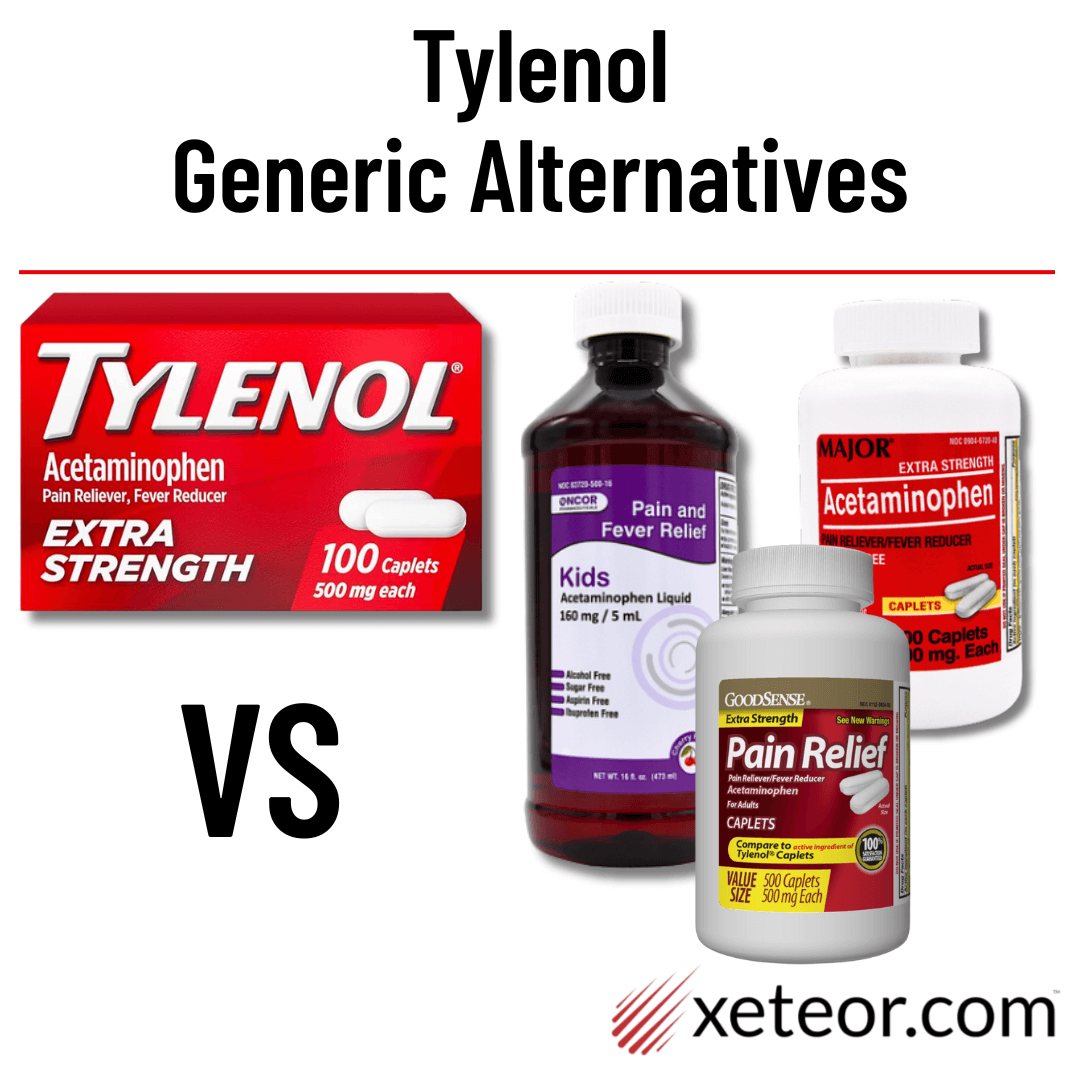
At its core, “the generic Tylenol” refers to any pharmaceutical product containing acetaminophen (paracetamol outside North America) as its active ingredient, sold under a non-proprietary name or a different brand name, and manufactured by a company other than the original patent holder, Johnson & Johnson (through its McNeil Consumer Healthcare division). While Tylenol is a powerful brand that has become almost synonymous with pain relief and fever reduction, its generic counterparts offer the same active ingredient, efficacy, and safety profile, often at a significantly lower cost. This distinction isn’t just about price; it’s a profound narrative about brand building, intellectual property, market competition, and the evolving landscape of healthcare access.
Deconstructing the Query: Brand Names vs. Generic Names
Understanding “the generic Tylenol” begins with grasping the foundational concepts of brand names (or proprietary names) and generic names (or non-proprietary names) in pharmacology. Every drug has a specific chemical name, which is often complex, and a more manageable generic name. Once a drug is approved, the developing company typically assigns it a brand name for marketing purposes.
The Chemical Identity: Acetaminophen
The active ingredient in Tylenol is acetaminophen. This is its official generic name. Chemically, it’s N-(4-hydroxyphenyl)ethanamide or paracetamol (used internationally). This chemical compound is responsible for the drug’s analgesic (pain-relieving) and antipyretic (fever-reducing) properties. Regardless of whether it’s called Tylenol, Panadol (another brand name for acetaminophen in many countries), or simply “acetaminophen,” the active molecule performing the therapeutic action remains identical. The journey from a newly synthesized chemical compound to a globally recognized brand like Tylenol is a testament to rigorous research, regulatory approval, and strategic marketing.
The Evolution of a Brand: From Molecule to Market Leader
Tylenol was first marketed in 1955, initially as a prescription drug for children, before becoming available over-the-counter in 1960. The name “Tylenol” itself is derived from the chemical name N-acetyl-para-aminophenol. Its success was not accidental; it was the result of consistent quality, effective marketing, and strategic positioning. The brand emphasized its safety profile, particularly its non-aspirin nature, which was a significant advantage at a time when aspirin was the dominant OTC pain reliever. Over decades, Tylenol built a formidable brand identity, associating itself with trust, relief, and family well-being. This brand equity was cultivated through consistent messaging, distinctive packaging, and a strong presence in pharmacies and retail outlets. The emotional connection consumers developed with Tylenol went far beyond the chemical compound; it was about the promise of relief and the reliability of a trusted name.
Patent Protection and Expiry: Paving the Way for Generics
A crucial aspect of brand versus generic dynamics lies in patent law. When a pharmaceutical company develops a new drug, it is granted a patent, which provides exclusive rights to manufacture and sell that drug for a specific period (typically 20 years from the patent filing date). This exclusivity allows the company to recoup its substantial research and development (R&D) investments. During this period, Tylenol, as a patented drug, faced no direct generic competition.
However, once the patent expires, other pharmaceutical manufacturers are permitted to produce and market their own versions of the drug, using the same active ingredient. These are the “generic Tylenols.” This patent expiration is a pivotal moment in a drug’s lifecycle, transitioning from a monopoly to a competitive market. For brand strategists, understanding and planning for patent expiry is paramount, as it directly impacts market share, pricing power, and overall profitability. The brand’s challenge shifts from introducing a novel solution to maintaining relevance and market share against lower-priced, bioequivalent alternatives.
The Brand Premium: Why Tylenol Commands Recognition
Despite the availability of cheaper generics, brand-name drugs like Tylenol often retain a significant market share and command a price premium. This phenomenon is a powerful illustration of brand equity at play, built over years of strategic branding, marketing, and consistent performance.
Building Trust Through Consistent Quality and Marketing
The Tylenol brand isn’t just a label; it’s a promise. Consumers often perceive brand-name drugs as being of higher quality, more reliable, and safer, even when generic versions are chemically identical. This perception is meticulously cultivated through decades of marketing efforts, public relations, and a consistent commitment to manufacturing standards. Advertising campaigns often highlight the brand’s heritage, its clinical trials, and its trusted reputation. For a drug like Tylenol, which has been a staple in medicine cabinets for generations, this trust is inherited and reinforced by positive experiences from millions of users. The consistent visual identity, packaging, and messaging contribute significantly to this sustained brand loyalty, creating a sense of familiarity and safety that generics often struggle to replicate instantly.
The Role of Perception in Healthcare Choices
In healthcare, perception plays a powerful role. When faced with a choice between a familiar brand and a less-known generic, consumers, particularly in moments of illness or discomfort, often default to what they trust. This trust isn’t always rational, especially given the scientific equivalence of generics, but it is deeply ingrained. Factors such as perceived efficacy (even if identical), fear of the unknown, and the psychological comfort of choosing a well-established name contribute to this brand premium. Marketing strategies for branded drugs often tap into these emotional and psychological drivers, emphasizing peace of mind, fast relief, and the assurance of a product that has been “proven” over time. This emotional branding creates a significant barrier to entry for generic competitors, even with a price advantage.
Packaging, Design, and the Visual Identity
The visual identity of Tylenol – its distinctive red and white packaging, the font, and the overall design – is instantly recognizable. This visual branding is a critical component of its corporate identity. It’s not just about aesthetics; it’s about signaling reliability and familiarity on a crowded pharmacy shelf. Generic acetaminophen products, while often mirroring the branded packaging to indicate equivalence, lack the decades of associated visual equity. The Tylenol brand invests heavily in maintaining a consistent and appealing visual identity, understanding that these non-verbal cues contribute significantly to consumer recognition and trust. From shelf placement to advertising, the visual presence of Tylenol reinforces its premium status and distinguishes it from the myriad of generic options.
The Rise of Generics: Accessibility, Affordability, and Equivalence
The introduction of generic drugs into the market is a vital mechanism for improving healthcare accessibility and affordability. It’s a testament to the balance between incentivizing pharmaceutical innovation and ensuring that essential medicines are available to a wider population.

FDA Regulations and Bioequivalence Standards
For a generic drug to be approved in the United States by the Food and Drug Administration (FDA), it must meet rigorous bioequivalence standards. This means it must deliver the same amount of active ingredient into the bloodstream over the same period as the brand-name drug. Generic manufacturers must demonstrate that their product has the same active ingredient, strength, dosage form, and route of administration as the brand-name drug. They also undergo strict quality control measures to ensure purity, stability, and manufacturing consistency. These regulations are designed to assure consumers and healthcare providers that generic drugs are just as safe and effective as their brand-name counterparts. From a brand perspective, this regulatory framework means that the competition isn’t just cheaper; it’s scientifically validated as equivalent, posing a significant challenge to maintaining brand dominance post-patent.
The Business Model of Generic Drug Manufacturers
Generic drug manufacturers operate on a fundamentally different business model than innovator companies. They do not incur the immense R&D costs associated with discovering and developing new drugs. Instead, their focus is on efficiently producing bioequivalent versions of existing drugs once patents expire. This allows them to offer their products at significantly lower prices, often driving down the overall cost of medication. The business strategy for generic companies revolves around speed to market post-patent expiry, economies of scale in manufacturing, and effective distribution networks. While they don’t invest in the extensive brand building of innovator companies, they often adopt subtle branding or packaging strategies to build their own reputation for reliability and affordability within the generic space.
Communicating Value: Marketing Generic Alternatives
Marketing generics is a different beast from marketing a new, innovative drug. While branded drugs emphasize uniqueness, efficacy, and emotional benefits, generic marketing focuses on equivalence, affordability, and accessibility. Healthcare providers, pharmacists, and increasingly, consumers themselves, are educated about the benefits of generics. Campaigns might highlight cost savings, the identical active ingredient, and the rigorous regulatory approval process. While generics typically don’t engage in the same scale of direct-to-consumer advertising as branded drugs, their marketing is often targeted at prescribers, pharmacists (who frequently recommend generics), and managed care organizations who prioritize cost-effectiveness. The challenge for generic manufacturers is to build sufficient trust to overcome established brand loyalty without the benefit of a long history or massive marketing budgets.
Navigating the Market: Brand Strategy in a Post-Patent World
For established brands like Tylenol, patent expiry is not the end, but a significant pivot point requiring sophisticated brand strategies to sustain market presence and profitability against generic competition.
Extending Brand Lifecycles: Line Extensions and New Formulations
One common strategy for brands facing patent expiry is to extend their product lines or introduce new formulations. For Tylenol, this has included various strengths (e.g., Tylenol Extra Strength), different delivery methods (e.g., liquid gels, chewables), combination products (e.g., Tylenol Cold & Flu, Tylenol PM), and specialized formulations for specific demographics (e.g., Tylenol Children’s). These innovations, even if minor, allow the brand to offer new value propositions, target different consumer needs, and maintain a sense of innovation and freshness in the market. Each line extension becomes a sub-brand, leveraging the equity of the parent Tylenol brand while carving out new market niches. This strategy requires careful brand architecture and communication to ensure clarity and avoid diluting the core brand message.
Countering Generic Competition: Innovation and Brand Loyalty Programs
Beyond line extensions, brands employ various tactics to counter generic erosion. This can include aggressive marketing campaigns that re-emphasize the unique qualities or heritage of the brand, even if the active ingredient is now generic. Some brands invest in unique packaging, dosing mechanisms, or patient support programs to add perceived value. Loyalty programs, direct-to-consumer engagement, and leveraging the long-standing relationships with healthcare professionals are also key. For Tylenol, maintaining its reputation for safety and efficacy, especially in moments of public health concern (like product tampering incidents in the past), has been critical in reinforcing consumer trust and loyalty, which generics cannot easily replicate solely on price. The brand’s ability to navigate crises and emerge stronger is a testament to its robust corporate identity and effective crisis management, further cementing its position as a trusted household name.
The Ongoing Battle for Shelf Space and Consumer Mindshare
In a retail environment, the battle for shelf space and consumer attention is fierce. Branded drugs leverage their marketing budgets and established trade relationships to secure prime placement in pharmacies and supermarkets. This visibility is crucial in influencing impulse purchases and reinforcing brand recall. For consumers standing in an aisle, a familiar Tylenol box stands out amidst a sea of generic options. The investment in trade marketing, point-of-sale displays, and advertising continues long after patent expiry because the goal is not just to sell a product, but to defend and expand brand territory against increasingly sophisticated generic competition. This perpetual battle for consumer mindshare underscores the enduring value of brand strategy in a mature market.
The Future of Pharmaceutical Branding: Adaptation and Innovation
The pharmaceutical branding landscape is constantly evolving, driven by technological advancements, changing consumer expectations, and shifting regulatory environments. Brands like Tylenol must continually adapt their strategies to remain relevant and competitive.
Personalized Medicine and Niche Branding
The future of medicine is increasingly personalized, with treatments tailored to individual genetic profiles. While acetaminophen is a broad-spectrum pain reliever, the concept of personalized medicine could influence how even common OTC drugs are perceived or marketed. Brands might develop highly niche versions targeting specific demographics or genetic predispositions, creating new sub-brands with highly specialized identities. This would require brands to move beyond mass marketing to more targeted, data-driven engagement strategies, further refining their corporate identity to resonate with very specific consumer segments. The challenge for established brands will be to balance their broad appeal with the need for niche relevance.
Digital Marketing and Direct-to-Consumer Engagement
The rise of digital platforms has fundamentally transformed how pharmaceutical brands engage with consumers. Websites, social media, health apps, and online forums provide new avenues for information dissemination, brand building, and direct consumer interaction. Brands can now educate consumers directly about their products, address concerns, and build communities around health and wellness. For a brand like Tylenol, digital marketing offers opportunities to reinforce its trusted image, share health tips, and connect with younger generations who rely heavily on online sources for health information. This shift necessitates a flexible brand strategy that can adapt to rapid technological changes and evolving digital communication norms while maintaining regulatory compliance.
Maintaining Ethical Branding in a Competitive Landscape
In the healthcare industry, ethical considerations are paramount. Pharmaceutical brands must navigate a delicate balance between marketing their products effectively and upholding public trust. This means ensuring transparent communication, responsible advertising, and avoiding misleading claims. For brands like Tylenol, maintaining a strong ethical foundation is crucial for long-term survival and continued consumer loyalty, especially when competing with generics that offer similar efficacy. The brand’s reputation for integrity, built over decades, is an invaluable asset that must be consistently protected and reinforced through all aspects of its branding and corporate conduct.
In conclusion, “the generic Tylenol” is acetaminophen, the same active ingredient found in the branded product. However, the journey from this simple answer unravels a complex and fascinating story of brand building, market dynamics, regulatory oversight, and consumer psychology. It highlights why strong brands like Tylenol continue to thrive even in the face of chemically identical, more affordable generic alternatives. The enduring power of such brands lies not just in the efficacy of their product, but in the trust, recognition, and emotional connection they painstakingly cultivate with consumers, making them far more than just a chemical compound in a box.
aViewFromTheCave is a participant in the Amazon Services LLC Associates Program, an affiliate advertising program designed to provide a means for sites to earn advertising fees by advertising and linking to Amazon.com. Amazon, the Amazon logo, AmazonSupply, and the AmazonSupply logo are trademarks of Amazon.com, Inc. or its affiliates. As an Amazon Associate we earn affiliate commissions from qualifying purchases.