
The pharmaceutical landscape underwent a seismic shift in late 2023 when the patent for Vyvanse (lisdexamfetamine dimesylate) expired, paving the way for the first wave of generic competitors. For years, Vyvanse held a dominant position in the ADHD (Attention Deficit Hyperactivity Disorder) and Binge Eating Disorder markets, generating billions in annual revenue for its manufacturer, Takeda Pharmaceuticals. For the consumer, however, this dominance came at a high price. The introduction of the generic of Vyvanse is not merely a medical milestone; it is a significant event in the realm of personal finance and market economics.
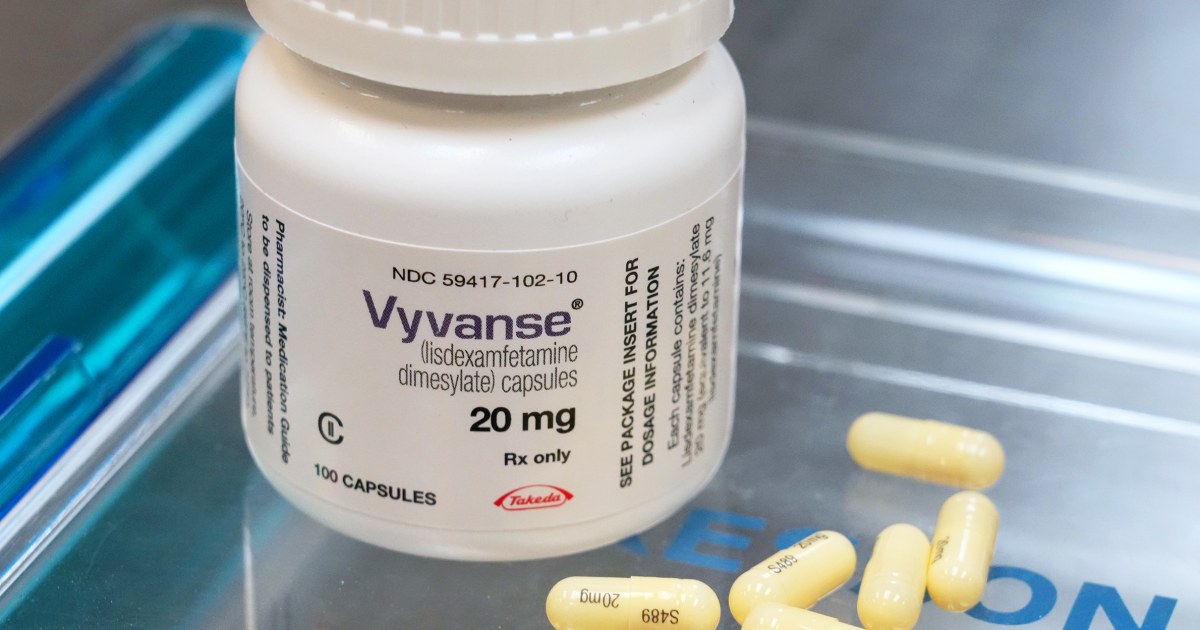
Understanding the transition from a high-cost brand-name drug to its generic counterpart requires an analysis of market dynamics, insurance structures, and personal financial planning. This article explores the economic implications of lisdexamfetamine, the generic of Vyvanse, and how it reshapes the financial strategies of families and healthcare systems alike.
Understanding the Economics of Lisdexamfetamine
The pharmaceutical industry is driven by the “patent cliff”—the moment a brand-name drug loses its market exclusivity. When Vyvanse was under patent, Takeda held a monopoly, allowing them to set premium pricing. With the arrival of the generic, lisdexamfetamine, the market moved from a monopoly to a competitive environment.
The Patent Expiration and Market Competition
In August 2023, the U.S. Food and Drug Administration (FDA) approved several generic versions of lisdexamfetamine capsules and chewable tablets. This opened the floodgates for manufacturers like Hikma, Sun Pharma, and Teva to enter the market. From a business finance perspective, this transition is a classic case of supply-side expansion. When multiple manufacturers produce the same molecular compound, they must compete on price and distribution efficiency to secure shelf space at major pharmacies.
For the economy, this competition drives down the “Average Wholesale Price” (AWP). While the brand-name medication often retailed for over $400 for a 30-day supply, the entry of nearly a dozen generic manufacturers creates a downward pressure on pricing that is expected to save the American healthcare system billions over the next decade.
How Generics Lower Personal Healthcare Costs
For the individual, the availability of a generic is the single most effective way to reduce monthly “burn rates” in a personal budget. Generic drugs are required by the FDA to be bioequivalent to the brand-name product, meaning they contain the same active ingredient and work in the same way.
From a financial tool perspective, choosing the generic of Vyvanse acts as an immediate cost-saving mechanism. For uninsured patients or those with high-deductible health plans (HDHPs), the price difference can be the equivalent of a monthly car payment. By switching to lisdexamfetamine, patients often see their out-of-pocket costs drop by 40% to 80% once the initial market volatility stabilizes.
Managing Your Personal Finance: Brand-Name vs. Generic Vyvanse
Navigating the financial shift from Vyvanse to its generic requires a sophisticated understanding of how insurance companies categorize medications. In the world of personal finance, this is known as managing your “healthcare portfolio.”
Insurance Formularies and Out-of-Pocket Expenses
Insurance companies maintain a “formulary,” which is a tiered list of drugs they cover. Typically, brand-name drugs with no generic equivalent are placed on Tier 3 or Tier 4, carrying the highest co-pays. When the generic of Vyvanse became available, most insurers moved the brand-name version to a “non-preferred” status and placed lisdexamfetamine on Tier 1 or Tier 2.
For many policyholders, this means that even if they prefer the brand name, their insurance may refuse to cover it unless a “prior authorization” or “step therapy” process is completed. From a financial planning standpoint, it is essential to review your summary of benefits annually. A failure to switch to the generic when the formulary changes can lead to “sticker shock” at the pharmacy counter, disrupting monthly cash flow.
The “Coupon Culture” and the End of Takeda’s Savings Cards
During the years of brand exclusivity, Takeda offered manufacturer savings cards that could bring the cost of Vyvanse down to as little as $30 for eligible patients. This was a strategic marketing tool designed to maintain brand loyalty. However, once the generic hit the market, these programs were largely discontinued or scaled back.

This shift marks a transition from “marketing-driven savings” to “market-driven savings.” While the loss of the manufacturer coupon may seem like a financial blow, the baseline price of the generic lisdexamfetamine is designed to be lower than the original brand price even without a coupon. For those looking to optimize their side hustle income or personal savings, removing the reliance on temporary manufacturer coupons and moving toward stable generic pricing provides better long-term financial predictability.
The Business of ADHD: Market Shifts and Supply Chain Variables
While the theory of generic competition suggests prices should plummet immediately, the reality of the ADHD medication market is complicated by supply chain economics and regulatory hurdles.
Production Quotas and Market Dynamics
Lisdexamfetamine is a Schedule II controlled substance, meaning its production is strictly monitored and capped by the Drug Enforcement Administration (DEA). This creates a unique financial bottleneck. Even if a company has the license to produce the generic of Vyvanse, they must be granted a “quota” to manufacture the raw active pharmaceutical ingredients (API).
Throughout 2023 and 2024, the market saw a “generic shortage.” From a business finance perspective, this occurs when demand outstrips the regulated supply. For the consumer, this shortage had a hidden financial cost: time. Patients often had to call multiple pharmacies or take time off work to locate a pharmacy with the generic in stock. In the world of finance, time is money, and the inefficiency of the current supply chain adds a “hidden tax” on those relying on these medications.
Evaluating the ROI of Different Treatment Plans
When managing a household budget, one must look at the Return on Investment (ROI) of healthcare choices. If a generic version of a drug causes different side effects due to different inactive fillers—though rare—the “cost” of the generic might include lost productivity or additional doctor visits.
However, for the vast majority, the ROI of switching to generic lisdexamfetamine is overwhelmingly positive. By saving $200-$300 a month, an individual can divert those funds into a Roth IRA, a high-yield savings account, or toward paying off high-interest debt. Over a five-year period, the switch to a generic could result in over $15,000 in savings, excluding potential investment growth.
Strategic Financial Planning for Long-Term Medication Management
Managing chronic conditions requires a long-term financial strategy. The arrival of the generic of Vyvanse offers new opportunities to utilize financial tools effectively.
Leveraging HSAs and FSAs for Prescription Savings
Health Savings Accounts (HSAs) and Flexible Spending Accounts (FSAs) are powerful financial tools for managing the cost of lisdexamfetamine. Because these accounts allow you to use pre-tax dollars for medical expenses, you are effectively getting a “discount” equal to your marginal tax rate.
As the price of the generic fluctuates during its first few years on the market, using an HSA provides a buffer. Strategic earners should calculate their projected annual spend on lisdexamfetamine and ensure their HSA contributions cover this amount. This not only secures the funds for the medication but also reduces their overall taxable income, a dual win for personal finance.
Looking Ahead: The Future of Generic Pricing
The history of generic drugs shows that prices typically continue to decline for the first 24 to 36 months after the initial launch as more manufacturers enter the space and the “180-day exclusivity” periods for first-to-file generics expire.
Investors and consumers should watch for “price erosion” in the lisdexamfetamine market. As more competitors enter, we may see the generic of Vyvanse move toward the “commodity” pricing seen with older ADHD medications like generic Adderall (amphetamine salts). For the consumer, this means that the financial burden of treating ADHD will likely continue to decrease, allowing for greater flexibility in other areas of the personal budget.
In conclusion, the generic of Vyvanse—lisdexamfetamine—represents a pivotal shift in the financial landscape of healthcare. By understanding the interplay between patent laws, insurance formularies, and supply chain constraints, consumers can make informed decisions that protect both their health and their wealth. While the brand-name Vyvanse was a triumph of pharmaceutical branding and efficacy, its generic successor is a triumph for the consumer’s bottom line. Through diligent financial planning and the use of tools like HSAs, the transition to generic medication can become a cornerstone of a robust personal finance strategy.
aViewFromTheCave is a participant in the Amazon Services LLC Associates Program, an affiliate advertising program designed to provide a means for sites to earn advertising fees by advertising and linking to Amazon.com. Amazon, the Amazon logo, AmazonSupply, and the AmazonSupply logo are trademarks of Amazon.com, Inc. or its affiliates. As an Amazon Associate we earn affiliate commissions from qualifying purchases.