
In the intricate landscape of personal finance, managing healthcare costs stands as a critical pillar. From insurance premiums and deductibles to out-of-pocket expenses for medications, the financial burden of staying healthy can be substantial. One common strategy for prudent financial management in healthcare is opting for generic drugs whenever possible. This article delves into the specific case of Percocet, identifying its generic counterpart and, more importantly, exploring how understanding and utilizing generic medications can significantly impact your personal financial well-being.
Percocet, a widely recognized brand-name prescription medication, is often prescribed for moderate to severe pain. While effective, its brand-name status typically comes with a higher price tag. For those looking to optimize their personal finances, understanding the generic alternative is not just about medical knowledge; it’s a vital financial decision.
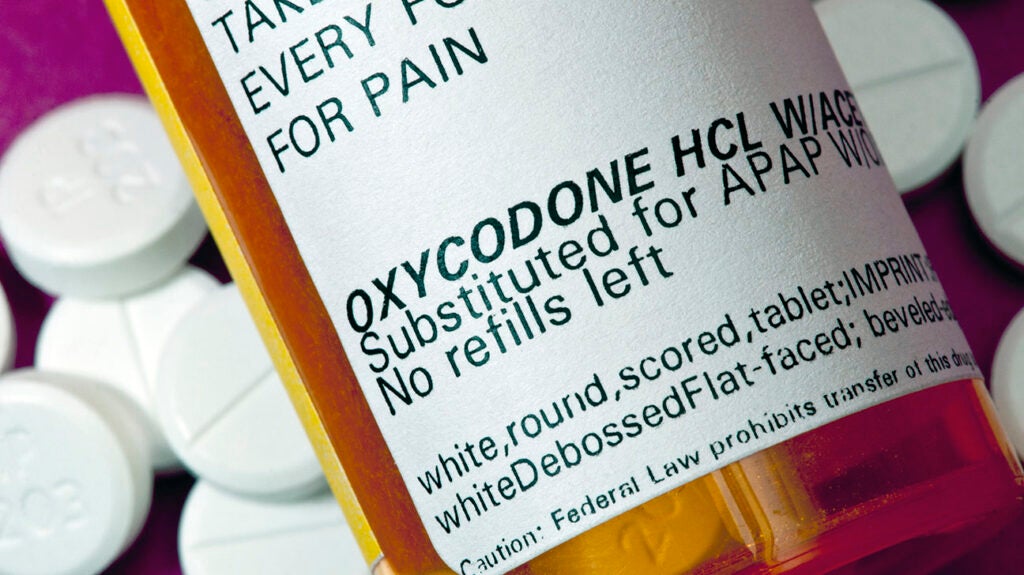
Understanding Percocet and Its Generic Counterpart
To fully grasp the financial implications, it’s essential to first understand what Percocet is and how its generic version comes into play. The world of pharmaceuticals is often bifurcated into brand-name drugs and their generic equivalents, a distinction that carries significant weight for your wallet.
The Chemical Composition: Oxycodone and Acetaminophen
Percocet is a combination medication containing two active ingredients: oxycodone and acetaminophen.
- Oxycodone is an opioid pain reliever. It works in the brain to change how your body feels and responds to pain.
- Acetaminophen (often known by the brand name Tylenol in its over-the-counter form) is a non-opioid pain reliever and fever reducer. It enhances the pain-relieving effects of oxycodone.
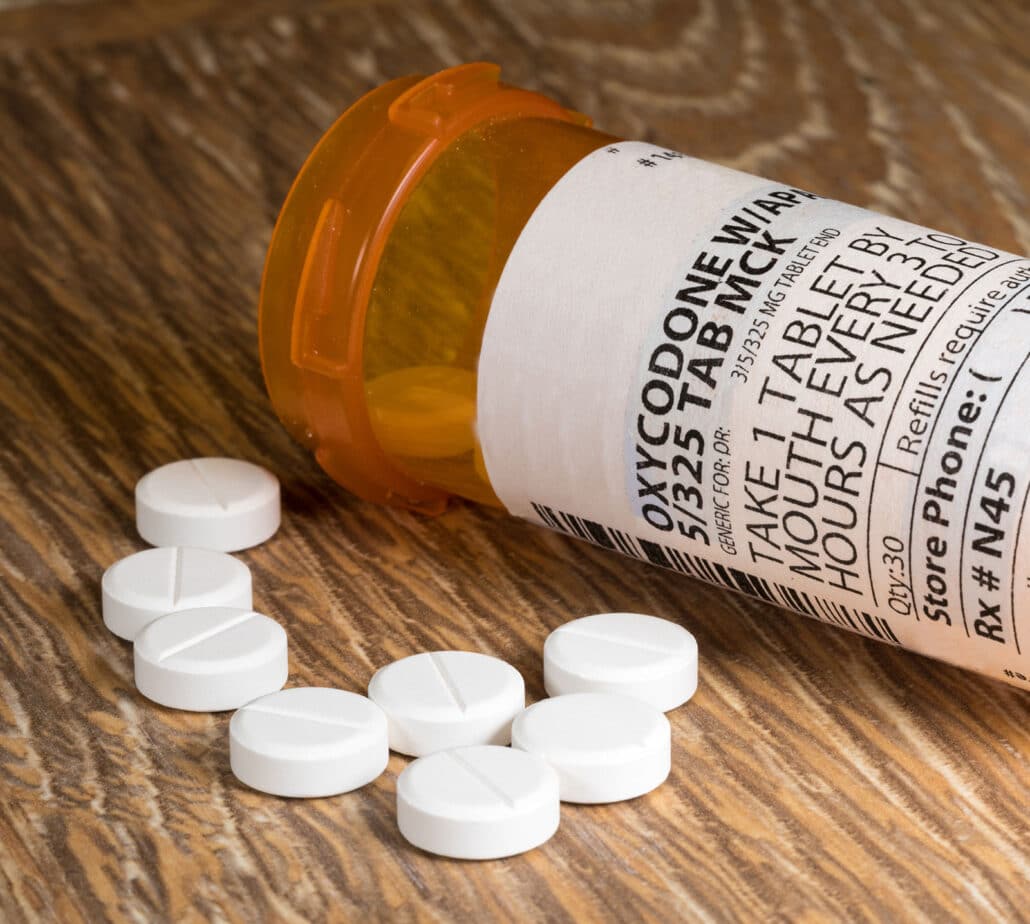
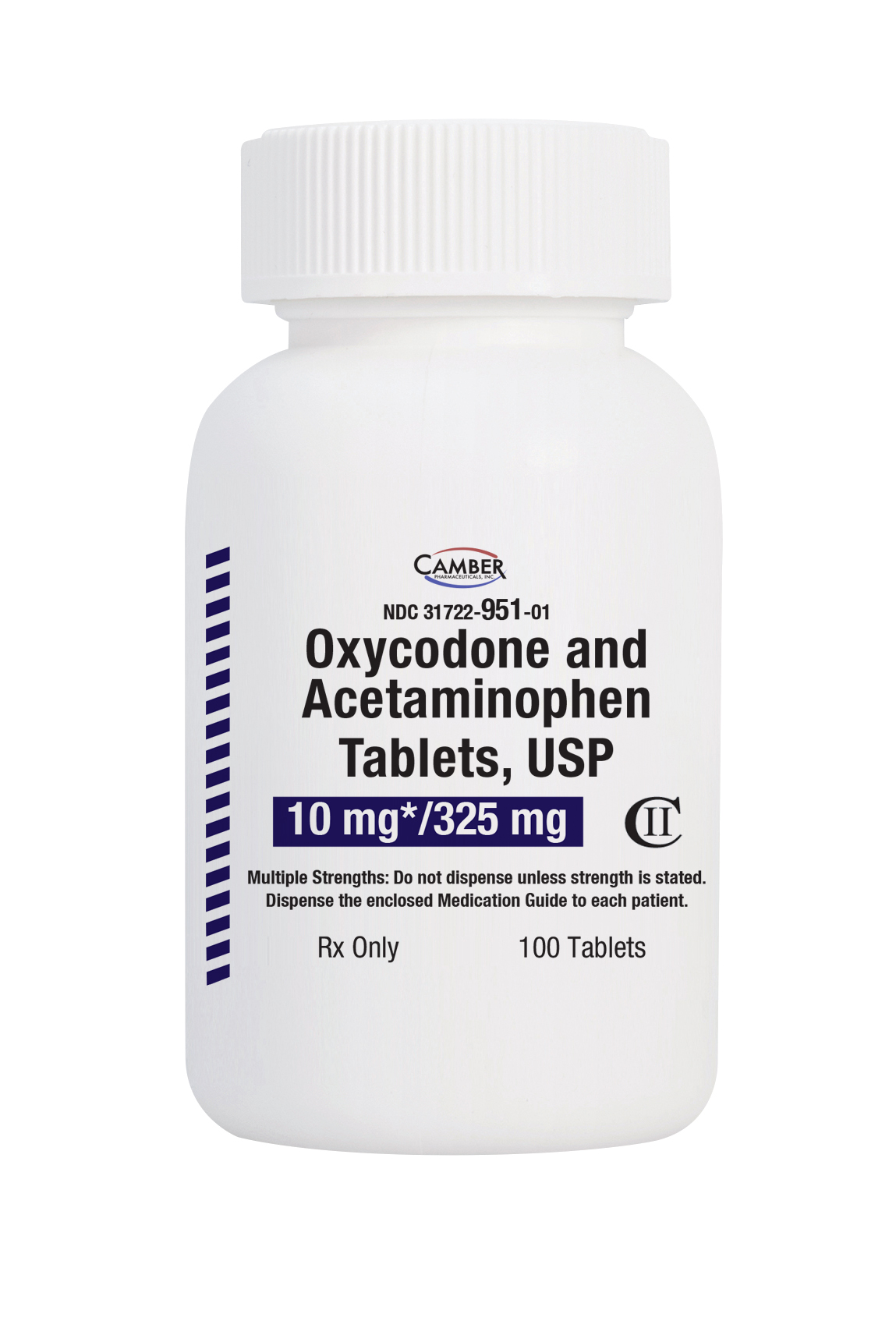
The generic drug for Percocet is simply known by its active ingredients: Oxycodone/Acetaminophen. When a doctor prescribes Percocet, pharmacists will typically dispense the generic Oxycodone/Acetaminophen unless specifically requested otherwise by the patient or physician, primarily due to cost considerations. This generic version contains the exact same active ingredients, in the same dosages, and is intended to have the same therapeutic effect as the brand-name drug.
Dispelling Myths: Generics vs. Brand-Name Drugs
A common misconception is that generic drugs are somehow inferior or less effective than their brand-name counterparts. From a financial planning perspective, this myth can lead to unnecessary expenditure. The truth is, regulatory bodies like the U.S. Food and Drug Administration (FDA) have stringent requirements for generic drugs. For a generic drug to be approved, it must demonstrate “bioequivalence” to the brand-name drug. This means it must:
- Contain the same active ingredients.
- Be identical in strength, dosage form, and route of administration.
- Have the same intended use.
- Be bioequivalent, meaning it acts in the same way and achieves the same concentration in the bloodstream in the same amount of time.
- Meet the same quality and purity standards.
Therefore, choosing the generic Oxycodone/Acetaminophen instead of brand-name Percocet is a financially sound decision without compromising medical efficacy or safety. It allows individuals to achieve the same health outcome while preserving their financial resources.
The Financial Advantage of Choosing Generics
The primary driver for seeking out generic drugs, particularly for medications like Percocet which might be prescribed for extended periods, is the undeniable financial benefit. This advantage ripples through various aspects of personal finance, from immediate out-of-pocket expenses to long-term budgeting.
Significant Cost Savings on Prescription Medications
The most immediate and apparent financial benefit of opting for generic drugs is the substantial reduction in price. Brand-name drugs, like Percocet, are typically much more expensive because pharmaceutical companies invest billions in research, development, and marketing to bring a new drug to market. They hold patents for a period, allowing them to be the sole seller and recoup their investment.
Once a patent expires, other manufacturers can produce generic versions. Because generic manufacturers don’t bear the initial research and development costs, they can offer their products at significantly lower prices. For medications that might be taken regularly or for chronic conditions, these savings can accumulate rapidly, freeing up hundreds or even thousands of dollars annually that can be redirected towards savings, investments, or other essential expenditures. For an individual managing a tight budget, the difference between a brand-name and generic prescription can dictate whether they can afford their medication at all.
Impact on Insurance Premiums and Deductibles
The choice between brand-name and generic drugs also has indirect but powerful implications for your health insurance and overall financial planning. Many health insurance plans are structured to encourage the use of generics.
- Lower Co-pays: Most insurance plans have tiered co-payment structures, with generic drugs typically falling into the lowest tier, requiring the smallest out-of-pocket payment per prescription. Brand-name drugs, especially non-preferred brands, will have significantly higher co-pays.
- Deductible Management: While the direct cost of a generic prescription might not always count significantly towards a high deductible plan, consistent use of lower-cost generics helps keep overall healthcare spending down. For individuals with high deductibles, minimizing every expense, including prescriptions, is crucial to manage cash flow and avoid depleting emergency funds.
- Premium Stabilization (Indirect): When a large population consistently opts for lower-cost generic alternatives, it contributes to overall lower healthcare costs for insurers. In the long run, this can indirectly help stabilize or reduce health insurance premiums for everyone, as insurers’ payout obligations are reduced. From a personal finance perspective, anything that helps control the rising tide of insurance costs is a welcome development.
Navigating the Generic Drug Landscape for Smarter Spending
Maximizing savings through generic drugs requires more than just knowing their existence; it involves understanding the regulatory framework and employing smart consumer strategies. Being an informed healthcare consumer is a critical skill for financial literacy.
FDA Approval and Bioequivalence: Ensuring Safety and Efficacy
As mentioned earlier, the FDA’s rigorous approval process for generic drugs is a cornerstone of their reliability. This bioequivalence testing ensures that a generic drug delivers the same amount of active ingredient to the bloodstream over the same period as the brand-name drug. This scientific assurance is vital for financial planning because it means you are not sacrificing health outcomes for cost savings.
Patients and financial advisors alike should be confident that when they opt for generic Oxycodone/Acetaminophen instead of Percocet, they are receiving an equally effective and safe medication. This confidence allows individuals to make cost-effective choices without the anxiety of compromising their health, which could lead to greater medical expenses down the line.
Practical Tips for Maximizing Generic Savings
To actively leverage generic drugs for financial benefit, consider these practical tips:
- Always Ask for Generic: When your doctor writes a prescription, specifically ask if a generic version is available. If they prescribe a brand name, inquire why and if a generic alternative would be suitable for your condition.
- Use Mail-Order Pharmacies: For maintenance medications, mail-order pharmacies often offer 90-day supplies at a lower cost than local pharmacies, further amplifying generic savings.
- Compare Pharmacy Prices: Even for generics, prices can vary significantly between pharmacies. Use online tools or call around to compare prices before filling a prescription. Websites and apps dedicated to prescription savings can be invaluable here.
- Discuss With Your Doctor: If a generic isn’t available for a specific drug, ask your doctor if there’s a different, equally effective medication that does have a generic equivalent.
- Look for Manufacturer Coupons/Patient Assistance: While more common for brand-name drugs, sometimes manufacturers or non-profits offer assistance programs for specific medications, even generics, especially for individuals with low income.
Holistic Strategies for Managing Healthcare Costs
While generics are a powerful tool, effective personal financial management in healthcare extends beyond just choosing the lowest-cost prescription. A comprehensive approach incorporates broader strategies to control spending and promote long-term financial health.
Beyond Generics: Discount Programs and Patient Assistance
For situations where a generic isn’t an option, or even to supplement generic savings, other financial tools exist:
- Prescription Discount Cards: Many free discount cards are available online or through pharmacies, offering significant savings on both generic and brand-name medications, regardless of insurance status. These can be particularly useful for high-deductible plans or for medications not covered by insurance.
- Patient Assistance Programs (PAPs): Pharmaceutical companies and non-profit organizations offer PAPs to help uninsured or underinsured patients afford their medications. These programs can cover a significant portion, or even all, of the cost of expensive brand-name drugs.
- Flexible Spending Accounts (FSAs) and Health Savings Accounts (HSAs): These tax-advantaged accounts allow you to save money specifically for healthcare expenses, including prescription drugs, using pre-tax dollars. HSAs, in particular, offer a triple tax advantage (tax-deductible contributions, tax-free growth, tax-free withdrawals for qualified medical expenses) and can be a powerful long-term savings vehicle for healthcare.
Proactive Health Management as a Financial Tool
Ultimately, one of the most impactful financial strategies for managing healthcare costs is proactive health management. Investing in preventive care and maintaining a healthy lifestyle can significantly reduce the need for expensive medications and treatments in the future.
- Regular Check-ups: Identifying and addressing health issues early can prevent them from escalating into more serious, and costly, conditions.
- Healthy Lifestyle: Diet, exercise, and stress management can reduce the risk of chronic diseases that often require expensive long-term medication and care.
- Understanding Your Insurance: Fully comprehending your health insurance plan, including its formulary (list of covered drugs), deductibles, co-pays, and out-of-pocket maximums, empowers you to make financially intelligent decisions about your care.
In conclusion, understanding that Oxycodone/Acetaminophen is the generic drug for Percocet is more than just a piece of medical information; it’s a doorway to smarter personal financial management within the realm of healthcare. By embracing generic options, utilizing available financial tools, and adopting a proactive approach to health, individuals can significantly alleviate the financial burden of medical expenses, allowing them to allocate their resources more effectively towards achieving broader financial goals.
aViewFromTheCave is a participant in the Amazon Services LLC Associates Program, an affiliate advertising program designed to provide a means for sites to earn advertising fees by advertising and linking to Amazon.com. Amazon, the Amazon logo, AmazonSupply, and the AmazonSupply logo are trademarks of Amazon.com, Inc. or its affiliates. As an Amazon Associate we earn affiliate commissions from qualifying purchases.