
In the rapidly evolving landscape of global commerce, the ability to define and understand demographic cohorts is not merely an academic exercise; it is a fundamental pillar of brand strategy. For years, marketers and corporate strategists focused their energy on Millennials, the generation that redefined digital interaction and the sharing economy. However, as the global economy shifts, the spotlight has moved decisively toward Generation Z. To engage this group effectively, organizations must first answer a critical question: What is the Gen Z cut off, and why does that specific boundary dictate the future of brand identity and market positioning?

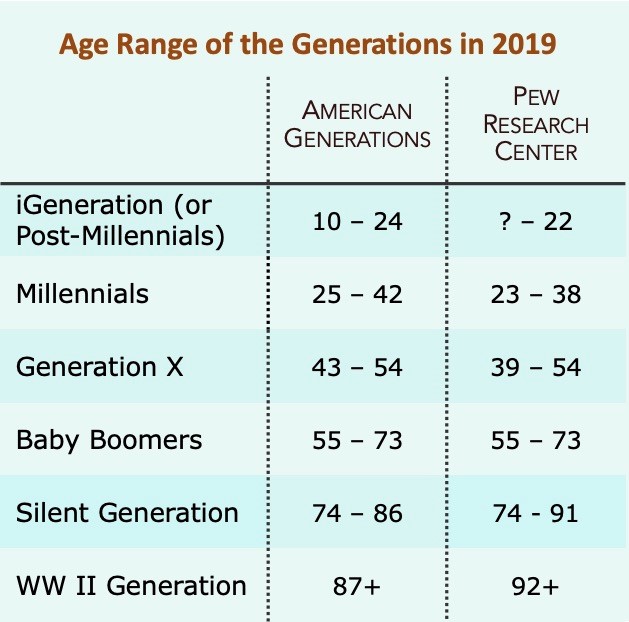
According to the Pew Research Center, the most widely accepted definition places the Gen Z cut off between 1996 and 1997. Specifically, Generation Z consists of those born between 1997 and 2012. For a brand strategist, these dates represent more than just a birth year; they signify a profound shift in consumer psychology, media consumption, and the very concept of brand loyalty. Understanding the nuances of this boundary is essential for any business looking to remain relevant in a marketplace increasingly dominated by those who have never known a world without the smartphone.
Defining the Demographic Boundary: Why the Gen Z Cut Off Matters for Brand Strategy
The transition from the Millennial generation to Generation Z marks a departure from the “digital pioneer” era to the “digital native” era. While Millennials remember the transition from analog to digital—the screech of a dial-up modem or the novelty of the first social networks—Gen Z was born into a world of ubiquitous connectivity. This distinction is the bedrock of modern brand strategy.
The 1997–2012 Standard: More Than Just Years
The 1997 start date is significant because it aligns with several global socio-political and technological milestones. Individuals born in 1997 were toddlers during the 9/11 attacks and entered their formative years during the 2008 Great Recession. These events shaped a generation that is pragmatically focused on stability while remaining hyper-aware of global instability. From a brand perspective, this means that Gen Z values transparency and authenticity over the aspirational, polished imagery that appealed to previous generations.
The 2012 cut off is equally vital. It marks the point where the focus begins to shift toward “Generation Alpha,” the children of Millennials. By defining the Gen Z cohort within this 15-year window, brands can create targeted personas that address the specific life stages of this group—from the oldest members who are now established in the workforce to the youngest who are just entering their teenage years.
Segmentation vs. Generalization: The Marketer’s Dilemma
One of the most common mistakes in corporate identity planning is treating Gen Z as a monolith. A 25-year-old Gen Z professional has vastly different needs and spending habits than a 14-year-old student. However, they share a common “tech-first” DNA. Strategic brand segmentation involves identifying the “Zillennial” micro-generation—those born on the cusp between 1995 and 2000. These individuals act as bridge consumers, possessing the financial stability of older Millennials but the platform preferences of Gen Z. Brands that successfully navigate the “Zillennial” gap often find it easier to transition their entire marketing funnel to appeal to the broader Gen Z demographic.
Behavioral Drivers: How the Cut Off Shapes Consumer Identity
Identifying the cut off is the first step; understanding the behavioral implications of that cut off is where the real work of branding begins. Gen Z is the first generation to prioritize “identity over ownership.” This shift has forced brands to move away from transactional relationships and toward values-based engagement.
The Digital Native Paradigm: Life Before and After High-Speed Internet
Because the Gen Z cut off begins in 1997, this cohort reached adolescence alongside the launch of the iPhone and the explosion of high-speed mobile data. For brand strategy, this means that the “user experience” (UX) is no longer a luxury—it is a baseline requirement. If a brand’s mobile interface is clunky or its checkout process is slow, the brand is effectively invisible to Gen Z. They do not compare a brand’s digital presence to its direct competitors; they compare it to the seamless experience of TikTok, Spotify, and Uber.
This technological immersion has also led to a fragmented media landscape. Traditional “top-down” branding—where a company dictates its image through television commercials—is largely ineffective. Instead, Gen Z consumes “bottom-up” content. They trust individual creators and peers more than corporate spokespeople. A successful brand strategy for this cohort involves decentralizing the brand voice and allowing community members to become the primary storytellers.
Social Consciousness and Value-Based Purchasing
The Gen Z cut off also coincides with an era of heightened environmental and social awareness. For this generation, a brand is not just a provider of goods; it is a social actor. According to various market studies, a significant majority of Gen Z consumers prefer to buy from brands that align with their personal values. This has led to the rise of “purpose-driven branding.”

However, brands must tread carefully. Gen Z is remarkably adept at sniffing out “performative activism.” If a company’s corporate identity claims to support sustainability while its supply chain suggests otherwise, the resulting backlash can be catastrophic. The brand strategy must be integrated, ensuring that the external message matches internal operations. The cut off marks a transition from “What does this product do for me?” to “What does this brand do for the world?”
Case Studies: Brands That Successfully Navigated the Generational Shift
To understand the practical application of these demographic boundaries, we can look at legacy brands that have successfully pivoted to capture Gen Z interest without alienating their older customer base.
Rebranding for Gen Z: The Success of Legacy Brands
Consider the evolution of brands like Birkenstock or Dickies. Originally positioned as utilitarian or niche products, these brands recognized that the Gen Z cut off brought a new aesthetic: “ugly-cool” and “workwear as fashion.” By leaning into their heritage while collaborating with modern influencers and high-fashion designers, they managed to bridge the generational gap. They didn’t change their core product; they changed their brand narrative to emphasize durability, authenticity, and timelessness—traits that resonate deeply with a generation weary of fast fashion and disposable culture.
Another example is the resurgence of liquid soap and personal care brands like Old Spice or Dove. By utilizing self-aware, surrealist humor (Old Spice) or focusing on “Real Beauty” and body positivity (Dove), these brands successfully navigated the shift in tone that Gen Z demands. They understood that the Gen Z cut off represented a shift in how humor and social messaging are perceived.
Avoiding the “Cringe” Factor: Authenticity in Brand Voice
The “cringe” factor is perhaps the greatest risk in Gen Z marketing. When a legacy brand tries too hard to use Gen Z slang or adopts a persona that feels forced, it risks immediate alienation. The brands that succeed are those that maintain a consistent corporate identity while adapting their delivery.
Nike remains a gold standard in this regard. They have mastered the art of taking bold stances on social issues, which appeals to the Gen Z desire for values-led commerce. Simultaneously, they utilize cutting-edge tech (like SNKRS app drops) to create a sense of exclusivity and community. Nike understands that the Gen Z cut off didn’t change the desire for quality footwear; it changed the context in which that footwear is discovered and purchased.
Future-Proofing Your Brand: Beyond the Cut Off
As we look toward the next decade, the Gen Z cut off serves as a precursor to the next major demographic shift. The strategies developed today to reach Gen Z will form the foundation for reaching Generation Alpha.
The Transition to Gen Alpha: Lessons from the Gen Z Era
While Gen Z were digital natives, Gen Alpha (born after 2012) are “AI natives.” They are coming of age in a world where artificial intelligence, virtual reality, and the metaverse are becoming normalized. Brands that have already adapted to the Gen Z preference for interactive, personalized, and community-driven content will be much better positioned for this next transition.
The key lesson from the Gen Z era is that brand loyalty is no longer a given; it is a continuous negotiation. Brands must consistently prove their value, not just through product quality, but through their contribution to the cultural and social conversation.
Creating Multi-Generational Appeal Without Diluting Brand Identity
The ultimate challenge in brand strategy is maintaining a coherent identity that appeals to both the Boomer/Gen X segments (who often hold the most significant purchasing power) and the Gen Z segment (who dictate cultural trends). This requires a “bi-focal” brand strategy.
A brand must have a core identity that is stable and reliable—this appeals to older generations. Around that core, it must build a flexible, dynamic layer of marketing and engagement that speaks to the Gen Z sensibility. This might involve different channel strategies: using LinkedIn and email for older cohorts, while utilizing TikTok and Discord for Gen Z. The message remains the same—”We are a brand you can trust”—but the medium and the “accent” of the message change to fit the audience.
By understanding exactly where the Gen Z cut off lies, and what that boundary represents in terms of historical and technological context, brands can stop guessing and start strategizing. The cut off is not just a date on a calendar; it is a roadmap to the future of consumer behavior. Companies that ignore this boundary do so at their own peril, while those that embrace it will find themselves leading the next era of global commerce.
aViewFromTheCave is a participant in the Amazon Services LLC Associates Program, an affiliate advertising program designed to provide a means for sites to earn advertising fees by advertising and linking to Amazon.com. Amazon, the Amazon logo, AmazonSupply, and the AmazonSupply logo are trademarks of Amazon.com, Inc. or its affiliates. As an Amazon Associate we earn affiliate commissions from qualifying purchases.