
Understanding a nation’s Gross Domestic Product (GDP) is akin to taking its economic pulse. For investors, policymakers, businesses, and even the everyday citizen, GDP serves as a fundamental barometer of economic health, growth potential, and overall prosperity. South Africa, a vibrant and complex economy on the African continent, presents a particularly interesting case study. As a key player in regional and global markets, its economic performance, as measured by GDP, has significant implications. This article delves into the intricacies of South Africa’s GDP, exploring its definition, historical context, key drivers, prevailing challenges, and the opportunities that shape its economic trajectory. Our aim is to provide a professional, insightful, and engaging look at what lies beneath the headline figures, offering a deeper understanding of this pivotal economy.

Understanding South Africa’s GDP: A Key Economic Indicator
To truly grasp the economic landscape of South Africa, one must first be fluent in the language of GDP. This critical metric provides a snapshot of the country’s productive capacity and its economic standing.
Defining Gross Domestic Product (GDP)
At its core, Gross Domestic Product (GDP) represents the total monetary value of all finished goods and services produced within a country’s borders over a specific period, typically a quarter or a year. It’s a comprehensive measure that encapsulates the output of all sectors – agriculture, mining, manufacturing, services, and more. When discussing GDP, it’s vital to distinguish between two primary forms:
- Nominal GDP: This measures the value of goods and services at current market prices. It can increase due to actual production growth or simply due to inflation. While useful for comparing current output, it can be misleading when assessing real economic expansion over time.
- Real GDP: This adjusts nominal GDP for inflation, providing a truer picture of economic growth by valuing goods and services at constant prices from a base year. Real GDP is the preferred metric for economists and analysts when evaluating whether an economy is truly expanding or contracting.
Furthermore, GDP per capita is another crucial variant, calculated by dividing the total GDP by the country’s population. This figure offers an average measure of economic output per person, often used as an indicator of average living standards and a nation’s prosperity, though it doesn’t account for income inequality.
Why GDP Matters for South Africa
For South Africa, understanding and tracking GDP is paramount for several reasons, impacting a broad spectrum of stakeholders:
- For Policymakers: Government bodies rely on GDP data to formulate fiscal and monetary policies. A growing GDP might indicate room for increased public spending or tax cuts, while a contracting GDP could signal the need for stimulus packages or austerity measures to stabilize the economy. It also informs decisions on infrastructure development, social welfare programs, and job creation initiatives.
- For Investors (Foreign and Domestic): GDP figures are a primary indicator for investors assessing the attractiveness of a market. Strong, consistent GDP growth signals a healthy and expanding economy, indicating potential for higher returns on investments. Conversely, low or negative growth can deter investment, signaling reduced demand, political instability, or structural weaknesses. South Africa’s GDP performance directly influences its credit ratings, affecting borrowing costs for the government and businesses alike.
- For Businesses: Companies, from multinational corporations to local small and medium-sized enterprises (SMEs), use GDP trends to forecast demand, plan production, make hiring decisions, and devise expansion strategies. A robust economy often translates to higher consumer spending and business confidence.
- For Citizens: While not always directly felt, a nation’s GDP performance profoundly impacts its citizens’ quality of life. Sustained economic growth typically leads to job creation, higher wages, improved public services (like healthcare and education), and reduced poverty. Conversely, economic stagnation or recession can result in unemployment, declining living standards, and social unrest. For South Africa, with its significant challenges of inequality and unemployment, GDP growth is intrinsically linked to the aspirations for a more equitable and prosperous society.
South Africa’s Economic Landscape and Recent Performance
South Africa’s economy is a tapestry woven with rich natural resources, a diversified industrial base, and a complex social history. Its GDP performance reflects both its inherent strengths and persistent challenges.
Historical Context and Growth Trajectories
Post-apartheid South Africa embarked on a journey of economic integration and transformation. The late 1990s and early 2000s saw periods of relatively strong economic growth, driven by commodities booms and sound macroeconomic policies. However, this growth has often been volatile and punctuated by periods of significant slowdown. The global financial crisis of 2008-2009 delivered a significant blow, from which recovery has been gradual and often inconsistent. More recently, structural issues, global economic shifts, and specific domestic crises have further complicated the growth trajectory, leading to periods of very low growth or even recession. The aspiration for inclusive growth has remained a central, yet often elusive, goal.
Key Drivers of South Africa’s GDP
South Africa’s economy is surprisingly diverse for a resource-rich nation. Several sectors contribute significantly to its GDP:
- Mining: Historically a cornerstone, mining (gold, platinum, coal, diamonds) remains a crucial sector, contributing significantly to exports and GDP, though its share has declined relative to services.
- Manufacturing: This sector, encompassing automotive, chemicals, food and beverages, and metals, is a vital employer and a key contributor to industrial output, though it has faced headwinds from global competition and domestic constraints.
- Finance, Real Estate, and Business Services: This sector has grown to become the largest contributor to GDP, reflecting South Africa’s sophisticated financial markets and services infrastructure. Johannesburg is a major financial hub for the continent.
- Trade, Catering, and Accommodation (Tourism): Tourism is a significant foreign exchange earner and job creator, capitalizing on South Africa’s natural beauty and diverse cultural heritage.
- Agriculture: While a smaller direct contributor to GDP, agriculture plays a critical role in food security, employment, and rural development, with key exports including fruits, wine, and grains.
- Government Services: Public administration, defense, education, and health services provided by the government also form a substantial part of the GDP.
Recent GDP Figures and Trends
While specific real-time GDP figures fluctuate, South Africa’s nominal GDP typically places it among the largest economies in Africa, often vying for the top spot with Nigeria and Egypt. Its annual GDP often ranges in the hundreds of billions of US dollars. However, the more critical metric for economic health is its growth rate. In recent years, South Africa has struggled to achieve sustained, robust growth. Growth rates have frequently hovered below 2%, and at times dipped into negative territory.
Factors influencing these trends include:
- Global Commodity Prices: As a major exporter of raw materials, South Africa’s economy is highly susceptible to fluctuations in global commodity markets.
- Global Economic Slowdowns: Downturns in major trading partners impact demand for South African exports.
- Domestic Challenges: Persistent issues like energy shortages (load shedding), high unemployment, policy uncertainty, and logistical bottlenecks have consistently hampered productive capacity and investor confidence.
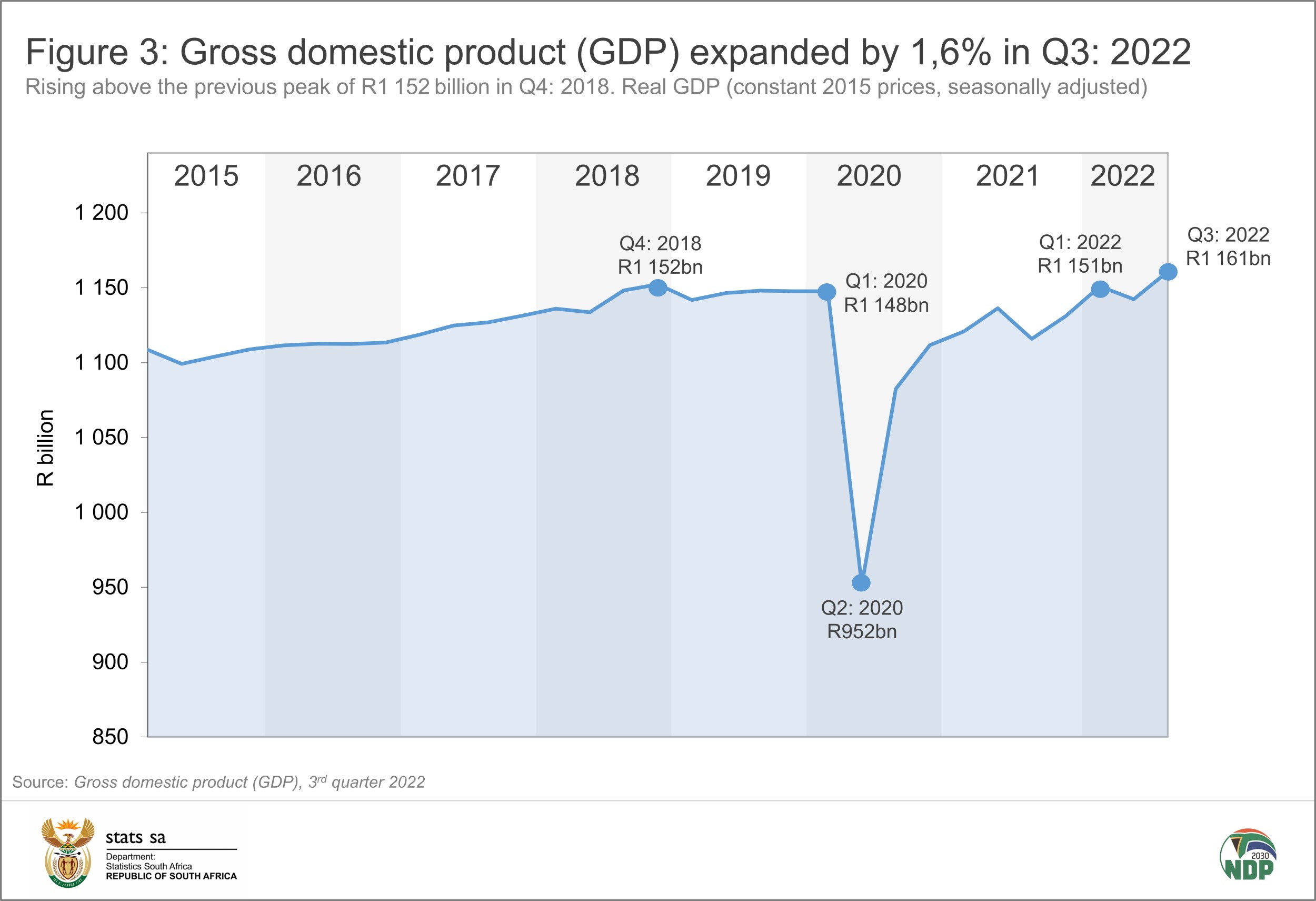
- Impact of COVID-19: The pandemic caused a significant contraction in 2020, from which the recovery has been fragile and uneven.
The trend highlights an economy grappling with internal structural rigidities while navigating a complex global environment, resulting in a persistent challenge to accelerate and sustain inclusive growth.
Challenges and Opportunities Shaping South Africa’s Economic Future
South Africa stands at a crossroads, facing profound challenges that impede its economic potential, yet also possessing inherent strengths and emergent opportunities that could redefine its future.
Structural Challenges Impeding Growth
Despite its sophisticated infrastructure and resource wealth, South Africa’s economy is plagued by deep-seated structural issues that act as significant brakes on GDP growth:
- High Unemployment and Inequality: South Africa suffers from one of the highest unemployment rates globally, particularly among youth. This, coupled with extreme income inequality, limits domestic demand and fuels social instability.
- Persistent Energy Crisis (Load Shedding): Chronic electricity shortages, known as “load shedding,” cripple businesses, disrupt productivity, deter investment, and impose immense costs on the economy.
- Corruption and Governance Issues: Perceptions and realities of corruption within state-owned enterprises and government institutions erode investor confidence, divert resources, and hinder efficient public service delivery.
- Infrastructure Deficits: While having advanced infrastructure in certain areas, gaps remain, particularly in rail, ports, and water supply, creating logistical bottlenecks that impact trade and industrial efficiency.
- Low Business Confidence and Policy Uncertainty: Inconsistent policy implementation, regulatory hurdles, and a lack of clear direction in some key economic sectors often deter both local and foreign investment.
- Skills Gap: Despite a relatively well-developed higher education system, there is a mismatch between the skills required by the modern economy and those available in the labor market.
Opportunities for Economic Diversification and Growth
Amidst the challenges, South Africa possesses significant potential for growth and diversification:
- Renewable Energy: The country has abundant solar and wind resources, offering a massive opportunity to transition away from coal, address the energy crisis, and create a new industrial base in green technologies.
- Digital Economy: A rapidly expanding digital infrastructure and a growing tech-savvy population present opportunities for growth in e-commerce, fintech, software development, and the broader digital services sector.
- Beneficiation of Minerals: Instead of merely exporting raw commodities, there’s immense potential to develop local industries that process these minerals into higher-value products, creating more jobs and increasing export earnings.
- Regional Integration (AfCFTA): As a signatory to the African Continental Free Trade Area (AfCFTA), South Africa stands to benefit from increased intra-African trade, expanding its market for manufactured goods and services across the continent.
- Tourism and Creative Industries: Its world-class natural attractions, vibrant arts scene, and rich cultural heritage offer significant potential for further growth in tourism and related creative industries.
- Infrastructure Investment: Planned investments in critical infrastructure, particularly in energy and logistics, could unlock significant economic activity and improve efficiency.
The Role of Policy and Governance
Realizing these opportunities and overcoming the challenges fundamentally hinges on effective policy-making and robust governance. Consistent, predictable, and investor-friendly policies are crucial for fostering a stable business environment. This includes:
- Fiscal Discipline: Maintaining a sustainable debt trajectory and efficient allocation of public funds.
- Structural Reforms: Implementing reforms in state-owned enterprises, the labor market, and regulatory frameworks to enhance competitiveness and efficiency.
- Combating Corruption: Upholding the rule of law and strengthening institutions to combat corruption and improve public trust.
- Investment in Human Capital: Prioritizing education, skills development, and healthcare to create a productive and healthy workforce.
The Impact of South Africa’s GDP on Investors and Citizens
South Africa’s GDP is not just an abstract economic figure; it has tangible implications for both those looking to invest in the country and its diverse population.
Implications for Foreign and Domestic Investment
The trajectory of South Africa’s GDP is a critical determinant of investor sentiment and capital flows. A consistently growing GDP, indicative of an expanding market and healthy returns, attracts foreign direct investment (FDI) and encourages domestic businesses to expand. FDI is vital for job creation, technology transfer, and boosting productive capacity. Conversely, stagnant or declining GDP, coupled with policy uncertainty or structural issues, can lead to capital flight, reduced new investments, and a cautious approach from existing businesses. Investors scrutinize GDP trends, inflation rates, interest rates, and government debt levels, all of which are interconnected with the broader GDP picture, to assess risk and potential reward. For South Africa, attracting and retaining investment is paramount for sustaining economic growth and overcoming its developmental challenges.
GDP and Quality of Life
While GDP per capita provides an average measure of economic prosperity, its relationship with the actual quality of life for South African citizens is complex due to the country’s high levels of inequality. Economic growth, as measured by GDP, is a necessary condition for improving living standards, but it is not sufficient on its own. For GDP growth to translate into a better quality of life for all South Africans, it must be inclusive. This means:
- Job Creation: Growth needs to be labor-intensive, creating meaningful employment opportunities, especially for the youth and less skilled.
- Poverty Reduction: Economic expansion should lift people out of poverty through higher incomes, social safety nets, and access to opportunities.
- Improved Social Services: Increased government revenue from a growing GDP should ideally be channeled into improving public education, healthcare, housing, and sanitation, particularly in underserved communities.
- Reduced Inequality: Policies designed to redistribute wealth, expand access to capital, and promote equitable opportunities are crucial to ensure the benefits of GDP growth are broadly shared.
The ongoing challenge for South Africa is to achieve a GDP growth that is not just substantial but also genuinely transformative, addressing the legacies of its past and building a more equitable future.
Navigating the South African Market
For businesses and individuals considering engagement with the South African economy, a nuanced understanding of its GDP and underlying dynamics is essential. It requires looking beyond headline figures to appreciate the unique blend of opportunities and risks:
- Due Diligence: Thorough research into specific sectors, regulatory environments, and local market conditions is critical.
- Strategic Partnerships: Collaborating with local partners can provide invaluable insights and navigate cultural and business complexities.
- Long-term Vision: Recognizing that South Africa is an emerging market with long-term growth potential, despite short-term volatility.
- Understanding Social Impact: Investing in a manner that contributes to local development and addresses social challenges can enhance sustainability and community acceptance.
- Risk Mitigation: Actively managing risks associated with currency fluctuations, political developments, and infrastructure constraints.

Conclusion
The question “What is the GDP of South Africa?” opens the door to a profound understanding of an economy that is both resilient and vulnerable, rich in potential yet constrained by significant challenges. Its GDP, a vital indicator of its economic pulse, tells a story of an emerging market striving for inclusive growth amidst global headwinds and domestic structural issues. While its overall economic output places it among Africa’s leading economies, the true measure of its success will be its ability to translate that output into sustained, broad-based improvements in living standards for all its citizens. For investors, businesses, and policymakers, a keen and continuous watch on South Africa’s GDP, coupled with a deep dive into its underlying drivers and reforms, will remain crucial for understanding and engaging with this dynamic and strategically important nation.
aViewFromTheCave is a participant in the Amazon Services LLC Associates Program, an affiliate advertising program designed to provide a means for sites to earn advertising fees by advertising and linking to Amazon.com. Amazon, the Amazon logo, AmazonSupply, and the AmazonSupply logo are trademarks of Amazon.com, Inc. or its affiliates. As an Amazon Associate we earn affiliate commissions from qualifying purchases.