
China’s Gross Domestic Product (GDP) is not just a figure; it represents the monumental scale and complexity of the world’s second-largest economy, a nation whose economic trajectory has reshaped global finance, trade, and business. Understanding China’s GDP involves delving into its sheer size, its historical evolution, the components that drive it, and the myriad challenges and opportunities that lie ahead. For investors, businesses, and policymakers worldwide, a clear grasp of China’s economic health and direction is indispensable for navigating the interconnected global financial landscape.
GDP, in essence, measures the total monetary value of all finished goods and services produced within a country’s borders in a specific time period, typically a year. It serves as a primary indicator of a nation’s economic health and size. China’s journey from a largely agrarian society to an industrial and technological powerhouse, achieving unprecedented economic growth for over four decades, is one of the most significant economic stories of our time. This article will unpack the intricacies of China’s GDP, offering an insightful and engaging perspective for anyone interested in global money matters.

Unpacking China’s Economic Powerhouse: A Current Snapshot
To truly appreciate the significance of China’s GDP, it’s crucial to examine its current standing, the latest figures that define its economic might, and how it compares on the global stage. These statistics provide a foundation for understanding the intricate financial mechanisms at play within the country and their ripple effects worldwide.
The Latest Figures: Current GDP and Growth Rate
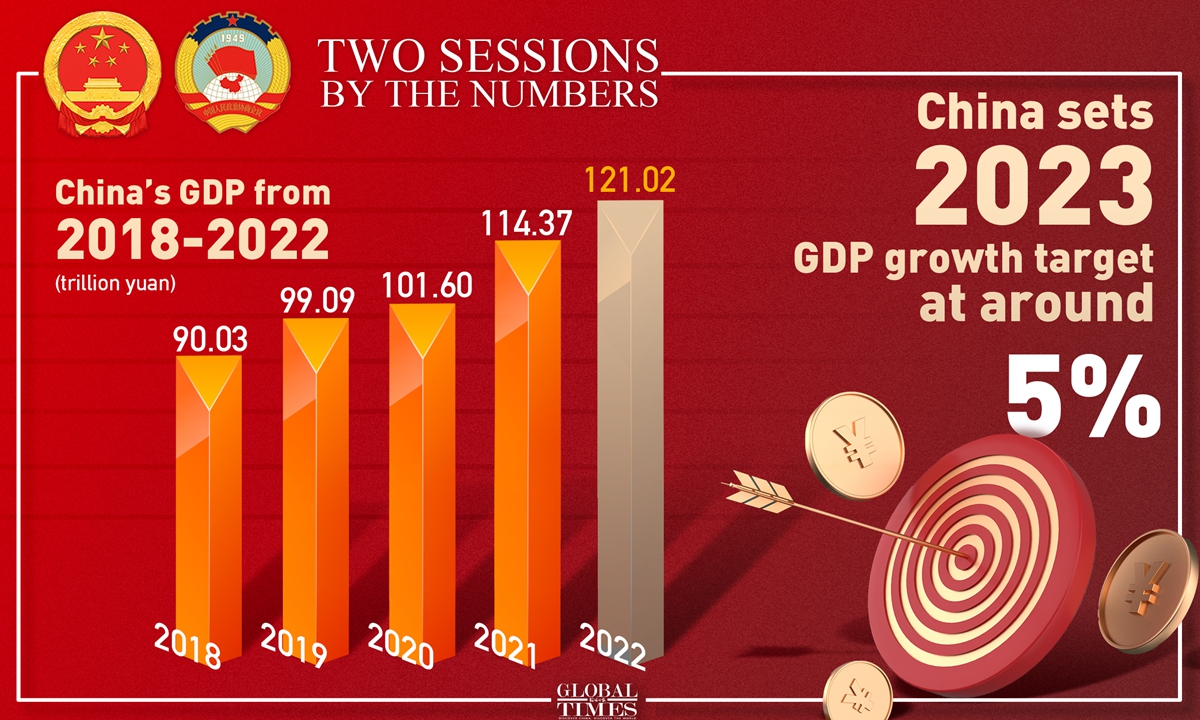
While specific real-time figures fluctuate, China’s GDP consistently hovers in the range of tens of trillions of U.S. dollars on an nominal basis. For example, in recent years, China’s nominal GDP has been reported around $17-$18 trillion, making it undeniably the second-largest economy globally. When measured by Purchasing Power Parity (PPP), which adjusts for differences in local prices and cost of living, China’s economy has often surpassed that of the United States, signifying its immense productive capacity and domestic market strength.
The growth rate of China’s GDP, while having decelerated from the double-digit figures seen in the 1990s and early 2000s, remains substantial for an economy of its scale. Even growth rates of 5-7% represent an enormous absolute increase in economic output, equivalent to adding the economy of a medium-sized developed nation annually. These growth rates are carefully watched by financial analysts as they indicate the pace of expansion and the health of key sectors within China. Factors such as global demand, domestic consumption, investment levels, and government policy significantly influence these quarterly and annual figures, providing critical data points for investors assessing market potential.
Global Context: China’s Share of World GDP and Ranking
China’s economic weight cannot be overstated. Its GDP accounts for approximately 18-20% of the global economy, a share that has grown dramatically over the past few decades. This substantial portion underlines China’s indispensable role in global trade, supply chains, and financial markets. Its economic performance has direct implications for commodity prices, multinational corporate earnings, and overall global economic stability.
Being the second-largest economy, China’s ranking firmly places it behind the United States but significantly ahead of other major economies like Japan, Germany, and India. This position is not merely about size; it also reflects its influence. China is a top trading partner for numerous countries across continents, from raw material suppliers in Africa and Latin America to high-tech exporters in East Asia and Europe. Understanding its GDP is therefore fundamental to understanding global commerce and capital flows.
Key Drivers of Growth: Manufacturing, Services, Investment, Consumption
China’s rapid economic ascent has been fueled by a dynamic interplay of factors. Historically, manufacturing and exports were the primary engines, transforming China into the “world’s factory.” Its ability to produce a vast array of goods efficiently and at competitive prices propelled its GDP for decades.
More recently, however, the economy has been undergoing a significant rebalancing. The services sector has rapidly grown to become the largest contributor to GDP, driven by burgeoning domestic consumption, an expanding middle class, and the rise of digital services, e-commerce, and technology companies. Investment, particularly in infrastructure and real estate, also continues to play a substantial, albeit evolving, role. Finally, the strategic shift towards boosting domestic consumption – encouraging its massive population to spend more – is a critical long-term driver designed to create a more sustainable and less export-reliant growth model. These intertwined drivers paint a complex picture of a continually evolving financial landscape.
Historical Trajectory and Structural Transformation
China’s journey to becoming an economic giant is a testament to sustained policy reforms and strategic economic planning. Understanding its historical development provides crucial context for its present GDP structure and future financial outlook.
From Agrarian to Industrial Giant: The Early Reform Era
Prior to 1978, China was a largely agrarian, centrally planned economy with limited engagement with global markets. The launch of economic reforms under Deng Xiaoping marked a pivotal turning point. This era initiated a gradual but radical transformation, decentralizing economic decision-making, encouraging private enterprise, and opening up to foreign investment. Special Economic Zones (SEZs) became experimental grounds for market-oriented policies, attracting foreign capital and technology. This period laid the groundwork for the massive industrialization that would follow, pulling millions out of poverty and setting the stage for unprecedented GDP growth.
The Export-Led Model: Fueling Decades of Double-Digit Growth
The 1990s and early 2000s witnessed China’s emergence as the “world’s factory.” Its vast, low-cost labor force, coupled with significant foreign investment and technological transfer, enabled it to dominate global manufacturing. An export-led growth strategy, heavily reliant on trade surpluses, fueled decades of double-digit GDP growth. Accession to the World Trade Organization (WTO) in 2001 further cemented its integration into the global economy, providing unparalleled market access for Chinese goods and propelling its GDP to new heights. This model generated immense wealth but also created structural imbalances, such as over-reliance on external demand and investment.
Shifting Gears: Towards a Consumption and Innovation-Driven Economy
Recognizing the limitations of the export- and investment-heavy model, especially after the 2008 global financial crisis, China embarked on a strategic rebalancing. The goal is to transition towards a more sustainable, innovation-driven economy powered by domestic consumption and high-value-added industries. This shift involves significant investments in research and development, fostering indigenous technological innovation, and expanding social safety nets to encourage consumer spending. This transformation is reflected in the growing share of the services sector in GDP and the emphasis on strategic industries like AI, biotechnology, and renewable energy, aiming for higher quality, rather than just higher quantity, of economic output.
The Components of China’s GDP: A Sectoral Breakdown
A deeper dive into China’s GDP requires dissecting its primary sectors and understanding their respective contributions to the national output. This granular view reveals the structural shifts underway and the evolving nature of its economy.
The Dominance of Industry and Manufacturing
Historically, the industrial sector, particularly manufacturing, has been the backbone of China’s GDP. This includes everything from heavy industries like steel and chemicals to light manufacturing of electronics and textiles. Even as its share gradually declines in relative terms due to the rise of services, industry still contributes a significant portion of GDP and remains a critical source of employment and exports. China continues to be the world’s largest manufacturer, and its industrial output capacity is unmatched, though there’s a push towards higher-tech, higher-value manufacturing.
The Rapid Rise of the Services Sector: Technology, Finance, Retail
The services sector has emerged as the largest and fastest-growing component of China’s GDP. This category encompasses a vast array of industries, including finance, real estate, retail, healthcare, education, and particularly, the digital economy. Companies like Tencent, Alibaba, and ByteDance have spearheaded a revolution in e-commerce, digital payments, and social media, creating entirely new economic ecosystems. The expansion of the urban middle class has fueled demand for consumer services, leisure, and entertainment, driving significant investment and job creation in this dynamic sector. Its continued growth is central to China’s rebalancing efforts towards a consumption-led economy.
Agriculture’s Evolving Role
While still critical for food security and employing a substantial portion of the rural population, the agricultural sector’s direct contribution to China’s overall GDP has significantly diminished over the decades. Modernization and industrialization have led to increased productivity, but its relative share is now much smaller compared to industry and services. Nevertheless, policies aimed at rural revitalization and agricultural technology remain important for social stability and sustainable development.
Investment and Trade’s Continued Influence
Investment, both domestic and foreign, remains a powerful force in China’s economy. Large-scale infrastructure projects, real estate development (though currently facing challenges), and corporate capital expenditure contribute substantially to GDP. Similarly, international trade continues to play an enormous role. While efforts are made to reduce export dependence, China remains the world’s largest trading nation, with exports and imports forming a significant part of its economic activity and influencing global supply chains and commodity markets.
Challenges and Future Outlook for China’s Economy
Despite its impressive achievements, China’s economy faces significant headwinds and structural challenges that will shape its future GDP trajectory and global financial impact. Addressing these issues is paramount for sustainable growth.
Domestic Headwinds: Demographics, Debt, and Real Estate
Demographically, China is contending with a rapidly aging population and declining birth rates, which pose long-term challenges to its labor supply, consumer demand, and social welfare systems. The issue of debt, particularly local government debt and corporate debt, has been a growing concern for financial stability, requiring careful management to avoid systemic risks. Furthermore, the highly leveraged real estate sector, a major contributor to GDP and household wealth, has faced significant stresses, including developer defaults and declining property values, necessitating robust government intervention and reform.
Global Pressures: Trade Tensions and Supply Chain Shifts
Internationally, China faces persistent trade tensions, particularly with the United States, which have led to tariffs and restrictions on technology transfers. Geopolitical competition and the drive for supply chain diversification by multinational corporations are pushing some manufacturing out of China, posing challenges to its traditional export model. These external pressures compel China to accelerate its domestic innovation and self-reliance efforts.
Strategic Responses: “Dual Circulation” and Technological Self-Reliance
In response to these challenges, China has introduced strategic initiatives like “Dual Circulation.” This strategy aims to strengthen domestic demand and technological innovation (“internal circulation”) while remaining open to international trade and investment (“external circulation”). The emphasis on technological self-reliance (“Made in China 2025,” “China Standards 2035”) is a critical component, seeking to reduce dependence on foreign technology in key sectors and foster indigenous champions in advanced manufacturing, AI, and semiconductors. These policies have profound implications for global technology companies and investment flows.
Projections and Potential: What the Future Holds for Global Finance
Future projections for China’s GDP growth vary, but most anticipate a more moderate, yet still substantial, growth rate as the economy matures and transitions. The focus will be on quality over quantity, with emphasis on green development, digital transformation, and higher-value industries. China’s sheer market size, its continued innovation capacity, and its strategic geopolitical ambitions mean its economic performance will remain a central determinant of global financial health, commodity markets, and investment opportunities for decades to come.
Implications for Global Investors and Businesses
Understanding China’s GDP and its underlying dynamics is not merely an academic exercise; it has concrete, real-world implications for global investors and businesses making financial decisions.
Understanding Market Opportunities and Risks
For investors, China presents a vast array of opportunities, from its rapidly growing consumer market and burgeoning tech sector to its expanding financial services industry. Investment in Chinese equities, bonds, and direct foreign investment can yield significant returns. However, these opportunities come with inherent risks, including regulatory uncertainties, geopolitical tensions, currency fluctuations, and potential credit risks within its financial system. A nuanced understanding of the economic landscape is essential for informed financial planning and portfolio diversification.
Navigating Policy and Regulatory Environments
China’s economy is heavily influenced by government policies and regulations, which can shift rapidly. Businesses and investors must be adept at navigating this complex environment, understanding policy directives related to industrial development, environmental protection, market access, and foreign investment. Compliance, strategic partnerships, and a deep understanding of the local context are crucial for successful operations and investments within China’s financial ecosystem.
The Interconnectedness of Global Financial Markets
The scale of China’s GDP means its economic health is deeply intertwined with global financial markets. A slowdown in China can dampen global demand for commodities, impact corporate earnings of multinational companies, and affect investor sentiment worldwide. Conversely, robust growth in China can stimulate global economic activity. Therefore, monitoring China’s GDP performance and economic policies is a fundamental aspect of global macroeconomic analysis and strategic financial decision-making for individuals, corporations, and institutional investors alike.
Conclusion
China’s GDP represents far more than just a numerical value; it embodies a dynamic, evolving economic landscape that has profoundly influenced the global financial order and continues to do so. From its historical ascent as an industrial powerhouse to its ongoing transformation into a consumption and innovation-driven economy, China’s economic journey is a testament to its resilience and strategic ambition. For anyone engaged in the world of money – whether as an investor, business leader, or financial analyst – a deep, insightful understanding of “what is the GDP of China” is not merely beneficial, but absolutely critical for navigating the complexities and seizing the opportunities of the 21st-century global economy. Its challenges are real, but its potential for continued impact on global finance remains undeniable.
aViewFromTheCave is a participant in the Amazon Services LLC Associates Program, an affiliate advertising program designed to provide a means for sites to earn advertising fees by advertising and linking to Amazon.com. Amazon, the Amazon logo, AmazonSupply, and the AmazonSupply logo are trademarks of Amazon.com, Inc. or its affiliates. As an Amazon Associate we earn affiliate commissions from qualifying purchases.