
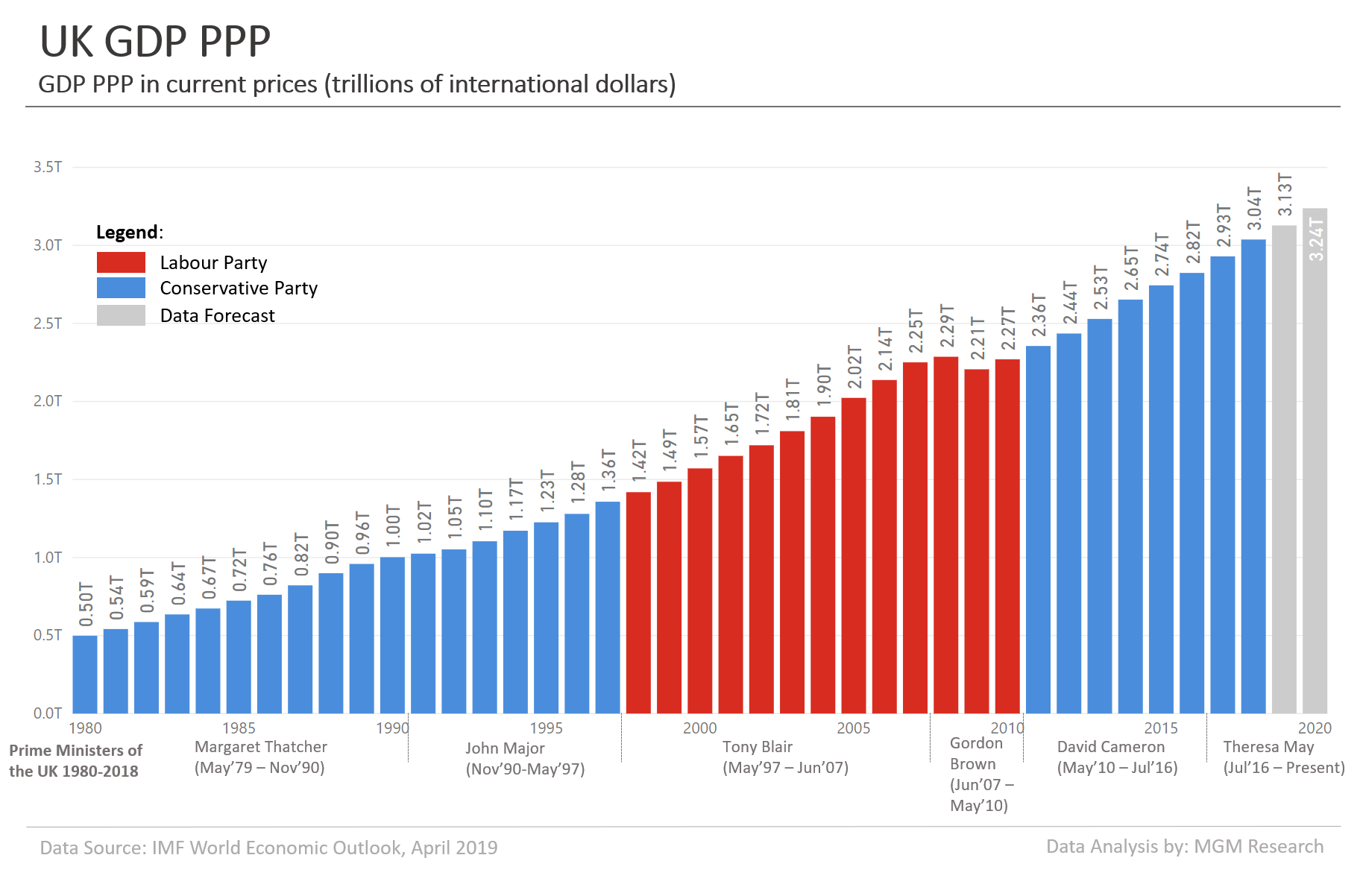
The Gross Domestic Product (GDP) of Britain—officially known as the United Kingdom of Great Britain and Northern Ireland—serves as the primary barometer for the nation’s economic health. As one of the world’s most advanced and influential economies, the UK consistently ranks among the top global players. Currently, the GDP of Britain stands at approximately $3.5 trillion (USD) in nominal terms, positioning it as the sixth-largest economy globally and the second-largest in Europe, trailing only Germany.
To understand what the GDP of Britain truly represents, one must look beyond the raw numbers. It is a complex aggregation of value added across diverse sectors, ranging from the high-octane financial corridors of the City of London to the precision engineering hubs in the Midlands and the burgeoning tech ecosystems in Scotland and the North of England. This economic output is not merely a static figure; it is a reflection of the nation’s productivity, its ability to innovate, and its resilience in the face of shifting global trade dynamics.
The Structural Composition of the British Economy
The UK economy is characterized by its heavy tilt toward the service sector, which accounts for roughly 80% of the total GDP. This dominance is a hallmark of post-industrial development, where the generation of intangible value—knowledge, data, and financial expertise—supersedes traditional manufacturing.
The Powerhouse of Financial and Professional Services
The financial services sector is the crown jewel of the British economy. London remains a preeminent global financial hub, rivaling New York City in its concentration of international banks, insurance companies, and asset management firms. This sector does not just contribute to the GDP through direct output; it facilitates global trade and investment, creating a multiplier effect that benefits the wider economy. Beyond banking, professional services—including legal, accounting, and management consultancy—form a significant portion of Britain’s economic output. British law remains the standard for international business contracts, ensuring a steady demand for UK-based legal expertise.
Manufacturing and High-Value Engineering
While the era of mass-market heavy industry has largely passed, Britain remains a leader in high-value, specialized manufacturing. This sub-sector contributes approximately 10% to the total GDP. The UK is a global leader in aerospace, spearheaded by companies like Rolls-Royce and BAE Systems, and it maintains a strong presence in the pharmaceutical industry with giants like GSK and AstraZeneca. These industries are vital because they are research and development (R&D) intensive, driving innovation that often spills over into other sectors of the economy.
Construction, Energy, and Agriculture
The construction sector is a major employer and a key driver of domestic GDP, often reflecting the overall state of consumer confidence and government infrastructure spending. Meanwhile, the energy sector is undergoing a massive transformation. As the UK moves away from North Sea oil and gas toward renewable sources, the “Green Economy” is becoming an increasingly significant contributor to GDP growth. Agriculture, while representing a small fraction of the total GDP (around 1%), remains strategically important for food security and the rural economy.
Key Drivers of Economic Growth and Investment
Understanding Britain’s GDP requires an analysis of the forces that propel it forward. Economic growth in the UK is primarily driven by private consumption, government spending, and international trade.
The Role of Consumer Spending and Household Wealth
Private consumption is the largest component of the UK’s GDP by expenditure. The spending habits of British households—influenced by employment levels, wage growth, and interest rates—determine the momentum of the economy. When consumer confidence is high, sectors like retail, hospitality, and leisure flourish, providing a steady boost to the quarterly GDP figures. Real estate also plays a psychological role; as a nation of homeowners, the fluctuations in the housing market often dictate the perceived wealth of the population, thereby influencing their willingness to spend.
Foreign Direct Investment (FDI) and Global Trade
Britain has historically been one of the most attractive destinations for Foreign Direct Investment (FDI) in Europe. Its transparent legal system, skilled workforce, and competitive corporate tax environment have drawn capital from across the globe. This influx of foreign capital is essential for funding large-scale projects and fostering innovation. Trade also remains a critical component, with the UK being a major exporter of services and high-end goods. The shift in trade relationships following the exit from the European Union has forced a recalibration of these drivers, as the UK seeks new bilateral agreements with high-growth markets in the Indo-Pacific and North America.
Government Fiscal Policy and Infrastructure
Public spending accounts for a significant portion of the GDP. Through fiscal policy, the UK government can stimulate growth by investing in infrastructure, education, and healthcare. Projects like the high-speed rail initiatives and the upgrading of digital infrastructure (5G and fiber optics) are designed to improve productivity in the long term. By lowering the cost of doing business and improving connectivity, these public investments lay the groundwork for future GDP expansion.
Navigating Modern Economic Challenges
Despite its stature, the GDP of Britain faces several systemic challenges that threaten long-term growth. Addressing these “headwinds” is a priority for policymakers and financial analysts alike.
The Productivity Puzzle
One of the most persistent issues in the British economy is the “productivity puzzle.” Since the 2008 financial crisis, the growth of output per hour worked has remained sluggish compared to historical trends and international peers. This stagnation in productivity limits the potential for sustainable GDP growth and wage increases. Solutions involve increasing business investment in technology and improving the skills of the domestic workforce to meet the demands of a digital-first global economy.
Inflation and Monetary Policy
In recent years, the UK has grappled with elevated inflation, driven by volatile energy prices and supply chain disruptions. The Bank of England’s response—raising interest rates—is a double-edged sword for the GDP. While higher rates are necessary to stabilize the currency and curb inflation, they also increase the cost of borrowing for businesses and households. This cooling effect on investment and consumption can lead to periods of economic stagnation or technical recession, as seen in various quarterly cycles.
Post-Brexit Structural Adjustments
The transition to a new trading relationship with the European Union has introduced friction in the movement of goods and services. While some sectors have adapted quickly, others face increased regulatory burdens. The long-term impact on Britain’s GDP depends on the nation’s ability to leverage its newfound regulatory autonomy to foster emerging industries, such as fintech, life sciences, and artificial intelligence, where it already holds a competitive advantage.
The Future Outlook: Toward a High-Growth Economy
The trajectory of Britain’s GDP in the coming decade will likely be defined by how well the nation embraces the “Fourth Industrial Revolution.” The shift toward a digital and green economy presents both a necessity and an opportunity.
The Rise of Fintech and the Digital Economy
The UK is currently a global leader in financial technology (Fintech). By integrating traditional financial prowess with cutting-edge software development, British firms are redefining how money moves. This sector is a high-growth area that contributes significantly to the modern GDP. Continued investment in digital assets, blockchain, and AI-driven financial tools will be essential to maintaining the UK’s status as a global financial laboratory.
The Net-Zero Transition as an Economic Catalyst
The UK’s commitment to reaching net-zero emissions by 2050 is not just an environmental goal; it is an economic strategy. Transitioning to a low-carbon economy requires massive investment in offshore wind, hydrogen technology, and nuclear power. This transition is expected to create hundreds of thousands of “green-collar” jobs and stimulate GDP growth in regions that were previously dependent on carbon-intensive industries. By becoming an exporter of green technology and expertise, Britain can secure a new stream of international revenue.
Conclusion: Measuring Success Beyond the Number
While the nominal GDP of Britain provides a snapshot of its current economic size, the quality of that growth is what matters for the future. A healthy GDP is one that is inclusive, productive, and sustainable. As the UK navigates the complexities of the 21st-century global market, its focus remains on fostering an environment where business can thrive, innovation is rewarded, and financial stability is maintained. Whether through the revitalization of northern industrial towns or the continued dominance of London’s financial markets, the story of Britain’s GDP is one of constant evolution and enduring economic significance.
aViewFromTheCave is a participant in the Amazon Services LLC Associates Program, an affiliate advertising program designed to provide a means for sites to earn advertising fees by advertising and linking to Amazon.com. Amazon, the Amazon logo, AmazonSupply, and the AmazonSupply logo are trademarks of Amazon.com, Inc. or its affiliates. As an Amazon Associate we earn affiliate commissions from qualifying purchases.