
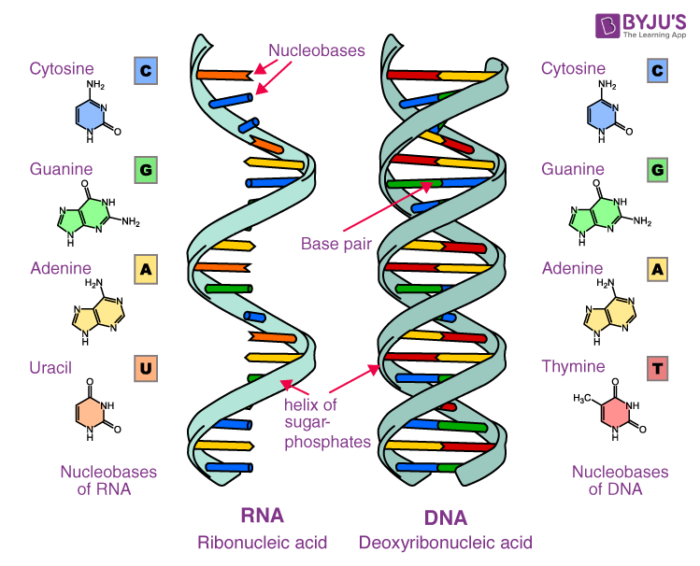
In the landscape of modern technology, we often view software as a collection of binary code—zeros and ones that dictate the behavior of our machines. However, as we push the boundaries of computing, storage, and engineering, we are increasingly looking toward nature’s original operating system: nucleic acids. Deoxyribonucleic acid (DNA) and Ribonucleic acid (RNA) are no longer strictly the domain of biology; they have become the high-tech focus of data scientists, software engineers, and biotechnologists.
To understand the function of nucleic acids through a technological lens is to recognize them as the most sophisticated information storage and processing units in existence. In the tech sector, nucleic acids function as programmable matter, high-density storage drives, and the foundational data for the burgeoning field of bioinformatics.
Nucleic Acids as High-Density Data Storage Media
One of the most revolutionary technological functions of nucleic acids is their capacity for data storage. As the global production of data outpaces the manufacturing of traditional silicon-based storage (hard drives and flash memory), tech giants are turning to DNA as a solution for long-term cold storage.
The Density Advantage: Silicon vs. DNA
In traditional computing, we store data on magnetic or solid-state surfaces. Even the most advanced servers have physical limits regarding how much data can be packed into a cubic centimeter. Nucleic acids, however, operate at a molecular level. A single gram of DNA can theoretically store up to 215 petabytes (215 million gigabytes) of data. From a tech perspective, the function of nucleic acids here is to serve as an ultra-compact archival medium that could potentially house the entire internet’s worth of data in a space no larger than a shoebox.
Longevity and Error Correction
Current digital storage media degrade over decades; CDs rot, and hard drives fail. Nucleic acids are incredibly stable. When kept in the right conditions, DNA can remain intact for thousands of years. Technology firms are currently developing “biological file systems” that include error-correcting codes—similar to those used in telecommunications—to ensure that when DNA is “read” (sequenced) and “written” (synthesized), the digital information remains 100% accurate. In this context, the function of the nucleic acid is to provide a durable, hardware-independent format for human knowledge.
Bioinformatics and the Algorithmic Analysis of Life
If nucleic acids are the hardware and the code, bioinformatics is the software suite used to analyze them. The tech industry has adopted the study of DNA sequences as a massive data science challenge, requiring advanced algorithms and high-performance computing (HPC).
Sequence Alignment and Big Data Processing
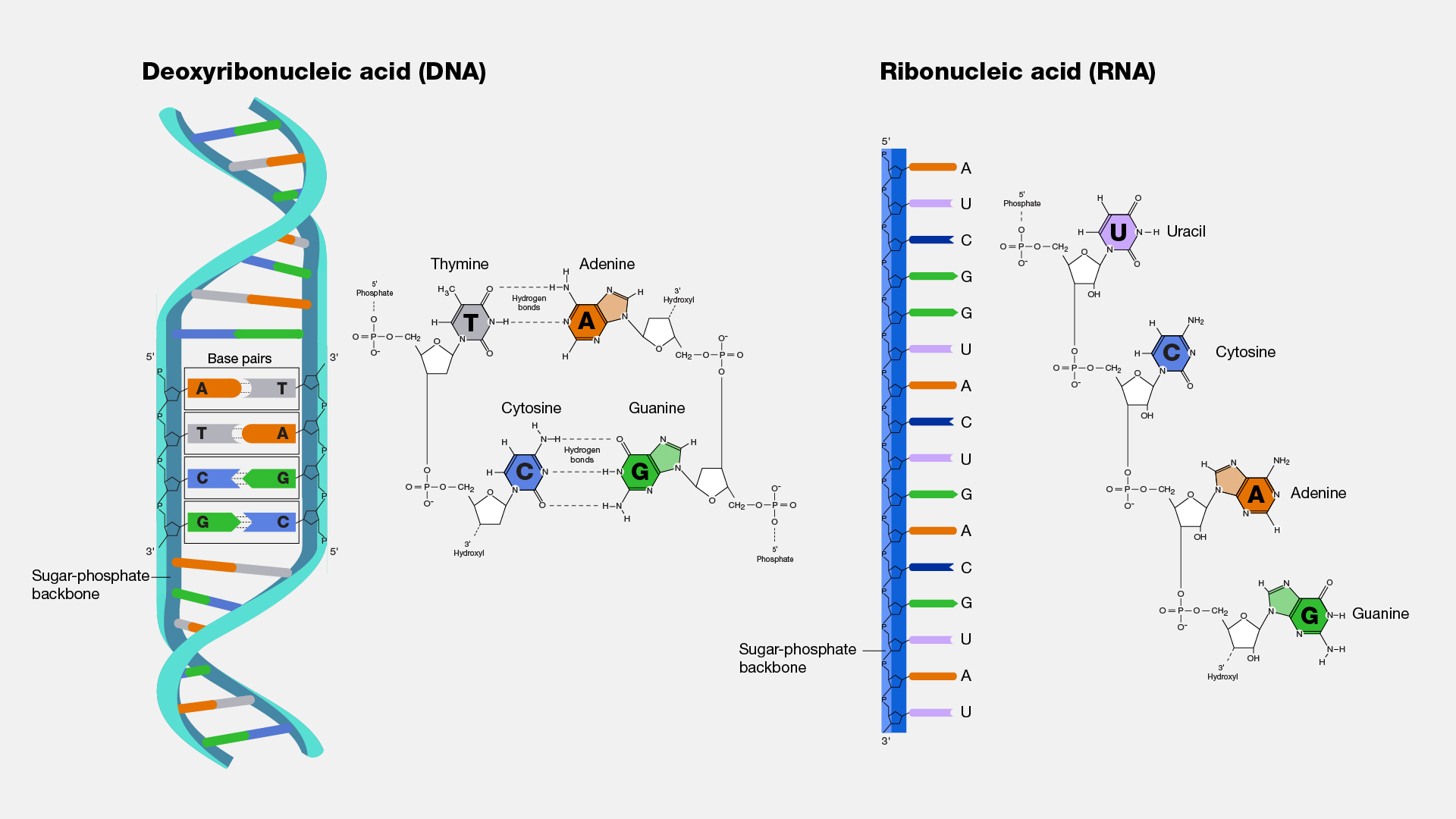
The primary function of nucleic acids in the tech world is to serve as a complex input for pattern-recognition algorithms. Mapping the human genome involves processing three billion base pairs. Software tools like BLAST (Basic Local Alignment Search Tool) use sophisticated heuristics to compare DNA sequences. Here, nucleic acids function as the raw data points that allow developers to build predictive models for health, evolution, and synthetic biological functions.
Machine Learning and Protein Folding
One of the greatest triumphs of Artificial Intelligence in recent years is DeepMind’s AlphaFold. This technology relies on the premise that the sequence of nucleic acids dictates the structure of proteins. By treating DNA sequences as “text” or “strings,” machine learning models can predict 3D biological structures with incredible precision. In this ecosystem, the function of nucleic acids is to act as the “training data” for neural networks, enabling a new era of computational biology where we can simulate life before we ever step into a physical lab.
Synthetic Biology: Programming with DNA
Beyond just reading data, technology now allows us to “write” it. Synthetic biology is essentially “biological software engineering,” where the function of nucleic acids is to serve as a programmable language for creating new biological functions.
CRISPR-Cas9 as a “Search and Replace” Utility
In the world of software development, we use integrated development environments (IDEs) to edit code. In the tech-bio sector, CRISPR technology acts as the cursor and the “find and replace” function for the genome. By utilizing RNA as a guide, researchers can target specific locations on a DNA strand to edit information. This technological application transforms nucleic acids from a passive blueprint into an active, editable interface, allowing us to “patch” genetic bugs or “install” new traits in organisms.
DNA Synthesis and Bio-Foundries
Modern “bio-foundries” are high-tech factories that use automated systems to synthesize nucleic acids from scratch. Instead of relying on natural reproduction, engineers use software to design custom DNA sequences that produce specific enzymes or materials. In this framework, nucleic acids function as the “source code” for biomanufacturing. This allows the tech industry to move away from petroleum-based plastics and toward biological alternatives, programmed at the molecular level.
Cybersecurity and the Biometric Frontier
As we integrate nucleic acids into the digital world, they have taken on a critical function in the realm of digital security and biometrics. Our genetic code is the ultimate unique identifier, creating both opportunities and challenges for the cybersecurity industry.
Genetic Encryption and Digital Identity
Nucleic acids are increasingly being viewed as a potential tool for encryption. Because of the vast complexity of DNA sequences, they can be used to generate truly random cryptographic keys that are nearly impossible to brute-force. Furthermore, as biometric tech moves beyond fingerprints and facial recognition, “DNA-of-things” (DoT) technology is emerging. This involves embedding DNA-encoded information into physical objects to verify authenticity, effectively using nucleic acids as a forensic-grade digital watermark.
The Ethics of Biological Data Security
With the rise of consumer genomics, our most private data—our nucleic acid sequences—is being stored in the cloud. This has birthed a new niche in digital security: Genomic Privacy. The function of nucleic acids in this space is to act as a catalyst for new security protocols, such as homomorphic encryption, which allows computers to analyze encrypted genetic data without ever actually “seeing” the raw code. This ensures that while we benefit from the technological functions of DNA, we do not compromise the fundamental privacy of the individual.
The Future of Bio-Computing
The most cutting-edge technological function of nucleic acids lies in the development of DNA computers. Unlike silicon chips that use electrical signals, DNA computers use the chemical properties of nucleic acids to perform calculations.
Parallel Processing at the Molecular Level
Traditional computers are largely linear, processing tasks one after another or across a limited number of cores. A DNA-based computer can perform billions of operations simultaneously because the “calculations” happen through the spontaneous bonding of millions of DNA strands. In this advanced tech niche, the function of nucleic acids is to replace the transistor entirely, offering a path toward massive parallel processing that could one day rival quantum computing for specific optimization problems.
Conclusion: The Convergence of Bio and Tech
The function of nucleic acids has evolved far beyond the boundaries of the cell. In the modern tech landscape, DNA and RNA are viewed as the ultimate tools for storage, programming, and computation. By treating the biological world as a digital one, we are unlocking the potential to store the world’s data in drops of liquid, program cells to manufacture hardware, and use the code of life to secure our digital identities. As we continue to bridge the gap between silicon and carbon, nucleic acids will remain the most vital “tech” we have ever encountered.
aViewFromTheCave is a participant in the Amazon Services LLC Associates Program, an affiliate advertising program designed to provide a means for sites to earn advertising fees by advertising and linking to Amazon.com. Amazon, the Amazon logo, AmazonSupply, and the AmazonSupply logo are trademarks of Amazon.com, Inc. or its affiliates. As an Amazon Associate we earn affiliate commissions from qualifying purchases.