
In the intricate landscape of digital security and forensic technology, the validity of evidence often hinges not just on the integrity of the data, but on the methodology used to retrieve and interpret it. As software-driven investigations become the cornerstone of corporate litigation and cybersecurity defense, professionals must navigate the legal frameworks that determine what constitutes “admissible science.” Central to this framework, particularly in many U.S. state courts, is the Frye Standard. Understanding this standard is essential for any technical professional working in digital forensics, as it dictates how innovative analytical tools are vetted before they can be utilized in a court of law.
The Origin and Evolution of the Frye Standard
The Frye Standard finds its roots in the 1923 landmark case Frye v. United States. The case involved a defendant, James Alphonzo Frye, who sought to introduce the results of a precursor to the modern polygraph test—a systolic blood pressure deception test—to prove his innocence. The D.C. Circuit Court of Appeals rejected the evidence, establishing a rule that has echoed through the halls of justice for a century.
The “General Acceptance” Rule
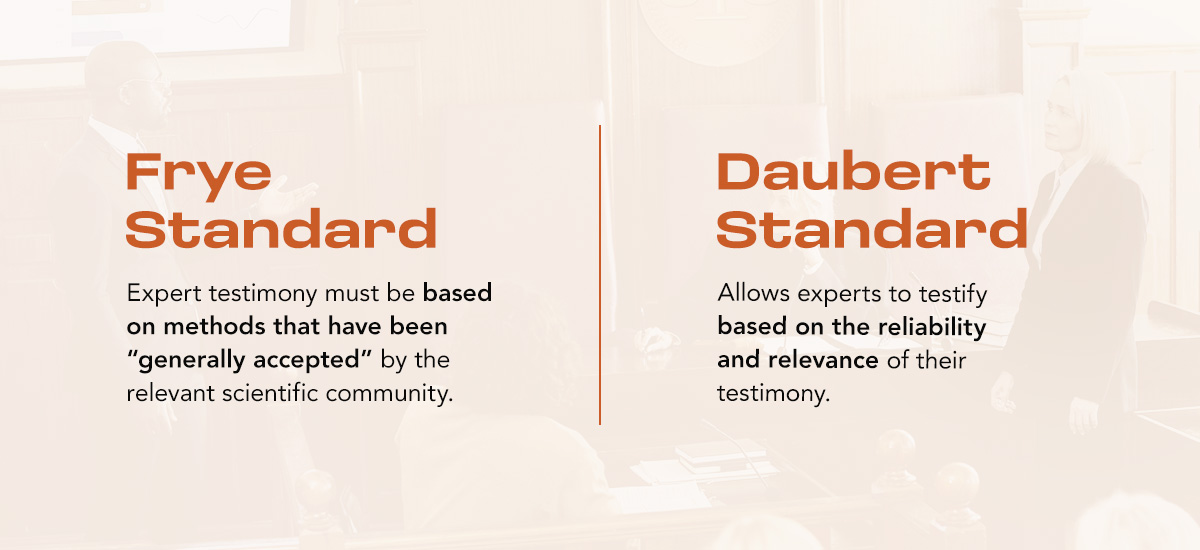
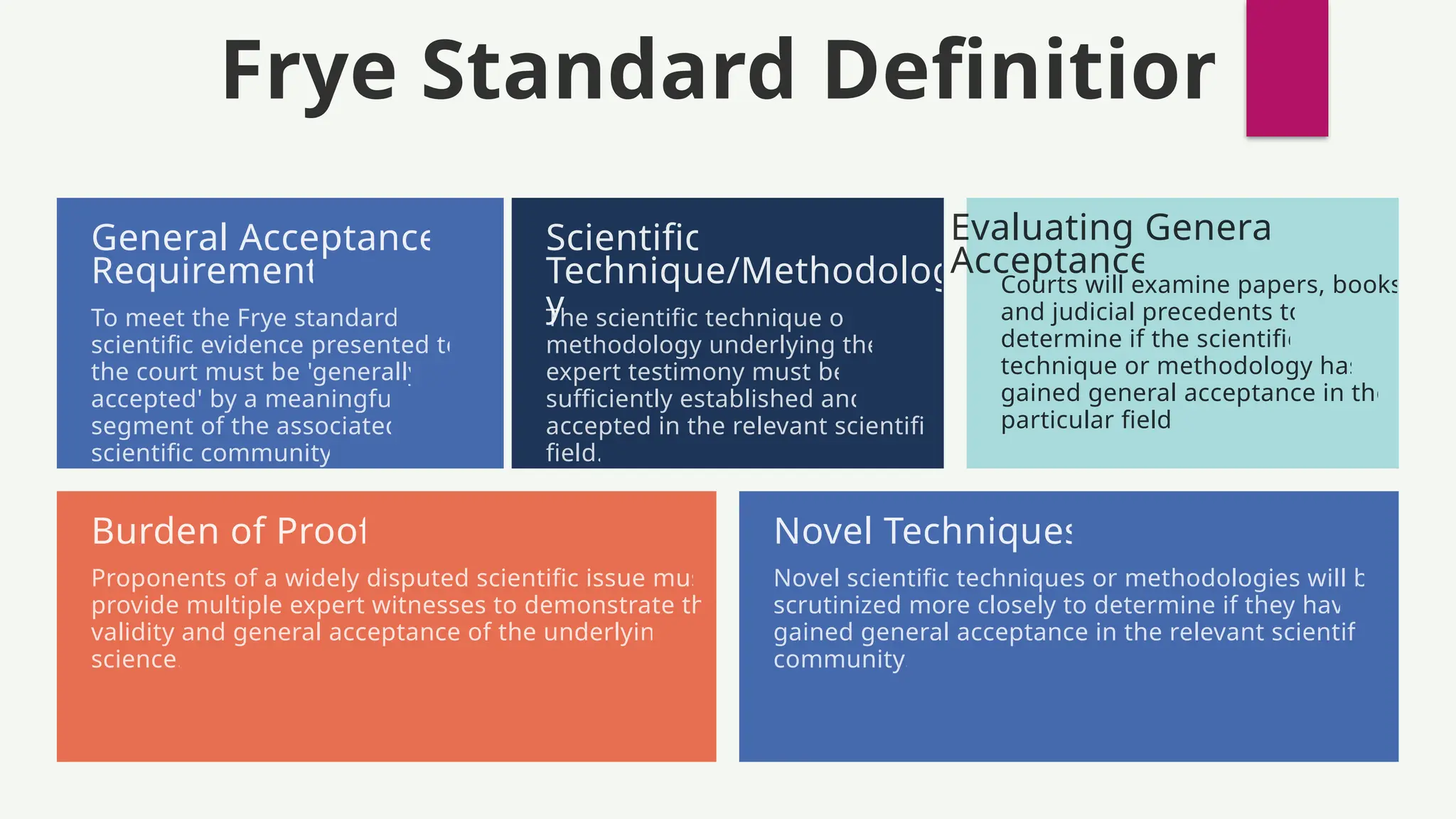
The core of the Frye Standard is the “general acceptance” test. The court ruled that for a scientific technique to be admissible, the thing from which the deduction is made must be sufficiently established to have gained “general acceptance” in the particular field in which it belongs.
In the modern context of digital forensics, this creates a high hurdle for emerging software tools. If a forensic analyst develops a proprietary algorithm to decrypt a new type of encrypted file system, they cannot simply present the output as factual. They must demonstrate that the methods and algorithms underlying their software are widely recognized and accepted by the broader community of computer science and cybersecurity experts.
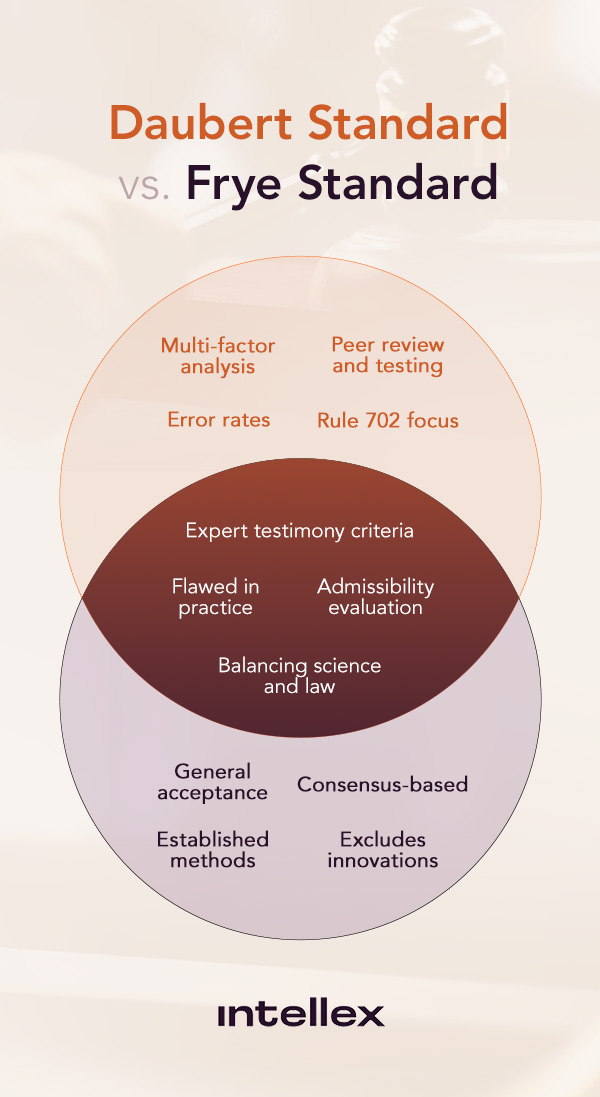
Frye vs. Daubert
While the Frye Standard remains the law in many jurisdictions, it often exists in contrast to the Daubert Standard, which emerged from the 1993 Supreme Court case Daubert v. Merrell Dow Pharmaceuticals, Inc.. The Daubert Standard shifts the role of the judge to a “gatekeeper,” focusing more on the scientific method—testability, peer review, error rates, and established standards. While these standards share a common goal of keeping “junk science” out of the courtroom, the Frye Standard remains inherently more conservative, focusing on the consensus of the scientific community rather than the methodological rigorousness of a specific test.
Digital Forensics and the Frye Challenge
For professionals in the cybersecurity and digital forensics space, the Frye Standard is not merely a legal theory; it is a tactical consideration in tool selection. When an organization faces a data breach or internal investigation, the tools used to identify the culprit or the scope of the exfiltration must pass the “general acceptance” test if the findings are ever to be used in litigation.
The Problem with Proprietary Software
Many modern forensic tools are proprietary, black-box applications. When a software vendor creates an AI-driven tool for behavioral analysis or malware detection, they often keep the source code confidential to protect trade secrets. However, the Frye Standard poses a significant challenge to this business model. If a court cannot determine if a tool is generally accepted because the internal logic is opaque, the evidence produced by that tool can be deemed inadmissible.
Forensic experts must therefore ensure that the tools they deploy are backed by:
- Peer-Reviewed Methodology: Has the underlying logic been published in reputable cybersecurity journals?
- Community Validation: Is the tool widely used by major law enforcement agencies or established forensic firms?
- Scientific Transparency: Can the core functions of the software be explained and verified by third-party experts?
Software Trends and the “General Acceptance” Gap
The technology sector moves significantly faster than the legal system. When a new category of technology emerges—such as blockchain forensic analysis or deepfake detection software—there is a temporary period where that technology is effective but not yet “generally accepted” by the scientific community at large. During this period, forensic firms may find themselves in a precarious position. They have the capability to extract critical evidence, but they lack the legal standing to introduce that evidence into a court operating under the Frye Standard. This creates a reliance on established, older methodologies, even when newer, more efficient, and more accurate software alternatives exist.
Implementing Forensic Rigor in Technical Workflows
To mitigate the risks associated with the Frye Standard, cybersecurity firms must incorporate a layer of legal consciousness into their technical operations. If you are building or selecting software for forensic work, you must treat compliance and “general acceptance” as a core product feature.
Validating Tools Through Documentation
Every forensic investigation should begin with a robust validation phase. Before running an automated tool, engineers should verify if the tool has been the subject of any Daubert or Frye challenges in past cases. Documentation should include a summary of:
- The scientific theory supporting the software’s approach.
- Relevant white papers or academic citations.
- Cross-verification steps—using a secondary, independently accepted tool to corroborate the findings of the new, experimental software.
The Role of Independent Audits
For companies developing forensic software, undergoing independent audits is the best way to bypass the Frye barrier. Engaging third-party academic researchers to verify the accuracy of the software and publishing those findings in peer-reviewed contexts essentially “manufactures” the general acceptance required for legal admissibility. By moving a tool from a “proprietary black box” to a “vetted scientific instrument,” companies can ensure their software remains indispensable to legal teams and law enforcement agencies.
The Future of Evidence in a Tech-Driven World
As we look toward the future, the definition of “general acceptance” will inevitably evolve to encompass the rapid advancements in artificial intelligence and machine learning. We are entering an era where algorithms will be the primary witnesses in many forensic cases.
AI and Machine Learning Considerations
The challenge for the next decade will be reconciling the non-deterministic nature of machine learning with the deterministic expectations of the Frye Standard. If an AI model adapts over time, is it the same “technique” that was initially accepted? Courts are only beginning to grapple with this. Forensic analysts will need to maintain strict version control and “model card” documentation to prove to the court that the version of the software used in the investigation is the same version that has achieved general scientific acceptance.
Bridging the Gap
The divide between the legal system and the technology sector remains wide. However, for those in the cybersecurity and forensic industries, the Frye Standard should be viewed not as an obstacle to innovation, but as a framework for quality assurance. By prioritizing methodologies that are transparent, peer-reviewed, and widely acknowledged, professionals ensure that their work not only survives the scrutiny of opposing counsel but also contributes to a higher standard of truth in the digital age.
Ultimately, the Frye Standard serves as a vital reminder that in the high-stakes world of evidence, technical efficacy is only half the battle. The other half is ensuring that the community—your peers, your critics, and ultimately, the judges—agrees that your method is not just clever, but scientifically sound. Whether you are developing the next generation of forensic software or analyzing logs in a high-profile breach, your path to admissibility relies on the strength of your professional community’s consensus.
aViewFromTheCave is a participant in the Amazon Services LLC Associates Program, an affiliate advertising program designed to provide a means for sites to earn advertising fees by advertising and linking to Amazon.com. Amazon, the Amazon logo, AmazonSupply, and the AmazonSupply logo are trademarks of Amazon.com, Inc. or its affiliates. As an Amazon Associate we earn affiliate commissions from qualifying purchases.