
In the competitive landscape of the global beverage industry, few products command as much regional loyalty and nostalgic equity as root beer. To the uninitiated, the question “what is the flavor of root beer?” might seem straightforward, yet for brand strategists and marketing professionals, the answer is a complex blend of sensory chemistry, historical legacy, and masterful brand positioning. Unlike a single-fruit soda like orange or grape, root beer is a “composed” flavor—a proprietary orchestration of roots, barks, and spices that serves as a case study in how a brand can own a specific sensory experience.

To define the flavor of root beer is to understand the intersection of botanical heritage and modern consumer psychology. It is not merely a taste; it is a brand identity that has survived regulatory shifts, changing health trends, and the rise of massive multinational conglomerates.
The Sensory Identity: Deciphering the Root Beer Brand DNA
At its core, root beer is a carbonated beverage originally derived from the root of the sassafras plant or the sarsaparilla vine. However, the flavor profile we recognize today is a sophisticated architectural feat of food engineering designed to elicit a specific emotional response.
The Sassafras Legacy and Regulatory Pivot
Historically, the defining “flavor” of root beer came from sassafras root bark. However, in 1960, the U.S. Food and Drug Administration (FDA) banned safrole, the primary component of sassafras oil, due to health concerns. This presented one of the most significant brand challenges in beverage history: how do you maintain a product’s identity when its core ingredient is legally stripped away?
The industry’s response was a triumph of brand resilience. Chemists and flavorists developed “safrole-free” extracts that mimicked the earthy, woody, and slightly medicinal notes of the original root. This pivot solidified the modern flavor profile of root beer—not as a natural extract, but as a carefully constructed brand concept. Today, the flavor is a symphony of wintergreen (methyl salicylate), vanilla, licorice, anise, and nutmeg. The “flavor” is essentially a proprietary secret, varying wildly from one brand to another, creating a landscape of intense brand loyalty.
The Anatomy of a Flavor Profile
The sensory experience of root beer is categorized by several distinct pillars:
- The Sweet Base: Most mass-market root beers rely on a heavy vanilla or molasses foundation to provide a “round” mouthfeel.
- The “Bite”: This is often achieved through carbonation levels and the inclusion of wintergreen or ginger, providing a sharp contrast to the sweetness.
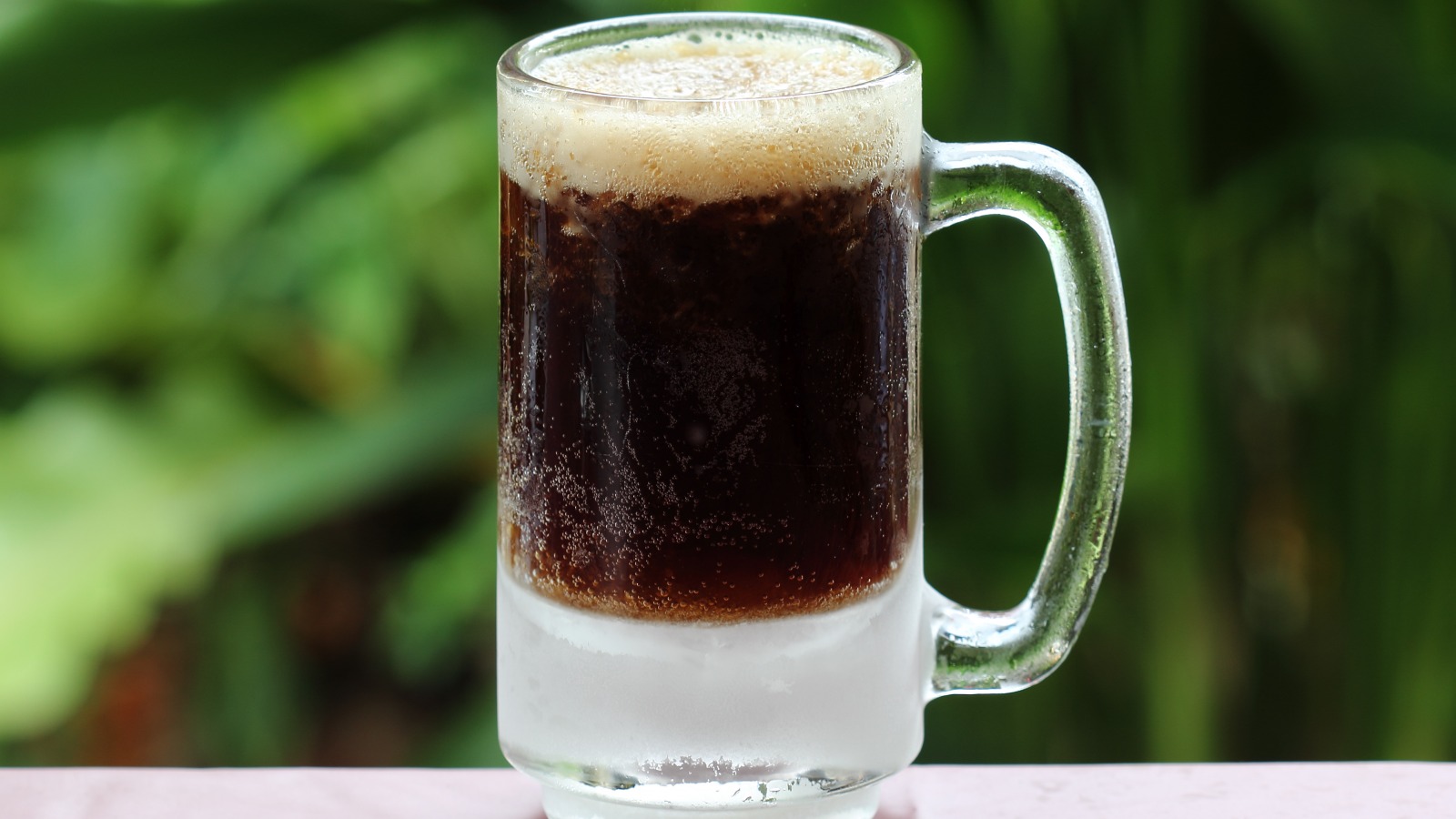
- The Creamy Finish: A signature of the “premium” root beer brand is a long-lasting foam head, achieved through the use of yucca extract or other foaming agents, which mimics the experience of a draught beer.
Nostalgia as a Marketing Catalyst
The flavor of root beer is inextricably linked to the American experience. For a brand, this is an invaluable asset. When a consumer asks for a root beer, they are often not just seeking a sugary drink; they are seeking a connection to a perceived era of innocence and community.
The All-American Diner Aesthetic
Brands like A&W and Stewart’s have successfully leveraged the “Flavor of Root Beer” to anchor their corporate identity in the 1950s diner aesthetic. This is a deliberate brand strategy known as “heritage marketing.” By associating the flavor with frosted mugs, drive-ins, and family outings, these companies have insulated themselves against the volatility of the modern soda market. While “Colas” are often associated with youth and high-energy lifestyle branding, root beer is positioned as a comfort beverage.
Emotional Branding Through Memory
The “Root Beer Float” is perhaps the most successful co-branding ritual in culinary history. By wedding the spicy, herbaceous notes of root beer with the creamy sweetness of vanilla ice cream, brands created a consumption ritual that spans generations. From a brand strategy perspective, this makes root beer “occasion-based.” It isn’t just a beverage; it’s a celebration or a reward. This emotional anchoring allows root beer brands to maintain high margins and shelf-space visibility even as general soda consumption fluctuates.
Market Segmentation: Artisanal vs. Mass-Market Positioning

The question of “what is the flavor” changes depending on which market segment a brand occupies. In the modern beverage economy, we see a sharp divide between the “Big Three” and the burgeoning craft movement.
The Rise of the Craft Root Beer Movement
In the last two decades, the “flavor” of root beer has undergone a premiumization. Craft brands like Virgil’s, Boylan, and Maine Root have redefined the flavor profile by stripping away high-fructose corn syrup in favor of cane sugar, honey, or maple syrup.
These brands focus on “botanical transparency.” They market their flavor through the lens of individual ingredients—anise, pipsissewa, cloves, and birch bark. This appeals to the modern “prosumer” who values authenticity and complexity over uniform sweetness. For these brands, the flavor isn’t just a recipe; it’s a narrative of craftsmanship. They use glass bottles and vintage-inspired labels to communicate a brand story of “slow” production, contrasting with the high-speed canning lines of global competitors.
Distribution Strategies for Beverage Giants
In contrast, mass-market brands like Barq’s (owned by Coca-Cola) and Mug (owned by PepsiCo) use flavor as a tool for market differentiation.
- Barq’s: Famous for the slogan “Barq’s has bite,” its flavor profile is sharper, more caffeinated, and less creamy. This positions it toward a younger, more active demographic.
- A&W: Positions itself as the gold standard for smoothness. Its flavor is heavy on vanilla and creaminess, aiming for a broader, family-oriented demographic.
- Mug: Focuses on a balanced, “easy-drinking” profile that competes directly on price point and availability in fast-food chains.
From a brand perspective, these companies don’t just sell root beer; they sell a specific version of the root beer experience, ensuring that no matter the consumer’s preference for “bite” or “smoothness,” there is a brand to fill that niche.
The Future of Root Beer Branding in a Health-Conscious Era
As consumer preferences shift toward wellness and reduced sugar intake, the brand identity of root beer faces its next major evolution. The “flavor” of root beer is traditionally associated with high caloric content and heavy sweeteners, which poses a challenge for future-proofing these brands.
Zero-Sugar Innovation and Natural Alternatives
The challenge for a brand like A&W or Dad’s is to create a “Zero Sugar” version that maintains the complex, multi-layered flavor profile. Because root beer relies so heavily on a “syrupy” mouthfeel, removing sugar often ruins the brand’s signature texture.
Innovative brands are now experimenting with monk fruit, stevia, and allulose to recreate the “roundness” of traditional root beer. We are also seeing the rise of “Prebiotic Sodas” like Olipop, which have successfully hijacked the root beer flavor profile to market a health product. By using ingredients like marshmallow root and slippery elm, they are providing the “flavor” of nostalgia while delivering functional health benefits. This is a masterclass in brand repositioning: taking a “guilty pleasure” flavor and turning it into a “wellness” ritual.
Global Expansion and Cultural Adaptation
While root beer is a staple in North America, its flavor is often polarizing internationally. In many European and Asian markets, the wintergreen notes are associated with medicinal ointments or toothpaste. For a brand to go global with root beer, they must decide whether to lean into the “Americana” novelty or to tweak the flavor profile to be more palatable to local tastes—perhaps by dialing down the wintergreen and increasing the vanilla or spice notes.
Conclusion: The Enduring Brand of a Root
What is the flavor of root beer? It is the taste of a brand that has refused to die. It is a mixture of sarsaparilla, wintergreen, and vanilla, but more importantly, it is a mixture of history, nostalgia, and clever market positioning.
For the brand strategist, root beer proves that a product’s identity is not defined by a single ingredient, but by the story that ingredient tells. Whether it is the “bite” of a Barq’s on a hot summer day or the artisanal complexity of a micro-brewed Virgil’s, the flavor of root beer remains one of the most distinctive and resilient assets in the world of marketing. It is a flavor that proves that when you build a brand around an experience rather than just a commodity, you create a product that can transcend generations.
aViewFromTheCave is a participant in the Amazon Services LLC Associates Program, an affiliate advertising program designed to provide a means for sites to earn advertising fees by advertising and linking to Amazon.com. Amazon, the Amazon logo, AmazonSupply, and the AmazonSupply logo are trademarks of Amazon.com, Inc. or its affiliates. As an Amazon Associate we earn affiliate commissions from qualifying purchases.