
The fifth wheel coupling system, a cornerstone of heavy-duty transportation, represents a marvel of mechanical engineering that facilitates the seamless and safe connection between a tractor unit and its semi-trailer. Far from being a mere static component, the fifth wheel is a dynamic interface crucial for weight distribution, vehicle articulation, and overall road safety. For anyone involved in the operation or maintenance of commercial vehicles, understanding the intricacies of this system and, more specifically, the correct procedures for its adjustment, is paramount. This isn’t just about turning wrenches; it’s about optimizing a critical piece of transport technology for peak performance, safety, and longevity. The process, while seemingly straightforward, demands a systematic approach, starting with a foundational “first step” that sets the stage for accurate and secure adjustments.
Understanding the Fifth Wheel’s Critical Role in Logistics Technology
The fifth wheel is more than just a hitch; it’s a sophisticated coupling mechanism designed to manage immense forces, facilitate precise steering, and ensure stability across varying terrains and load conditions. Its design and operation are deeply embedded in the broader technological landscape of modern logistics.
The Engineering Marvel of Heavy-Duty Coupling
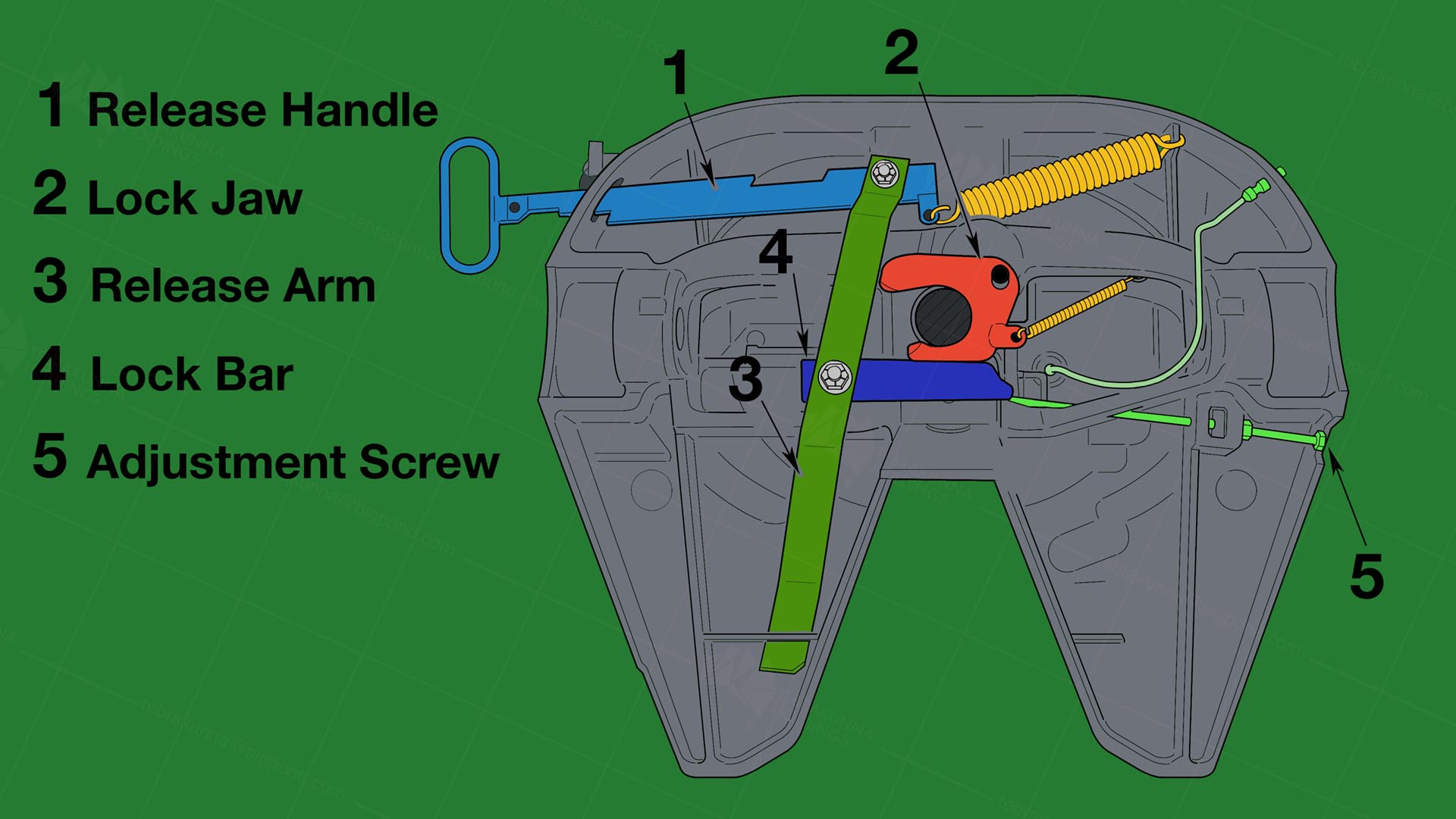
At its core, a fifth wheel operates on a simple yet robust principle: a flat plate on the tractor unit, typically made of high-strength steel or aluminum, provides a bearing surface for a matching plate on the trailer, which houses the kingpin. The kingpin then slides into a locking mechanism (jaws) within the fifth wheel, creating a secure, yet flexible, pivot point. This arrangement allows the trailer to rotate relative to the tractor, enabling turns and maneuvering, while distributing vertical load evenly over the tractor’s drive axles.
Different fifth wheel designs exist, each with specific engineering characteristics:
- Stationary Fifth Wheels: Fixed to the tractor frame, offering stability for certain applications.
- Sliding Fifth Wheels: Allow fore-and-aft adjustment of the coupling point, crucial for weight distribution compliance and maneuverability.
- Air-Ride Fifth Wheels: Incorporate air springs to absorb road shock, protecting both the cargo and the vehicle’s components, effectively integrating advanced suspension technology into the coupling.
Understanding these variations is the first conceptual step in appreciating the “tech” involved; each type brings its own set of adjustment considerations and operational nuances, demanding a detailed understanding of its mechanical and structural properties.
Safety and Performance Imperatives
The proper functioning and adjustment of the fifth wheel are non-negotiable for safety and performance. An improperly adjusted fifth wheel can lead to catastrophic failures, including:
- Accidental Trailer Disengagement: If the locking jaws are not properly adjusted or maintained, the kingpin could release, leading to a runaway trailer.
- Poor Weight Distribution: Incorrect height or sliding position can overload axles, leading to tire blowouts, reduced braking efficiency, and violations of weight regulations.
- Excessive Wear and Tear: Misalignment or inadequate lubrication can accelerate wear on tires, suspension components, and even the tractor’s frame, increasing maintenance costs and downtime.
- Reduced Fuel Efficiency: Suboptimal weight distribution and aerodynamics caused by improper coupling height can significantly impact fuel consumption, a major operational cost for fleets.
Therefore, the adjustment process is not just a routine maintenance task; it’s a critical safety protocol and a key element in optimizing the operational technology of a heavy-duty vehicle, ensuring it performs reliably and efficiently within its designed parameters.
Pre-Adjustment Protocols: The True “First Step” in Fifth Wheel Optimization
When addressing the direct question, “what is the first step when adjusting the fifth wheel?”, the answer lies not in immediate physical manipulation of the component, but in a series of crucial preparatory actions. These protocols are the bedrock of any successful and safe adjustment process, embodying the meticulous approach characteristic of technical maintenance.
Securing the Vehicle and Work Area
Before any tools are even considered, the absolute first physical step is to ensure the safety of the technician and the stability of the vehicle. This foundational step is paramount:
- Park on Level Ground: This ensures accurate measurements and prevents unintended movement of the vehicle during adjustments.
- Engage Parking Brakes: Activate the parking brakes on both the tractor and, if applicable, the trailer (or ensure the trailer is securely parked if it’s being coupled). This prevents rolling.
- Chock Wheels: Place chocks firmly against the wheels of both the tractor and the trailer. This provides an additional layer of security against any accidental movement.
- Ensure Adequate Lighting and Clear Workspace: A well-lit area free from obstructions allows for clear visibility of components and safe maneuverability around the vehicle.
- Wear Appropriate Personal Protective Equipment (PPE): Safety glasses, gloves, and appropriate footwear are essential to protect against potential hazards during the adjustment process.
This sequence of actions creates a controlled environment, mitigating risks and enabling precise work, which is a hallmark of professional technical operations.
Gathering Necessary Tools and Reference Materials
Once the work area is secured, the next preparatory step involves assembling the correct resources. This is where a technician’s understanding of “tech” extends to leveraging documentation and specialized equipment.
- Tools: This typically includes a set of heavy-duty wrenches (open-end, box, or socket), a torque wrench for precise fastener tightening, a grease gun, a measuring tape, and possibly pry bars or lifting jacks depending on the specific adjustment.
- Manufacturer’s Manual: Crucially, consult the specific fifth wheel manufacturer’s service manual or the vehicle manufacturer’s maintenance guide. These documents contain vital information such as recommended adjustment procedures, torque specifications, acceptable clearances, and lubrication schedules specific to the model. In today’s digital age, these manuals are often available online, through QR codes on the equipment, or via dedicated diagnostic software, making them an integrated part of the ‘tech’ toolkit.
Initial Inspection and Assessment
With the vehicle secured and tools at hand, a thorough preliminary inspection is the final preparatory step before commencing any actual adjustment. This assessment helps diagnose the issue and determine the precise type of adjustment required.
- Visual Check for Damage and Wear: Look for signs of cracks, excessive corrosion, bent components, or loose fasteners on the fifth wheel plate, mounting brackets, locking jaws, and kingpin.
- Check Lubrication: Ensure all moving parts and the top plate are adequately lubricated. Dry components indicate neglect and can lead to premature wear.
- Assess the “Why”: Understand why an adjustment is needed. Is it for a new trailer with a different kingpin height? To comply with bridge laws by adjusting the sliding fifth wheel? To correct excessive slack in the locking jaws? Or simply part of routine preventative maintenance? This diagnostic approach is critical for effective “tech” intervention.
Types of Fifth Wheel Adjustments and Their Technological Implications
The need for adjustment stems from various operational requirements or wear patterns, each demanding a specific technical approach.
Height Adjustment

This is perhaps the most common adjustment, critical for ensuring the trailer is level and the correct kingpin height relationship with the fifth wheel is maintained.
- Implications: Proper height prevents undue stress on the trailer’s suspension, optimizes aerodynamic efficiency, and ensures safe coupling and uncoupling. An unlevel trailer can lead to uneven tire wear and an unstable ride.
- Methods: Height is typically adjusted by adding or removing shims between the fifth wheel and its mounting brackets, or by modifying the risers. For air-ride fifth wheels, air pressure adjustments might be involved, highlighting a blend of mechanical and pneumatic technologies.
Fore/Aft (Sliding) Adjustment
Found on sliding fifth wheels, this adjustment allows the coupling point to move along the tractor’s frame.
- Implications: This is vital for distributing weight over the tractor’s axles to comply with state and federal weight laws (bridge laws), optimizing the turning radius for maneuverability, and influencing the overall vehicle’s stability and fuel economy.
- Methods: Typically involves releasing a locking mechanism (often air-activated on modern trucks), sliding the fifth wheel forward or backward to the desired position, and then re-engaging the locks. The precision of these adjustments, often measured in inches, underscores the technical requirements.
Jaw/Locking Mechanism Adjustment
The locking jaws are the heart of the secure connection. Over time, wear can introduce excessive slack between the jaws and the kingpin, which is a significant safety hazard.
- Implications: Proper adjustment ensures a tight, secure connection, preventing wear on the kingpin and reducing “chucking” (fore-aft movement) during acceleration and braking.
- Methods: Some fifth wheels allow for adjustment of the jaw tension via shims or adjusting screws. Others might have fixed jaws, meaning the entire jaw assembly or even the fifth wheel top plate needs replacement if wear is excessive. This decision-making process requires a keen eye for wear patterns and knowledge of specific component designs.
Executing the Adjustment with Precision and Digital Assistance
Once the preliminary steps are complete and the specific adjustment identified, the execution phase demands meticulous attention to detail and adherence to established technical guidelines.
Following Manufacturer’s Specifications
This cannot be overstated. Every fifth wheel model has unique specifications, particularly regarding torque values for fasteners and precise measurements for adjustments.
- Adherence to Torque: Over-tightening can strip threads or damage components, while under-tightening can lead to loose connections and failure. Using a calibrated torque wrench is essential, reflecting precision engineering standards.
- Digital Manuals: Modern vehicle and component manufacturers increasingly provide digital manuals accessible via tablets or fleet management software. These digital resources often include interactive diagrams, video tutorials, and even augmented reality overlays to guide technicians through complex procedures, further integrating digital “tech” into hands-on maintenance.
Using Appropriate Tools and Techniques
- Proper Lifting/Support: If components need to be moved or raised for adjustment (e.g., shims for height), use appropriate lifting equipment and safety stands to support the weight.
- Cleanliness: Ensure all mating surfaces are clean before reassembly, and apply fresh, appropriate lubricant as specified by the manufacturer.
- Systematic Approach: Adjust one parameter at a time, re-checking previous adjustments if multiple changes are made, to ensure no cascading errors.
Post-Adjustment Verification and Testing
After making an adjustment, thorough verification is critical to confirm its success and safety.
- Re-inspect All Fasteners: Double-check that all bolts and nuts are securely tightened to their specified torque.
- Perform a “Tug Test”: For coupling adjustments, a tug test involves backing the tractor against the trailer with the trailer brakes set, confirming the kingpin is fully engaged and the jaws are securely locked. This simulates operational forces to verify the connection.
- Measure and Confirm Settings: Re-measure any adjusted dimensions (e.g., height, fore/aft position) to ensure they fall within the manufacturer’s specified range.
- Logging Maintenance: Document the adjustments made, the date, and the technician responsible. Digital maintenance logs within fleet management software not only track service history but can also trigger alerts for future preventative maintenance, demonstrating the integration of maintenance with broader IT systems.
Maintaining Optimal Fifth Wheel Performance: A Long-Term Tech Strategy
Proper adjustment is just one piece of the puzzle. Sustaining optimal fifth wheel performance requires ongoing attention and preventative maintenance, viewed as a long-term technological strategy.
Regular Lubrication Schedules
Lubrication is vital for reducing friction and wear on the fifth wheel’s components.
- Types of Grease: Use the specific type of grease recommended by the manufacturer (e.g., chassis grease, extreme pressure grease).
- Frequency: Adhere to the recommended lubrication schedule, which can vary based on operational intensity and environmental conditions.
- Automated Systems: Some advanced tractor units are equipped with automated lubrication systems that periodically dispense grease to critical points, including the fifth wheel, showcasing an integration of smart “tech” for proactive maintenance.
Periodic Inspections and Preventative Maintenance
Establishing a routine for visual inspections and preventative maintenance goes beyond just adjustments.
- Wear Plate Inspection: Regularly check the wear plate (the top surface) for gouges, cracks, or excessive wear that could indicate misalignment or lack of lubrication.
- Kingpin Inspection: Examine the kingpin on trailers for wear, particularly the neck area where it meets the fifth wheel jaws.
- Mounting Bolts: Routinely check the tightness of all mounting bolts that secure the fifth wheel to the tractor frame.
- Early Detection: This proactive approach helps in early detection of potential issues, allowing for corrective action before they escalate into costly repairs or safety hazards.
Integrating with Fleet Management Systems
For large fleets, the maintenance and performance of fifth wheels are often integrated into comprehensive fleet management systems.
- Uptime Data: Proper fifth wheel maintenance directly contributes to vehicle uptime, a key performance indicator tracked by these systems.
- Predictive Maintenance: Data from sensors (though less common directly on fifth wheels, but increasingly seen on related components like suspension) combined with maintenance logs can help predict when components might need attention, moving towards a predictive maintenance model.
- Resource Allocation: Data-driven insights help fleet managers optimize maintenance schedules and allocate resources efficiently, treating each vehicle’s components as part of a larger, interconnected technological ecosystem.

Conclusion
The question “what is the first step when adjusting the fifth wheel?” is answered by a commitment to safety and methodical preparation. Securing the vehicle, gathering the correct tools and documentation, and performing a thorough initial inspection form the indispensable groundwork for any subsequent adjustment. Far from a simple mechanical task, the adjustment and ongoing maintenance of a fifth wheel is a critical aspect of logistics technology. It demands a professional, insightful, and precise approach, ensuring that this vital coupling mechanism continues to perform its role with utmost reliability, safety, and efficiency within the complex and interconnected world of modern transportation. By treating the fifth wheel with the diligence it deserves, operators and technicians contribute significantly to the overall integrity and performance of the entire vehicle system.
aViewFromTheCave is a participant in the Amazon Services LLC Associates Program, an affiliate advertising program designed to provide a means for sites to earn advertising fees by advertising and linking to Amazon.com. Amazon, the Amazon logo, AmazonSupply, and the AmazonSupply logo are trademarks of Amazon.com, Inc. or its affiliates. As an Amazon Associate we earn affiliate commissions from qualifying purchases.