
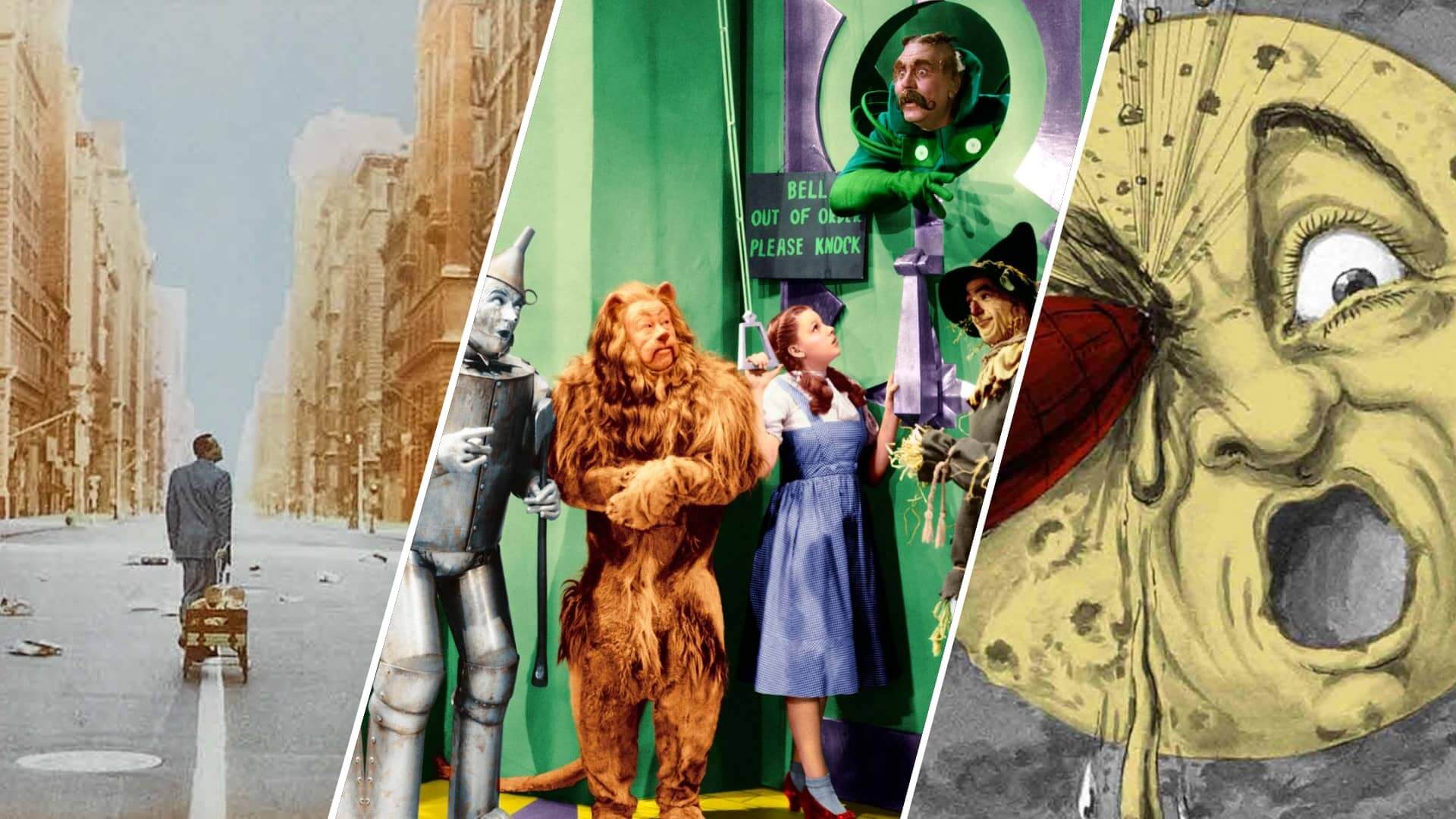
The advent of color in cinema is often perceived as a singular, transformative moment, a sudden leap from monochrome to a vibrant, lifelike world. However, the reality is far more nuanced, a fascinating technological journey marked by incremental innovations, competing systems, and a gradual evolution rather than a single eureka moment. When we ask “what is the first movie in color?”, we are not looking for a simple answer but rather delving into the pioneering spirit of early filmmakers and the relentless pursuit of capturing the world’s hues on screen. This exploration into the birth of color cinema is fundamentally a story of technological advancement, a testament to human ingenuity in pushing the boundaries of what was considered possible in visual storytelling.
The Dawn of Color: Early Experiments and the Limitations of Black and White
Before the widespread adoption of color film, cinema was an art form confined to shades of gray. This inherent limitation, while not diminishing the artistic impact of early films, nonetheless left a significant portion of visual information absent. The very essence of realism, the ability to represent the world as we perceive it, was curtailed. This inherent constraint fueled a desire among inventors and filmmakers to find ways to imbue moving images with the richness of natural color.
Black and White’s Reign: The Foundation of Cinema
From its inception, cinema was a monochrome medium. Early cameras captured light and shadow, creating images that, while often breathtaking in their narrative power and artistic composition, lacked the full spectrum of visual experience. The narrative and emotional impact of films like “The Great Train Robbery” (1903) or Charlie Chaplin’s silent masterpieces were profound, proving that compelling storytelling was not inherently dependent on color. However, the absence of color also presented challenges. For instance, distinguishing between different objects or elements within a scene could sometimes be ambiguous without the chromatic cues we rely on in everyday life. This served as a constant, albeit unspoken, impetus for exploration.
Tinting and Toning: Early Attempts at Color
Filmmakers and technicians initially approached the problem of adding color by employing manual techniques on already-shot black and white footage. Tinting involved dyeing the entire film stock a single color, which could evoke mood or indicate time of day. For instance, a scene might be tinted blue for nighttime or sepia for a flashback. Toning was a more sophisticated process where the silver halide crystals in the emulsion were chemically altered to produce color. This allowed for more nuanced color application, though still limited to a single hue per scene. While these methods added a layer of visual interest, they were far from achieving true, naturalistic color reproduction. They represented an initial, albeit rudimentary, step towards enriching the visual palette of cinema.
The Race for True Color: Chronology of Early Innovations
The pursuit of true, multi-hued color in motion pictures was not a straightforward path but a series of competing and complementary technological advancements. Several distinct systems emerged, each with its own strengths, weaknesses, and historical significance. Understanding these early efforts is crucial to appreciating the complexities of what constitutes the “first” color film.
Kinemacolor: A Pioneering Step Forward
One of the earliest commercially successful processes for achieving natural color on film was Kinemacolor, developed by George Albert Smith and patented in 1906. This additive color system utilized a black-and-white film that was then projected through a rotating filter wheel containing red and green segments. The camera would expose alternate frames through the red and green filters, and upon projection, the rapid alternation of red and green light would trick the human eye into perceiving a full spectrum of color.
The first public exhibition of Kinemacolor in 1908, featuring a film titled “A Visit to the Seaside,” is often cited as a significant milestone. This short documentary, shot by Smith in Brighton, England, showcased scenes of a seaside resort, including waves, children playing, and even a parade. The effect, while not perfect by modern standards, was revolutionary for its time, offering viewers a glimpse of the world in a way that black and white cinema could not. Kinemacolor’s success was relatively short-lived due to technical limitations, including flicker and the need for specialized projection equipment, and it eventually gave way to more advanced systems. However, its pioneering spirit and demonstrable success in achieving natural color on screen cemented its place in cinematic history.
Technicolor: The Dominant Force in Early Color
The name Technicolor became synonymous with early color cinema, and for good reason. It evolved through several iterations, each representing a significant leap in fidelity and practicality.
The Two-Strip Technicolor Era
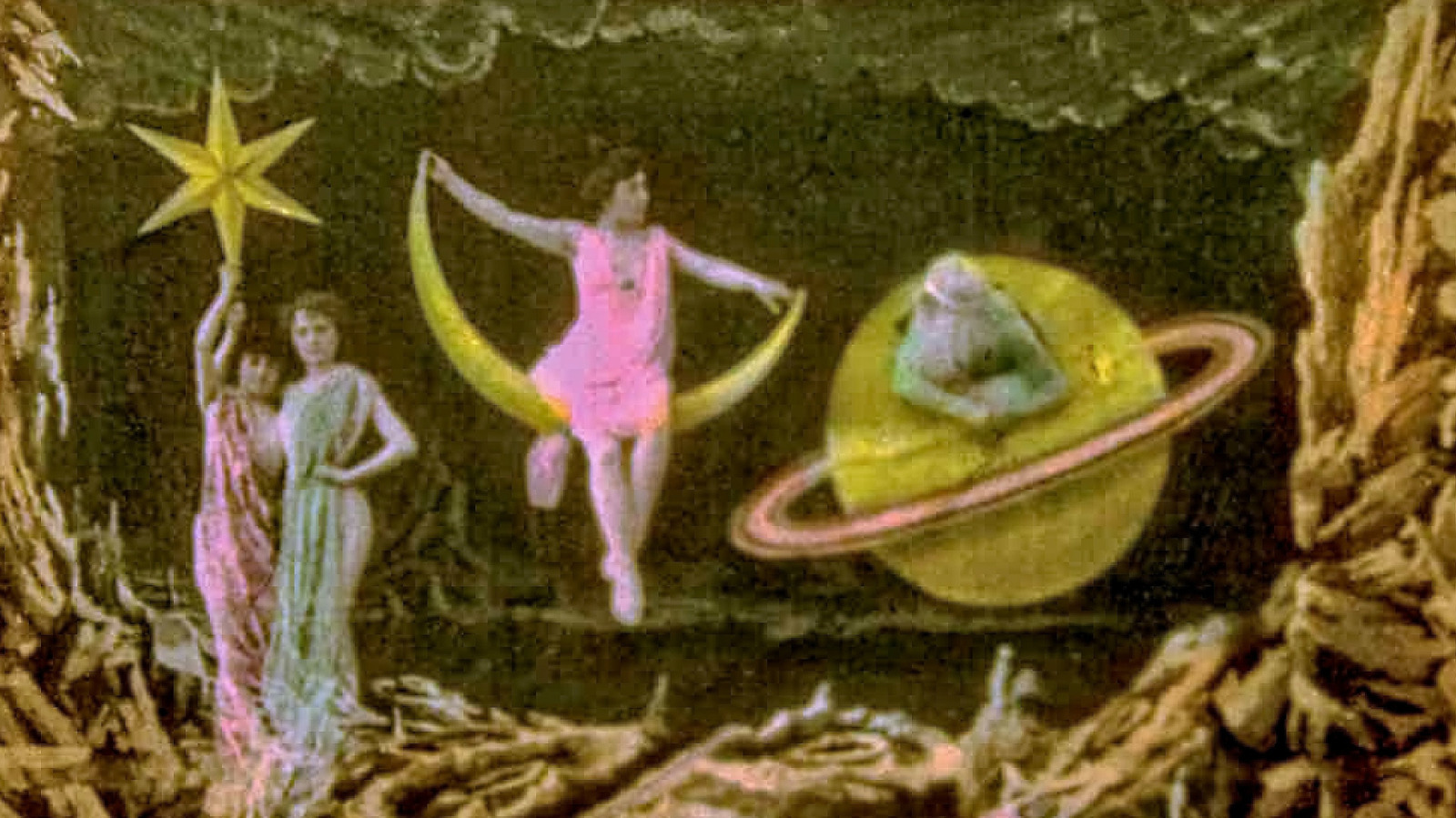
The early Technicolor processes, particularly the two-strip system, were instrumental in bringing color to a wider audience. This method involved filming simultaneously through two black-and-white negatives, one filtered for red and the other for green. These two negatives were then printed onto a single strip of film, with the red record on one side and the green on the other, chemically bonded together.
The first feature film to utilize this two-strip Technicolor process was “The Toll of the Sea” (1922). While the color palette was somewhat limited, primarily reproducing reds and greens effectively and creating a somewhat garish aesthetic for other colors, it was a significant step towards naturalistic color. Later films like “The Ten Commandments” (1923) and “The Phantom of the Opera” (1925) showcased the potential of Technicolor, even with its limitations. The distinctive, albeit sometimes unnatural, hues became a hallmark of these early color productions, captivating audiences and setting a new standard for visual spectacle.
The Birth of Three-Strip Technicolor
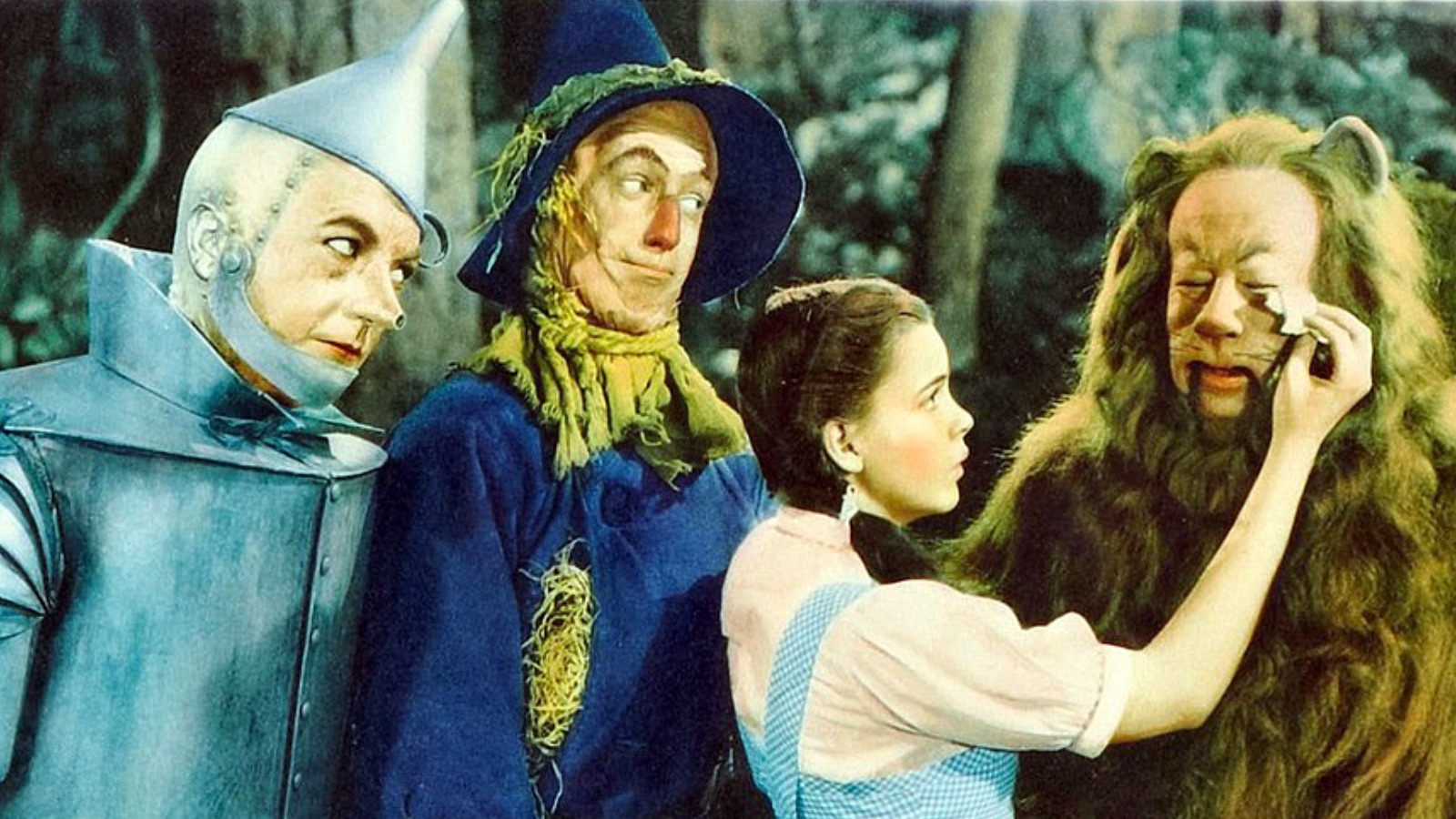
The true breakthrough for Technicolor, and arguably for color cinema as we understand it, arrived with the development of the three-strip process. Introduced in the early 1930s, this revolutionary system simultaneously exposed three black-and-white negatives through red, green, and blue filters. Each negative captured a different color component. These three negatives were then used to create three matrices (dye layers) that were cemented together to form a single, full-color print.
The first film to demonstrate the full potential of three-strip Technicolor was Walt Disney’s animated short “Flowers and Trees” in 1932. The vibrant and lifelike colors of this short were so impressive that they earned Disney an Academy Award. The first live-action feature film to employ the full three-strip Technicolor process was “Becky Sharp” in 1935, which was followed shortly by the iconic “The Adventures of Robin Hood” (1938) and the groundbreaking “Gone with the Wind” (1939). These films, with their rich, saturated, and remarkably accurate color reproduction, redefined cinematic aesthetics and demonstrated the profound impact color could have on storytelling and audience immersion.
Defining “First”: Navigating the Ambiguities
The question of “what is the first movie in color?” is not as simple as identifying a single film. The answer depends heavily on how one defines “color” in the context of early filmmaking and the specific technological criteria being applied.
The Spectrum of “Color” in Early Cinema
It’s crucial to understand that “color” in early cinema existed on a spectrum. As discussed, manual tinting and toning were early, albeit rudimentary, forms of adding color. These techniques predated mechanical and chemical color processes but did not involve capturing color directly from the scene. Films utilizing these methods, while visually distinct from black and white, are often not what people mean when they inquire about the “first color movie.”
When people generally ask about the “first movie in color,” they are typically referring to films that employed processes designed to capture and reproduce a range of colors from the actual scene being filmed. This includes additive processes like Kinemacolor and subtractive processes like Technicolor. Therefore, a film like “A Visit to the Seaside” (Kinemacolor, 1908) can be considered an early contender if the definition is broad enough to include sophisticated early attempts at color reproduction.
The Significance of Kinemacolor vs. Technicolor
The distinction between Kinemacolor and Technicolor is significant. Kinemacolor, as an additive system, was one of the first to achieve a degree of natural color projection for audiences. However, its technical limitations and relatively short lifespan meant it did not establish the long-term trajectory of color filmmaking.
Technicolor, particularly its three-strip process, represented a more robust, versatile, and artistically satisfying approach to color. Its widespread adoption and the enduring legacy of films produced in this format have led many to consider films made with Technicolor as the true heralds of the color era. This is why “The Toll of the Sea” (1922, two-strip Technicolor) or even films utilizing earlier, less perfect Technicolor iterations, are often cited. However, if the criterion is the most advanced and widely recognized form of early natural color, then the focus shifts to the era of three-strip Technicolor, with films like “Becky Sharp” (1935) often being the benchmark for “first feature film in full color.”
The Evolution of Color Technology
Ultimately, the “first movie in color” is a title that could be attributed to multiple films depending on the specific technological definition and historical context. It is less about a singular definitive answer and more about appreciating the incremental progress and the collective efforts of innovators. From the rudimentary tinting of silent films to the vibrant hues of three-strip Technicolor, the journey to color cinema was a complex and fascinating technological evolution, a testament to the relentless drive to make the moving image as visually rich and immersive as the world it sought to represent. The true legacy lies not in identifying a single “first,” but in understanding the rich tapestry of innovation that brought color to the silver screen.
aViewFromTheCave is a participant in the Amazon Services LLC Associates Program, an affiliate advertising program designed to provide a means for sites to earn advertising fees by advertising and linking to Amazon.com. Amazon, the Amazon logo, AmazonSupply, and the AmazonSupply logo are trademarks of Amazon.com, Inc. or its affiliates. As an Amazon Associate we earn affiliate commissions from qualifying purchases.