
The question of what constitutes the “first” Google phone is one that invites a nuanced discussion about the intersection of software, hardware, and branding. For some, the first Google phone is the device that introduced the world to the Android operating system. For others, it is the first piece of hardware sold directly by Google, bearing its distinct design philosophy. To truly understand the genesis of Google’s mobile journey, we must look back to the late 2000s, an era when the mobile landscape was shifting from the tactile utility of BlackBerry and Nokia to the touch-centric future heralded by the iPhone.
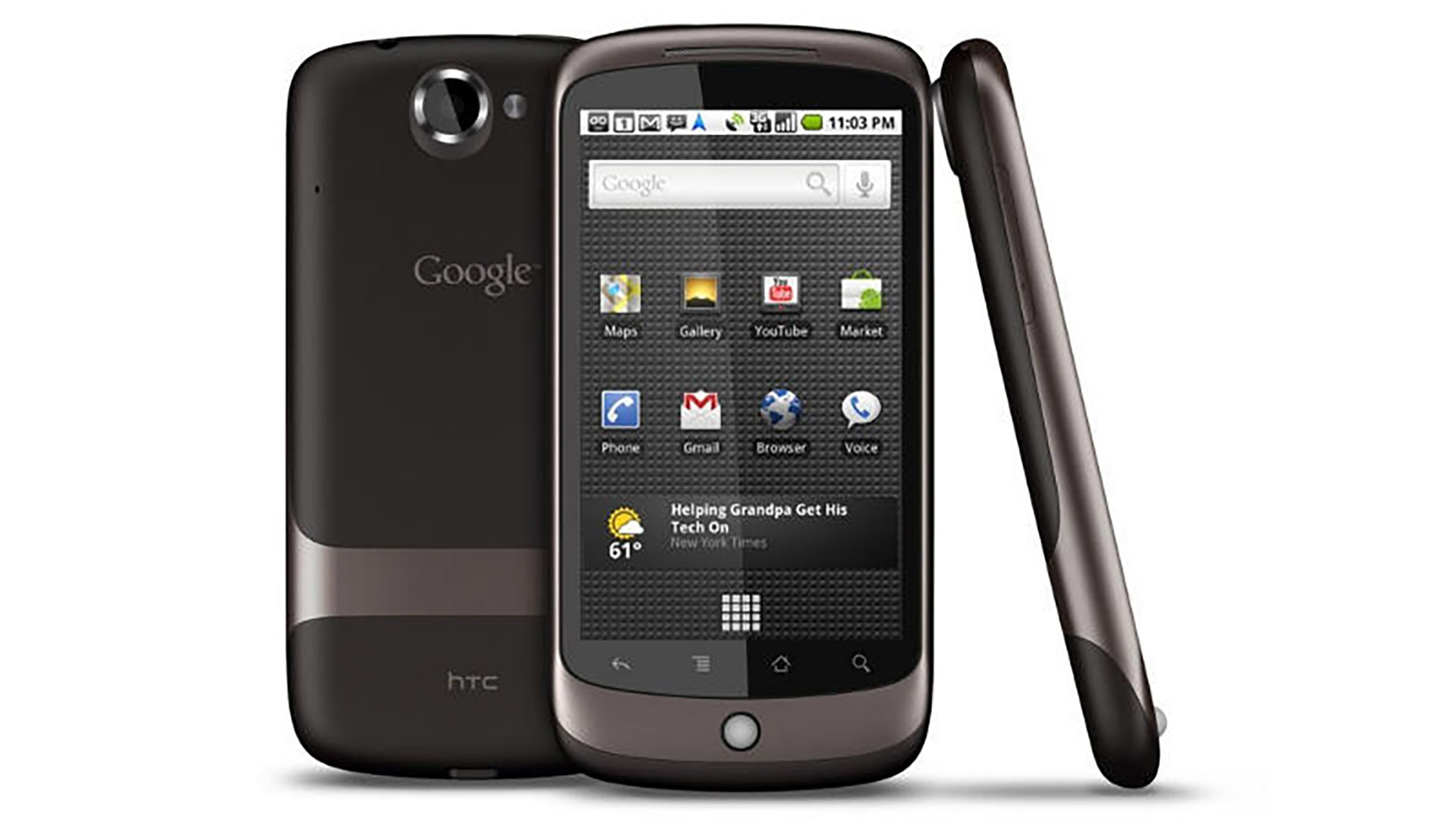
The story of the first Google phone is actually the story of two distinct devices: the T-Mobile G1 (the first Android handset) and the Nexus One (the first device sold as a Google-branded experience). Together, these devices laid the technical and strategic groundwork for the multi-billion-dollar ecosystem that today powers the majority of the world’s smartphones.
The Dawn of Android: The HTC Dream (T-Mobile G1)
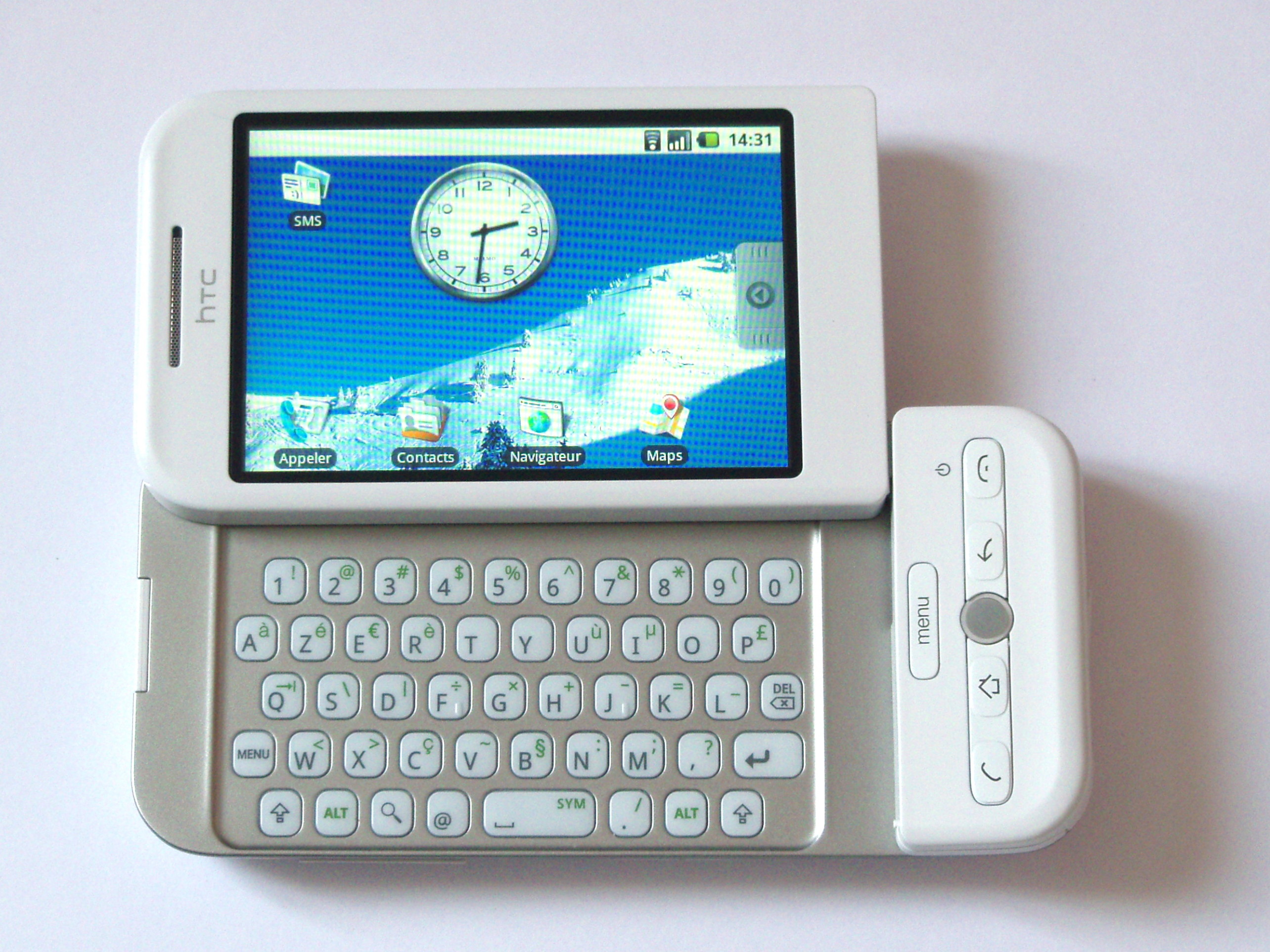
In October 2008, the T-Mobile G1, known internationally as the HTC Dream, made its debut. While it did not feature “Google” in its name, it was the definitive “first Google phone” in terms of software. This was the debut of Android 1.0, a Linux-based operating system that Google had been developing since its acquisition of Android Inc. in 2005.
Hardware Innovation and the Physical Keyboard
The HTC Dream was a fascinating piece of industrial design that bridged the gap between old-school mobile computing and the new touch-centric era. It featured a 3.2-inch capacitive touchscreen that slid horizontally on a unique “swing-out” hinge to reveal a full five-row QWERTY keyboard. At a time when software keyboards were still viewed with skepticism by power users, the G1’s physical keys provided a safety net for those migrating from devices like the Sidekick or BlackBerry.
Beneath the hood, the G1 was powered by a 528 MHz Qualcomm MSM7201A processor and 192 MB of RAM. While these specs seem primitive today, they were sufficient to run the first iteration of the Android OS. Notably, the device also included a trackball for navigation—a hardware feature that highlighted the transitionary period of mobile interfaces where precision clicking was still a priority over fluid gestures.
The Software That Changed Everything: Android 1.0
The true significance of the G1 lay in its software. Android 1.0 introduced features that would become industry standards. Most notably, it debuted the “notification shade”—a pull-down menu for managing alerts that was so effective it was eventually adopted by every major competitor, including Apple’s iOS.
The G1 was also the first device to integrate the Android Market (now the Google Play Store). At launch, it featured roughly 50 apps, a humble beginning for an ecosystem that would eventually house millions. Furthermore, it offered deep, native integration with Google services like Gmail, Google Maps, and Google Search, setting the stage for the cloud-centric mobile experience we take for granted today.
The First True “Google Phone”: The Nexus One
While the G1 introduced the software, the Nexus One, released in January 2010, represented Google’s first attempt to exert direct control over the hardware experience. Manufactured by HTC but marketed and sold directly by Google through a newly launched web store, the Nexus One was designed to be the “superphone” of its time.
Direct-to-Consumer Sales and “Pure” Android
The Nexus One was a radical experiment in the mobile market. Before its release, consumers were accustomed to buying phones through carriers like Verizon or AT&T, which often meant dealing with “bloatware”—pre-installed applications that could not be deleted—and delayed software updates.
Google’s vision for the Nexus One was to bypass this system. By selling the phone unlocked directly to consumers, Google promised a “pure” Android experience. This meant the device ran Android 2.1 Eclair without any third-party skins or carrier interference. It was a developer’s dream and a statement to the industry that Google was ready to define its own hardware standards.
Cutting-Edge Technical Specifications
Technically, the Nexus One was a significant leap forward from the G1. It featured a 1 GHz Qualcomm Snapdragon processor, which made it one of the fastest phones on the market. It also boasted a vibrant 3.7-inch AMOLED display, which provided much better contrast and color saturation than the LCD panels of the era.
One of the most debated hardware features of the Nexus One was its inclusion of an LED-lit trackball that could glow in different colors to signify different types of notifications. It also introduced noise-canceling microphones, a relatively new concept at the time, which significantly improved call quality in loud environments.
The Evolution from Nexus to Pixel: Defining Google’s Vision
The release of the Nexus One kicked off the Nexus program, which would run for six years and involve partnerships with various manufacturers, including Samsung, LG, and Motorola. Each Nexus device was intended to be a “reference design” for what Android could and should be.
The Nexus S and Galaxy Nexus
Following the Nexus One, Google partnered with Samsung to release the Nexus S (2010) and the Galaxy Nexus (2011). These devices were instrumental in pushing the boundaries of mobile tech. The Galaxy Nexus, for instance, was the launch vehicle for Android 4.0 Ice Cream Sandwich, which introduced a modernized “Holo” design language and replaced physical navigation buttons with on-screen virtual keys—a move that allowed for larger screens and slimmer bezels.
These phones also pioneered Near Field Communication (NFC) technology. The Nexus S was one of the first smartphones to include an NFC chip, laying the groundwork for Google Wallet and the mobile payment revolution that followed years later.
The Pivot to Pixel: Controlling the Stack
By 2016, Google realized that to truly compete with the vertical integration of Apple, it needed to move beyond the partnership-based Nexus model. This led to the retirement of the Nexus brand and the birth of the Pixel.
Unlike the Nexus devices, which were essentially modified versions of existing manufacturer hardware, the Pixel was “made by Google.” This shift allowed Google to focus heavily on computational photography and AI-driven features. The first Pixel phone proved that software optimization could outperform raw hardware specs, particularly in the realm of mobile photography, where Google’s HDR+ processing set a new industry benchmark.
Technical Impact and Legacy on Modern Smartphones
Looking back at the G1 and the Nexus One, we can see the DNA of modern mobile technology. These early “Google phones” were more than just gadgets; they were the testing grounds for architectural decisions that define how we interact with technology today.
Open Source vs. Walled Gardens
The G1 was the first commercial implementation of the Android Open Source Project (AOSP). By keeping the core of Android open-source, Google ensured that the platform could scale rapidly across different hardware configurations and price points. This was a direct counter-strategy to Apple’s closed “walled garden” approach. While the Nexus One showcased the “cleanest” version of this OS, the foundation laid by the G1 allowed Android to become the dominant global operating system, powering everything from budget handsets to ultra-premium foldables.
The Integration of Google Services
The first Google phones were the original vehicles for the “Google as a Platform” strategy. Before these devices, mobile web browsing was often a truncated, “WAP” version of the internet. The G1 and Nexus One proved that a phone could be a full-fledged client for the cloud. Features we now consider essential, such as real-time sync for calendars, contacts, and photos, were pioneered on these early handsets.

Lessons from the First Decade of Google Hardware
The journey from the T-Mobile G1 to the current Pixel lineup reveals several key lessons about the tech industry. First, it demonstrates that software is the ultimate differentiator. The G1 wasn’t the prettiest phone of 2008, but its notification system and multitasking capabilities were years ahead of the competition.
Second, the Nexus One showed that the “user experience” is about more than just the device; it’s about the buying process, the frequency of updates, and the absence of unwanted software. While the Nexus One’s direct-to-consumer model was perhaps ahead of its time and faced logistical hurdles, it forced carriers and manufacturers to reconsider how they handled software maintenance.
Finally, the transition from the “first Google phone” (the G1) to the “first Google-branded phone” (the Nexus One) illustrates Google’s evolving ambition. Google began as a software provider for the mobile industry but quickly realized that to protect its ecosystem and push the boundaries of AI and machine learning, it had to become a hardware company.
Today, when we look at a modern smartphone, we see the echoes of those early experiments. The high-refresh-rate OLED screens trace their lineage back to the Nexus One’s bold use of AMOLED. The seamless integration of AI assistants traces its roots to the deep search integration found on the G1. Whether you consider the G1 or the Nexus One to be the true “first,” there is no denying that these two devices were the catalysts for the modern digital age.
aViewFromTheCave is a participant in the Amazon Services LLC Associates Program, an affiliate advertising program designed to provide a means for sites to earn advertising fees by advertising and linking to Amazon.com. Amazon, the Amazon logo, AmazonSupply, and the AmazonSupply logo are trademarks of Amazon.com, Inc. or its affiliates. As an Amazon Associate we earn affiliate commissions from qualifying purchases.