
The landscape of modern technology is vast, evolving at a pace that can feel both exhilarating and overwhelming for a newcomer. At the heart of every smartphone app, every sophisticated AI model, and every automated financial system lies code. For those looking to transition into software development, data science, or cybersecurity, the most common hurdle is not a lack of interest, but a paralysis by analysis: which programming language should I learn first?
The answer is rarely a single name. Instead, the “right” first language is a strategic choice dictated by your career goals, the type of projects you wish to build, and the cognitive load you are prepared to handle. While there are hundreds of programming languages in existence, only a handful are truly suited for a beginner’s foundation. Choosing correctly can mean the difference between a rewarding journey into tech and a frustrating abandonment of the craft.
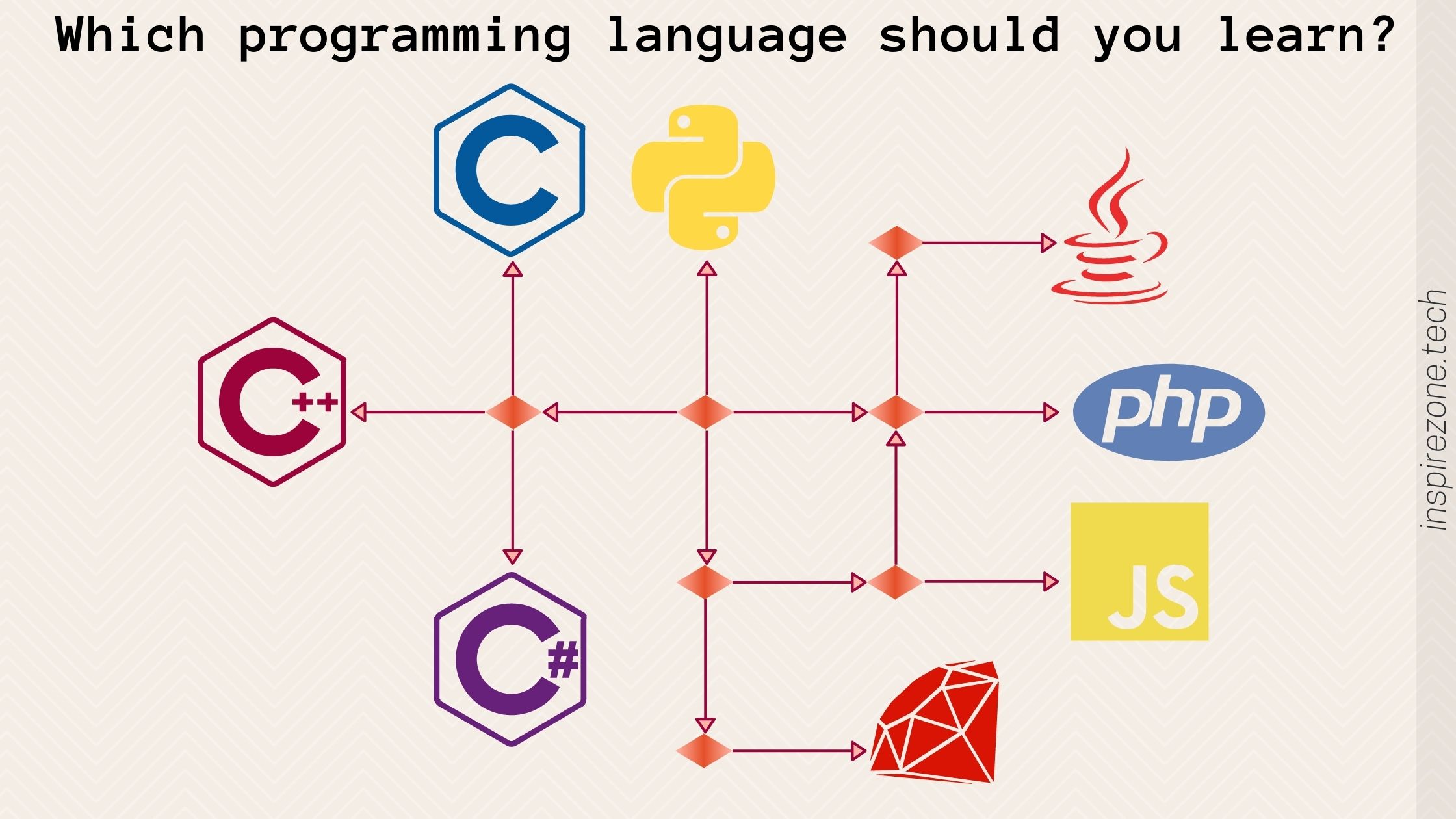
Defining Your North Star: Identifying Your Path in Tech
Before looking at syntax or compilers, you must identify your “why.” The tech industry is not a monolith; it is a collection of specialized ecosystems. Each ecosystem favors specific tools. By identifying which niche interests you most, the choice of language often becomes self-evident.
Web Development: The Architecture of the Internet
If you are drawn to building the websites we interact with daily, the path is clearly defined. Web development is split into the “Front-end”—the visual elements users see—and the “Back-end”—the logic, databases, and servers that power the site. For anyone interested in the visual and interactive side of tech, the web is the most accessible entry point because you can see the results of your code immediately in a browser.
Data Science and Artificial Intelligence
For those who enjoy patterns, statistics, and the burgeoning world of machine learning, the focus shifts toward languages that excel at mathematical computation and large-scale data manipulation. This field is currently the fastest-growing sector in tech, driven by the demand for predictive modeling and the integration of large language models (LLMs) into corporate workflows.
Mobile Application Development
If your dream is to build the next viral app on the App Store or Google Play, your choice of language will be dictated by the operating system. While “cross-platform” tools exist, native development—building specifically for iOS or Android—remains a highly lucrative and technically rewarding path.
Game Development and Systems Programming
For those interested in high-performance computing, such as building triple-A video games or operating systems, the requirements are different. You will need a language that offers “low-level” control, meaning it allows you to manage hardware resources like memory and CPU cycles directly. This path has a steeper learning curve but offers the most profound understanding of how computers function.
The Top Contenders for Your First Language
Once you have identified a general direction, you can evaluate the leading languages. The following three languages dominate the beginner landscape due to their extensive documentation, large communities, and versatility.
Python: The King of Readability
Python is frequently cited as the best first language for beginners, and for good reason. Its syntax is remarkably close to the English language, removing the “syntactic noise” that often trips up new learners. In Python, you don’t need to worry about complex memory management or semi-colons at the end of every line.
Python is the undisputed leader in Data Science, Machine Learning, and AI. However, its utility doesn’t end there. It is widely used in back-end web development (via frameworks like Django and Flask), cybersecurity scripting, and automation. If you want to write a script that automates your daily digital tasks or dive into the world of neural networks, Python is your best bet.
JavaScript: The Language of the Web
JavaScript is the only language that runs natively in every web browser. If you want to build anything on the internet, JavaScript is non-negotiable. It has evolved from a simple scripting tool for making buttons click into a powerhouse capable of running complex 3D environments and massive server-side applications.
The beauty of JavaScript is its “full-stack” capability. With the advent of Node.js, developers can use JavaScript for both the front-end and the back-end. This means you only need to master one language to build a complete, functional web application from scratch. The job market for JavaScript developers remains one of the most robust in the tech industry.
Java: The Enterprise Workhorse
Java has been a staple of the corporate world for decades. It follows a philosophy of “Write Once, Run Anywhere,” making it the go-to choice for large-scale enterprise systems, banking software, and Android app development.
While Java is more verbose than Python—meaning it takes more lines of code to accomplish the same task—it teaches disciplined programming habits. It is a “statically typed” language, which means it forces you to be explicit about the types of data you are using. This rigor can be challenging at first, but it provides a deep understanding of Object-Oriented Programming (OOP) principles that are transferable to almost any other language.
Understanding the “Language of Logic”
A common mistake beginners make is focusing too much on the specific syntax of a language and not enough on the underlying logic. Programming is essentially the art of problem-solving. A language is merely a tool used to express a solution.
The Translatability of Concepts
Whether you choose Python, JavaScript, or Java, you will encounter the same core concepts: variables, loops, conditionals, and functions. Once you understand how a “for-loop” works in Python, you will recognize it immediately in C++ or Swift. The logic remains the same; only the punctuation changes.
The goal of your first language should be to master these universal concepts. Once you have a firm grasp of algorithmic thinking, “switching” languages later in your career becomes a matter of weeks rather than years. Professional developers are rarely “Python Developers” or “Java Developers” forever; they are software engineers who use the best tool for the specific job at hand.
The Role of Libraries and Frameworks
In modern tech, you rarely write every single line of code from scratch. Instead, you use libraries (pre-written code for specific tasks) and frameworks (blueprints for building applications). For example, a Python developer uses “Pandas” for data analysis, while a JavaScript developer uses “React” to build user interfaces. Part of learning your first language is learning how to navigate its ecosystem of tools. This is why choosing a popular language is beneficial: there are more tools and community support available to help you when you get stuck.
The Modern Developer’s Toolkit: AI and Collaboration
The way we learn to code in the current era has shifted significantly due to the integration of AI-assisted tools and collaborative platforms. Learning a language now involves more than just reading a textbook; it involves interacting with an entire digital ecosystem.
AI-Powered Coding Assistants
Tools like GitHub Copilot and other AI coding assistants have changed the beginner experience. These tools can suggest lines of code, explain complex errors, and even generate entire functions based on a comment. For a beginner, this is a double-edged sword. While it can accelerate learning by providing immediate feedback, it can also become a crutch. The key to using AI in your learning journey is to use it as a tutor—ask it “why” a certain piece of code works—rather than using it to bypass the thinking process entirely.
Version Control and Open Source
No matter which language you pick, you must eventually learn Git and GitHub. These are the tools that allow developers to track changes to their code and collaborate with others. For a beginner, contributing to open-source projects or simply hosting your own “repository” of code serves as a digital portfolio. In the tech industry, a clean, active GitHub profile often carries more weight than a traditional resume.
Building a Roadmap: From First Script to First Project
The final step in choosing your first language is committing to a roadmap. Programming is a “doing” skill, not just a “reading” skill. You cannot learn to code by watching videos alone; you must build.
The 100-Hour Rule
Aim to spend at least 100 hours of focused coding in your chosen language before considering a switch. This is usually the threshold where the syntax starts to become “invisible” and you begin to focus on the actual logic of the problems you are solving.
Project-Based Learning
Instead of following endless tutorials, pick a project that genuinely excites you. If you chose Python, try building a web scraper that tracks the price of your favorite gadget. If you chose JavaScript, build a personal portfolio site or a dynamic to-do list. The challenges you encounter while building something real will teach you more than any generic exercise.

Conclusion
The “best” first coding language is the one that keeps you coming back to your keyboard every day. Python offers the smoothest entry, JavaScript offers the quickest path to web deployment, and Java offers a rigorous foundation in software engineering. Regardless of your choice, the most important step is to start. The tech world is built by those who are willing to debug one more line, learn one more concept, and embrace the perpetual evolution of the digital frontier. Reach for a language, start small, and begin building the future.
aViewFromTheCave is a participant in the Amazon Services LLC Associates Program, an affiliate advertising program designed to provide a means for sites to earn advertising fees by advertising and linking to Amazon.com. Amazon, the Amazon logo, AmazonSupply, and the AmazonSupply logo are trademarks of Amazon.com, Inc. or its affiliates. As an Amazon Associate we earn affiliate commissions from qualifying purchases.